
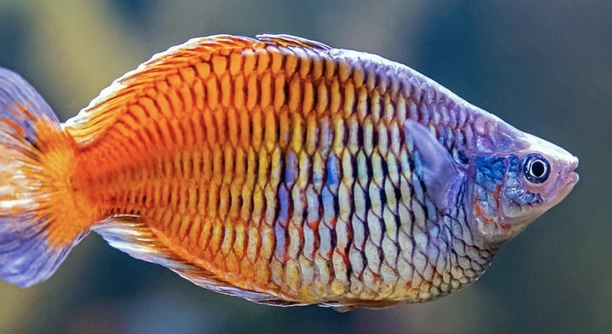
Rainbow fish are beautiful, colorful creatures that can make a vibrant addition to your aquarium. These peaceful fish are known for their energetic movements and bright, shimmering scales. But how many should you keep together for the best results?
Rainbow fish should be kept in groups of at least six individuals. This helps to promote their social behavior, reduce stress, and allow them to exhibit natural schooling instincts. Larger groups can also enhance their vibrant coloration.
Understanding the benefits of keeping rainbow fish in groups and how to maintain a healthy environment can help ensure your fish thrive in their new home.
Why Do Rainbow Fish Prefer to Live in Groups?
Rainbow fish are naturally social and thrive in groups. In the wild, they live in schools, where they feel safe and secure. Being in a group also helps them avoid predators. When kept alone or in small numbers, they may become stressed or show signs of aggression. Larger groups reduce the chances of stress, making the aquarium a more peaceful environment.
Rainbow fish also enjoy interacting with each other. A group provides a healthy social structure, which is important for their well-being. You may notice that their colors become more vivid and their behavior more natural when they have companions. A smaller number of fish might display timid behavior and hide more often.
To replicate their natural habitat and ensure their happiness, it’s best to keep at least six rainbow fish in an aquarium. The more, the better, as they feel more comfortable in larger schools. This not only supports their social nature but helps improve their overall health and activity.
Ideal Tank Size for Rainbow Fish
The size of your tank plays a crucial role in how comfortably your rainbow fish can live together. To maintain a healthy group, ensure that your aquarium is large enough to give them plenty of space.
A tank that is at least 30 gallons is recommended for a group of six rainbow fish. This allows them to move freely and establish their social hierarchy without feeling cramped. Overcrowding can lead to stress and poor health, so it’s important to not exceed the recommended stocking density.
Providing plenty of space helps to maintain clean water conditions, too. Rainbow fish require stable, clean water to thrive. The larger the tank, the easier it is to keep the water quality high, which reduces the likelihood of disease. If you’re considering adding more fish to the tank, make sure to account for their space needs to avoid overcrowding.
Social Behavior of Rainbow Fish
Rainbow fish are peaceful but can show different behaviors depending on their environment. In a group, they engage in social activities like swimming together and communicating with each other. Their schooling nature is visible when they follow one another in synchronized patterns.
In small groups or when isolated, rainbow fish can appear nervous or skittish. They might spend more time hiding or swimming aimlessly. These behaviors are often linked to stress. To avoid this, ensure they have a stable environment and enough fish to feel comfortable.
Rainbow fish also establish a loose social structure within the group. The dominant fish may claim the best hiding spots or the most visible swimming areas. This natural behavior is harmless but a sign that they need space to establish their roles. Healthy groups will show less aggression as long as they feel secure in their tank environment.
Water Conditions for Rainbow Fish
Maintaining proper water conditions is essential for rainbow fish. They prefer slightly acidic to neutral water with a pH between 6.5 and 7.5. Consistent water temperature is important as they thrive in temperatures between 72°F and 79°F.
Ammonia, nitrites, and nitrates should always be monitored, as these compounds can harm your fish. Regular water changes are necessary to keep levels in check and maintain a healthy tank. Rainbow fish also like water with moderate hardness, so adding minerals may help replicate their natural environment.
Along with these conditions, keeping the water well-filtered is important. Rainbow fish are sensitive to poor water quality. If you notice any changes in their behavior or health, the first step should be testing your water. Ensuring the right environment promotes their long-term health and vibrant coloration.
Diet of Rainbow Fish
Rainbow fish are omnivores and enjoy a varied diet. They will readily eat a mix of high-quality flakes, pellets, and frozen or live foods such as brine shrimp and daphnia. Their diet should include both plant and protein-based foods to maintain their health.
Feeding rainbow fish once or twice a day is sufficient. Overfeeding can lead to poor water quality, which negatively impacts their health. Monitor how much they consume in each feeding session and adjust the amount as necessary. A balanced diet will help them stay active and vibrant in color.
Tankmates for Rainbow Fish
Rainbow fish are generally peaceful and can coexist with a variety of tankmates. However, it’s important to choose non-aggressive fish that have similar water requirements. Avoid large or aggressive species that could intimidate or harm your rainbow fish.
Small peaceful fish like tetras, rasboras, or danios make ideal companions. These species are active and won’t compete for space or food with the rainbow fish. Be sure to also avoid very small fish that could become prey, as rainbow fish may chase or nibble on them in some cases.
Common Health Issues in Rainbow Fish
Rainbow fish are relatively hardy, but they are still prone to some common health issues. Poor water quality, incorrect temperatures, and stress can lead to diseases like fin rot or ich. Regular water changes and monitoring the tank’s parameters help prevent these conditions.
Signs of stress or illness can include faded colors, loss of appetite, or unusual swimming patterns. If you notice these symptoms, address the water conditions immediately. Ensuring their environment stays clean and stable will prevent most health issues and keep your rainbow fish healthy.
FAQ
How many rainbow fish can I keep in a 20-gallon tank?
In a 20-gallon tank, you can comfortably keep about four to five rainbow fish. This is a smaller tank size, so you’ll want to avoid overcrowding. If you want to keep more, consider a larger tank to ensure your fish have enough space to swim and feel comfortable.
Can rainbow fish live with other species?
Yes, rainbow fish are generally peaceful and can live with other non-aggressive species. Tetras, rasboras, and other community fish make great tankmates. Just avoid larger or overly aggressive fish that may intimidate or harm your rainbow fish. Always consider the size and temperament of any potential tankmates before adding them to the tank.
Do rainbow fish need a specific type of substrate?
Rainbow fish don’t require a specific type of substrate. They are fine with a soft or fine gravel substrate, but it’s essential to keep it clean. A clean substrate helps maintain good water quality, which is crucial for the health of your rainbow fish. Plants and decorations should also be chosen carefully to avoid sharp edges.
How often should I feed rainbow fish?
Rainbow fish should be fed once or twice a day. It’s important to avoid overfeeding, as this can lead to poor water quality. Give them only as much food as they can eat in about 2-3 minutes. Remove any uneaten food to prevent it from decomposing and affecting the water.
Do rainbow fish require a filter?
Yes, a filter is essential for rainbow fish. They thrive in clean water, and a good filter helps maintain water quality by removing excess waste and toxins. A strong filter is recommended, but make sure the water flow is not too strong, as rainbow fish prefer calmer water.
What water temperature is best for rainbow fish?
Rainbow fish do best in temperatures between 72°F and 79°F. They are fairly adaptable, but maintaining a stable temperature is key. If the temperature fluctuates too much, it could cause stress or illness. Using an aquarium heater can help keep the water temperature consistent.
Do rainbow fish need live plants in their tank?
While rainbow fish don’t require live plants, they do benefit from having them in the tank. Live plants offer hiding spots, reduce stress, and help maintain good water quality. Plants also mimic their natural habitat, which makes them feel more at ease. However, if you prefer not to have live plants, artificial ones work just fine.
What should I do if my rainbow fish is sick?
If your rainbow fish shows signs of illness, such as faded colors, abnormal swimming patterns, or loss of appetite, you should check the water conditions first. Poor water quality is often the cause of illness. Make sure the temperature, pH, and ammonia levels are all within the ideal range. If the water is fine, consider isolating the sick fish in a quarantine tank and treating it with medication specific to the symptoms.
How long do rainbow fish live?
Rainbow fish typically live between 5 to 8 years in a well-maintained aquarium. Their lifespan can vary based on factors like water quality, diet, and overall tank conditions. Keeping them in a stable, stress-free environment will help them live a longer, healthier life.
Do rainbow fish change color?
Yes, rainbow fish can change color, especially in response to stress, mood, or environmental changes. Their colors are often brighter when they feel secure and comfortable in their tank. During breeding seasons, males may also display more vibrant colors to attract females.
Can rainbow fish breed in a community tank?
Breeding rainbow fish in a community tank can be challenging due to the presence of other fish. While rainbow fish are not overly aggressive towards each other, they may be harassed by other species. To encourage breeding, a separate breeding tank with proper water conditions and minimal distractions is recommended. Keep in mind that not all rainbow fish species are easy to breed in captivity.
Do rainbow fish jump out of the tank?
Rainbow fish can jump out of the tank, especially if they are startled or if the water level is too low. To prevent this, always ensure the tank has a lid or cover. Keeping the water level a few inches below the rim of the tank will also reduce the likelihood of them jumping.
How can I tell if my rainbow fish is male or female?
In many rainbow fish species, males are more brightly colored and may have longer fins than females. During breeding season, males often show off more vibrant colors to attract females. Females tend to be less colorful and may have a rounder body shape when carrying eggs.
Are rainbow fish hardy?
Yes, rainbow fish are generally hardy and can adapt to a wide range of water conditions. However, they still require regular maintenance, such as water changes and monitoring of water parameters, to stay healthy. They’re a good choice for beginner aquarium owners due to their resilience, as long as their basic needs are met.
How can I tell if my rainbow fish is stressed?
Stressed rainbow fish may display signs like hiding more frequently, swimming erratically, or showing faded colors. They may also stop eating. Stress is usually caused by poor water quality, overcrowding, or aggressive tankmates. Check the water parameters and adjust the environment to make sure your fish feel safe and comfortable.
Final Thoughts
Rainbow fish can be a beautiful and lively addition to your aquarium. With their vibrant colors and peaceful nature, they bring energy and beauty to any tank. However, to keep them healthy and thriving, it’s essential to understand their social and environmental needs. These fish are happiest when kept in groups, with a minimum of six individuals, as they prefer to swim together and interact with one another. Keeping them in a group not only helps their social behavior but also reduces stress, which is crucial for their well-being. A well-maintained aquarium with the right water conditions will encourage your rainbow fish to display their most brilliant colors and lead an active, happy life.
Proper care goes beyond just the number of fish in your tank. It also involves maintaining a stable environment that includes the right water temperature, quality, and pH levels. Rainbow fish thrive in slightly acidic to neutral water and require a temperature range between 72°F and 79°F. Regular water changes, good filtration, and careful monitoring of water parameters are necessary to keep the tank conditions optimal. Keeping the tank clean and ensuring there are no sharp edges or overcrowding will also prevent any stress or injuries. A larger tank gives your fish more space to swim and explore, which is ideal for their physical and social needs.
By providing the right tank size, appropriate water conditions, and a balanced diet, you can enjoy the vibrant beauty of rainbow fish for many years. Regularly check for signs of stress or illness, as catching any issues early will make a difference in maintaining their health. While they are relatively hardy fish, their happiness and well-being depend on the care and attention you provide. So, with the right setup and a little attention to detail, your rainbow fish will continue to thrive in your aquarium, bringing beauty and tranquility to your home.

Hello,
If you enjoy the content that we create, please consider saying a "Thank You!" by leaving a tip.
Every little bit helps us continue crafting quality advice that supports the health, happiness, and well-being of pets around the world, for pets of all shapes, sizes, and species.
We really appreciate the kindness and support that you show us!