
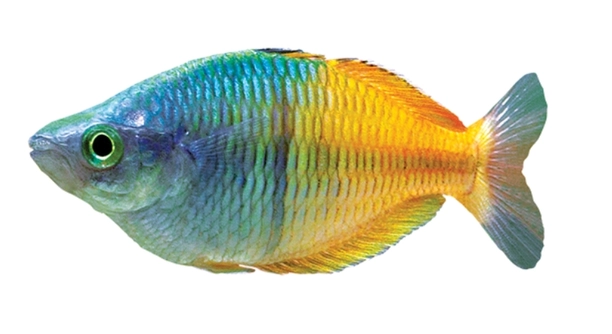
Rainbow fish are popular among aquarium enthusiasts for their vibrant colors and unique behavior. Understanding their environment is crucial for their health and well-being, especially regarding water flow, which may affect their behavior and comfort.
Rainbow fish generally prefer moderate water flow in their tanks. While they are capable of handling fast-moving water, excessive flow can cause stress. Ensuring that the water flow is not too strong helps maintain their overall health and happiness.
Choosing the right water flow for your rainbow fish can greatly enhance their comfort and longevity. This guide will offer practical tips for setting up the ideal aquarium conditions.
The Ideal Water Flow for Rainbow Fish
When setting up a tank for rainbow fish, water flow plays a key role in their health and behavior. These fish enjoy a moderate current, which mimics their natural habitat in rivers and streams. While they can tolerate faster water flow, they tend to feel stressed in strong currents. To ensure they thrive, it’s best to create a balanced environment where water flow is gentle but enough to provide movement. A moderate current encourages activity without overwhelming the fish, allowing them to swim freely and comfortably. It’s essential to adjust the flow based on the size of the tank and the number of fish, as a larger setup may require more filtration power.
Adjusting the flow rate is straightforward, and small changes can make a significant difference in the fish’s behavior. Keeping an eye on their activity level can help you determine if the flow is ideal.
To control the water flow, consider using adjustable filters or placing decorations strategically to break the current. A filter with a flow rate that can be modified allows you to cater to their needs while keeping the tank clean. Placing rocks, plants, or other decorations in the tank can help disperse the water flow, ensuring the fish can swim without feeling overwhelmed. In addition to the filter, a heater or air stone can also affect water movement. Be mindful of these factors and make gradual adjustments as needed. Providing a stable, moderate water flow is key to the well-being of your rainbow fish.
Signs Your Rainbow Fish Are Uncomfortable with the Flow
If your rainbow fish appear to be swimming against the current or seem to avoid certain areas of the tank, it may be a sign that the water flow is too strong.
Fish that are stressed by strong currents will often seek refuge in the quieter corners of the tank, where the water is calmer. This behavior is a clear indication that the flow rate is too high. In these cases, it’s best to reduce the strength of the current, using adjustments to the filter or placement of decorations to minimize the flow in certain parts of the tank. It’s important to monitor the fish for signs of stress, as excessive flow can lead to exhaustion and reduced feeding.
How to Create the Right Water Flow
Adjusting the water flow is simple and doesn’t require a lot of equipment. Start by selecting a filter with adjustable settings to control the current.
Filters with adjustable flow settings allow you to customize the water movement. By turning the dial to a lower setting, you can reduce the flow to suit your rainbow fish’s preferences. If the filter is too powerful, placing it at one end of the tank, far from the fish, can help limit the current in the areas where they swim most often.
Another option is to use a sponge filter. These filters provide gentle filtration with low water flow. They’re ideal for smaller tanks or for fish that need calm water. While sponge filters may not remove as much debris as stronger filters, they are effective in maintaining water quality while keeping the current gentle. This setup works well for rainbow fish, providing them with a peaceful swimming environment.
Water Flow and Tank Size
The size of the tank directly affects how you should adjust the water flow. In a smaller tank, even a small filter can create a strong current.
In a tank under 20 gallons, you should use a filter that suits the size and water flow needs of your fish. Opt for a filter with an adjustable flow setting, as this lets you fine-tune the current. If you notice your rainbow fish swimming against the current or staying near quieter areas, it’s a sign that the filter’s strength needs to be adjusted. For larger tanks, the flow rate may need to be higher, but it’s still important to monitor your fish to ensure they aren’t stressed. A balance between cleanliness and comfort is key.
In larger tanks, the current can be naturally broken up by plants and decorations, but you still need to monitor the overall flow. Rainbow fish enjoy swimming, but excessive movement can tire them out. Make sure they have enough space to swim freely, and adjust the filter accordingly.
Filter Placement for Ideal Water Flow
The placement of your filter can make a significant difference in water flow. Position it near one end of the tank to avoid strong currents in the areas where your fish swim.
Placing the filter at one end of the tank helps create a more controlled water movement. The flow will be weaker as it reaches the other areas of the tank, providing your rainbow fish with calm spaces. If your filter is too powerful, the water flow may still be too strong, so adjusting the settings becomes important.
Decorations to Break the Flow
Using decorations such as plants and rocks can help break the water flow, creating calmer areas for your rainbow fish.
Strategically placed plants, driftwood, or rocks can disrupt the current, allowing the fish to find areas with less movement. This can be especially helpful in tanks with strong filtration systems. When placing decorations, ensure that there are still enough open swimming spaces for your fish to move freely, as cluttered tanks may cause stress.
Adjusting the Heater for Better Flow
The heater can also affect water movement in your tank. Adjust it carefully to avoid disrupting the flow.
If your tank has a heater, ensure it’s positioned in an area that doesn’t create unnecessary water movement. Heaters placed near the filter may exacerbate the current, so moving them to a quieter spot in the tank can help maintain a balanced flow.
FAQ
Do rainbow fish like fast flowing water?
Rainbow fish generally prefer moderate water flow. While they can tolerate faster currents, they tend to thrive in environments with gentle to moderate movement. Strong water flow can cause stress, so it’s important to maintain a balance that mimics their natural habitat.
How do I know if the water flow is too strong for my rainbow fish?
If your rainbow fish are constantly swimming against the current, avoiding certain areas, or staying near the bottom, it may be an indication that the water flow is too strong. They might also seem more sluggish or stressed when exposed to excessive current.
Can rainbow fish live in a tank with a filter that has a strong current?
Rainbow fish can live in tanks with strong filters, but it’s essential to adjust the flow to suit their needs. A filter that creates a powerful current may cause stress, so using an adjustable filter or adding decorations to break the current is helpful.
What is the best type of filter for rainbow fish?
The best filter for rainbow fish is one with adjustable flow settings. A canister filter or a hang-on-back filter can work well if their flow rate can be controlled. These filters maintain water quality while allowing you to manage the current effectively.
Should I use a sponge filter for rainbow fish?
Sponge filters are an excellent option for rainbow fish, especially in smaller tanks. They provide gentle filtration with low water flow, reducing the risk of stressing the fish. While they don’t filter as much water as other filters, they’re ideal for maintaining calm water conditions.
How do I reduce the water flow in my tank?
To reduce the water flow in your tank, try adjusting the flow rate on your filter if possible. You can also move the filter to a less central location or use tank decorations like rocks or plants to diffuse the current. Using a sponge filter is another option for gentle flow.
Can rainbow fish live in slow-moving water?
Rainbow fish can tolerate slow-moving water, but they generally prefer moderate currents. If the water is too still, they may not be as active or engaged. A gentle, slow current might still work, as long as it’s not stagnant and oxygen is well circulated.
How can I tell if my rainbow fish are stressed?
Stressed rainbow fish may display certain behaviors like erratic swimming, hiding more than usual, or not eating properly. They might also show signs like faded colors or fin clamping. If your fish are stressed by the flow, adjusting the current should help.
Are there any specific plants that help break water flow for rainbow fish?
Yes, plants like Java ferns, Anubias, and moss balls are good choices to break the flow in your aquarium. These plants naturally disperse water currents, providing calmer areas for the fish. Larger plants can also provide hiding spots, reducing stress.
Can rainbow fish live in a tank with no filter?
While it’s possible for rainbow fish to live in a tank without a filter, it’s not recommended. Filters help maintain water quality by removing waste and toxins. Without proper filtration, the water can become dirty, which can lead to health issues for your fish.
What is the best tank size for rainbow fish?
Rainbow fish do best in tanks of at least 30 gallons. A larger tank provides more swimming space, which helps keep them active and healthy. It also allows for better control of the water flow and makes it easier to maintain water quality.
Do rainbow fish need aeration in their tank?
Rainbow fish generally do well with standard tank aeration, as it helps maintain oxygen levels. However, excessive aeration can create strong currents, so make sure to monitor the flow. A gentle air stone or sponge filter should suffice for most setups.
How often should I clean the tank to ensure proper water flow?
Regular cleaning is essential for maintaining proper water flow. You should clean the filter every few weeks to prevent clogging and ensure it’s running efficiently. Performing a partial water change every 1-2 weeks helps keep the water clean and promotes healthy flow.
Can rainbow fish live with other fish in the same tank?
Rainbow fish are generally peaceful and can live with many other fish species, as long as the tank environment is suitable. It’s important to ensure that the other fish don’t compete for resources or cause stress. Avoid keeping them with aggressive or territorial species.
What water temperature do rainbow fish need?
Rainbow fish prefer a water temperature between 72°F and 78°F (22°C to 26°C). Maintaining this temperature range helps them thrive and stay healthy. Sudden temperature changes can cause stress, so it’s essential to keep the tank temperature stable.
How can I provide a balanced environment for rainbow fish?
A balanced environment for rainbow fish includes proper water flow, stable water temperature, and suitable tank mates. Regular water changes and appropriate filtration are key to maintaining water quality. Adding plants and decorations can also enhance their comfort and reduce stress.
Is it okay to have a strong filter for a larger tank?
A strong filter can work well in larger tanks, but it’s still important to adjust the flow to prevent excessive current. You can use adjustable filters or position decorations strategically to break the flow in certain areas, giving your rainbow fish areas of calm water.
Final Thoughts
Rainbow fish are adaptable and can live in a variety of water conditions, but they do best when the water flow is moderate. Strong currents can be stressful for these fish, making it essential to adjust the water movement in their tank. By carefully choosing the right filter and positioning it properly, you can create an environment where your rainbow fish feel comfortable. Additionally, decorations such as rocks, plants, and driftwood can help break the flow and provide your fish with areas of calmer water.
It’s also important to regularly monitor the health of your rainbow fish and the water quality. If you notice any signs of stress, such as erratic swimming or disinterest in food, it could be a sign that the flow is too strong. At this point, adjusting the filter settings or changing the placement of tank decorations may help. You should also ensure that the tank is clean and well-maintained, as dirty water can add to the stress and affect the fish’s overall health.
By taking the time to understand your rainbow fish’s needs and adjusting their environment accordingly, you can ensure that they thrive in your tank. A little effort goes a long way in creating the ideal habitat for these colorful and energetic fish. Whether it’s adjusting the filter flow, adding decorations, or simply observing their behavior, providing a balanced and calm environment will keep your rainbow fish happy and healthy for years to come.

Hello,
If you enjoy the content that we create, please consider saying a "Thank You!" by leaving a tip.
Every little bit helps us continue crafting quality advice that supports the health, happiness, and well-being of pets around the world, for pets of all shapes, sizes, and species.
We really appreciate the kindness and support that you show us!