
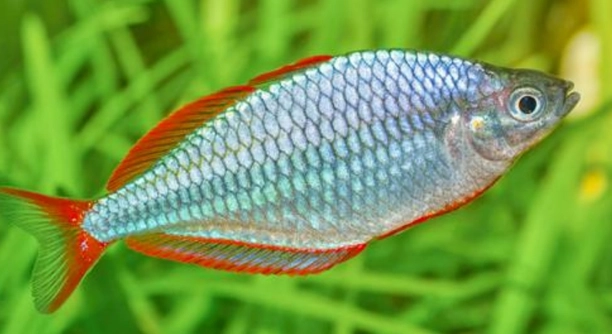
Rainbow fish are popular in aquariums, but they can sometimes show signs of stress. Recognizing these signs early on can help ensure their well-being and comfort. Stress in fish is common but manageable with the right care.
Stress in rainbow fish can be caused by various factors, including poor water quality, overcrowding, or sudden changes in their environment. Identifying these signs early helps to adjust conditions, ensuring the fish feel safe and comfortable in their habitat.
Addressing stress factors can lead to a healthier, happier rainbow fish. With the right knowledge, you can make simple adjustments to reduce their stress and improve their quality of life.
Stress from Poor Water Quality
One of the main reasons your rainbow fish might feel stressed is poor water quality. Rainbow fish are sensitive to changes in their water conditions, especially when ammonia or nitrites build up. If you notice unusual behavior in your fish, such as excessive hiding or rapid gill movement, water quality could be the issue. Maintaining the correct pH levels, water hardness, and temperature is essential for your fish’s well-being. Regular water changes and monitoring water parameters are the best ways to prevent stress. Fish tend to show more stress when the water is not clean or balanced, which can result in illness.
Changing the water frequently and checking the filtration system are effective measures to improve water quality and reduce stress for your rainbow fish.
If your fish are constantly stressed due to water issues, they might become more susceptible to diseases. Keeping the water clean will give them the best chance for a happy, healthy life.
Overcrowding and Stress
Overcrowding is another major cause of stress in rainbow fish. They need enough space to swim freely and establish territories, especially in a tank with multiple fish. When fish feel cramped, it can lead to aggression, territorial disputes, and overall discomfort. A cramped environment also affects water quality, as waste builds up faster than it can be filtered. To avoid overcrowding, make sure your tank has enough space for the number of fish you have. A general guideline is to provide 1 inch of fish per gallon of water.
In addition to making sure your fish have enough space, ensure that your tank is well-maintained and offers enough hiding places. This can help reduce stress by giving your rainbow fish areas where they can retreat if they feel threatened.
Sudden Environmental Changes
Rainbow fish are highly sensitive to sudden changes in their environment, such as temperature shifts or abrupt changes in water conditions. These changes can make them feel unsafe, causing stress. Gradual adjustments are key to maintaining their comfort.
A sudden spike in temperature or salinity can cause the fish to become disoriented and stressed. It’s important to monitor your aquarium’s conditions regularly, ensuring that any changes are slow and consistent. If you’re adjusting the water temperature or making changes to the tank setup, do so gradually. This approach minimizes shock to the fish and ensures they feel more secure.
Stabilizing their environment is one of the most effective ways to reduce stress. Avoid quick changes in water parameters, and make sure their habitat is as consistent as possible. This stability allows your rainbow fish to thrive and feel safe in their surroundings, reducing stress-related behaviors.
Aggression from Tank Mates
Aggression from tank mates can be a major source of stress for rainbow fish. If there are territorial fish in the tank, it may lead to bullying or fighting. This aggression can make your rainbow fish feel threatened and stressed.
To reduce aggression, consider the personalities of the fish you keep together. Some species, especially more territorial ones, may not be compatible with rainbow fish. If you notice signs of aggression, such as nipping or chasing, it may be time to separate the fish. Providing plenty of hiding spots can also help reduce conflicts.
Creating a peaceful community tank is essential for keeping your rainbow fish stress-free. If aggression continues, you may need to adjust the tank’s inhabitants to ensure that all the fish have space to feel secure.
Poor Diet
Rainbow fish can become stressed if they aren’t getting the proper nutrients. A poor diet can lead to malnutrition, which weakens their immune system and increases stress levels. Ensuring a balanced and varied diet is essential for their health.
Feeding them a diet that lacks essential nutrients can cause them to feel weak and less active. It’s important to provide them with high-quality fish food and supplement their diet with live or frozen options occasionally. Avoid overfeeding, as it can lead to water quality problems, which also contribute to stress.
A proper diet helps strengthen their immune system and prevents health issues. Healthy, well-fed rainbow fish are more resilient to stress and less prone to illness, which is crucial for their overall well-being.
Lack of Hiding Places
Rainbow fish, like many species, need places to hide when they feel stressed or threatened. A tank with no hiding spots can increase their anxiety and make them more susceptible to stress.
Adding plants, rocks, or decorations to the tank provides areas where they can retreat. This sense of security allows them to feel safe and helps reduce stress. It also allows the fish to establish territories, which can reduce aggression from tank mates.
A well-decorated tank promotes a sense of comfort for your fish, making it easier for them to manage stress. Creating an environment that mimics their natural habitat can improve their health and happiness.
Unstable Lighting
Rainbow fish can be sensitive to lighting changes, and fluctuations can cause stress. If the lighting is too bright or too dim, it can disrupt their natural rhythm, making them uncomfortable.
Using a consistent lighting schedule, with both day and night cycles, can help create a stable environment. Dim lighting at night allows them to rest properly, while bright light during the day supports their natural behaviors. Avoid sudden changes in lighting, as this can disturb their peace and increase stress levels.
Maintaining consistent lighting encourages a more natural day-night cycle, making the environment more predictable for your fish. This small adjustment can have a positive impact on their overall well-being.
FAQ
How can I tell if my rainbow fish is stressed?
There are a few signs that indicate your rainbow fish might be stressed. You may notice them hiding more often than usual, swimming erratically, or staying near the surface of the water. They might also display faded colors, rapid gill movement, or a lack of appetite. These behaviors suggest that something in their environment is causing discomfort or anxiety.
What should I do if my rainbow fish is stressed?
To help a stressed rainbow fish, start by checking the water quality and making sure the temperature, pH, and salinity levels are within the proper range. If the water quality is poor, perform a water change and clean the tank thoroughly. Adding hiding spots, reducing tank mates, or removing any aggressive fish can also help reduce stress. Provide a balanced diet with varied food options to ensure proper nutrition.
Can stress cause health problems in rainbow fish?
Yes, stress can lead to various health problems in rainbow fish. Chronic stress weakens their immune system, making them more susceptible to infections and diseases. Additionally, stressed fish may exhibit abnormal behaviors like excessive scratching or clamping of fins, which can lead to further complications. If left unchecked, stress can shorten their lifespan.
How often should I change the water in my rainbow fish tank?
Water changes are essential for maintaining healthy aquarium conditions. You should perform a partial water change (about 20-30%) every one to two weeks. If you have a heavily stocked tank, more frequent water changes may be necessary. Regular changes help remove waste and maintain proper water quality, which can prevent stress in your fish.
Do rainbow fish need a specific water temperature?
Rainbow fish thrive in water that is between 72°F and 78°F (22°C to 26°C). Maintaining a stable temperature is important, as fluctuations can stress the fish. A reliable aquarium heater and thermometer are essential to ensure the water stays within the ideal range for their health and comfort.
What kind of tank mates are best for rainbow fish?
Rainbow fish generally do well with peaceful species that aren’t overly aggressive or territorial. Good tank mates include other non-aggressive species such as tetras, Corydoras catfish, and small peaceful gouramis. Avoid keeping them with overly large or aggressive fish that might cause them stress or fight for territory.
Can rainbow fish live alone, or do they need to be in groups?
Rainbow fish are social creatures and do better in groups. It’s recommended to keep them in schools of at least 5-6 fish. Being in a group helps them feel secure and reduces stress. Lone rainbow fish may become lonely and stressed, affecting their overall health.
How can I reduce aggression in my rainbow fish tank?
To reduce aggression, ensure that your tank has plenty of hiding places and territories for all the fish. Providing plants, rocks, and decorations gives fish spaces to retreat to if they feel threatened. Additionally, keeping the tank well-stocked with peaceful fish can help reduce aggression and stress. If necessary, you may need to remove overly aggressive fish.
Why are my rainbow fish not eating?
If your rainbow fish are not eating, it could be a sign of stress or an underlying health issue. Check the water quality, as poor conditions can make them lose their appetite. Stress from tank mates or environmental changes can also cause them to refuse food. Make sure you’re offering a variety of foods, including high-quality flakes, pellets, and live or frozen options.
What is the best way to set up my rainbow fish tank?
The ideal rainbow fish tank setup should include a stable filtration system, plenty of plants, and open swimming space. A mix of live plants and decorations gives them places to hide and explore. Ensure the water temperature and quality are suitable for rainbow fish, and keep the tank free from sharp decorations that could cause injury.
Can I keep rainbow fish with other species of rainbow fish?
Yes, rainbow fish generally do well with other rainbow fish species. They are social and tend to school with their own kind, which can reduce stress and promote natural behavior. Just be sure that your tank is large enough to accommodate the group and prevent overcrowding.
How can I tell if my rainbow fish is healthy?
A healthy rainbow fish will swim actively, display vibrant colors, and have a good appetite. Their fins should be fully extended, and they should move gracefully through the tank. Pay attention to any changes in behavior, color, or appetite, as these can indicate illness or stress.
What should I do if my rainbow fish is sick?
If you suspect your rainbow fish is sick, start by isolating them in a quarantine tank to prevent spreading the illness. Check the water parameters, and make sure they are optimal. You may need to treat the fish with medication, depending on the symptoms. If the fish continues to show signs of illness, consult a veterinarian who specializes in fish health.
Can rainbow fish live in a brackish environment?
Rainbow fish are typically freshwater species, but some species, like the brackish-water rainbowfish, can tolerate slightly salty water. Make sure to research the specific species you have, as different rainbow fish have different tolerance levels for salinity. Adjusting water conditions to suit their needs can reduce stress and promote health.
How can I prevent my rainbow fish from getting sick?
To prevent sickness, maintain a clean and stable environment with regular water changes and proper filtration. Avoid overcrowding and ensure that your fish are getting a balanced diet. Keeping the tank temperature consistent and avoiding sudden changes will help minimize stress and prevent illness in your rainbow fish.
Why are my rainbow fish swimming at the top of the tank?
Swimming at the top of the tank can be a sign of stress, oxygen depletion, or poor water quality. If your rainbow fish are frequently at the surface, check the oxygen levels and ensure the filtration system is working correctly. Poor water conditions, such as high ammonia levels, could also cause this behavior.
What kind of filtration system is best for rainbow fish?
A good filtration system is essential for rainbow fish. Choose a filter that provides gentle water movement, as strong currents can stress them. A canister filter or a hang-on-back filter is ideal for maintaining clear, clean water and promoting a healthy environment for your fish. Make sure the filter is appropriately sized for your tank.
Can rainbow fish be kept in a tank with other types of fish?
Yes, rainbow fish can generally be kept with other peaceful fish species. Avoid keeping them with aggressive or territorial fish, as they may cause stress or harm. Species like tetras, peaceful barbs, and other non-aggressive community fish are suitable tank mates for rainbow fish. Always research compatibility before introducing new fish.
Final Thoughts
Caring for rainbow fish involves understanding their needs and ensuring they have the right environment. A healthy tank with stable water conditions, proper temperature, and good filtration is essential for their well-being. Regular water changes, along with careful monitoring of water quality, will help prevent stress and illness in your fish. Ensuring that their tank is free of aggressive tank mates and offering them a varied, nutritious diet are also important steps in keeping your rainbow fish healthy and happy.
When rainbow fish show signs of stress, such as hiding, fading colors, or erratic swimming, it’s crucial to identify and address the cause. Stress can lead to weakened immune systems and make the fish more vulnerable to diseases. Simple steps, like adjusting water parameters or removing aggressive fish, can go a long way in reducing stress and restoring harmony in the tank. Always pay attention to their behavior and be proactive in making adjustments as needed.
Rainbow fish thrive in groups, so providing them with enough space and the right companions will help them feel secure and reduce stress. By understanding their natural behaviors and needs, you can create an environment that promotes their health and well-being. Taking care of rainbow fish involves regular monitoring and adjustments to ensure they remain stress-free, active, and vibrant.

Hello,
If you enjoy the content that we create, please consider saying a "Thank You!" by leaving a tip.
Every little bit helps us continue crafting quality advice that supports the health, happiness, and well-being of pets around the world, for pets of all shapes, sizes, and species.
We really appreciate the kindness and support that you show us!