
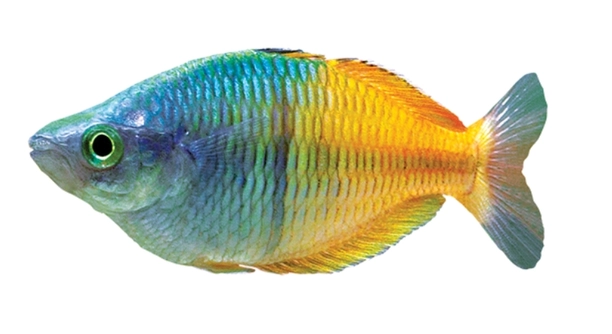
Rainbow fish are popular for their vibrant colors and playful nature, making them a favorite in many aquariums. But if you’re wondering how much they remember about their owners, you’re not alone. This article will explore that topic.
Research shows that fish, including rainbow fish, have limited memory retention. They can recognize their environment and interact with it based on repetition, but their memory span is generally short, lasting only a few seconds or minutes.
Understanding the factors behind their memory helps shed light on how they interact with their owners and their surroundings.
How Fish Process Memory
Rainbow fish, like many other species, rely on a type of memory called “habitual memory.” They learn patterns through repetition rather than recalling specific events. This means they may recognize the movements of their owners or certain routines but lack the long-term memory that humans or more complex animals have. Their primary way of learning is through experiences in their environment, such as feeding times and interactions with other fish. As they swim around, they develop associations, but these associations don’t typically last beyond a few minutes.
They are also sensitive to environmental changes. If the water temperature shifts or a new fish is added to the tank, they will quickly respond. However, these responses are more instinctual and based on immediate needs rather than memory of past experiences.
This type of memory helps rainbow fish adapt, but it limits how much they remember about their owners. They do not retain long-term personal recognition or emotional attachment like pets with higher cognitive functions.
Can They Recognize Their Owners?
While fish might not have a complex memory, they can become familiar with routine interactions. Their recognition is based on their environment and consistency in that environment.
Rainbow fish often recognize patterns such as feeding time or the presence of specific objects in their tank. They can associate the sight of their owners with food and movement. However, they won’t remember you the way a dog or cat would.
Fish like rainbow fish operate on instinct, and their recognition of you will be tied to their immediate needs. They are more likely to approach when they see you moving near their tank, expecting food or attention.
Why They Don’t Form Long-Term Bonds
Rainbow fish may not form long-term bonds with humans, but they do have a limited capacity to remember their environment. Their behavior is often linked to survival rather than emotional connection. Fish in general have evolved to be more reactive to immediate stimuli, not long-term relationships or memories. Their nervous systems are different from mammals, and thus, they don’t retain emotional memory.
Despite not forming attachments, rainbow fish thrive in stable, enriching environments where they can interact with their surroundings. Their short-term memory allows them to adapt quickly to changes, ensuring they can respond to shifts in their tank, like new objects or other fish. However, this also means that they do not retain a sense of “recognition” in the way we might hope.
How They React to Consistent Interaction
Rainbow fish react to consistency in their environment. When they experience the same actions repeatedly, like feeding or tank cleaning, they become conditioned to those events. This consistency helps them navigate their surroundings. Over time, they will likely swim toward you during feeding times, associating your presence with food. However, this recognition is short-lived, lasting only as long as the immediate interaction.
Repetitive actions, like feeding at the same time every day or tapping on the tank, lead to a predictable pattern that rainbow fish can associate with specific outcomes. They remember this routine and expect food when they see you. However, this doesn’t mean they remember you in the emotional sense; it’s more about the repetition of actions and the benefits that follow. If you change the routine, they may take time to adjust, indicating how their memory relies on consistency, not personal attachment.
While fish like rainbow fish may not recognize you as an individual, they do develop habits based on the experiences you provide. They will not remember you like a dog or cat but will react to patterns they associate with survival. Over time, they may grow accustomed to seeing you near the tank during specific times and will expect food or attention. These responses are instinctual, tied to their basic needs.
Memory and Stress Response
The stress response in rainbow fish can be linked to changes in their environment. If something sudden happens, such as a loud noise or a change in water quality, they may react quickly. Fish have an instinct to recognize danger and remember past threats, but their memory does not extend to long-term associations. Their survival instincts guide them, and their reactions are based on immediate factors.
Rainbow fish are naturally alert to shifts in their environment, whether it’s the introduction of new fish, a change in lighting, or an alteration in the tank’s temperature. These changes can trigger a response, but it’s typically based on instinct, not memory of past occurrences. The stress response, then, is a direct reaction to immediate environmental stimuli. Their memory of these events does not last long, and once the immediate threat is over, they return to their regular behavior.
Their ability to respond to stress is not tied to long-term memory but to their sensitivity to changes. This allows them to adapt quickly to new circumstances but limits their ability to remember specific interactions over time. Even though they can react to sudden changes, their long-term stress memory is minimal.
Impact of Environmental Changes
Environmental changes can disrupt a rainbow fish’s behavior. They are sensitive to alterations in water temperature, pH levels, and even light. A sudden change can make them feel stressed and disoriented. While they don’t remember the cause, they react to the immediate effects.
Even though rainbow fish can’t remember long-term changes, their bodies are designed to adapt quickly to environmental shifts. When the water temperature fluctuates or the tank is cleaned, they may show signs of stress. These immediate responses are instinctual, helping them survive rather than reflecting any memory of past events.
The Role of Tankmates
Rainbow fish do not recognize specific tankmates in the way humans recognize individuals. However, they do learn to associate certain behaviors with specific fish. Over time, they might adjust to the presence of certain species, but this recognition is based on routine rather than memory.
Tankmates can influence their behavior, especially if there’s a new addition or a shift in the hierarchy. Rainbow fish may act more cautiously if they perceive a new fish as a threat or competition. While they don’t “remember” the fish, they learn how to navigate the dynamics within their tank.
How Routine Affects Their Behavior
Routines play a big role in shaping rainbow fish behavior. They learn to expect food at certain times or react to movements in the tank. Their reactions are based on predictability, not emotional memory. A consistent routine allows them to feel comfortable and safe in their environment.
FAQ
Do rainbow fish remember their owners?
Rainbow fish do not have the capacity to remember their owners in a way that dogs or cats do. Their memory is short-term and based on instinct and routine rather than emotional attachment. They may react to you due to consistent patterns, like feeding times, but they won’t recognize you personally or form long-term bonds. Their recognition is more about associating you with food or movement rather than emotional familiarity.
Can rainbow fish recognize their tank mates?
Rainbow fish do not recognize individual tankmates as we understand recognition. They may respond to their environment and the presence of other fish, but this recognition is based on immediate behavior or interactions, not long-term memory. They may learn to associate certain behaviors with particular tankmates, such as noticing if a fish is aggressive or calm, but they don’t remember specific fish in the same way humans remember each other.
How long can rainbow fish remember something?
Rainbow fish have a limited memory span, generally lasting only a few seconds or minutes. They are capable of learning associations between actions and outcomes, such as recognizing the pattern of feeding times, but they don’t retain this information long-term. Their memory is more focused on immediate needs and environmental changes rather than remembering past events.
Do rainbow fish experience stress?
Yes, rainbow fish can experience stress, but it is usually related to changes in their environment, such as water temperature shifts, changes in tankmates, or alterations in water quality. They react to these stressors instinctively. Their response to stress is short-term and based on their survival instincts, not on memory of previous experiences.
How does feeding time affect their behavior?
Feeding time is one of the few patterns rainbow fish can recognize. They will start to associate the sight of you with food and may swim toward you when they notice you near the tank. This behavior is based on repetition and routine. However, it does not mean they “remember” you in a personal way; rather, it’s a learned behavior linked to food.
Can rainbow fish learn tricks?
Rainbow fish are not likely to learn tricks like some more intelligent pets. Their ability to learn is based on associations with their environment, not complex task-oriented learning. They can learn to associate certain actions, like movement near the tank, with food or other stimuli. However, their learning capacity is quite limited compared to more cognitively advanced pets.
Do rainbow fish interact with humans?
While rainbow fish do not form emotional bonds with humans, they do learn to recognize routines and associate your presence with feeding or other actions. They might swim toward you when they see you near the tank, anticipating food, but this is more about routine than a personal interaction. They can get used to your presence over time, especially if you’re the one feeding them regularly.
What happens if rainbow fish are stressed for too long?
If rainbow fish experience prolonged stress, they may show signs of poor health, such as a decrease in activity, loss of color, or changes in eating habits. Chronic stress can weaken their immune system, making them more susceptible to diseases. It is crucial to maintain a stable environment in their tank to avoid long-term stress.
How do rainbow fish adapt to changes in their tank?
Rainbow fish are quick to adapt to changes in their environment, such as the introduction of new tankmates or slight water changes. They react instinctively to these changes, and their memory is tied to immediate needs rather than long-term recognition. They don’t remember specific events but can adjust to new patterns or conditions as they emerge.
Can rainbow fish live with other species?
Rainbow fish can generally live peacefully with other species, especially those of similar size and temperament. They are social fish and prefer to be in groups. However, if a new fish is added to the tank, rainbow fish may initially react with caution or even aggression, depending on the dynamics of the tank. As they settle into their environment, they tend to adapt to the presence of other fish.
How do rainbow fish react to changes in water conditions?
Rainbow fish are sensitive to changes in water quality and temperature. They might show signs of stress if the water becomes too warm, too cold, or too acidic. Regular water changes and maintaining stable conditions are essential for their well-being. They react to changes by adjusting their behavior, but their memory does not allow them to remember past experiences in similar conditions.
Are rainbow fish good pets for beginners?
Rainbow fish are generally good pets for beginners. They are hardy and can adapt to various tank conditions. However, like all fish, they need a stable environment, proper tankmates, and consistent care. Their relatively simple needs make them ideal for people just starting out with fishkeeping, but attention to water quality is key.
Can rainbow fish survive in small tanks?
Rainbow fish need enough space to swim, and while they can live in smaller tanks, it is better to provide a larger environment. A tank size of at least 20 gallons is recommended for a small group. Smaller tanks can cause stress due to overcrowding or poor water quality, affecting their health.
Do rainbow fish sleep?
Yes, rainbow fish do sleep, but they don’t sleep in the same way humans do. They enter a restful state during the night, where their activity slows down significantly. They don’t need as much sleep as mammals, and their sleep cycle is regulated by the lighting in their environment.
Final Thoughts
Rainbow fish are unique creatures that thrive in well-maintained environments. While they may not remember their owners or specific tankmates, they do learn to associate actions with outcomes. Their behavior is more about instinct and routine rather than long-term memory or emotional connections. Over time, they will react predictably to certain patterns, such as feeding times or changes in their environment. However, it’s important to remember that their memory is short-lived, and their reactions are based on their immediate needs rather than past experiences.
Understanding the limits of a rainbow fish’s memory helps us take better care of them. They don’t need complex interactions to be happy, but they do rely on a consistent, stable environment. Providing regular care, maintaining proper water conditions, and feeding them on time are the best ways to keep your rainbow fish healthy. The routine will help them feel secure and adapt to changes quickly, even if they don’t remember those changes over the long term. Their ability to thrive in an environment with predictable routines is one of the main reasons they’re such easy fish to care for.
In the end, while rainbow fish may not form bonds with their owners, they still have their own way of interacting with their environment. Their instincts guide them, and they respond well to consistent care and attention. As long as you create a peaceful, stable habitat, they will live contently, making them great pets for beginner aquarium enthusiasts. Whether you’re looking for a colorful addition to your tank or a low-maintenance fish to care for, rainbow fish are a great choice, offering beauty without the need for complex emotional attachments.

Hello,
If you enjoy the content that we create, please consider saying a "Thank You!" by leaving a tip.
Every little bit helps us continue crafting quality advice that supports the health, happiness, and well-being of pets around the world, for pets of all shapes, sizes, and species.
We really appreciate the kindness and support that you show us!