
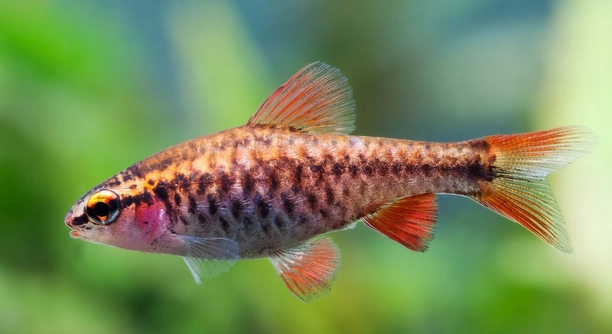
Cherry barbs are lively little fish often found in home aquariums. They are known for their vibrant colors and active nature. However, after feeding, you may notice that they become restless. This behavior can be puzzling for many owners.
Cherry barbs become restless after feeding due to a combination of factors, including their natural feeding behavior, the excitement of food intake, and potential water quality issues. This restlessness is often temporary but can indicate environmental stressors.
Understanding the reasons behind their restlessness can help you create a better environment for your cherry barbs. It’s important to consider factors like water conditions, feeding habits, and tank mates that can affect their behavior.
Why Do Cherry Barbs Act Restless After Eating?
After feeding, cherry barbs often become visibly restless, swimming erratically or darting around the tank. This behavior is quite common among many aquarium fish, especially in species like cherry barbs. In their natural habitat, they spend a lot of time foraging for food and engaging in playful interactions with their environment. When food is introduced into the tank, they may get excited or overactive.
It’s important to note that the restlessness can also signal other underlying causes, such as water quality problems or overfeeding. These factors can cause stress, which can make the fish more agitated.
One of the most common reasons for their restlessness is related to how they perceive their surroundings. In the wild, food sources can be scarce, so when food is plentiful, cherry barbs might become more energetic. This natural response can lead to them swimming rapidly, as they try to grab as much food as possible. However, this can also be a sign that the tank environment might not be entirely suitable for them. Regular water changes and proper filtration are essential for minimizing stress and keeping your cherry barbs happy.
How Overfeeding Affects Cherry Barbs
Overfeeding can contribute to agitation in cherry barbs. When you provide more food than they can consume, it can lead to poor water quality and an unbalanced environment.
Excess food left in the tank decomposes, which can cause the water to become cloudy or even toxic. This not only affects the health of your cherry barbs but also their behavior. Fish that are exposed to poor water conditions may swim restlessly due to discomfort or an inability to regulate their movements properly. It’s a good idea to feed your cherry barbs in small amounts and remove any leftover food quickly to maintain water quality.
The presence of excess food can also encourage bacteria growth, which could lead to health problems for your fish. In addition, uneaten food increases the ammonia levels in the tank, which is harmful to the fish. With an overabundance of food in the tank, cherry barbs may become stressed or overwhelmed. They may seem hyperactive as they search for more food or exhibit erratic swimming patterns. Regularly monitor the amount of food you give them and stick to a feeding schedule to avoid these issues.
Water Quality and Its Impact on Restlessness
Water quality plays a significant role in your cherry barbs’ behavior. Poor water conditions, like high ammonia or nitrate levels, can cause stress and make the fish more restless. Proper filtration and regular water changes are essential to maintaining a stable environment.
When water quality deteriorates, it can cause discomfort, leading to erratic swimming. Cherry barbs are especially sensitive to changes in their surroundings. If the water is too polluted, they may swim frantically in an attempt to find cleaner areas or escape the discomfort. Frequent water tests can help you monitor ammonia, nitrites, and nitrates, ensuring your fish stay in a healthy environment.
Temperature is another key factor. Cherry barbs prefer water between 75 and 79°F (24 to 26°C). If the water is too warm or cold, they might display restless behavior. Inconsistent water conditions, such as fluctuating pH levels, can also lead to more stress and agitation. A stable environment will keep your fish calm and comfortable.
Tank Size and Space for Movement
The size of the tank can directly affect how much space your cherry barbs have to move around. If the tank is too small, the fish may become stressed, leading to restless behavior. Providing adequate space for swimming is crucial for their overall well-being.
Cherry barbs are active swimmers and need room to explore. If they’re confined to a cramped space, they might swim in circles or dart around in frustration. Ensuring that the tank is spacious enough allows them to engage in their natural behavior and reduces restlessness. Ideally, your aquarium should be at least 20 gallons for a small group of cherry barbs, with plenty of plants and decorations to create hiding spots and territories.
In addition to the tank size, overcrowding can worsen restlessness. Too many fish in a small space can cause aggression, leading to stress and agitation in all the fish. Proper stocking density is key to maintaining harmony in the tank. A well-planted aquarium not only provides swimming space but also encourages natural foraging behavior, which can help reduce restlessness in your cherry barbs.
Feeding Habits and Their Role in Behavior
Feeding habits play a large role in how cherry barbs behave. Overfeeding or feeding the wrong types of food can cause restlessness. It’s important to offer them appropriate portions and high-quality food.
If cherry barbs are overfed, the uneaten food can cause water quality issues and make them agitated. It can also lead to bloating and discomfort, causing the fish to swim restlessly. Feeding a balanced diet with variety can help them maintain energy without leading to excessive hyperactivity or stress.
Tank Mates and Social Interactions
The type of tank mates you choose can impact your cherry barbs’ behavior. Aggressive fish or those that compete for food can create stress and increase restlessness.
Cherry barbs are peaceful and do well in community tanks with other non-aggressive species. When tank mates are overly aggressive or territorial, it can cause your cherry barbs to feel unsafe. This constant stress leads to restlessness as they try to avoid conflicts or maintain their position. Ensuring that all tank mates are compatible is important for creating a peaceful environment. Fish like tetras or rasboras are often ideal companions for cherry barbs.
Lighting and Its Effect on Cherry Barb Behavior
Lighting conditions can also affect how cherry barbs behave after feeding. If the lighting is too bright or too dim, it can lead to anxiety or restlessness in the fish.
Bright lights often make cherry barbs feel exposed and stressed, causing them to swim erratically. On the other hand, very low lighting can make them feel unsafe, triggering restless movements as they search for food or shelter. Keeping the lighting on a regular cycle helps mimic their natural environment, promoting calm and stable behavior.
FAQ
Why are my cherry barbs swimming in circles after eating?
Swimming in circles after eating is a common behavior for cherry barbs, and it is often linked to their excitement about food. After feeding, they may swim erratically as part of their natural foraging instincts, trying to grab more food. However, if this behavior continues for long periods or seems excessive, it could also be a sign of stress or poor water quality. It’s important to monitor the water conditions and ensure that they are in an optimal range to prevent agitation.
How much should I feed my cherry barbs?
Feeding cherry barbs should be done in moderation to avoid overfeeding, which can lead to both restlessness and poor water quality. A good rule of thumb is to feed them only as much as they can eat in 2-3 minutes, once or twice a day. Overfeeding can cause uneaten food to pollute the water, and leftover food leads to ammonia spikes. This is stressful for your fish and can contribute to erratic behavior.
Can tank size affect my cherry barbs’ behavior?
Yes, the size of the tank directly affects the behavior of cherry barbs. If the tank is too small, the fish may feel cramped and stressed, which can lead to restlessness. Cherry barbs are active swimmers, so they need space to move around freely. A tank that is too small also makes it harder to maintain stable water conditions, which can further increase stress. Ideally, you should keep a group of cherry barbs in a tank that is at least 20 gallons in size.
Why do my cherry barbs swim to the surface after eating?
Cherry barbs sometimes swim to the surface after eating because they’re looking for more food. This could be due to the excitement they feel when food is introduced to the tank. However, if they consistently swim to the surface after eating and seem overly eager to feed, it may indicate that they are not getting enough food or that their environment is causing them stress. Always ensure your cherry barbs are getting proper portions and high-quality food.
Is it normal for cherry barbs to get territorial?
Cherry barbs are generally peaceful, but they can become territorial, especially during feeding times or if they are housed with more aggressive species. Male cherry barbs, in particular, may become more territorial when they’re establishing dominance or during breeding season. If you notice that one of your fish is becoming overly aggressive toward others, you might want to provide more hiding spots or rearrange the tank to reduce territorial behavior.
How do water temperature fluctuations affect my cherry barbs?
Water temperature fluctuations can stress your cherry barbs and lead to restlessness. They prefer water temperatures between 75 and 79°F (24-26°C). If the temperature dips below or rises above this range, it can cause discomfort, making them more active and less calm. Sudden changes in temperature are especially stressful, so it’s important to maintain a stable, consistent environment. Use an aquarium heater with a thermometer to monitor the water temperature.
Can cherry barbs get stressed from lighting?
Yes, cherry barbs can become stressed if the lighting is too bright or too dim. Bright lights often make them feel exposed, while low lighting can cause them to feel insecure. Both extremes can lead to restlessness as they search for shelter or swim anxiously. Providing a natural day-night cycle with moderate lighting will help them feel more comfortable and relaxed. It’s also a good idea to give them some shaded areas in the tank where they can retreat if needed.
What is the best type of food for cherry barbs?
Cherry barbs thrive on a balanced diet of both plant-based and protein-rich foods. High-quality flake food or pellets formulated for tropical fish is a good base. Supplement their diet with occasional treats like live or frozen brine shrimp, daphnia, or bloodworms. You can also add some blanched vegetables like zucchini or spinach to their diet. A varied diet ensures they get the nutrients they need and helps reduce stress. Overfeeding high-protein food can cause bloating, so moderation is key.
Are cherry barbs schooling fish?
Yes, cherry barbs are schooling fish. They feel safest when kept in groups of at least five or more. In a group, they tend to display calmer and more natural behavior, swimming together and engaging in social interactions. Keeping them in small groups or alone can lead to stress, causing them to become more restless and anxious. A group also makes them feel more secure, reducing territorial behaviors and enhancing their overall well-being.
Can my cherry barbs’ behavior be linked to tank mates?
Yes, the presence of other fish can significantly influence the behavior of cherry barbs. Aggressive or overly dominant tank mates can cause stress and result in restless behavior. Similarly, if there is competition for food, your cherry barbs might become more frantic after feeding. It’s important to choose tank mates that are peaceful and compatible with cherry barbs, such as tetras, rasboras, or peaceful gouramis. Avoid keeping them with fin-nipping or aggressive species.
What are signs that my cherry barbs are stressed?
There are several signs that your cherry barbs may be stressed. Restlessness, erratic swimming, and hiding excessively can indicate stress. You may also notice them rubbing against tank decorations, a sign of possible irritation or discomfort. Faded colors or changes in their eating habits are also signs of stress. Maintaining good water quality, proper tank size, and compatible tank mates will help reduce these stressors. If symptoms persist, it’s important to check water parameters and the overall tank setup.
Final Thoughts
Cherry barbs are active and playful fish that are often a delight to keep in an aquarium. However, like all fish, they can show certain behaviors that may seem puzzling at times, especially after feeding. Restlessness in cherry barbs is common, and it often stems from natural instincts, excitement over food, or stress caused by environmental factors. Understanding these factors is important for any aquarium owner. By observing their behavior and ensuring their living conditions are optimal, you can help your cherry barbs live a healthier, more comfortable life.
The restlessness after feeding can be largely attributed to their excitement about food, a natural behavior in many fish species. This excitement is amplified when food is introduced, causing them to swim erratically in an attempt to catch as much as possible. While this behavior is normal to an extent, it’s essential to keep a few things in mind. Overfeeding can lead to water quality issues, which can contribute to stress and even more erratic swimming. Proper feeding practices, such as offering the right amount of food and removing leftovers, will help reduce unnecessary agitation. Also, maintaining a clean and stable tank is vital for ensuring your cherry barbs’ well-being.
In addition to feeding habits, factors like tank size, water quality, and tank mates play a significant role in their behavior. Cherry barbs thrive in well-maintained environments with stable water conditions. Tank overcrowding and poor water quality can make them feel stressed, causing increased restlessness. It’s also important to note that cherry barbs are social fish, so keeping them in groups can help minimize stress and allow them to express natural behaviors. By taking care of the tank’s environment and understanding the needs of cherry barbs, you can reduce any unsettling behaviors and enjoy a peaceful and happy aquarium.

Hello,
If you enjoy the content that we create, please consider saying a "Thank You!" by leaving a tip.
Every little bit helps us continue crafting quality advice that supports the health, happiness, and well-being of pets around the world, for pets of all shapes, sizes, and species.
We really appreciate the kindness and support that you show us!