
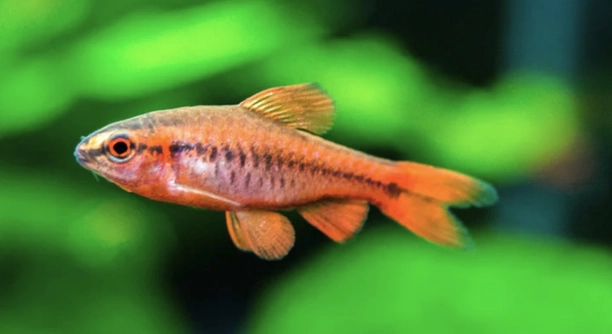
Cherry Barbs and Rasboras are both popular freshwater fish, known for their vibrant colors and peaceful nature. Many aquarium enthusiasts wonder if these species can coexist in the same tank without issues.
Cherry Barbs and Rasboras can generally be kept together in a community tank. Both species are peaceful, prefer similar water conditions, and thrive in schools. However, careful attention to tank size and the ratio of fish is important to prevent any aggression.
Understanding their compatibility will help you create a harmonious environment for both species. Proper care and attention to their needs can lead to a peaceful tank setup.
Cherry Barbs and Rasboras: Key Considerations for Coexistence
When considering keeping Cherry Barbs and Rasboras together, it’s important to ensure the tank meets the needs of both species. Cherry Barbs are known for their calm nature, while Rasboras are generally peaceful as well. Both enjoy similar water conditions—slightly acidic to neutral, with temperatures ranging from 72°F to 80°F. However, keeping a good balance in the tank size is crucial. Overcrowding can cause stress and even lead to aggression, especially when fish are trying to claim territory. Also, ensure the tank is well-planted, as both species enjoy swimming in lush environments.
Maintaining stable water conditions and providing enough space for both species will help create a peaceful community. If you meet these requirements, you’ll likely see the fish thrive together.
Adding plenty of hiding spots will also reduce any territorial behavior. Be mindful of the fish ratio, as both species do best in schools. Aim for groups of at least six fish per species.
Tank Size and Setup
The right tank size is essential for keeping Cherry Barbs and Rasboras together. A tank of at least 20 gallons will give both species enough space to swim and avoid overcrowding.
For a peaceful environment, focus on water quality and the amount of swimming space. Both species enjoy being in schools, so a larger tank allows for multiple fish to be added without causing stress. Adding plants like Java Fern or Anubias can create hiding spots, helping the fish feel secure. Avoid sharp decorations that may cause injuries.
A tank with smooth, rounded edges helps prevent injury, while plants can provide shelter and reduce aggression. Both species also enjoy slow-moving water, so a gentle filter is ideal. The goal is to create a calm space that mimics their natural habitat.
Monitoring Behavior and Tank Health
Pay attention to the behavior of both fish species. If you notice any signs of aggression, such as fin nipping or chasing, it could be a sign that the tank is too small or the water conditions need adjusting.
Cherry Barbs and Rasboras are generally peaceful, but stress can cause behavioral changes. Ensure the water temperature is stable and maintain proper filtration. Regular water changes are essential for keeping the tank healthy. If you see any signs of disease, such as faded colors or unusual swimming patterns, address them immediately. Keeping an eye on the fish’s health ensures a happy, thriving tank.
Feeding Cherry Barbs and Rasboras
Both Cherry Barbs and Rasboras are omnivores and will thrive on a varied diet of high-quality flakes, pellets, and live foods. Feed them a balanced mix to maintain their health.
While they enjoy flake food, supplementing with live or frozen foods like brine shrimp or daphnia adds variety. It’s important not to overfeed, as excess food can lead to water quality issues.
Keep feeding times consistent and avoid overfeeding. Both species have small appetites, so a small portion once or twice a day is enough. Remember to monitor uneaten food and remove it after a few minutes.
Compatibility with Other Fish
Cherry Barbs and Rasboras are peaceful, making them suitable tank mates for a variety of other species. However, avoid aggressive fish that may stress them.
Fish like peaceful tetras, small corydoras catfish, or other similarly-sized community fish work well. Be sure to observe how the fish interact. Even peaceful species can show aggression under stressful conditions. If they show signs of stress, consider adjusting the tank environment.
FAQ
Can Cherry Barbs live with other peaceful fish?
Yes, Cherry Barbs can live with other peaceful fish. They are generally calm and non-aggressive, making them great community tank fish. Avoid aggressive species, as they may stress or harm the Cherry Barbs. Ideal tank mates include Rasboras, tetras, corydoras, and other peaceful community fish.
Do Cherry Barbs need a specific tank setup?
While Cherry Barbs are adaptable, they do best in a well-planted tank with ample swimming space. Use soft, slightly acidic water, and maintain a stable temperature between 72°F and 80°F. Including plants and hiding spots helps them feel secure, reducing stress.
Are Rasboras easy to care for?
Yes, Rasboras are low-maintenance fish. They require a similar tank setup as Cherry Barbs, preferring slightly acidic to neutral water and a temperature range of 72°F to 80°F. Rasboras thrive in groups, so always keep at least six to reduce stress and promote natural behavior.
How many Cherry Barbs and Rasboras can I keep together?
The number of Cherry Barbs and Rasboras you can keep together depends on your tank size. A 20-gallon tank can comfortably house a school of each species, though larger tanks allow for more fish. A good rule of thumb is to keep at least six of each species to ensure they feel secure.
Do Cherry Barbs and Rasboras need a filter?
Yes, both Cherry Barbs and Rasboras benefit from a filter to maintain clean water. A gentle filter works best, as both species prefer slow-moving water. Regular water changes are important to keep the tank healthy and the fish stress-free.
What should I feed Cherry Barbs and Rasboras?
Both species are omnivores and enjoy a varied diet. Offer a mix of high-quality flakes, pellets, and live or frozen foods like brine shrimp or daphnia. Be careful not to overfeed, as leftover food can lead to poor water quality.
How can I tell if Cherry Barbs or Rasboras are stressed?
Signs of stress in Cherry Barbs and Rasboras include faded colors, erratic swimming, and hiding more than usual. Stress can be caused by overcrowding, poor water quality, or incompatible tank mates. If you notice these behaviors, check the water parameters and ensure the tank setup is ideal.
Can I breed Cherry Barbs and Rasboras in the same tank?
Breeding Cherry Barbs and Rasboras in the same tank is possible but may be challenging. Both species are egg layers, but you’ll need to provide separate breeding areas to avoid competition. Ensure plenty of plants and hiding spots, and be prepared for fry to survive.
How long do Cherry Barbs and Rasboras live?
Both species have a similar lifespan. Cherry Barbs can live for about 3 to 5 years, while Rasboras generally live 4 to 6 years with proper care. Tank conditions such as water quality, temperature, and diet affect their longevity.
Can I keep Cherry Barbs and Rasboras in a smaller tank?
While it’s possible to keep Cherry Barbs and Rasboras in a smaller tank, a larger one is always preferable. A minimum of 20 gallons is recommended to provide enough space for both species to swim and thrive. Smaller tanks can lead to overcrowding and stress.
What are common health issues for Cherry Barbs and Rasboras?
Common health issues for both species include fin rot, ich, and swim bladder disease. These can be prevented by maintaining good water quality, feeding a balanced diet, and avoiding overcrowding. If a fish shows symptoms, isolate it to prevent the spread of disease.
Do Cherry Barbs and Rasboras need special lighting?
Cherry Barbs and Rasboras do not require special lighting but do best with moderate lighting. Avoid very bright lights that can stress the fish. A gentle light mimics natural conditions, helping to maintain their health and encouraging natural behaviors.
Are Cherry Barbs or Rasboras more active?
Both species are active but not overly so. Cherry Barbs are generally more active during feeding times, while Rasboras tend to swim calmly in schools. Both species are peaceful and will spend much of their time swimming through plants or resting.
Can I mix Cherry Barbs and Rasboras with shrimp?
Yes, you can mix Cherry Barbs and Rasboras with shrimp, but be cautious. Both species are generally peaceful, but larger shrimp may be targeted by the fish, especially if they are small or molting. Species like cherry shrimp or Amano shrimp are usually safe.
Do Cherry Barbs and Rasboras need a heater?
Yes, both species thrive in warmer water. A heater is necessary to maintain a stable temperature between 72°F and 80°F. Regularly check the temperature to ensure it stays within the preferred range, as fluctuations can cause stress.
Final Thoughts
Cherry Barbs and Rasboras are peaceful fish that can live together in the right environment. Both species are well-suited for community tanks, making them great choices for beginners or those looking to add colorful, active fish to their setup. With the proper care, they will thrive and offer beauty and movement to the aquarium. However, creating an ideal tank setup that suits both species is key to ensuring their happiness and health.
Tank size is an important factor when keeping Cherry Barbs and Rasboras together. A larger tank, preferably 20 gallons or more, provides enough space for these fish to swim and reduces stress. Both species prefer planted tanks with plenty of hiding spots to feel secure. Maintaining stable water conditions, including appropriate temperature, pH, and filtration, is also crucial. Regular water changes and monitoring water quality will help prevent potential issues that could harm the fish.
These fish also benefit from a balanced diet that includes flakes, pellets, and occasional live or frozen food. While they are easy to feed, it’s important not to overfeed, as leftover food can cause water quality problems. By observing their behavior and ensuring they are not stressed, you can help Cherry Barbs and Rasboras live long, healthy lives. Their peaceful nature and compatibility with other community fish make them a wonderful addition to any aquarium setup.

Hello,
If you enjoy the content that we create, please consider saying a "Thank You!" by leaving a tip.
Every little bit helps us continue crafting quality advice that supports the health, happiness, and well-being of pets around the world, for pets of all shapes, sizes, and species.
We really appreciate the kindness and support that you show us!