
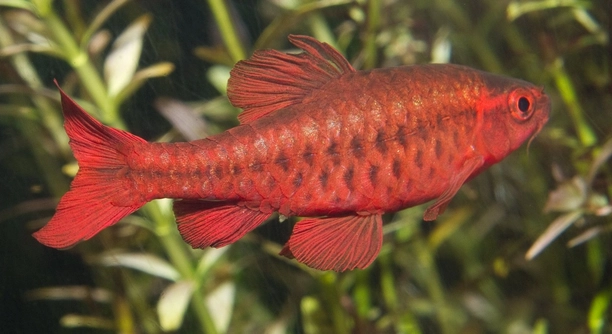
When introducing new cherry barbs to your aquarium, it’s essential to ensure their safety and health. Quarantining new fish is a good practice that can prevent potential problems for both the newcomers and the established tank residents.
Quarantining new cherry barbs helps prevent the spread of diseases, parasites, and pests to your main tank. It gives you time to monitor the fish for any signs of illness and treat them before introducing them to the rest of the tank.
Understanding the importance of proper quarantine procedures can save you from unnecessary stress and potential losses. The following points will highlight the key reasons why quarantining your new cherry barbs is a crucial step.
The Risk of Introducing Diseases to Your Tank
When new cherry barbs are placed directly into your main tank, there’s a risk of bringing in diseases that could affect your existing fish. These diseases might not show symptoms immediately but can spread quickly once they are introduced. This is particularly concerning for fish that have been living in a controlled, disease-free environment. Quarantining the fish for a period allows you to spot any symptoms and treat them before they affect your entire aquarium population.
Without proper quarantine, any new fish could be a vector for diseases like white spot disease, fin rot, or even parasites. These issues might go unnoticed for weeks and cause serious problems. A simple quarantine procedure can prevent this from happening.
Quarantining also helps you acclimate your cherry barbs to the water parameters of your tank. During this time, you can observe their behavior and ensure they are adapting well. This not only ensures their health but also minimizes stress.
Monitoring for External and Internal Pests
External pests like anchor worms or external parasites can easily hitch a ride on newly introduced fish. Quarantine allows you to treat these pests before they can spread.
Internal pests, such as intestinal worms or protozoans, are harder to detect. Quarantining provides a safe environment for proper treatment, avoiding the risk of contamination for other fish. Ensuring your new barbs are free of any parasites or pests is critical for maintaining a healthy tank.
Preventing Stress and Aggression in Your Main Tank
Cherry barbs are generally peaceful fish but can still be affected by the presence of aggressive or stressed tank mates. Introducing new fish to a main tank too soon can disrupt the balance of your aquarium. When cherry barbs are first quarantined, they have time to acclimate to the water and environment without interference. This helps reduce stress, allowing them to enter the main tank in a calmer state. It also gives you a chance to monitor their compatibility with other fish, ensuring that they won’t cause disruptions once they are introduced.
Keeping new fish in a separate tank for a short time also lets them recover from any transport stress. When fish are shipped or moved, they often undergo a period of stress that can make them more susceptible to disease. Quarantining allows them to stabilize and adjust before being introduced into the main tank’s ecosystem.
The Importance of Monitoring Water Quality
Maintaining stable water quality is essential for the health of your new cherry barbs. Quarantine provides an opportunity to check water parameters without affecting the main tank. During this period, you can ensure that temperature, pH, and hardness are optimal for the fish.
In quarantine, you have the chance to observe if your cherry barbs are responding well to the water conditions. You can quickly make adjustments, such as adding more aeration or adjusting the temperature, without worrying about upsetting other tank residents. Any sudden shifts in water quality are easier to manage in isolation.
By giving new cherry barbs time to adjust in quarantine, you also reduce the risk of shock or stress. In the main tank, fluctuations in water parameters can be more disruptive to the balance, affecting your existing fish. Quarantining helps prevent this while giving you control over the new fish’s transition.
Reducing the Risk of Contamination
New fish may carry bacteria or fungi that can thrive in the presence of other tank residents. A quarantine period helps prevent cross-contamination in your main tank. This way, diseases and pests are kept isolated.
If these pathogens are not identified during the introduction, they can spread quickly and infect the entire aquarium. Once symptoms appear, it may be too late to control the situation. Quarantining gives you a safe space to treat any issues before they affect your main tank’s environment. Proper treatment during quarantine ensures that only healthy fish make it into your established tank.
You also reduce the risk of potential contamination by preventing stress on your main tank’s existing fish. Stress makes fish more vulnerable to illness, and introducing sick or weakened fish can create a breeding ground for issues. Quarantine helps you monitor and eliminate the risks before adding new cherry barbs to the tank.
Easier Observation of Behavior and Health
In quarantine, you have a clear view of your new cherry barbs’ behavior and health. It’s easier to spot any issues, like unusual swimming patterns or lack of appetite, that could indicate illness.
Observing their behavior in isolation also allows you to identify any stress signs that might not be noticeable in a crowded tank. Cherry barbs are often more relaxed in quarantine, giving you a better chance to monitor them closely. This early detection helps prevent problems from escalating once they enter the main tank.
Adjusting Their Diet and Environment
Quarantine lets you try different types of food to see what your cherry barbs prefer and respond well to. This helps prevent any dietary issues in the main tank.
You can also observe how they interact with their environment. If they seem to be avoiding certain areas or objects, it might be worth adjusting the setup before introducing them to the main tank. This ensures they feel comfortable and secure in their new home.
Reducing the Chance of Overcrowding
When new fish are added too quickly, it can lead to overcrowding. This stresses out both the newcomers and the existing tank members. Quarantine allows you to space out your fish introductions.
Introducing fish one at a time gives everyone time to adjust, creating a more harmonious environment. It’s important to avoid adding too many fish at once, which can lead to territorial disputes or water quality issues. Quarantine helps with a smoother transition for everyone involved.
FAQ
Why should I quarantine new cherry barbs?
Quarantining new cherry barbs is essential to prevent introducing diseases, parasites, and pests to your established tank. It provides a controlled environment where you can monitor their health, behavior, and adjust their care before they mix with your other fish. This prevents potential outbreaks that could affect the entire tank.
How long should I quarantine cherry barbs?
A typical quarantine period lasts around 2 to 4 weeks. During this time, you can observe the new fish for any signs of illness, parasites, or abnormal behavior. If no issues arise, they can be safely introduced to the main tank. However, extending the quarantine period may be necessary if any problems are detected.
What should I do if I notice a problem during quarantine?
If you notice signs of illness or stress in your cherry barbs, it’s important to address the issue immediately. Depending on the problem, you may need to treat them with medication or adjust their environment. Keep them in quarantine until they fully recover, ensuring they won’t affect your main tank.
Can I quarantine multiple fish together?
It’s generally best to quarantine new fish separately to prevent the spread of any potential diseases between them. If you need to quarantine more than one fish, ensure that the quarantine tank is large enough and that each fish can be monitored individually.
What is the best setup for a quarantine tank?
A simple quarantine tank setup includes a small, bare-bottom tank with a heater and a filter. The lack of decorations reduces hiding places, making it easier to observe the fish. Use a sponge filter to maintain water quality without stressing the fish too much.
Do I need to treat the water differently in quarantine?
Yes, the water parameters should be checked regularly. Ensure the temperature, pH, and hardness are appropriate for your cherry barbs. If necessary, adjust the water to match the conditions of your main tank, but avoid making drastic changes that could stress the fish.
Should I use medications in the quarantine tank?
It’s not always necessary to use medications in a quarantine tank unless you notice signs of illness. However, it’s a good idea to have general fish medications on hand, such as anti-parasitic or anti-fungal treatments, in case issues arise during the quarantine period.
Can I add plants to the quarantine tank?
Plants can be added to the quarantine tank, but keep in mind that they can provide hiding spots where you might miss signs of illness. Additionally, live plants can carry pests or diseases from other tanks. If you choose to add plants, make sure they’re clean and disease-free.
What should I do if the cherry barbs are stressed during quarantine?
Stress can be caused by poor water quality, overcrowding, or not enough hiding places. Ensure that the water conditions are ideal and avoid overfeeding. If stress continues, check if the tank setup is too harsh or if tankmates are causing tension. Providing some simple plants or decorations can help reduce stress levels.
Can quarantine tanks be used for other fish in the future?
Yes, quarantine tanks can be used for other fish in the future. However, it’s essential to clean the tank thoroughly between uses to prevent cross-contamination. Scrub all surfaces, change the water, and disinfect the tank before introducing new fish.
Do I need to do water changes in the quarantine tank?
Yes, regular water changes are crucial to maintain good water quality. Since quarantine tanks often have fewer plants and biological filtration, it’s important to change about 20-30% of the water every few days. This helps keep the water clean and reduces the risk of disease.
Can I add medications to the quarantine tank?
Medications can be added if you observe symptoms of illness in your cherry barbs. Always use medications specifically designed for freshwater fish, and follow the instructions carefully. It’s important to monitor how the fish react to any treatment and ensure the medication does not harm them further.
What are common diseases to look out for in cherry barbs?
Common diseases in cherry barbs include ich (white spot disease), fin rot, and velvet disease. Ich is characterized by white spots on the body and fins, while velvet disease causes a dusty gold or brown appearance. Regular observation during quarantine will help catch these issues early.
Can I introduce cherry barbs to my main tank if they show no symptoms during quarantine?
If your cherry barbs show no symptoms of illness during quarantine and have adjusted well to the water conditions, they can be safely introduced to the main tank. However, always acclimate them slowly to avoid shock from changes in water parameters.
What if I want to quarantine more than one species?
If you want to quarantine multiple species, it’s best to separate them to avoid any potential aggression or cross-contamination. Each species may have different health requirements, so giving them their own space will make it easier to monitor them individually for any signs of illness.
Do cherry barbs need special care during quarantine?
Cherry barbs don’t require special care during quarantine, but it’s important to ensure their water conditions are optimal. They are sensitive to changes in their environment, so keeping the water stable and observing them for any behavioral changes is crucial for their health.
How do I handle feeding in the quarantine tank?
Feed your cherry barbs lightly to avoid water pollution. Overfeeding can lead to poor water quality, which stresses the fish. A small amount of food once or twice a day is usually enough. Monitor how much they eat and remove any leftover food to maintain clean water.
What are the signs that cherry barbs are ready to move to the main tank?
Once your cherry barbs have been in quarantine for 2 to 4 weeks without showing signs of illness or stress, they’re likely ready for the main tank. Make sure they’re acclimated to the water conditions, healthy, and eating well before transferring them.
Final Thoughts
Quarantining new cherry barbs is a simple yet effective way to protect the health of your aquarium. It provides a safe space to monitor the fish for any signs of illness or stress, preventing potential outbreaks in your main tank. Without quarantine, any hidden diseases or parasites could quickly spread to other fish, disrupting the balance and causing unnecessary harm. By dedicating time and effort to quarantine, you ensure a smoother introduction and help maintain a healthier environment for all your aquatic pets.
While quarantining new fish may seem like an extra step, it’s a precaution that can save a lot of trouble in the long run. The process doesn’t require complex setups or a lot of effort but yields important benefits. With the right conditions, your cherry barbs will thrive in quarantine, and you’ll have the opportunity to identify any issues before they affect the entire tank. This method provides peace of mind, knowing that your main aquarium remains free from any potential health risks.
Incorporating quarantine into your routine also allows you to observe your new cherry barbs more closely. You can better understand their behavior, eating habits, and any specific needs they may have. Over time, this attention to detail helps create a more balanced and harmonious tank environment. Though it may seem like an added task, the health and well-being of your fish are worth the extra care. With quarantine, you set your fish up for long-term success, ensuring they live healthy and happy in their new home.

Hello,
If you enjoy the content that we create, please consider saying a "Thank You!" by leaving a tip.
Every little bit helps us continue crafting quality advice that supports the health, happiness, and well-being of pets around the world, for pets of all shapes, sizes, and species.
We really appreciate the kindness and support that you show us!