
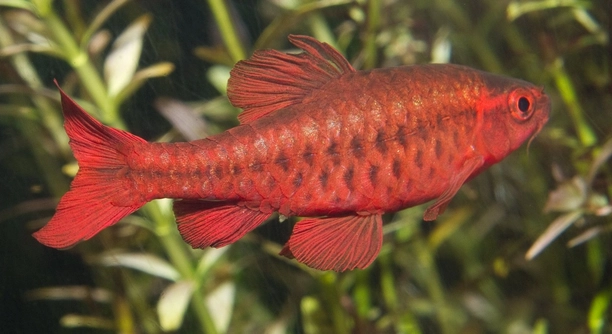
Cherry barbs are a popular aquarium fish. Sometimes, you might notice your cherry barb resting on the substrate. This behavior can be puzzling for fish owners, as it can signal different health or environmental factors.
Resting on the substrate can indicate several causes, including stress, water quality issues, or illness. Poor water conditions, temperature fluctuations, or inadequate tank mates can contribute to this behavior. It is essential to monitor these factors for your fish’s health.
Understanding why your cherry barb is resting can help improve its care and environment. Proper water conditions and observation are crucial for its well-being.
Water Quality and Temperature
Water quality plays a crucial role in the health of your cherry barb. Poor water conditions can cause stress and lead to abnormal behavior, such as resting on the substrate. Regular water changes and proper filtration are key to maintaining a stable environment. Test the water for pH, ammonia, nitrite, and nitrate levels to ensure they fall within the appropriate range for your cherry barb. Temperature is another factor to consider. Cherry barbs thrive in temperatures between 74°F and 80°F (23°C to 27°C). Fluctuations outside of this range can lead to lethargy and other health problems.
Proper filtration and water changes are necessary to reduce toxins and ensure oxygen levels stay adequate. Clean water reduces the chances of your cherry barb feeling stressed or weak. Monitoring these aspects can make a significant difference in how your fish behaves. Keeping a stable environment helps your fish remain active and healthy, reducing the likelihood of them resting on the substrate.
Stress Factors
Stress can cause your cherry barb to rest on the substrate. Factors like aggressive tank mates or overcrowding can make the environment unpleasant.
If your tank is too crowded, your cherry barb might not have enough space to swim around freely. Stress from other fish can also cause this resting behavior, as they feel threatened. It’s essential to provide enough space for all the fish in the tank. Adding hiding spots like plants or rocks can also help reduce stress.
Creating a peaceful environment is key to keeping your cherry barb active. When they are comfortable and not stressed, they are less likely to stay on the substrate for long periods.
Illness and Disease
Illness can make your cherry barb lethargic and lead to resting on the substrate. Common conditions like fin rot or internal parasites affect their behavior. If you notice other signs such as discoloration, loss of appetite, or clamped fins, the fish might be sick.
Infections or parasites can cause significant discomfort, which might make your cherry barb spend more time on the substrate. Treating the tank with appropriate medications based on the symptoms is essential. If the condition persists, separating the sick fish into a quarantine tank may be necessary to prevent the spread of disease. Pay attention to any abnormal signs and act quickly.
A key part of preventing illness is maintaining good tank hygiene. Regular water changes, cleaning the substrate, and removing uneaten food can reduce the chances of disease. Healthy, clean water helps strengthen the immune system of your cherry barb, lowering the risk of infection and making it less likely to rest on the substrate.
Inadequate Tank Size
The size of the tank can directly impact your cherry barb’s health and behavior. A cramped space limits their ability to swim and explore, leading to stress. If the tank is too small for the number of fish, they may rest more often.
When a tank is too small, the fish may not get enough exercise, which can make them inactive. For cherry barbs, a tank of at least 20 gallons is recommended, especially if you’re keeping multiple fish. This size provides enough space for swimming and reducing stress. It also helps in maintaining stable water parameters.
A larger tank offers the opportunity for more plants, decorations, and hiding spots. This helps reduce stress and improves overall water quality. Giving your fish room to move freely helps prevent boredom and promotes a more natural, healthy environment. If your fish seem to be resting frequently, the tank size might be a factor to reconsider.
Poor Water Circulation
Insufficient water flow can lead to stagnant areas in your tank, which can stress your cherry barb. Fish prefer mild to moderate water movement, and a lack of it can make them uncomfortable. This can result in resting behavior.
Proper water circulation ensures oxygen is distributed evenly throughout the tank. Adding a water pump or adjusting the filter output can improve the movement, making the environment more suitable for active fish. Check the current flow to see if it matches the needs of your cherry barb. This simple adjustment can improve their behavior.
Incompatible Tank Mates
Aggressive or overly active fish can stress your cherry barb, leading to inactivity. These fish may bully or chase your barb, causing it to retreat to the substrate for safety.
It’s important to choose peaceful tank mates for your cherry barb, as aggression can quickly lead to stress. Look for species that share similar water preferences and temperament. Smaller, more docile fish make better companions. Keep an eye on the dynamics between your fish, and separate any overly aggressive ones to maintain a peaceful tank environment.
Inappropriate Lighting
Incorrect lighting can disrupt the natural rhythm of your cherry barb. Too bright or too dim lighting might cause stress and make your fish more likely to rest on the substrate.
Fish, like your cherry barb, thrive in environments that mimic their natural habitat. Providing moderate lighting that is not too harsh or dim can help regulate their behavior. Adding light for about 10-12 hours a day can help maintain a natural day-night cycle. If the lighting is too intense, consider using a light timer to avoid overstimulation.
FAQ
Why is my cherry barb resting on the substrate?
Your cherry barb might be resting on the substrate due to various factors. Common reasons include poor water quality, incorrect water temperature, or stress from other fish. Illness can also be a contributing factor, as sick fish tend to be lethargic. Pay attention to other symptoms, such as loss of appetite, discoloration, or abnormal swimming behavior. If these signs are present, checking your tank’s water quality, temperature, and the health of your fish is crucial. A tank with enough space, appropriate water conditions, and compatible tank mates can also help keep your cherry barb active.
Can cherry barbs recover from being stressed?
Yes, cherry barbs can recover from stress if the underlying cause is addressed. Reducing stressors such as overcrowding, aggressive tank mates, or poor water quality can significantly improve their well-being. Ensuring they have a proper diet, clean water, and a peaceful environment will help your fish return to a healthier, more active state. Sometimes, it takes a few days for cherry barbs to show signs of improvement, but with the right care, they will become more active and return to normal behavior.
How often should I check the water quality for my cherry barb tank?
Checking water quality at least once a week is ideal for maintaining a healthy tank. Regular testing for pH, ammonia, nitrites, and nitrates ensures that the water remains within safe parameters for your cherry barbs. If you have a heavily stocked tank or notice any signs of distress in your fish, testing the water more frequently, such as every few days, is beneficial. Consistent water quality testing prevents issues from developing and ensures your fish stay in optimal conditions.
What temperature is best for cherry barbs?
Cherry barbs thrive in water temperatures between 74°F and 80°F (23°C to 27°C). Keeping the water temperature within this range promotes their health and activity levels. Extreme fluctuations in temperature, whether too hot or too cold, can stress your fish and cause them to become lethargic. Using a reliable aquarium heater with a thermometer is recommended to maintain a consistent and safe temperature.
How do I improve the water circulation for my cherry barb?
To improve water circulation, consider adding a filter with adjustable flow or a water pump. Cherry barbs enjoy mild to moderate water movement, so aim for a gentle current that doesn’t overwhelm them. Placing the filter or pump in a position that creates even flow throughout the tank is key. If you notice stagnant areas where debris collects, it may be a sign that the circulation is not ideal. Proper water movement ensures that oxygen is distributed evenly, and your cherry barbs will feel more comfortable and active.
What tank mates are best for cherry barbs?
Cherry barbs are peaceful fish and do well with other calm species. Good tank mates include other small, non-aggressive fish like tetras, guppies, or rasboras. Avoid keeping them with larger, more aggressive fish that might intimidate them or cause stress. When choosing tank mates, also consider the water temperature, pH, and overall tank size to ensure compatibility. Providing hiding spots and plants can also help your cherry barb feel secure among other fish.
Can poor lighting affect my cherry barb?
Yes, poor lighting can affect your cherry barb’s behavior. Too much light can cause stress, while too little light can disrupt their natural day-night cycle. Cherry barbs thrive with moderate lighting, similar to their natural environment. Using a light timer to provide about 10-12 hours of light each day helps maintain a healthy rhythm. Additionally, avoid placing the tank in direct sunlight, as it can lead to algae growth and affect water quality.
How do I know if my cherry barb is sick?
Signs that your cherry barb may be sick include abnormal swimming patterns, loss of appetite, faded or discolored coloration, clamped fins, or frequent resting on the substrate. If your fish shows any of these signs, it’s important to test the water quality first. Poor water conditions are often the cause of illness. If the water is fine, the fish may need treatment for parasites or bacterial infections. Isolating sick fish in a quarantine tank can prevent the spread of disease to other tank members.
Is it normal for cherry barbs to rest often?
Occasional resting is normal for cherry barbs, as they may rest on the substrate from time to time. However, if this behavior becomes frequent, it could indicate stress, illness, or poor water conditions. Monitor their behavior for other signs, such as lethargy, lack of appetite, or abnormal swimming. Keeping the tank environment stable, providing a balanced diet, and ensuring proper water quality can help keep them more active and healthy.
How can I prevent my cherry barb from being stressed?
To prevent stress, maintain good water quality, keep the tank clean, and ensure your cherry barb is not overcrowded. Avoid aggressive tank mates and provide plenty of hiding spots and plants. Regularly monitor the tank’s water parameters and keep the temperature stable. If you notice your cherry barb is frequently resting or hiding, reassess the tank conditions and make necessary adjustments. Stress is often caused by poor tank conditions, so creating a peaceful, well-maintained environment will help your fish feel secure.
Final Thoughts
Cherry barbs are generally active and peaceful fish that enjoy a calm and well-maintained environment. If your cherry barb is resting frequently on the substrate, it’s important to assess the conditions of the tank. Poor water quality, incorrect temperature, and stress from tank mates are common reasons behind this behavior. Monitoring the water parameters, maintaining a consistent temperature, and providing compatible tank mates can help prevent unnecessary stress and ensure that your cherry barb remains healthy and active.
Providing a suitable habitat for your cherry barb is key to their well-being. This includes ensuring that the tank is spacious enough, the water is clean, and there is adequate circulation. A stable environment helps maintain their energy levels and prevents them from becoming lethargic. Lighting also plays a role in their behavior, as too much or too little light can disrupt their natural rhythms. By adjusting the lighting and offering hiding spots, you can help your fish feel secure and more likely to stay active.
In most cases, with the right care, cherry barbs will bounce back from resting too much. Identifying and addressing the issue causing the behavior, whether it’s stress, poor water conditions, or an incompatible tank mate, will lead to a more vibrant and active fish. Regular maintenance, proper feeding, and keeping the tank environment balanced are essential in supporting the health of your cherry barb. A little attention can go a long way in keeping your fish comfortable and active.

Hello,
If you enjoy the content that we create, please consider saying a "Thank You!" by leaving a tip.
Every little bit helps us continue crafting quality advice that supports the health, happiness, and well-being of pets around the world, for pets of all shapes, sizes, and species.
We really appreciate the kindness and support that you show us!