
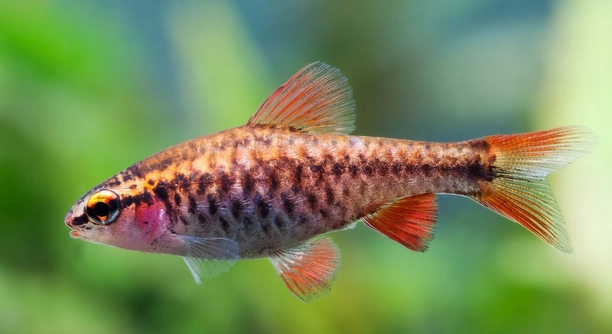
Are your cherry barbs darting rapidly around their tank? This quick movement can be confusing and concerning for any aquarium owner. Understanding the reasons behind this behavior is key to ensuring the well-being of your fish.
Rapid darting in cherry barbs is often a sign of stress or discomfort. Potential causes include water quality issues, tank mates’ aggression, or sudden environmental changes. These factors can cause them to exhibit erratic movements to escape perceived threats.
Knowing why your cherry barbs are behaving this way is essential to help reduce stress and improve their environment. Taking the right steps will not only calm them but also prevent further health issues.
Common Causes of Rapid Darting in Cherry Barbs
Cherry barbs are active fish, but when their movements become erratic, something might be wrong. Several factors can lead to rapid darting, most of which are tied to stress. Poor water conditions are one of the primary reasons. If ammonia or nitrite levels are too high, or the pH is off balance, cherry barbs may panic and dart around to avoid harmful conditions. Even slight changes in temperature can cause stress, as these fish prefer stable water. Aggression from tank mates is another common issue. Cherry barbs are generally peaceful but can become frightened if they are chased or nipped at by other fish. A lack of hiding spots in the tank or overcrowding may also contribute to their anxiety. It’s important to ensure their environment is comfortable and secure to prevent these distressing behaviors.
Changes in the environment or poor tank conditions can lead to behavioral problems. Cherry barbs, like many fish, can be very sensitive to their surroundings.
To minimize darting, keep your tank clean and monitor the water quality regularly. Using a reliable water testing kit will help ensure the ammonia, nitrite, and nitrate levels stay safe. Maintaining a stable temperature is equally important; cherry barbs thrive in temperatures between 72 and 80°F (22-27°C). If you’re noticing consistent darting, check your filtration system to make sure it’s working effectively and replacing the water when needed. You can also reduce stress by providing plenty of hiding places. Live plants, rocks, and driftwood can offer shelter and make the fish feel more secure. Finally, consider tank mates carefully. Avoid aggressive or overly active species that may disturb your cherry barbs. A peaceful environment is the best way to keep your fish calm and healthy.
How to Fix the Problem
Addressing the cause of darting can be straightforward with the right approach. Begin by evaluating your tank’s water quality and temperature.
One of the easiest ways to improve your cherry barbs’ health is by ensuring they have a well-maintained tank. First, test the water to check for any irregularities in pH, ammonia, and nitrate levels. If you notice issues, perform a water change to get the levels back in check. Make sure the temperature stays within the preferred range. For added peace of mind, consider installing a heater with a thermostat to maintain stability. Regular water changes are key for a healthy environment, as they remove excess waste and ensure a clean space. This simple practice can reduce the stress your cherry barbs feel, and keep their movements steady and graceful.
Tank Mates and Their Role in Stress
Tank mates can significantly affect your cherry barbs’ behavior. Aggressive or overly active fish may cause stress, leading to rapid darting.
Cherry barbs are peaceful, but if housed with overly aggressive species, they may feel threatened and begin darting. Fish like cichlids or fin-nippers might provoke this reaction. Additionally, fish that constantly chase or crowd your cherry barbs can trigger anxiety. To avoid this, make sure to choose peaceful fish as companions. Avoid keeping fast-moving or larger fish that could intimidate the cherry barbs. Ideally, all fish in the tank should coexist peacefully, offering a calm atmosphere where your barbs can thrive.
It’s important to consider the personality of your fish when selecting tank mates. If a species is too dominant or territorial, it might cause your cherry barbs to hide or dart nervously around the tank. Pay attention to how the fish interact with each other, and separate any that show signs of aggression. This will allow your cherry barbs to feel more secure and less stressed, leading to calmer, more natural behavior.
Providing Hiding Spots
Cherry barbs need hiding spots to feel secure. These places give them a retreat when they need to escape stressful situations.
Adding plants, rocks, or decorations like driftwood can provide essential hiding places for your cherry barbs. These features offer your fish areas to rest or retreat if they feel threatened. Not only does this reduce stress, but it also mimics their natural habitat. Cherry barbs, in the wild, seek refuge in dense plants or small crevices to avoid predators. You can recreate this environment by adding some low-lying plants or strategically placing objects in the tank to form small caves. The more secluded areas you provide, the more relaxed your fish will feel.
Overcrowding can prevent your cherry barbs from having enough space to hide properly. Make sure the tank is not too crowded and that your fish have enough room to swim freely. Offering both open swimming areas and places to hide creates a balanced environment. Also, avoid placing too many hiding spots in one area, as this may lead to territorial disputes. Keeping the tank layout varied ensures that your cherry barbs can navigate easily and feel comfortable.
Water Quality and Temperature
Water quality plays a huge role in your cherry barbs’ behavior. Poor water conditions often lead to stress and erratic movements.
To ensure a healthy environment, test your water regularly for ammonia, nitrites, and nitrates. Any imbalance in these levels can lead to stress and cause your fish to dart around. In addition to water parameters, temperature stability is equally important. Cherry barbs thrive in water temperatures between 72°F and 80°F (22°C to 27°C). Sudden changes in temperature can cause stress, so it’s essential to keep the water consistently warm. Use a reliable heater with a thermostat to maintain a steady temperature.
Filtration and Tank Maintenance
Regular tank maintenance is essential to avoid stress. Make sure your filter is functioning properly and that the water stays clean.
A good filtration system helps maintain clean water by removing excess waste and toxins. Clean your filter regularly to ensure it operates efficiently. Also, replace about 25% of the water every 1-2 weeks to avoid waste buildup. This will keep your cherry barbs comfortable and prevent issues caused by poor water quality. Healthy water encourages relaxed swimming and reduces erratic darting. Keeping the tank clean will contribute significantly to their overall well-being.
Feeding Practices
Feeding your cherry barbs properly can also impact their behavior. Uneaten food in the tank can affect water quality and increase stress.
Make sure to feed your cherry barbs only as much as they can consume in a few minutes. Remove any uneaten food quickly to prevent it from decaying and affecting the water quality. Overfeeding can lead to water contamination, which increases stress levels. A balanced diet ensures your fish stay healthy and reduce the chances of darting.
FAQ
Why are my cherry barbs swimming fast?
Cherry barbs swimming quickly may indicate stress, especially if they are darting around unpredictably. Stress can be caused by poor water quality, sudden changes in their environment, or aggressive tank mates. Overcrowding and lack of hiding spots can also contribute. It’s important to check water parameters like ammonia, nitrites, and nitrates, as well as the temperature to ensure they are within the ideal range. If your cherry barbs are surrounded by more aggressive or larger fish, they may feel threatened and respond by swimming fast.
Can cherry barbs stress out easily?
Yes, cherry barbs are sensitive to their environment and can become stressed easily. Stress can be triggered by several factors such as poor water quality, sudden changes in temperature, or aggressive tank mates. They may also feel stressed in overcrowded tanks without enough hiding spots. It’s important to create a peaceful, well-maintained tank with proper water conditions to keep your cherry barbs calm. If they continue to show signs of stress, it’s important to address the issues immediately to prevent long-term health problems.
What can I do if my cherry barbs keep darting around?
If your cherry barbs are darting around, the first thing to do is check the water quality. Poor water conditions, such as high ammonia or nitrite levels, can cause stress. Make sure the tank is clean and the filtration system is working properly. You should also check the temperature to ensure it stays within the range of 72°F to 80°F (22°C to 27°C). Additionally, ensure that your cherry barbs are not being harassed by aggressive tank mates. Adding hiding spots in the tank can also help them feel secure and reduce darting behavior.
How often should I change the water for my cherry barbs?
Regular water changes are crucial for the health of your cherry barbs. Aim to replace about 25% of the water every 1-2 weeks. This helps remove waste, excess nutrients, and toxins that can build up over time. If the tank is overcrowded or the water quality is poor, you may need to do water changes more frequently. Be sure to test the water for ammonia, nitrites, and nitrates, and adjust the frequency of water changes accordingly. Keeping the water clean will help your cherry barbs feel more relaxed and reduce stress.
Are cherry barbs good with other fish?
Cherry barbs are generally peaceful and can live well with other non-aggressive species. However, they may become stressed if housed with more aggressive or larger fish. Avoid tank mates that are too territorial or active, as they may chase or intimidate your cherry barbs. Good tank mates include other peaceful species like tetras, rasboras, or peaceful community fish. Always observe how the fish interact, and if any aggressive behavior is noted, separate them to ensure a stress-free environment for your cherry barbs.
What kind of tank setup do cherry barbs need?
Cherry barbs thrive in a well-planted tank with plenty of hiding spots. Providing live plants, rocks, and driftwood helps mimic their natural environment and makes them feel secure. They also prefer a stable temperature range of 72°F to 80°F (22°C to 27°C). Ensure there is a proper filtration system in place to maintain water quality. A tank size of at least 20 gallons is ideal for a small group of cherry barbs, as they prefer to swim in schools. This setup helps reduce stress and encourages natural behaviors.
How can I tell if my cherry barbs are stressed?
Cherry barbs show signs of stress through erratic swimming behavior, including rapid darting around the tank. They may also hide more than usual or lose their normal swimming patterns. Stress can cause them to appear lethargic or reluctant to eat. You may notice faded colors or frayed fins in extreme cases. If your cherry barbs exhibit any of these signs, it’s essential to evaluate their environment and address possible causes of stress such as water quality, tank mates, or overcrowding.
Do cherry barbs need a lot of space to swim?
Cherry barbs don’t require a massive amount of space, but they do benefit from a tank that offers enough room to swim freely. A tank size of at least 20 gallons is recommended for a small group of cherry barbs. Overcrowding can increase stress levels and reduce their ability to move comfortably. Make sure to leave open swimming areas while also providing hiding spots for them to retreat to if needed. A well-sized tank will help keep your cherry barbs active and healthy without feeling cramped.
What temperature is best for cherry barbs?
Cherry barbs thrive in water temperatures between 72°F and 80°F (22°C to 27°C). They are fairly adaptable, but sudden temperature fluctuations can cause stress and health issues. It’s important to keep the water temperature stable. Installing a reliable aquarium heater with a thermostat can help maintain consistency, ensuring that your cherry barbs remain comfortable and stress-free. Regularly monitor the temperature to prevent any unexpected drops or increases that could harm your fish.
How do I know if my cherry barbs are happy?
Happy cherry barbs are active, social fish. They will swim around the tank, often in schools, and show vibrant colors. If your cherry barbs are interacting with each other, swimming smoothly, and exploring their environment, they are likely content. You should also see them eating regularly and displaying natural behaviors like foraging or resting among plants. If you notice them hiding frequently, acting lethargic, or showing signs of distress like rapid darting, it may indicate that something is wrong in their environment, and adjustments should be made.
Final Thoughts
Cherry barbs are peaceful and beautiful fish that can make a great addition to your aquarium. However, like all fish, they require the right environment to thrive. If you notice your cherry barbs darting around rapidly, it’s often a sign that something isn’t right in their tank. Stress can be triggered by poor water quality, unsuitable tank mates, or a lack of hiding spots. Identifying the source of the stress is crucial to improving their well-being. Once you address these issues, you’ll likely see your cherry barbs calm down and return to their normal, peaceful swimming behavior.
The key to keeping your cherry barbs happy lies in maintaining a stable, clean environment. Regular water changes, proper filtration, and monitoring of water parameters such as pH, ammonia, and nitrate levels are essential. Cherry barbs prefer water temperatures between 72°F and 80°F (22°C to 27°C), so keeping the water at a consistent temperature is equally important. Ensuring that their tank mates are compatible and that there is enough space and hiding spots will help create a stress-free environment where they can thrive. If you maintain these conditions, your cherry barbs should become active and healthy fish in your aquarium.
While it’s common to worry when your fish are acting out of the ordinary, remember that taking action to correct the problem is usually simple. By focusing on their water conditions, tank mates, and overall environment, you can quickly address the causes of darting behavior. Over time, your cherry barbs will adjust to the changes, and you will see them swim peacefully and happily in their tank. A little effort goes a long way in keeping them comfortable, so it’s worth paying attention to these details.

Hello,
If you enjoy the content that we create, please consider saying a "Thank You!" by leaving a tip.
Every little bit helps us continue crafting quality advice that supports the health, happiness, and well-being of pets around the world, for pets of all shapes, sizes, and species.
We really appreciate the kindness and support that you show us!