
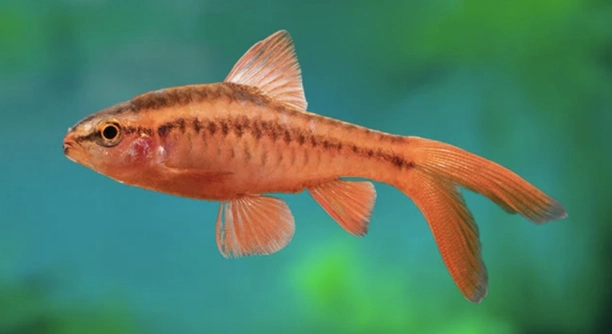
Cherry barbs are small, vibrant fish known for their peaceful nature and attractive colors. Unfortunately, it’s not uncommon for these fish to die suddenly, leaving their owners puzzled and concerned about the cause.
The sudden death of a cherry barb may be caused by factors like poor water quality, improper diet, stress, or a hidden illness. Identifying these triggers is crucial to prevent future losses and ensure a healthier aquarium environment.
By understanding the potential causes behind their sudden passing, you can better care for your remaining fish and avoid similar situations in the future. Let’s explore the factors contributing to the health of your cherry barbs.
Water Quality Issues
One of the leading causes of sudden death in cherry barbs is poor water quality. These fish are sensitive to changes in their environment, and if the water is too dirty or not properly balanced, it can cause stress and illness. Ammonia and nitrite levels should be monitored regularly, as they can quickly build up in a tank without proper filtration. A sudden spike in these toxins can be deadly to your fish. Even slight fluctuations in temperature or pH can have negative effects on their health. Regular water changes and a reliable filtration system are crucial for maintaining a safe environment.
A healthy tank relies on good water parameters. Always test your water for ammonia, nitrites, and nitrates. Keeping a consistent temperature will also prevent unnecessary stress on your fish.
If you notice unusual behavior such as lethargy, abnormal swimming patterns, or loss of color, these could be signs that the water quality is not optimal. Cherry barbs may also stop eating when exposed to poor water conditions, and this can quickly lead to a decline in health. Make sure to clean your tank regularly and ensure that your filtration system is working effectively. The use of water conditioners can also help keep the water safe and stable, providing a healthier environment for your cherry barbs.
Stress from Tank Mates
Stress is another common reason why your cherry barb might have died suddenly. These fish are peaceful and do best in tanks with non-aggressive tank mates. If they are housed with more dominant or territorial species, they can become stressed and weaker over time. Stress weakens their immune system, making them more vulnerable to disease and even sudden death. If your tank is overcrowded or your cherry barb is constantly chased by other fish, it will eventually take a toll on their health.
Avoid placing aggressive fish or large species in the same tank as cherry barbs. Ensuring enough space for each fish to establish its territory is key to reducing stress.
When choosing tank mates for cherry barbs, it’s important to select species that are known for being calm and non-threatening. Smaller, peaceful fish like tetras, rasboras, and other barbs can work well in the same tank. Also, providing enough hiding spaces with plants or decorations can help your cherry barbs feel secure and less stressed. Stress can also be triggered by sudden changes in lighting or temperature, so make sure your aquarium environment remains stable and calm to ensure your fish thrive.
Improper Diet
Feeding your cherry barb the wrong type or amount of food can lead to health issues and, eventually, death. A diet too high in protein or lacking essential nutrients can cause digestive problems or even internal organ failure. Overfeeding is also a common mistake, leading to water pollution and stress for the fish. A balanced diet is key.
To keep your cherry barbs healthy, provide a variety of foods, such as high-quality flakes, pellets, and live or frozen foods like brine shrimp or daphnia. Avoid overfeeding, as leftover food can rot and pollute the water. Feeding small amounts a couple of times a day is generally ideal.
Additionally, ensure that the food you’re offering is appropriate for the size and age of your fish. A poorly balanced diet can weaken your fish’s immune system, making them more susceptible to diseases and infections. Over time, an improper diet can lead to malnutrition, causing sudden death in your cherry barbs. Make sure to monitor the types of food and portion sizes to avoid these issues.
Illness and Disease
Illness and disease can strike unexpectedly and cause sudden death in cherry barbs. Bacterial infections, parasites, or fungal growths are common in aquarium fish and can spread quickly if not treated. These illnesses often show subtle signs, such as reduced activity or slight color changes, before it’s too late.
It’s important to regularly check for signs of illness in your fish. For example, look for any unusual behavior, lesions, or changes in swimming patterns. If you notice these signs, act quickly by isolating the affected fish and treating them with appropriate medication. Quarantining new fish before introducing them to your main tank can also prevent the spread of diseases.
Fish diseases can be difficult to manage, especially if they’re not detected early. Keeping a clean tank, maintaining proper water conditions, and providing a stress-free environment are key preventive measures. If your cherry barbs are exposed to illness, seek advice from a veterinarian specializing in fish health. Early intervention can save lives and prevent the disease from spreading to your other fish. Regularly observing your fish’s behavior and physical condition can help catch problems before they become serious.
Sudden Temperature Changes
Sudden shifts in temperature can stress cherry barbs, making them more susceptible to disease and even death. A tank that fluctuates between hot and cold too often is not ideal for these sensitive fish. Consistency is key for their well-being.
To avoid temperature stress, invest in a reliable aquarium heater and thermometer. Keep the tank at a stable temperature, ideally between 72°F and 80°F. Check the water regularly to ensure there are no unexpected spikes or drops. Extreme changes in temperature, even if brief, can shock your fish and compromise their health.
A sudden temperature change can cause your fish to become disoriented or lethargic. It may also impact their immune system, making them more vulnerable to infections. To prevent temperature fluctuations, place your tank away from windows, air conditioning units, or heaters. This ensures a more stable environment. Regular monitoring and the use of a temperature-controlled heater will help protect your cherry barbs from such stressors.
Overcrowding the Tank
Overcrowding is a common mistake that negatively impacts the health of cherry barbs. Too many fish in a small space increases stress levels and limits the available oxygen, making it harder for fish to thrive.
When setting up an aquarium, make sure to consider the size and number of fish you’re keeping. Cherry barbs should be given enough room to swim freely, with at least 10 gallons of water for a small group. Overcrowding can lead to aggressive behavior, poor water quality, and an increased risk of disease.
A crowded tank will quickly degrade the water quality, increasing ammonia and nitrate levels, which are harmful to fish. It also restricts your cherry barbs’ ability to establish their own space, causing additional stress. To avoid overcrowding, regularly check the number of fish and ensure your tank size is appropriate. If needed, upgrade to a larger tank or consider reducing the number of fish to ensure a healthy environment for everyone.
Poor Filtration
An inadequate filtration system can cause serious problems for your cherry barbs. If the filter isn’t strong enough or is malfunctioning, harmful toxins like ammonia and nitrites can build up in the water, causing stress and potentially leading to death.
Investing in a good quality filter that matches the size of your tank is essential. A filter should be able to remove excess waste, uneaten food, and harmful chemicals from the water, ensuring a cleaner environment for your fish. Be sure to clean the filter regularly to keep it functioning well.
Without proper filtration, the tank’s water quality can deteriorate quickly. This can lead to a rise in harmful substances, putting unnecessary strain on your fish. Make sure the filter is large enough to handle the water volume and that it’s working efficiently. Regular maintenance is crucial to keep your fish safe.
FAQ
Why did my cherry barb die without any noticeable symptoms?
Sometimes, cherry barbs can die without obvious signs of illness. This could be due to poor water quality or sudden stress. These fish are quite sensitive to changes in their environment, and even small fluctuations in temperature, pH, or ammonia levels can lead to their decline. Other possible reasons include an undiagnosed illness or a hidden injury. It’s important to ensure that water parameters are regularly tested and the fish are not exposed to stressful conditions.
How can I tell if my cherry barb is stressed?
Stressed cherry barbs may show signs like erratic swimming, hiding more than usual, or a lack of appetite. They might also appear to be gasping for air or swim near the surface more frequently. The fish’s color may dull, and they may be more prone to illness. Stress can be caused by factors such as overcrowding, aggressive tank mates, improper water conditions, or a sudden change in their environment.
Is it possible to overfeed my cherry barb?
Yes, overfeeding is a common issue. Cherry barbs, like many other fish, can suffer from health problems if they are given too much food. Overfeeding can lead to bloated bellies, poor water quality, and even death. It’s best to feed them small amounts a couple of times a day, ensuring they consume the food within a few minutes. Any uneaten food should be removed to prevent it from rotting and affecting the water quality.
Can cherry barbs survive in cold water?
Cherry barbs prefer a warm water environment, typically between 72°F and 80°F. They can tolerate slight drops or increases in temperature but are not suited to cold water. Prolonged exposure to temperatures below 70°F can stress them and make them more susceptible to disease. A stable, warm water environment is essential for their overall health and well-being.
How can I improve the water quality for my cherry barb?
Maintaining clean water is crucial for the health of your cherry barbs. Regular water changes, testing for ammonia, nitrites, and nitrates, and using a reliable filtration system will all help ensure that the water is safe for your fish. It’s also important to avoid overfeeding, as uneaten food can quickly deteriorate water quality. Additionally, ensure the temperature remains stable and the tank is not overcrowded.
Can my cherry barb get along with other fish?
Yes, cherry barbs are generally peaceful and can get along with many other species. However, they should be housed with non-aggressive fish. Tank mates like tetras, rasboras, or other peaceful barbs are ideal. Avoid placing them with larger or more aggressive fish that may stress or harm them. Cherry barbs also do best in groups, so keeping at least three or four in the same tank is recommended.
What should I do if my cherry barb is showing signs of illness?
If you notice any unusual behavior, such as lethargy, abnormal swimming, or visible marks on your cherry barb, it’s important to act quickly. First, isolate the affected fish to prevent the spread of disease. Check the water quality and make any necessary adjustments. If the fish does not improve, consider seeking advice from a veterinarian or a fish expert. Early diagnosis and treatment are crucial in preventing the illness from worsening.
How can I prevent my cherry barb from getting sick?
To keep your cherry barb healthy, make sure they have proper water conditions, a balanced diet, and a stress-free environment. Regular water changes, keeping the tank clean, and ensuring the filter is working properly will help maintain a healthy environment. Avoid overcrowding the tank and choose peaceful tank mates. A consistent temperature and monitoring for any signs of illness will also reduce the risk of disease.
Why is my cherry barb swimming near the surface?
If your cherry barb is spending a lot of time near the surface, it may be experiencing low oxygen levels in the water. Check the water temperature and ensure that your filter is working correctly. If the water is warm or not oxygenated properly, consider adding an air pump or adjusting the filtration system. Gasping near the surface may also indicate a respiratory issue, so it’s important to address the underlying cause quickly.
Can cherry barbs live in brackish water?
Cherry barbs are freshwater fish and should not be kept in brackish water. While they can tolerate a range of freshwater environments, they do not do well in salty or brackish water conditions. Keeping them in the appropriate freshwater setup is crucial for their survival and health. Salt or brackish water can cause stress and lead to illness in cherry barbs.
How often should I clean the tank for my cherry barbs?
You should perform regular tank maintenance to ensure your cherry barbs are living in a clean environment. A 25-30% water change every week is recommended. In addition, clean the filter monthly to keep it functioning properly. Remove any uneaten food, debris, or waste from the substrate to maintain good water quality. Cleaning the tank regularly helps prevent the buildup of harmful toxins, such as ammonia and nitrites, which can be detrimental to your fish.
Is it normal for cherry barbs to hide?
It’s normal for cherry barbs to occasionally hide, especially when they feel stressed or are adjusting to their new environment. However, if they hide constantly or appear lethargic, it may be a sign of illness, poor water quality, or stress. Providing plenty of plants or decorations can give them hiding spots, but make sure the tank isn’t overcrowded or too dark, as this can also cause unnecessary stress. If the hiding persists, investigate the possible causes, such as water quality or tank mates.
Final Thoughts
Caring for cherry barbs can be rewarding, but it’s important to stay aware of the factors that can affect their health. These small, colorful fish require a stable environment to thrive. Consistent water quality, a balanced diet, and suitable tank mates are essential to their well-being. If you notice your cherry barb showing signs of stress or illness, it’s important to act quickly and investigate possible causes, such as water quality, temperature changes, or aggressive tank mates. By maintaining a clean and stable tank environment, you can avoid many common issues.
The most common causes of sudden death in cherry barbs include poor water conditions, stress, and illness. Overcrowding the tank or introducing incompatible fish can also contribute to their decline. Maintaining a proper filtration system and performing regular water changes will help keep your fish healthy. Cherry barbs are sensitive to ammonia, nitrites, and other harmful substances, so testing the water regularly is crucial. A consistent water temperature and avoiding sudden changes can also prevent unnecessary stress. Ensuring your fish receive a proper, well-balanced diet will go a long way in keeping them healthy.
While it’s disappointing when a cherry barb passes away unexpectedly, the key is to learn from the experience and improve the care of your remaining fish. Understanding the factors that affect their health will help you prevent similar issues in the future. Taking simple steps like monitoring water quality, offering appropriate food, and providing a peaceful environment can ensure that your cherry barbs live long and healthy lives. Fishkeeping requires attention and patience, but the rewards are well worth the effort. Keep learning and adapting to the needs of your fish, and you’ll be better equipped to provide them with the best possible care.

Hello,
If you enjoy the content that we create, please consider saying a "Thank You!" by leaving a tip.
Every little bit helps us continue crafting quality advice that supports the health, happiness, and well-being of pets around the world, for pets of all shapes, sizes, and species.
We really appreciate the kindness and support that you show us!