
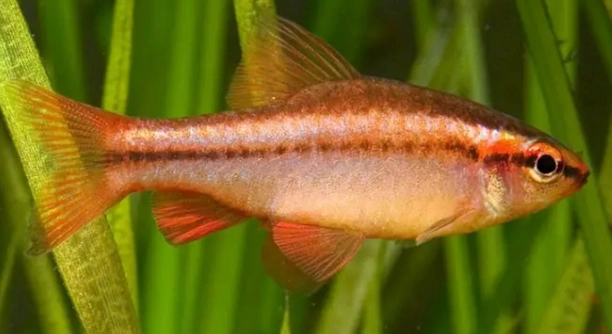
Are your cherry barbs exploring every part of their tank except that driftwood centerpiece you added with care and hope?
Cherry barbs enjoy driftwood in their environment, as it offers shelter, promotes natural behavior, and contributes to stable water conditions. Driftwood also encourages beneficial bacterial growth, enhancing the overall well-being of these freshwater fish.
Driftwood may seem like just a decorative touch, but for cherry barbs, it can play a helpful role in shaping a healthier tank environment.
Why Driftwood Matters for Cherry Barbs
Driftwood does more than just decorate your aquarium. It creates hiding spots and soft shaded areas, helping cherry barbs feel secure and less stressed. These fish are naturally shy, especially when first introduced to a new tank. Driftwood gives them a place to retreat when they feel overwhelmed. It also helps support their social behavior by giving them a more natural space to explore and swim around. Many types of driftwood slowly release tannins, which can slightly lower the pH of the water. This creates an environment closer to their native habitat. Tannins can also have mild antibacterial properties, keeping the water cleaner. Along with live plants, driftwood helps complete a comfortable and stable setup for cherry barbs. It supports both their physical and emotional health in a simple, low-maintenance way.
Cherry barbs benefit from driftwood in tanks because it reduces stress, promotes hiding, and supports more natural, relaxed behaviors over time.
Soft wood types like Malaysian or Mopani driftwood work well. These types are aquarium-safe and have a smooth texture, reducing the risk of injuries. After soaking and prepping the driftwood properly, you can place it in the tank without disrupting the water balance. This helps cherry barbs feel more at home.
Choosing and Preparing the Right Driftwood
Not all driftwood is safe or suitable for a home aquarium. Some types can affect water chemistry in ways that may not be ideal for cherry barbs.
When picking driftwood, it’s important to use pieces specifically sold for aquariums. Avoid collecting wood from outside, as it may carry bacteria, parasites, or chemicals. Aquarium driftwood has been treated to ensure it won’t release harmful substances. Once you have the right kind, soak it for at least a week in a separate container. This helps release excess tannins and ensures the wood becomes waterlogged, so it won’t float. You’ll notice the water darkening as tannins leach out — this is normal and safe in small amounts, but soaking first helps avoid sudden changes in your main tank. If you don’t want much tint in your water, continue soaking and changing the water until it stays mostly clear. Once ready, place the driftwood securely in your tank, ideally anchoring it with gravel or placing it near plants. This creates a peaceful, natural zone your cherry barbs will enjoy exploring and resting around.
How Driftwood Affects Water Quality
Driftwood slowly releases tannins, which can lower the pH of your tank water. This helps mimic the slightly acidic conditions cherry barbs are used to in the wild. Lower stress levels and healthier fish often follow.
Tannins also give the water a tea-colored tint, which is not harmful. In fact, many aquarists prefer it because it makes the tank feel more natural. The lowered pH level supports the growth of beneficial bacteria and helps create a more stable nitrogen cycle. Driftwood can slightly soften the water too, which works well for cherry barbs, as they do best in soft to moderately hard water. Make sure to monitor pH levels after adding new driftwood. If the changes are too sharp or too fast, your fish might become stressed. Soaking driftwood before adding it to the tank helps control how many tannins are released.
Aged or cured driftwood is the best choice. It leaches fewer tannins and causes less of a change to water parameters. If your driftwood is fresh and hasn’t been soaked, it might release too much too fast. You can also use activated carbon in your filter to reduce the dark tint in the water. Regular water changes will also help. Cherry barbs will benefit most from a tank that stays stable and clean, so take the time to prep your driftwood carefully. Even though the effect on water is gentle, it can still help shape a healthier setup for your fish.
Behavior Changes to Expect
You might notice your cherry barbs spending more time around the driftwood once it’s added. They’ll swim through it, rest near it, and use it as a safe area when they feel unsure. This helps them behave more naturally in your tank.
The added cover helps reduce aggression or nervousness, especially in smaller tanks or when introducing new fish. When cherry barbs feel secure, they’re more active, show better colors, and are more likely to school together. Without places to hide, they may stay near the bottom or act shy and jittery. With driftwood and good plant cover, they move around more confidently. You’ll also notice fewer signs of stress, like fading color or sudden darting. The wood itself becomes part of their routine, whether they’re resting near it or exploring around it. It gives your fish more ways to interact with their surroundings, which leads to a calmer and more balanced tank.
Other Benefits of Driftwood
Driftwood helps beneficial bacteria grow by giving them a stable surface to colonize. These bacteria support your tank’s biological filter and help break down waste, keeping the water safer for your cherry barbs.
It also adds visual depth to your aquarium. The natural look pairs well with plants and soft lighting, creating a calm underwater scene that’s relaxing to watch and comforting for the fish.
Things to Avoid When Using Driftwood
Avoid using driftwood that hasn’t been treated or prepared for aquarium use. Unprocessed wood might carry pests, mold, or harmful chemicals. Boil or soak it well to remove sap and reduce tannins. Also, stay away from sharp or jagged pieces. These can hurt cherry barbs as they swim around.
How to Arrange It in the Tank
Place driftwood near plants or corners of the tank to create cozy spaces. Leave open areas for swimming so the tank doesn’t feel too crowded.
FAQ
Can driftwood lower the pH too much for cherry barbs?
It’s possible, but it usually happens only when large amounts of fresh driftwood are added at once. Cherry barbs prefer slightly acidic water, but extreme shifts can cause stress. To avoid this, soak or boil the driftwood before adding it. This helps release excess tannins and prevents sudden pH drops. It’s also helpful to monitor the water for the first week after adding driftwood. Test kits can alert you to any major changes, so you can adjust with a partial water change if needed. Most of the time, driftwood makes small, steady adjustments that benefit your fish.
How long should I soak driftwood before putting it in the tank?
The general recommendation is at least one week. Soaking helps remove dirt, excess tannins, and air pockets that cause the wood to float. For large or thick pieces, soaking may take two weeks or more. You can also boil small pieces to speed up the process. Change the soaking water every few days so it doesn’t get too dark. If you’re trying to avoid tea-colored water, continue soaking until the water remains clear. Once the wood stays submerged without help and doesn’t tint the water too much, it’s safe to use in your aquarium.
Is it okay to use driftwood from outside?
It’s not recommended unless you know how to properly treat it. Outdoor driftwood might carry parasites, fungus, pesticides, or other harmful materials that can hurt your fish. If you still want to try, make sure the wood is fully dry and aged. Then scrub it, soak it for several weeks, and boil it if possible. Even then, there’s still some risk. Aquarium-safe driftwood is treated to remove all those dangers. It may cost more upfront, but it saves you the trouble of dealing with cloudy water or sick fish.
Do cherry barbs chew or eat driftwood?
No, cherry barbs do not chew or eat driftwood. They may swim around it or explore it with their mouths, but they won’t gnaw at it like some other fish, such as plecos. Their interest is more about curiosity or looking for food particles. Driftwood might gather algae or biofilm, which they could nibble at occasionally, but the wood itself isn’t a food source. So you don’t need to worry about it getting worn down by their behavior.
Can I add driftwood to a tank that already has cherry barbs in it?
Yes, but be sure to prepare the driftwood properly first. Soak it for at least a week to avoid sudden changes in water chemistry. Adding driftwood to an established tank can actually be a nice upgrade for the cherry barbs, giving them new places to hide and explore. Just place it carefully to avoid stirring up too much debris, and check the water parameters over the next few days. If the driftwood shifts your pH slightly lower, that’s usually fine — just make sure the change is slow and steady.
Will driftwood float at first?
Yes, especially if it’s dry or untreated. New driftwood contains trapped air that makes it buoyant. Soaking it for a week or more helps release that air. Some types, like Malaysian driftwood, sink faster. Others may take several weeks. If you can’t wait, you can use rocks or aquarium-safe weights to hold the piece down temporarily until it becomes waterlogged. Once it’s fully soaked, it’ll stay in place naturally without needing support.
Can driftwood make the tank water cloudy?
Driftwood can cause some discoloration due to tannins, which may give the water a brownish tint. This isn’t the same as cloudiness. Tannins are safe and can even be helpful. True cloudiness usually comes from debris on the wood or bacterial blooms. To prevent this, scrub the wood clean and soak it thoroughly before use. If the water stays murky even after soaking, try a partial water change or add activated carbon to the filter. This helps remove fine particles and tannins more quickly.
Does driftwood need to be replaced over time?
Most driftwood lasts a long time, but it does slowly break down. Over the years, it may soften, get smaller, or even start to crumble. This is a slow process and doesn’t happen overnight. As long as it stays solid and doesn’t fall apart when touched, you can leave it in the tank. If it starts to rot or release too much debris, it’s time to remove it. You can then replace it with a new piece after repeating the same soaking and prepping process.
Final Thoughts
Driftwood can be a simple and helpful addition to your cherry barb tank. It offers both visual and practical benefits. The natural look fits well with planted tanks and helps create a calm setting for your fish. More than that, driftwood provides shelter and shaded areas, which cherry barbs appreciate. When fish feel safe, they show better color, act more naturally, and stay healthier overall. Adding driftwood helps lower their stress and gives them more ways to interact with their space. It’s a low-maintenance way to improve the quality of their habitat.
Cherry barbs come from soft, slightly acidic waters, and driftwood supports that kind of environment. The tannins that slowly release from the wood can soften water and lower the pH a little. While these changes are gentle, they help mimic the fish’s natural home. Beneficial bacteria also grow well on driftwood, which helps the tank’s biological filter work better. These things may seem small, but they all add up to a healthier, more balanced aquarium. Just be sure to soak the driftwood before adding it. This step helps remove excess tannins and keeps the water from becoming too dark or changing too fast.
Taking the time to choose the right kind of driftwood and prepare it properly makes a big difference. Use aquarium-safe wood only, and avoid anything sharp or untreated. Once it’s ready, place the driftwood in a way that allows swimming space and creates cozy spots. Your cherry barbs will use it for rest, shelter, and even social interactions. It becomes a natural part of their everyday routine. While driftwood is not required for keeping cherry barbs, it’s a helpful feature that adds comfort and stability to the tank. With proper care, it can stay in place for years, slowly shaping a space your fish can enjoy every day.

Hello,
If you enjoy the content that we create, please consider saying a "Thank You!" by leaving a tip.
Every little bit helps us continue crafting quality advice that supports the health, happiness, and well-being of pets around the world, for pets of all shapes, sizes, and species.
We really appreciate the kindness and support that you show us!