
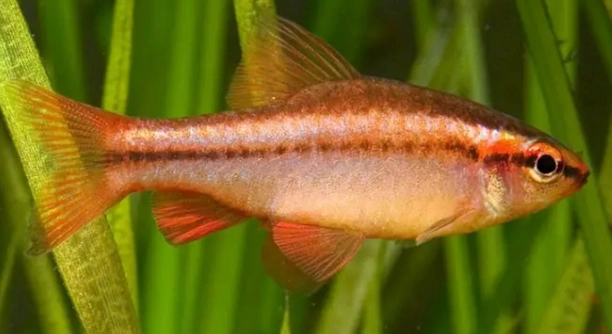
Cherry barbs are beautiful fish that many aquarium enthusiasts enjoy. However, beginners can make mistakes when setting up a tank for them. Understanding the key needs of these fish can help avoid common issues.
The most common beginner mistakes when keeping cherry barbs involve poor water quality, overcrowding, incorrect tank mates, and inadequate tank conditions. These mistakes can stress the fish, leading to health problems and reduced lifespan.
By addressing these common errors, you’ll be able to create a healthier, more balanced environment for your cherry barbs. Ensuring they thrive will bring you greater satisfaction in the long run.
Poor Water Quality
Maintaining clean water is essential for the health of cherry barbs. These fish are particularly sensitive to water changes, and poor water quality can lead to stress and illness. Ammonia, nitrates, and nitrites must be kept at safe levels, with regular water changes to keep the tank clean. It’s also important to monitor the pH and temperature, as cherry barbs prefer slightly acidic to neutral water. A good filter and proper tank maintenance are vital for ensuring that water conditions stay optimal for these fish.
Cherry barbs need a stable environment, with water parameters checked regularly. Inconsistent water changes or neglecting water testing can lead to problems such as fin rot or other diseases. Always test your tank’s water before making any changes.
Ensuring good water quality requires a consistent routine. Invest in a reliable water test kit, do partial water changes regularly, and make sure the filter is functioning well. It’s easy to forget, but poor water conditions are one of the top reasons for stress and illness in cherry barbs. Keeping your tank clean will help your fish thrive.
Overcrowding
When keeping cherry barbs, it’s easy to make the mistake of overcrowding the tank. Too many fish can stress them out and create unhealthy conditions. It’s essential to provide enough space for each fish to swim freely.
An overcrowded tank leads to poor water quality and excessive waste, which can harm the fish. A general rule is to allow 1 inch of fish per gallon of water, but cherry barbs do best in a tank with plenty of space. Consider their active nature when planning the tank’s layout.
Overcrowding also leads to increased aggression and competition for food. Cherry barbs are peaceful, but too many in one space can create tension. A well-balanced number of fish will reduce stress and allow everyone to get their fair share of food. Space, combined with good water quality, ensures your cherry barbs remain healthy and happy.
Incorrect Tank Mates
Choosing the right tank mates for cherry barbs is crucial. They are peaceful fish and prefer living with other non-aggressive species. Avoid keeping them with larger, more aggressive fish that may intimidate or harm them.
Fish like bettas, cichlids, or large goldfish are not ideal tank mates for cherry barbs. These fish can either bully the barbs or outcompete them for food. On the other hand, peaceful species like tetras, rasboras, and small catfish can coexist well with cherry barbs. This ensures the barbs feel secure and can focus on their own health.
When selecting tank mates, always consider the temperament of the fish. Cherry barbs thrive in a calm and relaxed environment. Aggressive fish, on the other hand, can cause them stress, which can lead to disease or even death. Research each species’ needs before adding them to the tank to avoid potential conflicts.
Inadequate Tank Conditions
Cherry barbs thrive in specific tank conditions. The water temperature should be between 72-80°F, with a slightly acidic to neutral pH level, around 6.0-7.5. Without these conditions, the fish may become stressed, leading to poor health.
Proper filtration is another important factor. A filter helps maintain clean water by removing waste and toxins that build up in the tank. Without a good filtration system, the water will become polluted quickly, leading to poor water quality. Inadequate filtration is one of the most common mistakes beginners make, and it can significantly affect the well-being of the fish.
The tank should also be spacious enough for cherry barbs to swim around. While they don’t need a massive tank, a 20-gallon tank for a small school of 5-6 cherry barbs is ideal. Plants and hiding spots are also beneficial, as they provide comfort and security for the fish. These small adjustments can make a huge difference in their overall health and happiness.
Overfeeding
Overfeeding is a common mistake with cherry barbs. Too much food can pollute the water and lead to poor water quality. It can also cause obesity or other health issues for the fish. Stick to feeding small amounts a few times a day.
Overfeeding is not only bad for the water but also for the fish’s health. Leftover food decays, increasing ammonia levels in the tank. Over time, this can weaken the immune system of the cherry barbs and make them more vulnerable to disease. It’s better to feed less and monitor their eating habits.
Fish should be fed in small portions, with the food disappearing in a few minutes. By controlling the amount of food, you prevent waste from building up. A clean tank means healthier, happier fish. The less food, the better the water quality and overall environment for your cherry barbs.
Poor Tank Maintenance
Neglecting regular tank maintenance is a major issue. Without cleaning the tank, changing the water, and maintaining the filter, the environment will quickly become unhealthy for the fish. Poor maintenance leads to bacteria buildup and water that is too dirty for cherry barbs to thrive.
A well-maintained tank ensures that the cherry barbs stay healthy. Regular water changes, at least 25% every 1-2 weeks, help maintain good water quality. Cleaning the substrate and decorations removes waste buildup. It’s also important to check the filter regularly to make sure it’s working properly.
Regular maintenance doesn’t have to be time-consuming. It just takes consistency to keep the tank in great shape. Good tank hygiene will reduce the risk of disease and keep the cherry barbs happy and active in their environment. Simple steps can go a long way.
Unstable Water Temperature
Cherry barbs are sensitive to sudden changes in water temperature. If the water fluctuates too much, it can cause stress and lead to health problems. Keeping the temperature steady within the ideal range is crucial for their well-being.
A stable water temperature between 72-80°F is necessary for cherry barbs to feel comfortable. You can use a reliable aquarium heater to maintain consistent warmth, especially in colder climates. Having a thermometer in the tank helps monitor any temperature changes. Avoid placing the tank near windows or vents, where temperatures can fluctuate.
A stable temperature helps reduce stress and supports the cherry barbs’ immune system. If the water gets too hot or cold, it can affect their metabolism, making them more susceptible to illness. By keeping the temperature stable, you ensure that the fish stay active and healthy.
FAQ
How many cherry barbs should I keep in a tank?
Cherry barbs are social fish, and they do best in groups. It’s recommended to keep at least 5-6 cherry barbs together. A small school helps reduce stress and allows the fish to exhibit natural behavior. A larger group also makes them feel more secure and less likely to hide.
When keeping multiple cherry barbs, ensure your tank is large enough to accommodate them. Overcrowding can lead to poor water quality and stress. A 20-gallon tank is typically sufficient for a small group. If you plan to add other fish, make sure they are peaceful to avoid tension.
What is the ideal tank size for cherry barbs?
The minimum recommended tank size for a small school of cherry barbs is 20 gallons. This gives them enough space to swim around comfortably without feeling cramped. It’s essential to keep in mind that the more fish you add, the larger the tank should be.
A larger tank allows you to maintain better water quality and accommodate more plants, decorations, and hiding spots. Cherry barbs appreciate a well-decorated tank with lots of plants to explore. Giving them room to move freely ensures they stay active and healthy.
Can cherry barbs live with other fish?
Yes, cherry barbs are peaceful fish and can live with many other species. They do well in community tanks with other small, non-aggressive fish like tetras, rasboras, or small catfish. Avoid keeping them with larger, more aggressive fish that may harass them.
It’s important to ensure that your tank mates have similar care requirements, including water temperature and pH levels. While cherry barbs are generally friendly, they can be intimidated by more aggressive species. Always research each species before adding them to the tank to prevent any compatibility issues.
What do cherry barbs eat?
Cherry barbs are omnivores and will eat a variety of foods. A balanced diet for them includes high-quality flake food, pellets, and occasional live or frozen foods like brine shrimp, daphnia, or bloodworms. Offering variety is key to keeping them healthy and active.
It’s essential not to overfeed cherry barbs. They are small, so a pinch of food once or twice a day is usually enough. Overfeeding can lead to water quality issues, so only provide food that they can eat in a few minutes. Remove any leftover food to keep the tank clean.
How often should I feed my cherry barbs?
Cherry barbs should be fed small amounts of food once or twice a day. It’s important not to overfeed them, as excess food can pollute the water and affect their health. Feed them only what they can consume in 2-3 minutes.
You can adjust feeding times based on their activity level and how much they eat. If they are more active, they might need slightly more food. However, it’s always better to underfeed than overfeed. A varied diet with both dry and live food keeps cherry barbs healthy.
What is the ideal water temperature for cherry barbs?
Cherry barbs thrive in water temperatures between 72-80°F. It’s essential to keep the temperature steady to prevent stress. Sudden changes in temperature can cause illness or discomfort for the fish. Using a reliable aquarium heater helps maintain consistent warmth.
A thermometer in the tank is crucial for monitoring the temperature. Avoid placing your tank near windows or air vents, where temperatures can fluctuate. By maintaining a stable environment, you help cherry barbs feel safe and comfortable in their home.
How can I tell if my cherry barbs are stressed?
Signs of stress in cherry barbs include hiding, loss of color, excessive swimming, or clamped fins. They may also stop eating or become lethargic. Stress can be caused by poor water quality, overcrowding, or incompatible tank mates.
To reduce stress, ensure your water parameters are stable and your tank isn’t overcrowded. Adding plants or hiding spots can also make your cherry barbs feel more secure. If stress persists, check for any potential diseases or injuries. Addressing the root cause of the stress is crucial for their well-being.
Can cherry barbs breed in a community tank?
Yes, cherry barbs can breed in a community tank, but it’s not always guaranteed. If you want to encourage breeding, it’s best to have a group of mature fish in a well-maintained tank with clean water and proper temperature. However, the eggs might be eaten by other tank mates.
To increase the chances of breeding, set up a separate breeding tank with soft, slightly acidic water. Provide plenty of plants for the females to lay their eggs on. Cherry barbs typically spawn early in the morning. The fry should be separated from adult fish to protect them.
How long do cherry barbs live?
Cherry barbs typically live for 3-5 years with proper care. Their lifespan can be affected by factors such as water quality, tank conditions, and stress. To help them live a long life, keep the tank clean, maintain stable water parameters, and feed them a balanced diet.
Providing a stress-free environment and monitoring their health regularly also contributes to their longevity. If you spot any signs of illness, address the issue quickly to prevent it from affecting their lifespan. Healthy, well-cared-for cherry barbs can be wonderful, long-lived companions.
Are cherry barbs easy to care for?
Yes, cherry barbs are relatively easy to care for, especially when compared to more sensitive species. They are adaptable and can live in a range of water conditions, as long as they are kept in a stable environment. Regular water changes, a balanced diet, and compatible tank mates are key.
They are low-maintenance fish, making them great for beginners. However, it’s important to pay attention to their water quality and avoid overcrowding. By following basic care guidelines, you can keep cherry barbs healthy and thriving in your aquarium.
Final Thoughts
Caring for cherry barbs can be a rewarding experience, especially when you get the basics right. These small, colorful fish are fairly easy to care for, making them a popular choice for beginners. However, it’s important to remember that even simple mistakes, such as poor water quality or overcrowding, can negatively impact their health. By providing a clean and stable environment, proper tank mates, and consistent care, you can help your cherry barbs thrive for years.
A key aspect of keeping cherry barbs healthy is maintaining good water quality. Regular water changes, a reliable filtration system, and proper monitoring of pH, ammonia, and temperature levels are crucial. Overfeeding is another common mistake that can quickly lead to water pollution and poor health for your fish. By feeding them small amounts and removing leftover food, you’ll help maintain a cleaner tank and reduce the risk of illness. Proper care ensures that your cherry barbs stay active and vibrant, displaying their beautiful colors.
Lastly, always keep in mind that cherry barbs are social fish that do best in small groups. Avoid overcrowding and make sure the tank provides enough space for them to swim comfortably. When selecting tank mates, choose peaceful species that share similar water conditions to avoid stress or aggression. With the right setup, cherry barbs are a great addition to any community tank. Their peaceful nature and vibrant appearance make them a joy to watch, and with the proper care, they can live long, healthy lives.

Hello,
If you enjoy the content that we create, please consider saying a "Thank You!" by leaving a tip.
Every little bit helps us continue crafting quality advice that supports the health, happiness, and well-being of pets around the world, for pets of all shapes, sizes, and species.
We really appreciate the kindness and support that you show us!