
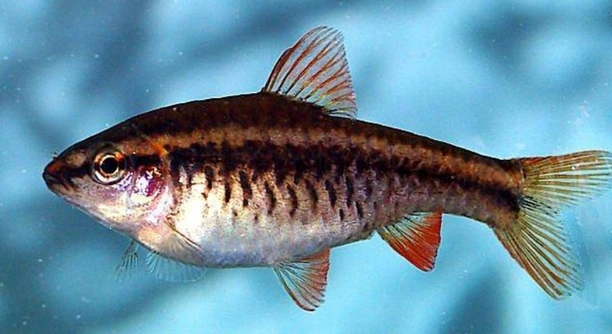
Cherry barbs are popular aquarium fish known for their vivid colors and active nature. If you have them in your tank, you may notice that they often gather near the filter flow.
Cherry barbs swim in the filter flow because it mimics their natural habitat, where currents are present in streams and rivers. The water movement helps stimulate their instincts, providing both food and exercise.
Understanding why your cherry barbs enjoy the filter flow can help you recreate a more comfortable environment for them. This simple adjustment can lead to happier, healthier fish in your tank.
Why Cherry Barbs Are Naturally Drawn to Filter Flow
Cherry barbs are native to slow-moving rivers and streams. In their natural environment, the water flow provides a constant source of oxygen and food. This instinct to swim in currents is deeply embedded in their behavior. In your aquarium, the filter flow imitates these conditions, which is why cherry barbs are often found in those areas. They enjoy the gentle push of the water, which provides them with a sense of security, helping them to feel more comfortable and active.
The filter also brings small particles like food or microorganisms into the current, which the cherry barbs will catch as they swim. This helps them forage and keeps them stimulated. In nature, these fish often swim against the current, seeking food and exploring their surroundings. The presence of flowing water keeps them engaged and active, reducing stress and encouraging natural behaviors.
Aquarium filters can simulate this movement, allowing cherry barbs to thrive. If the water movement is too strong, however, it could cause discomfort. Finding the right flow speed can be key to keeping them happy and healthy.
How to Create the Best Environment for Cherry Barbs
To keep your cherry barbs happy, it’s essential to adjust the filter flow to suit their needs. A gentle current is ideal for encouraging natural behavior.
Cherry barbs thrive in peaceful environments, and you don’t want the flow to be too intense. If your filter is too powerful, consider using a filter with adjustable flow or add a sponge filter to soften the current. This will create a comfortable space for your cherry barbs to swim freely without feeling overwhelmed. Additionally, you can position the filter in a way that directs the flow toward a corner or along the back of the tank, allowing the fish to move freely without being pushed too forcefully.
The Role of Filter Flow in Feeding Cherry Barbs
Cherry barbs often position themselves near the filter because it creates a consistent flow of food. The current brings small particles, like uneaten food or microorganisms, which are easy for them to catch.
When feeding your cherry barbs, it’s essential to provide them with a variety of foods. Floating food will be carried into the filter’s flow, making it easier for them to grab. A well-maintained filter also helps keep the water clear, which reduces food waste and ensures they have a clean environment to hunt in. Additionally, adding small live foods like brine shrimp can attract them towards the filter area.
Cherry barbs benefit from a diet that mirrors the types of food they would find in the wild, such as small crustaceans, algae, and insect larvae. These natural food sources are carried by currents in their native habitats, which explains why they are so drawn to moving water. By ensuring a steady supply of food near the filter, you can encourage this instinct and promote their overall well-being.
Filter Flow and Cherry Barb Health
Maintaining the right water flow is crucial to the health of your cherry barbs. Too much or too little current can lead to stress or even health problems.
When cherry barbs swim against a gentle current, they exercise their muscles, which helps keep them active and healthy. However, if the flow is too strong, they may struggle to swim, which could lead to exhaustion or injury over time. Conversely, stagnant water can create unhealthy conditions, such as poor oxygen levels, that are detrimental to their health. Adjusting the filter flow to a level that allows natural movement and foraging is key to ensuring the fish stay fit.
A good practice is to observe your fish closely. If they are constantly swimming with difficulty or hiding away from the flow, it’s time to lower the filter speed. This small change can make a big difference in their overall health and behavior.
The Importance of Tank Size for Filter Flow
The size of your tank plays a role in how effective the filter flow is. A larger tank requires a more powerful filter to maintain proper water circulation.
In a small tank, the current created by the filter might be too strong, causing cherry barbs to struggle. In a larger tank, a stronger filter can keep the water clean without overwhelming the fish. The key is to balance the filter’s power with the tank size to provide a comfortable flow for the fish.
Placement of the Filter
Proper filter placement can help control the water flow in your tank. Positioning the filter at the tank’s back or along the side can direct the current.
This ensures that the cherry barbs have a gentle, consistent flow to swim against without being pushed too hard. You can experiment with different filter placements to find what works best for your fish, adjusting as needed based on their behavior.
Adjusting Filter Flow with Attachments
You can add attachments to your filter to adjust the water flow. A spray bar, for example, can distribute water evenly and soften the current.
By attaching a spray bar, the water is dispersed across a wider area, reducing the direct force of the flow on the fish. This helps mimic a more natural environment where the current is not concentrated in one spot, allowing your cherry barbs to swim freely.
FAQ
Why do cherry barbs swim in the filter flow?
Cherry barbs are naturally inclined to swim in currents because their native habitats consist of slow-moving rivers and streams. The water flow in aquariums simulates these conditions, providing them with a more natural environment. The filter flow mimics a stream, giving them a space where they can swim, forage, and feel secure. The current brings small food particles, which allows cherry barbs to catch food more easily, while also helping them to stay active and engaged.
Can cherry barbs handle strong filter currents?
Cherry barbs can tolerate moderate currents but may struggle with strong flows. They prefer gentle water movement, which helps them swim comfortably without exhaustion. If the current is too powerful, they may become stressed and avoid the filter area altogether. It’s important to adjust the filter flow to suit their needs, ensuring they don’t feel overwhelmed. If your tank has a strong current, you can reduce it or use equipment to soften it, such as a spray bar or adjustable filter.
Do cherry barbs need a filter?
Yes, cherry barbs benefit from a filter in their tank. Filters help maintain clean water by removing debris, excess food, and waste products. Clean water is crucial for their health and well-being. A filter also aids in oxygenating the water, which is vital for fish like cherry barbs. Without a filter, the water quality could quickly decline, leading to poor health or stress. However, it’s important to select the right filter that won’t produce too strong a current, as this can disturb the cherry barbs.
How do I adjust the filter flow for my cherry barbs?
Adjusting the filter flow for your cherry barbs can be done by selecting a filter with a flow control option. If your filter doesn’t have an adjustable feature, you can use additional attachments like a spray bar, which helps diffuse the current. Placement of the filter is also important; directing the flow toward the back or corner of the tank can reduce the intensity of the current. Ensure the current is not too strong, as it may cause discomfort for the fish.
How can I tell if my cherry barbs are stressed by the filter flow?
If your cherry barbs are stressed by the filter flow, you may notice them avoiding the area near the filter or swimming frantically against the current. They may also display signs of exhaustion or lethargy, spending less time actively swimming. If this happens, it’s a sign that the current is too strong. Reducing the flow or adjusting the filter placement can help them feel more comfortable. Watch for behavior changes like hiding or erratic swimming, which indicate that the current needs to be modified.
Can cherry barbs live without a filter?
While cherry barbs can technically live without a filter, it is not recommended. A filter is essential for maintaining good water quality by removing waste, debris, and excess food. Without proper filtration, harmful toxins can build up in the tank, leading to poor water quality, which can be harmful to your cherry barbs. However, if you don’t have a filter, frequent water changes and regular tank maintenance become even more critical to keeping your cherry barbs healthy.
What size tank is best for cherry barbs?
A tank size of at least 20 gallons is ideal for cherry barbs. This gives them enough space to swim and exhibit natural behaviors. A larger tank also helps maintain water quality, as smaller tanks tend to accumulate waste more quickly. In a smaller tank, it can be harder to manage the filter flow, and the fish may not have enough room to feel comfortable. Providing a well-sized tank with proper filtration will allow your cherry barbs to thrive and remain active.
Do cherry barbs prefer a specific water temperature?
Cherry barbs prefer water temperatures between 74°F and 80°F (23°C – 27°C). This temperature range mimics their natural habitat, where the water is typically warm. If the water is too cold, they may become sluggish, and if it’s too hot, they may experience stress. Maintaining a stable water temperature is key to keeping your cherry barbs healthy and active. A reliable aquarium heater can help regulate the water temperature to stay within this ideal range.
How often should I clean the filter for my cherry barbs?
Cleaning the filter should be done regularly to ensure optimal performance. Typically, you should clean your filter every 4-6 weeks, but this depends on your tank’s size and bioload. A filter that is too dirty can reduce water flow and efficiency, leading to poor water quality. However, be careful not to over-clean the filter, as it can remove beneficial bacteria that help break down waste. Rinse the filter media in tank water, not tap water, to preserve these helpful bacteria.
Can I keep cherry barbs with other fish?
Cherry barbs are peaceful fish that get along well with other species. They do best in community tanks with other non-aggressive fish. Avoid keeping them with very large or territorial fish that might intimidate them. Some good tank mates include small tetras, rasboras, and guppies. When choosing tank mates, ensure that the other fish also prefer similar water conditions, such as similar temperature and pH levels, to maintain harmony in the tank.
What do cherry barbs eat in the wild?
In the wild, cherry barbs are omnivorous and will eat a wide variety of food. Their diet includes small invertebrates, algae, and plant matter. The current helps carry food particles, making it easier for them to catch their prey. In your aquarium, they should be fed a balanced diet that includes high-quality flake food, pellets, and occasional live or frozen foods like brine shrimp or daphnia. This will help mimic their natural feeding habits and provide them with the necessary nutrients to stay healthy.
Do cherry barbs breed in captivity?
Yes, cherry barbs can breed in captivity, although it may take some effort. To encourage breeding, provide a breeding tank with soft, acidic water and a temperature of about 78°F (25°C). The male cherry barb will display bright colors to attract a female. Once the female is ready, she will lay eggs, which hatch within a few days. After spawning, it’s important to remove the parents, as they may eat the eggs. The baby cherry barbs will need special care, including finely crushed food or baby brine shrimp.
How do cherry barbs communicate?
Cherry barbs communicate mainly through body language. They may display vibrant colors, especially males during mating displays. These colors help signal their mood, whether they are courting, defending territory, or displaying stress. They also use their body movements to communicate, such as flicking their fins or darting around quickly. Watching your cherry barbs interact with each other can provide insight into their social structure and well-being.
Final Thoughts
Cherry barbs are fascinating fish that thrive in environments where they can experience gentle water flow, similar to their natural habitats. Their instinct to swim in the filter flow is tied to their natural behavior of seeking currents for food and exercise. By replicating these conditions in your tank, you can provide them with a more comfortable and stimulating environment. Adjusting the filter flow, whether by reducing its intensity or using attachments like spray bars, can help create the perfect balance for these small, active fish. In doing so, you ensure that they feel secure and can live healthy, active lives in your aquarium.
It’s important to consider the size of your tank and the strength of the filter when setting up the ideal environment for your cherry barbs. A filter that is too powerful can overwhelm them, causing stress and preventing them from fully enjoying the benefits of the flow. Similarly, a tank that is too small for the number of fish you have might make it difficult to manage the filter’s current. Finding the right tank size, filter power, and placement will help keep your cherry barbs happy and active, allowing them to exhibit their natural behaviors and thrive in your aquarium. Observing their actions can provide valuable insights into their needs and help you fine-tune the setup for optimal results.
In conclusion, understanding the behavior of cherry barbs and their preference for filter flow can significantly improve their well-being in your aquarium. By adjusting the filter flow, maintaining proper water quality, and providing a comfortable space for them to swim, you can create a tank environment that closely mirrors their natural surroundings. This will not only promote their health but also bring out the best in their playful and vibrant personalities. With these simple adjustments, you can ensure that your cherry barbs are well cared for and continue to enjoy life in your home aquarium.

Hello,
If you enjoy the content that we create, please consider saying a "Thank You!" by leaving a tip.
Every little bit helps us continue crafting quality advice that supports the health, happiness, and well-being of pets around the world, for pets of all shapes, sizes, and species.
We really appreciate the kindness and support that you show us!