
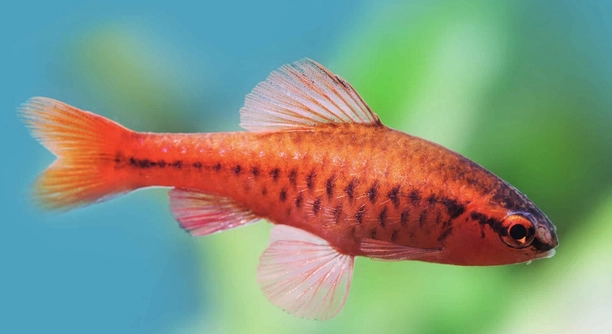
Cherry barbs are popular fish that many aquarium enthusiasts enjoy keeping. They are active, peaceful, and easy to care for, making them a great choice for beginners. But like all creatures, they may respond to changes in their environment.
Cherry barbs have been observed to react to changes in barometric pressure, which can affect their behavior and health. These changes may influence their swimming patterns and feeding habits, possibly due to shifts in water conditions linked to pressure changes.
Understanding how barometric pressure impacts cherry barbs can help ensure they thrive in your aquarium. This knowledge may be useful for maintaining a healthy environment and preventing unnecessary stress for your fish.
What is Barometric Pressure and How Does it Affect Fish?
Barometric pressure refers to the weight of the air above us, which changes as weather patterns shift. It rises when the weather is clear and drops when a storm is approaching. Fish, including cherry barbs, can sense these changes in the pressure. When the pressure drops, they may feel a sense of unease or discomfort, which can affect their behavior. This is because their bodies are sensitive to changes in their environment, especially the pressure on their swim bladder, which helps them regulate buoyancy.
Changes in barometric pressure are often linked to storms. As pressure drops before a storm, fish may become more active or restless. However, when the pressure rises after a storm, fish may calm down. Cherry barbs, known for their peaceful nature, can be especially sensitive to such fluctuations, making it important to monitor their behavior during significant weather changes.
If you’ve noticed your cherry barbs swimming frantically or hiding more often, this could be due to shifts in barometric pressure. These responses are natural, but knowing how to read your fish’s behavior can help you maintain a stable aquarium environment for them. You might also notice changes in their feeding habits, such as increased or decreased appetite. Keeping their tank conditions stable, including temperature and water quality, will help minimize stress during these times.
How to Monitor Barometric Pressure in Your Aquarium
Barometric pressure itself isn’t something that can be easily controlled in an aquarium, but monitoring it is important. Many weather apps and devices can track changes in air pressure. You can use this information to anticipate shifts in your fish’s behavior. Some aquarists use barometers in their tanks to track pressure changes more closely.
By paying attention to these changes, you can adjust tank conditions and be prepared for any effects they might have on your cherry barbs. If you notice your fish becoming more stressed during these times, adding some plants or hiding spots in the tank can help them feel secure. These small changes could make a big difference in their overall health and comfort. Understanding the connection between weather patterns and aquatic life can help you be more proactive in maintaining your tank.
How Barometric Pressure Impacts Behavior
Barometric pressure can influence a fish’s activity levels and behavior. Cherry barbs, like many other fish, may show signs of stress or agitation when pressure drops. They might swim erratically, hide more, or show changes in their feeding patterns. These changes are typically temporary but can be noticeable.
Fish have an organ called the swim bladder, which helps them stay afloat. A drop in pressure can affect the swim bladder, causing discomfort and changes in their buoyancy. This can lead to unusual swimming patterns or an unwillingness to interact with the environment. In contrast, when the pressure rises, fish often feel more at ease. Cherry barbs may become calmer and more social again once the pressure stabilizes. Their behavior may return to normal once the storm or weather system has passed.
When this occurs, it’s important to observe your fish closely. If they continue to show signs of stress for extended periods, there may be other underlying issues in the tank that need to be addressed. Stress can also be worsened by poor water quality or fluctuating temperatures, which can compound the effects of barometric changes.
How to Minimize Stress Caused by Pressure Changes
To help cherry barbs handle barometric pressure changes, focus on maintaining a stable tank environment. Regular water changes and ensuring consistent water parameters can help reduce overall stress. Keeping a routine for feeding and cleaning also helps keep your fish comfortable. Providing plants and hiding spots gives your fish a safe place to retreat if they become anxious.
It’s also beneficial to avoid major disturbances in the tank during pressure changes. Fish are more sensitive during these times, so avoid moving decorations or adding new tank mates. Instead, focus on keeping the water clean and stable. This small attention to detail helps ensure your cherry barbs are less likely to feel stressed when the barometric pressure shifts.
Signs Your Cherry Barbs are Affected by Barometric Pressure
If your cherry barbs start behaving unusually, it might be due to changes in barometric pressure. They may swim erratically, appear restless, or seek shelter more often. These changes can be temporary, but monitoring their behavior can help identify the cause.
Sometimes, changes in barometric pressure are subtle. Your fish might show less obvious signs, like altered feeding habits or slower movements. If you notice these small shifts, it’s possible that the pressure is affecting them, even if it’s not as dramatic as other signs.
How to Help Cherry Barbs Adapt to Pressure Changes
One of the best ways to help cherry barbs adapt is by maintaining a stable aquarium. Keeping their environment consistent will help reduce stress from fluctuating pressure. Ensure proper filtration, and provide hiding spots so they feel secure. Stable water conditions can make a big difference during pressure shifts.
When to Seek Additional Support
If you notice prolonged signs of stress in your cherry barbs, it may be helpful to adjust their environment. Adding more plants or softening the water could help them feel more at ease. If their behavior doesn’t improve, consider consulting a veterinarian or aquatic expert for further guidance.
FAQ
Do Cherry Barbs react to changes in barometric pressure?
Yes, cherry barbs can react to changes in barometric pressure. These fish are sensitive to fluctuations, which can affect their behavior. When the barometric pressure drops, especially before a storm, cherry barbs may become restless, swim erratically, or hide more than usual. After the pressure stabilizes, they often return to their normal behavior. These reactions are usually temporary and not harmful if the aquarium environment remains stable.
How does barometric pressure affect fish?
Fish, including cherry barbs, rely on their swim bladder to maintain buoyancy. When the barometric pressure changes, it can affect the swim bladder, causing discomfort or changes in swimming behavior. A drop in pressure may make fish feel unbalanced or stressed, leading them to act differently. For example, they may swim closer to the surface or show increased activity, signaling they are reacting to the pressure changes. Once the pressure stabilizes, they generally settle back to their usual behavior.
Is it dangerous for cherry barbs if the pressure changes?
In most cases, short-term changes in barometric pressure are not dangerous for cherry barbs. However, if the stress from these changes is prolonged or combined with other tank issues like poor water quality or sudden temperature shifts, it can lead to health problems. Long-term exposure to stress can weaken their immune system and make them more susceptible to diseases. Keeping the aquarium stable and minimizing stressors will help prevent any long-term harm to your fish.
Can I prevent stress from barometric pressure changes?
While you can’t control the weather or barometric pressure, you can minimize the impact on your cherry barbs by maintaining a stable tank environment. Regular water changes, ensuring proper filtration, and providing hiding spots can help reduce stress during pressure changes. A stable temperature and consistent lighting will also help the fish feel more secure and less sensitive to shifts in pressure. Monitoring your fish’s behavior and adjusting the environment accordingly can help them adapt better.
Do cherry barbs eat more when the pressure drops?
Some fish, including cherry barbs, may show an increase in appetite when the pressure drops before a storm. This change is typically due to the increase in their activity levels as they respond to the pressure shift. However, not all fish will show this behavior, and it’s important to observe your cherry barbs for any changes in their feeding habits. If they suddenly eat more than usual, make sure not to overfeed, as this can lead to water quality issues.
Can barometric pressure cause health problems for cherry barbs?
Barometric pressure changes themselves are unlikely to directly cause health problems for cherry barbs. However, prolonged stress caused by sudden or extreme shifts in pressure, when combined with other factors like poor water quality, can negatively affect their health. Stress weakens their immune system, making them more prone to illnesses. To minimize the risk, maintain a clean tank, avoid rapid changes in water parameters, and ensure your fish have a stable and safe environment to thrive.
How long do cherry barbs take to adjust to pressure changes?
Cherry barbs typically adjust to barometric pressure changes within a few hours after the pressure stabilizes. Most fish, including cherry barbs, are resilient and can recover quickly once the pressure returns to normal. However, during a storm or dramatic weather change, you may notice them acting differently for a longer period. The time it takes to adjust varies depending on the fish’s sensitivity and the extent of the pressure change. Keeping their tank environment calm and consistent can help them adapt faster.
Are there any signs that my cherry barbs are stressed due to pressure changes?
Yes, some common signs that cherry barbs are stressed due to pressure changes include increased swimming activity, hiding more often, or erratic swimming patterns. They may also show a decrease in appetite or appear less active than usual. If you notice any of these behaviors, it may be related to a barometric pressure change, especially if it happens just before or during a storm. However, if these behaviors persist after the pressure stabilizes, there might be other stressors in the tank that need attention.
Can barometric pressure affect other fish species in the tank?
Yes, other fish species in the tank may also react to barometric pressure changes. Just like cherry barbs, most fish have swim bladders that are sensitive to changes in pressure. However, different species may react in various ways. Some might become more active, while others might become more lethargic. It’s essential to observe all the fish in your aquarium during such changes and ensure that the environment remains as stable as possible. Providing plenty of hiding spots and keeping the water clean can help all the fish feel more secure.
How can I support my cherry barbs during weather changes?
To support your cherry barbs during weather changes, ensure their tank conditions are ideal. This includes maintaining the right water temperature, pH, and cleanliness. You can add plants, rocks, or other decorations to give your fish plenty of hiding spots. If you notice stress behaviors, avoid making sudden changes to the tank that could add to the stress. Keeping things calm and steady will help your cherry barbs navigate the pressure shifts with minimal discomfort.
Final Thoughts
Cherry barbs are resilient fish, but like all animals, they can react to changes in their environment. One such change is barometric pressure, which can fluctuate with weather patterns. While these changes may not always be harmful, they can cause temporary stress for your fish. You might notice your cherry barbs swimming erratically or hiding more often during a drop in pressure, especially before a storm. These reactions are a natural response, and they usually subside once the pressure stabilizes. By understanding how pressure affects your fish, you can take steps to minimize stress and ensure their comfort.
It’s important to keep your aquarium conditions as stable as possible. Providing a clean tank with regular water changes and ensuring the temperature remains consistent will help your cherry barbs feel secure. Adding plants and hiding spots to your aquarium can give your fish a place to retreat during times of pressure change. By doing so, you create an environment where they can cope with stress and feel safe when pressure shifts occur. Even though you can’t control the weather, you can control how the tank is set up, which plays a significant role in keeping your fish healthy.
Understanding the behavior of your cherry barbs during weather changes can help you become a more attentive fish keeper. While barometric pressure shifts might be out of your control, knowing the signs of stress and how to respond will help you care for your fish better. With proper care and attention, your cherry barbs will likely adapt to pressure changes without significant issues. Maintaining a stable, comfortable environment is the key to ensuring their well-being, and this will help them thrive even when the weather is unpredictable.

Hello,
If you enjoy the content that we create, please consider saying a "Thank You!" by leaving a tip.
Every little bit helps us continue crafting quality advice that supports the health, happiness, and well-being of pets around the world, for pets of all shapes, sizes, and species.
We really appreciate the kindness and support that you show us!