
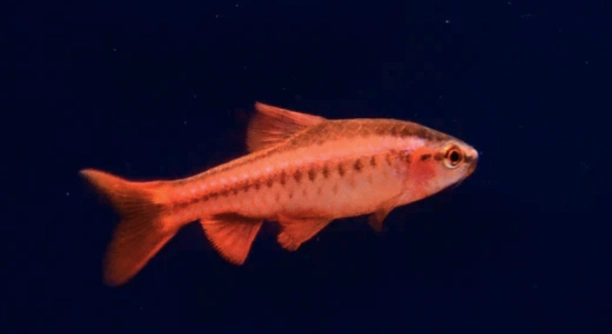
Cherry Barbs are known for their vibrant colors and peaceful nature, making them a popular choice for aquariums. However, sometimes you may notice their gills turning red, which can be concerning. Understanding the causes of this issue is important to keep your fish healthy.
The red gills in Cherry Barbs can be caused by various factors such as poor water quality, infections, parasites, or stress. Identifying the cause is key to preventing further health problems and ensuring the well-being of your fish.
Proper care is essential to prevent red gills in Cherry Barbs. By learning the possible causes and addressing them, you can improve their living conditions and avoid complications. Let’s take a closer look at what might be affecting your fish.
Poor Water Quality
Water quality plays a major role in the health of Cherry Barbs. If your tank has high levels of ammonia, nitrites, or nitrates, it can harm your fish, causing stress and irritation to their gills. These chemicals can build up in the water if you don’t perform regular water changes or maintain proper filtration. This makes the gills appear red and inflamed.
Red gills caused by poor water quality can be fixed by ensuring proper filtration and regular water changes. The right water parameters are crucial for the overall well-being of your fish. Keeping ammonia and nitrite levels near zero and nitrates below 20 ppm will prevent health issues.
To address poor water quality, check your filtration system and clean it regularly. Perform water changes every week or two, replacing 20-30% of the tank water. Also, test your water frequently for harmful substances like ammonia and nitrates. By maintaining the right conditions, you can help prevent your Cherry Barbs from developing red gills due to poor water quality.
Infections and Parasites
Infections and parasites can cause irritation and damage to your Cherry Barbs’ gills, leading to redness. These could include fungal infections, bacterial diseases, or external parasites like flukes. These harmful agents can cause your fish to become stressed, affecting their gills.
If your fish have been exposed to infected tankmates or poor water conditions, they may become more susceptible to infections. Red gills are just one sign of a potential infection, so it’s essential to monitor your fish for other symptoms like swelling, lesions, or rapid gill movement. Treating these infections early is vital.
The best way to prevent infections and parasites is to quarantine new fish before introducing them to your tank. This reduces the risk of spreading diseases. If you notice red gills or other symptoms, seek advice on appropriate treatments from an aquarium specialist. Ensure your tank is clean and maintain good water quality to help prevent future infections. Regularly inspect your fish for signs of illness to catch problems early.
Stress
Stress can easily cause red gills in Cherry Barbs. Changes in their environment, such as sudden temperature shifts, overcrowding, or aggressive tankmates, can trigger this. When fish feel stressed, their immune systems weaken, making them more prone to gill irritation and infection.
Maintaining a stable environment is essential for keeping Cherry Barbs healthy. Avoid sudden changes in water temperature and pH levels. Also, make sure your tank is not overcrowded, as this can cause competition for resources and increase stress. Aggressive fish should be kept with peaceful tankmates to avoid conflict.
Another factor to consider is the type of decorations and hiding spots in your aquarium. Cherry Barbs, like many fish, prefer a place to hide when feeling stressed. Providing plants, rocks, or other structures will give them a sense of security. Ensuring they feel safe and comfortable reduces stress and the risk of red gills.
Poor Diet
A poor diet can lead to health problems, including red gills. If Cherry Barbs are not getting the right balance of nutrients, it can weaken their immune system and make them more susceptible to infections and other issues that affect their gills.
Cherry Barbs need a varied diet to stay healthy. Offering high-quality pellets, flakes, and occasional live foods will ensure they get the necessary vitamins and minerals. In addition, supplementing their diet with some vegetables, like spinach or zucchini, helps to keep them in good shape. Avoid overfeeding, as it can lead to water quality problems.
If your Cherry Barbs are showing signs of red gills, consider adjusting their diet. You may need to try a new food or increase the variety to see if it helps. A well-balanced diet will support their immune system, prevent illnesses, and help them maintain their vibrant colors.
Water Temperature
Cherry Barbs are sensitive to water temperature changes. If the water is too hot or too cold, it can stress them out, causing their gills to turn red. Sudden temperature changes can further exacerbate the issue, leading to severe health problems.
Maintaining a consistent water temperature between 74°F and 79°F is essential for Cherry Barbs. Use a reliable aquarium heater to keep the water stable. Regularly check the temperature using a thermometer to ensure it remains within the ideal range. A sudden drop or rise in temperature can stress the fish, leading to red gills and other health concerns.
In addition to the water temperature, it’s important to avoid placing your aquarium in direct sunlight or near air conditioning units. These factors can cause fluctuations in temperature, negatively impacting the fish. Consistent care with water temperature is key to keeping your Cherry Barbs healthy and stress-free.
Poor Filtration
Insufficient filtration can cause the buildup of harmful substances in the tank, leading to poor water quality. Without proper filtration, toxins like ammonia and nitrites can irritate the gills of Cherry Barbs, causing redness and discomfort.
Make sure your filter is appropriate for the size of your tank. Over time, filters can become clogged with debris, which reduces their effectiveness. Clean or replace the filter media regularly to maintain proper filtration. A well-maintained filter helps keep the water clean, preventing red gills caused by poor water quality.
Overcrowding
Overcrowding in a tank can lead to stress and poor water quality, both of which contribute to red gills in Cherry Barbs. When there are too many fish in a small space, they compete for oxygen and resources, causing stress and weakening their immune system.
Make sure you’re not exceeding the recommended number of fish for your tank size. Overcrowding can also lead to increased waste, which will impact the water quality. Regular water changes and proper filtration become even more important when your tank is more populated. Avoid cramming too many fish into a small tank, as this can lead to numerous health issues.
FAQ
What are the signs that my Cherry Barb has red gills?
Red gills in Cherry Barbs are usually accompanied by other symptoms such as rapid gill movement, lethargy, or loss of appetite. The gills may appear bright red or inflamed, and your fish may seem stressed or agitated. If you notice these signs, it’s important to act quickly to identify and address the underlying issue.
How can I treat red gills in Cherry Barbs?
Treatment depends on the cause of the red gills. If the issue is poor water quality, perform a water change and improve filtration. For infections, you may need to use medication or isolate affected fish. If stress is the cause, reduce stressors by adjusting the tank environment or addressing aggressive tankmates.
Can poor water quality cause red gills in Cherry Barbs?
Yes, poor water quality is a common cause of red gills in Cherry Barbs. Ammonia, nitrites, and high nitrate levels can irritate the gills and cause redness. Regular water changes, proper filtration, and testing water parameters can help prevent these issues and keep your fish healthy.
Is it possible for Cherry Barbs to have red gills from stress?
Yes, stress can lead to red gills. Factors like overcrowding, sudden temperature changes, or aggressive tankmates can make Cherry Barbs feel stressed, weakening their immune system and causing their gills to become inflamed. Providing a stable environment and peaceful tankmates can reduce stress and prevent red gills.
Can infections cause red gills in Cherry Barbs?
Infections are another possible cause of red gills. Bacterial, fungal, and parasitic infections can affect the gills, causing inflammation and redness. If you notice lesions, swelling, or unusual behavior in your Cherry Barbs, it’s important to treat the infection promptly. Quarantining affected fish and using appropriate medications may help.
What should I do if my Cherry Barb has red gills from poor diet?
A poor diet can weaken your Cherry Barb’s immune system, making them more vulnerable to infections and red gills. To improve their diet, offer a variety of high-quality food, including pellets, flakes, and live or frozen foods. Adding vegetables, like spinach or zucchini, can also boost their nutrition and health.
How do I maintain proper water temperature for Cherry Barbs?
Cherry Barbs thrive in temperatures between 74°F and 79°F. Use a reliable aquarium heater to keep the water temperature stable. Regularly check the water temperature with a thermometer, especially if your tank is in a room with fluctuating temperatures. Avoid placing your aquarium in direct sunlight or near air conditioning vents, as these can cause temperature fluctuations.
Is overcrowding a problem for Cherry Barbs?
Yes, overcrowding can lead to stress, poor water quality, and even red gills. Cherry Barbs need space to swim and proper oxygen levels. Overcrowding leads to increased waste production, which can cause water quality problems and elevate stress levels. Make sure to follow the recommended fish-to-tank size ratio to avoid overcrowding and maintain a healthy tank environment.
What type of filtration do Cherry Barbs need?
Cherry Barbs need a good filtration system to keep the water clean and maintain proper water quality. The filter should be strong enough for the size of the tank, but not so powerful that it creates strong currents that could stress the fish. Regularly clean and maintain the filter to ensure it works efficiently and provides the necessary filtration.
Can Cherry Barbs recover from red gills if caught early?
Yes, if you identify the problem early and address it quickly, your Cherry Barbs can recover from red gills. Whether it’s poor water quality, stress, infection, or another cause, acting fast can prevent further complications. Ensure water parameters are stable, provide a healthy diet, and reduce any stressors in the tank to help your fish heal.
How often should I change the water in my Cherry Barb tank?
To prevent poor water quality, perform water changes regularly. For most tanks, changing 20-30% of the water every week or two is recommended. If you have more fish or notice higher levels of waste, you may need to do more frequent water changes. Always monitor the water quality and adjust changes accordingly.
What is the ideal tank size for Cherry Barbs?
A 20-gallon tank is typically a good starting size for a small group of Cherry Barbs. This provides enough space for them to swim and reduces the risk of overcrowding. If you plan to keep other fish, you’ll need a larger tank. Ensure your tank has proper filtration and enough hiding spots to keep your Cherry Barbs comfortable.
Can water temperature fluctuations affect my Cherry Barbs?
Yes, fluctuations in water temperature can cause stress and health problems for Cherry Barbs, including red gills. Maintaining a consistent temperature between 74°F and 79°F is crucial for their health. Avoid rapid temperature changes, as they can lead to stress and other issues like weakened immune systems, making your fish more prone to illness.
Final Thoughts
Taking care of Cherry Barbs involves ensuring they have the right environment, diet, and care to keep them healthy. Red gills in these fish can often be a sign of underlying issues such as poor water quality, infections, stress, or even an improper diet. Recognizing the early signs of red gills and addressing the root cause can help prevent further health problems and allow your fish to recover. By focusing on water quality, temperature, and a balanced diet, you can maintain a healthy aquarium and prevent many common issues that affect Cherry Barbs.
A key aspect of keeping Cherry Barbs healthy is regular tank maintenance. This includes performing water changes, checking water parameters, and maintaining proper filtration. Fish are sensitive to changes in their environment, so consistency is crucial. Whether it’s keeping the water temperature stable or ensuring the tank is not overcrowded, small adjustments can make a big difference in the health of your fish. Stress is one of the leading causes of red gills, and reducing factors like aggressive tankmates or sudden water changes can help keep your Cherry Barbs comfortable and stress-free.
In addition to environmental factors, diet plays an important role in your fish’s health. Providing a varied diet with high-quality food will strengthen their immune system and prevent issues like red gills caused by nutritional deficiencies. Cherry Barbs are hardy fish, but they thrive when given the proper care. By staying vigilant and maintaining a healthy aquarium, you can ensure that your Cherry Barbs live a long and happy life. With the right steps, you can avoid common health problems and enjoy watching your fish thrive in their environment.

Hello,
If you enjoy the content that we create, please consider saying a "Thank You!" by leaving a tip.
Every little bit helps us continue crafting quality advice that supports the health, happiness, and well-being of pets around the world, for pets of all shapes, sizes, and species.
We really appreciate the kindness and support that you show us!