
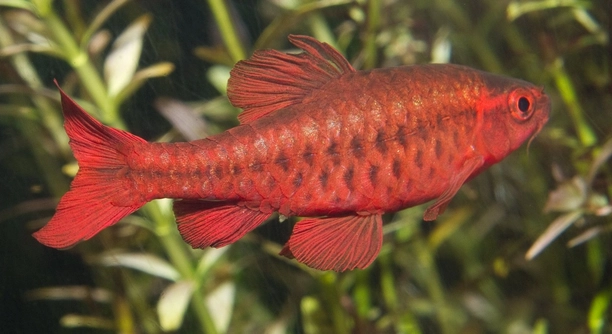
Cherry barbs are small, colorful fish often kept in home aquariums. However, during breeding, their aggression levels can rise, which may lead to stress for both the fish and their owners. Handling this behavior is crucial.
To reduce cherry barb aggression during breeding, provide ample space, introduce plenty of hiding spots, and ensure a balanced male-to-female ratio. Maintaining optimal water conditions and offering a stress-free environment can also help calm aggressive tendencies.
By adjusting a few factors in their environment, you can create a peaceful space for your cherry barbs to breed. These strategies will ensure healthier fish and a more enjoyable experience for you as their caretaker.
Create a Spacious Environment
Providing enough space for your cherry barbs is essential to reduce aggression. In smaller tanks, the fish feel more confined, which can trigger territorial behavior, especially when breeding. A cramped space leads to increased stress and fighting, which negatively affects their health and breeding success. Larger tanks, on the other hand, give the fish room to move around and avoid constant conflict.
When setting up the tank, try to have at least 20 gallons of water for a group of cherry barbs. This space will allow them to have their own territories without constant pressure from other fish. The more room they have to swim and explore, the less likely they are to show aggression.
It’s also helpful to keep the water clean and well-filtered. Poor water quality can exacerbate stress, making aggression even worse. A spacious tank with clean water creates an environment that promotes better behavior and successful breeding. Fish that aren’t stressed by overcrowding or poor water conditions are more likely to breed peacefully and productively.
Provide Hiding Spots and Plants
Adding hiding spots in the aquarium can drastically reduce stress and aggression among cherry barbs. Plants, rocks, and decorations provide spaces for fish to retreat when they feel threatened. This behavior is natural for fish, and offering these spaces will help keep the aggression in check.
Aquatic plants like Java moss or Anubias are ideal for this purpose. They grow quickly and give cherry barbs plenty of areas to hide when they need to. A mix of plants and decorations ensures there’s always a safe space available for them to rest or hide from other fish, reducing the likelihood of aggression. By doing this, you help create a more peaceful environment, which supports their breeding.
Maintain a Balanced Male-to-Female Ratio
Another effective way to reduce aggression is to maintain a proper balance between male and female cherry barbs. Typically, male cherry barbs are more aggressive, especially during the breeding season. Keeping too many males in the tank can lead to constant fighting. On the other hand, too many females might cause competition for males, also leading to aggression.
The ideal ratio is one male to two or three females. This ensures that the males don’t fight over the females and that there’s enough space for each fish. It also reduces stress, as the females are less likely to be harassed. By striking this balance, you create a more harmonious environment where the cherry barbs can breed without undue aggression.
Keep Water Conditions Optimal
Water quality plays a huge role in the behavior of your cherry barbs. Poor water conditions can stress the fish and lead to more aggressive behavior, especially during breeding. Ensuring that the water temperature, pH, and hardness are at optimal levels is crucial. Cherry barbs prefer water temperatures between 74°F and 80°F and a pH between 6.0 and 7.5.
Regular water changes are necessary to maintain clean water and avoid any build-up of toxins like ammonia. Having a good filtration system is also important for keeping the water clear and fresh. If the water is cloudy or has an unpleasant odor, it can trigger stress, causing your cherry barbs to become more aggressive.
With the right water conditions, your cherry barbs will feel more comfortable and secure. This will not only reduce aggression but also promote better breeding behavior. A stable and healthy environment is key to raising happy, non-aggressive cherry barbs in your aquarium.
Avoid Overfeeding
Overfeeding your cherry barbs can lead to water quality issues and increased aggression. When they are given too much food, it can cause waste to build up in the tank, making the water toxic. This creates stress, which, in turn, can make the fish more territorial.
It’s important to feed your cherry barbs only what they can consume in a few minutes. Excess food left in the tank not only affects water quality but also encourages competition among fish. They may become more aggressive toward each other, especially when breeding.
Feeding a small amount of food once or twice a day is sufficient. This keeps the water cleaner and helps reduce stress levels. A clean tank with the right amount of food promotes a peaceful atmosphere where aggression is less likely to occur. Maintaining a proper feeding schedule is key to keeping your fish calm.
Control Tank Lighting
The lighting in the tank also affects cherry barbs’ behavior. Bright lights can stress them out, especially during breeding. Fish are more likely to feel exposed under intense lighting, which can trigger aggression. Keeping the lighting dim or using a natural day-night cycle can help keep aggression under control.
A soft light mimics their natural environment and allows them to feel more comfortable and secure. It’s also important to turn off the lights at night, as this gives the fish a chance to rest. Consistent light levels will help your cherry barbs feel more relaxed and less likely to fight.
Setting up a timer for the aquarium light is a good idea to maintain a consistent schedule. Keeping the tank dark at night is just as important as using appropriate light levels during the day. This balanced lighting will help keep aggression at bay while ensuring the fish have a peaceful breeding experience.
Separate Aggressive Individuals
If you notice one or more cherry barbs being excessively aggressive, it may be best to separate them from the rest. Some fish, particularly males, can become overly territorial and disruptive, especially during the breeding period. Isolating the aggressive fish allows the others to breed in peace.
It’s important to observe your fish regularly. If one is consistently chasing or harassing others, it’s a sign that it needs to be placed in a separate tank. This simple solution reduces stress for the rest of the group, helping them breed without the fear of constant aggression.
Use Breeding Boxes
Breeding boxes are a useful tool to help control aggression during breeding. They allow you to separate the males and females temporarily, reducing the chance of aggression. These boxes are especially effective for separating overly dominant males who tend to cause stress during the breeding process.
The breeding box ensures that the fish are still in close proximity, so they don’t lose interest in each other, but prevents them from engaging in territorial disputes. It’s a temporary solution that can make a big difference in the overall breeding environment.
Monitor Water Temperature
Cherry barbs are sensitive to temperature changes. Too much fluctuation can cause stress and aggression, especially during breeding. Keeping the water temperature stable and within the recommended range (74°F-80°F) helps maintain a calm environment.
A consistent water temperature ensures your cherry barbs feel secure, leading to healthier breeding behavior. You can use a reliable aquarium heater to maintain steady warmth. Proper temperature management reduces unnecessary stress, helping the fish focus on breeding instead of dealing with uncomfortable conditions.
FAQ
What is the best tank size for cherry barbs during breeding?
A minimum of a 20-gallon tank is recommended for cherry barbs, especially during breeding. This size provides ample space for them to swim and establish territories without being cramped. The larger the tank, the less likely they are to feel threatened or become overly aggressive, as it gives each fish enough room to retreat if needed. If you’re planning to breed, ensure the tank is free from too many fish and has plenty of hiding spots to reduce stress and territorial behavior.
How can I reduce aggression in male cherry barbs during breeding?
Male cherry barbs are naturally more aggressive, especially during breeding, as they compete for the attention of females. To reduce their aggression, make sure there is a balanced ratio of males to females—ideally, one male for every two or three females. This helps avoid constant competition. Additionally, providing hiding spots and visual barriers in the tank, like plants or decorations, can help minimize aggressive behavior. Keeping the water conditions stable and clean also reduces stress, which can further calm aggressive males.
Do cherry barbs need a lot of light for breeding?
Cherry barbs don’t require intense lighting for breeding, and in fact, too much light can stress them out. A moderate amount of light, simulating a natural day-night cycle, works best. Bright lights may make them feel exposed or uneasy, triggering more aggressive behavior. Use softer lighting to mimic their natural environment. Keeping the lights on for about 10-12 hours a day, and turning them off at night, will help maintain a calm atmosphere conducive to breeding.
What water conditions are best for cherry barbs during breeding?
For cherry barbs, the ideal water temperature is between 74°F and 80°F, with a pH range of 6.0 to 7.5. Keeping the water quality high is essential for reducing stress and promoting breeding. Regular water changes, at least 25% every two weeks, help maintain healthy conditions. Make sure the water is well-filtered, as poor water quality can trigger aggression and hinder the breeding process. Monitor ammonia, nitrite, and nitrate levels to ensure the environment remains stable.
How do I know when cherry barbs are ready to breed?
Cherry barbs typically breed when they are around 1 year old. You’ll notice physical changes in the males during breeding season, as they develop brighter, more vibrant colors to attract females. The males also exhibit more active and competitive behavior. Females tend to become rounder as they develop eggs. It’s also important to ensure that the water conditions are right, as this triggers the breeding behavior. Providing a comfortable environment with plenty of hiding spaces helps make the breeding process smoother.
Can cherry barbs breed with other types of barbs?
Cherry barbs are a specific species of barb and should not be bred with other types of barbs. While they may be kept in the same tank with other species, breeding between different types of barbs is not recommended as it can lead to hybrid fish, which may have health or behavioral issues. For successful breeding, it’s best to keep only cherry barbs in the breeding tank, allowing them to focus on their natural reproductive instincts.
Should I separate cherry barbs after they breed?
Once cherry barbs breed, it’s often a good idea to remove the adults from the tank to prevent them from eating the eggs or fry. While cherry barbs are generally not overly aggressive toward their young, they may still eat the eggs if they are not separated. After the eggs hatch and the fry become free-swimming, you can reintroduce the adults, but it’s important to monitor the situation to ensure the fry are safe. Providing plenty of hiding spots for the fry can help them survive until they are big enough to fend for themselves.
How do I care for cherry barb fry?
Cherry barb fry are very small and require careful attention. After the eggs hatch, they’ll spend the first few days absorbing their yolk sacs. Once they are free-swimming, they need fine food, such as infusoria or newly hatched brine shrimp. Make sure to keep the water clean and stable, and provide plenty of hiding spots for the fry. It’s crucial to maintain a low light level and avoid stressful situations. As the fry grow, you can start feeding them more varied foods like crushed flakes.
Breeding cherry barbs can be a rewarding experience, but it comes with its own set of challenges. The key to success lies in creating the right environment. Providing ample space, maintaining good water quality, and offering plenty of hiding spots are all important factors. These measures reduce stress and prevent aggression, allowing the fish to focus on breeding. Keeping a balanced male-to-female ratio is also crucial, as this helps avoid the territorial behavior that often disrupts peaceful breeding.
Another important aspect to consider is monitoring the fish for any signs of aggression. While males can be competitive during breeding, some can become overly aggressive, which may lead to stress and harm. In these cases, separating the aggressive individuals or using breeding boxes can be an effective solution. It’s essential to create a stress-free environment where the fish can feel safe and secure. This can significantly improve breeding outcomes, ensuring both the adults and fry thrive in their surroundings.
Ultimately, successful cherry barb breeding relies on a combination of good tank management and attentive care. Monitoring water conditions, adjusting lighting, and providing a balanced diet all play important roles in reducing aggression and supporting healthy reproduction. By following these steps and making adjustments as needed, you can create a peaceful breeding environment for your cherry barbs, leading to healthier fish and a more enjoyable experience for you as their caretaker.

Hello,
If you enjoy the content that we create, please consider saying a "Thank You!" by leaving a tip.
Every little bit helps us continue crafting quality advice that supports the health, happiness, and well-being of pets around the world, for pets of all shapes, sizes, and species.
We really appreciate the kindness and support that you show us!