
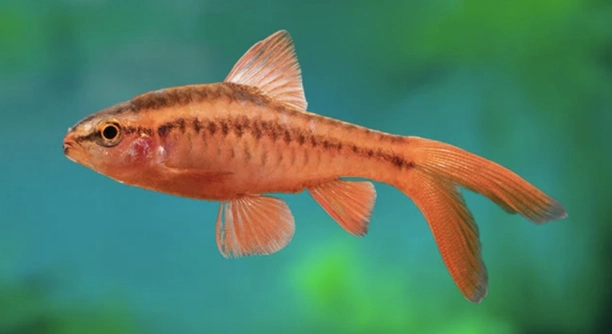
Is your Cherry Barb not eating and you’re unsure why? This behavior can be frustrating, especially when you want to ensure the best care for your fish. Identifying the cause is the first step toward resolving it.
The main reason your Cherry Barb may not be eating is stress. Stress can be caused by various factors such as poor water quality, overcrowding, inappropriate tank mates, or sudden changes in their environment. These factors disrupt their normal feeding behavior.
Understanding these factors will help you make adjustments and ensure your Cherry Barb remains healthy. Keep reading to find out more about the common causes and solutions.
Poor Water Quality
Water quality plays a significant role in your Cherry Barb’s feeding habits. If the water is too polluted or not properly maintained, it can lead to stress, which may cause a loss of appetite. Factors like high ammonia, nitrite, or nitrate levels can irritate your fish. Dirty or improperly filtered water can also harbor harmful bacteria, further affecting their health. It’s essential to monitor water parameters regularly and keep them within optimal levels for your Cherry Barb’s well-being.
Keeping the tank clean is crucial. Regular water changes and proper filtration will help maintain the water quality.
Test the water weekly to check ammonia, nitrites, and nitrates. You should aim for a pH level between 6.5 and 7.5, a temperature range of 74–80°F, and low levels of ammonia and nitrites. If any of these are off, your Cherry Barb may become stressed and stop eating. You should also clean the tank regularly and ensure the filter works well. If these factors improve, your Cherry Barb’s appetite may return, and overall health will improve.
Stress from Tank Mates
Having aggressive or incompatible tank mates can make your Cherry Barb stressed, which directly affects its eating habits. Peaceful fish are ideal companions, while overly territorial or aggressive species might frighten your Cherry Barb. This stress can lead to poor feeding, hiding, or even health issues in the long run.
Choose tank mates carefully. Peaceful species like other Cherry Barbs, small tetras, or Corydoras catfish are ideal.
Fish that are too large or aggressive may scare your Cherry Barb. If your Cherry Barb is constantly hiding or showing signs of stress, it’s worth reconsidering the tank setup. Adding hiding spots like plants or caves can help your fish feel safer. If you can, move aggressive species to a separate tank. By creating a peaceful environment, your Cherry Barb will feel more secure and, in turn, be more likely to start eating again.
Inappropriate Tank Temperature
The water temperature in your Cherry Barb’s tank can greatly affect its appetite. If the water is too cold or too warm, it can lead to stress and a lack of interest in food. Cherry Barbs thrive in a temperature range of 74–80°F. Anything outside this range can cause discomfort.
If the water is too cold, your Cherry Barb may become lethargic and lose its appetite. On the other hand, if the water is too warm, it may lead to oxygen depletion and stress. Make sure your aquarium heater is working correctly and maintain a consistent temperature. It’s important to regularly check the tank’s temperature to ensure it stays within the ideal range. Keeping it stable is key for your Cherry Barb’s feeding and overall health.
If you notice your Cherry Barb showing signs of stress, such as excessive hiding or lethargy, double-check the water temperature. Even small fluctuations can cause problems. An aquarium thermometer will help you monitor the temperature accurately, and adjusting the heater may solve the issue quickly.
Overfeeding
Overfeeding can be another reason your Cherry Barb might not be eating. While it’s tempting to feed them frequently, too much food can cause water quality problems and stress your fish. Leftover food will decay, raising ammonia levels and polluting the water, which in turn affects your fish’s health.
Instead of feeding large amounts at once, provide smaller portions of food that your fish can consume within a few minutes. This practice not only helps maintain water quality but also keeps your Cherry Barb from feeling overwhelmed by too much food. Overfeeding can also lead to obesity in fish, making them less active and more prone to health issues. Aim to feed your Cherry Barb once or twice a day, offering only what they can eat in a short time.
Avoid dropping in food multiple times a day unless you know it will be consumed quickly. When food is left uneaten, it breaks down and increases harmful toxins in the water. This creates an unhealthy environment for your Cherry Barb, further decreasing their interest in eating. By controlling portions and keeping the tank clean, you’re helping to create a healthier, stress-free environment for your fish.
Illness or Injury
If your Cherry Barb is not eating, it could be due to an illness or injury. Sick fish often lose their appetite and may show other signs like discoloration, rapid breathing, or unusual behavior. Health issues can vary from minor to serious, so pay close attention.
Common illnesses in fish include parasites, bacterial infections, and fungal growths. Injuries can also cause pain, leading to a lack of interest in food. If you notice signs of illness, it’s important to act quickly. Isolate the affected fish in a separate tank to prevent spreading any potential infection to others. Consult a vet for treatment options.
If your fish seems injured or unwell, consider adjusting its environment. Low stress and a clean tank are essential for recovery. Providing fresh, clean water and a stress-free environment can help your fish feel better. The sooner you address any health issues, the quicker your Cherry Barb may return to eating.
Wrong Type of Food
The food you offer your Cherry Barb might not be to their liking. Some fish are picky eaters and may not enjoy certain types of food. If the food doesn’t meet their preferences, they may refuse to eat.
Try offering a variety of foods, such as flakes, pellets, or live foods like brine shrimp. Observe what your Cherry Barb prefers, and stick with that. Make sure the food is properly sized for your fish, too—too large or too small might not interest them. Fresh food options can sometimes stimulate appetite better than dried food.
Water Chemistry
If the water’s chemistry is off, your Cherry Barb may stop eating. Fish are sensitive to changes in their environment, and incorrect pH, hardness, or salinity can create stress. Test the water for any imbalances.
Be sure to adjust water chemistry based on your Cherry Barb’s needs. A pH between 6.5 and 7.5 and a hardness level of 5-15 dGH is ideal. You can adjust the water’s pH with specific additives, or use pre-conditioned water. Regular water changes help keep water chemistry stable and healthy for your fish.
FAQ
What should I do if my Cherry Barb isn’t eating?
If your Cherry Barb isn’t eating, the first step is to check its water quality. Poor water conditions are often the cause of stress and loss of appetite. Test the water for ammonia, nitrites, and nitrates, and perform a water change if needed. Ensure the temperature is in the ideal range, between 74–80°F, and that the filter is functioning correctly. Additionally, make sure the tank has no aggressive tank mates, as this can cause stress. If everything seems in order but your Cherry Barb is still not eating, consider offering different types of food to see what it prefers.
Can stress cause a Cherry Barb to stop eating?
Yes, stress can cause your Cherry Barb to lose its appetite. Factors like poor water quality, aggressive tank mates, or sudden changes in the environment can stress your fish. When stressed, Cherry Barbs often hide and refuse food. To reduce stress, create a calm environment with plenty of hiding spots, and ensure that the tank mates are peaceful. It’s also essential to maintain a stable water temperature and avoid drastic changes in the tank’s conditions.
How do I know if my Cherry Barb is sick?
A sick Cherry Barb may show signs such as loss of appetite, discoloration, unusual swimming patterns, or visible sores or lesions. In some cases, they may also start breathing rapidly or stay at the bottom of the tank. If you notice any of these symptoms, it’s important to check the water quality immediately. Poor water conditions can often mimic illness. If the symptoms persist, you should isolate the fish and consider treating it for possible infections or parasites. Consulting a veterinarian who specializes in fish can help in identifying the issue.
Can overfeeding make a Cherry Barb stop eating?
Yes, overfeeding can lead to water quality problems and cause your Cherry Barb to stop eating. Leftover food decays, raising ammonia and nitrate levels, which can stress your fish and make them lose their appetite. It’s best to feed your Cherry Barb small portions that can be consumed in about 2-3 minutes. If you notice uneaten food at the bottom of the tank, reduce the amount you feed in the future. A clean tank is essential for a healthy fish.
Why is my Cherry Barb not eating after a tank change?
Changes in the tank, including a water change or rearranging decorations, can cause temporary stress for your Cherry Barb. When their environment changes, fish may feel threatened and may not eat for a while. Make sure the water quality is optimal before and after the change. If you’ve changed the decorations, try to keep the tank layout relatively similar to the previous one to avoid confusing your fish. Give them time to adjust to the changes, and make sure the temperature and pH are stable.
Could the type of food be the reason my Cherry Barb is not eating?
Yes, if the food isn’t to their liking, your Cherry Barb may refuse to eat. Fish can be picky eaters, and not all food types will appeal to them. Try offering a variety of foods, such as flakes, pellets, or live food like brine shrimp or daphnia. Make sure the food is small enough for them to eat comfortably. If you’ve been offering the same food for a while, your fish might just be bored with it. Experiment with different foods to see what your Cherry Barb enjoys.
How often should I feed my Cherry Barb?
You should feed your Cherry Barb once or twice a day, offering only what they can eat in 2-3 minutes. Overfeeding can lead to water quality problems, while underfeeding can cause malnutrition. By sticking to a regular feeding schedule and monitoring the amount of food, you can help keep your fish healthy and maintain a clean tank.
Can poor tank mates cause my Cherry Barb to stop eating?
Yes, aggressive or incompatible tank mates can cause stress in your Cherry Barb, leading to a loss of appetite. If your Cherry Barb feels threatened by other fish, it may hide and avoid eating. It’s essential to choose peaceful tank mates that won’t harass your Cherry Barb. Suitable companions include other small, peaceful species like tetras or Corydoras catfish. If aggression is an issue, you may need to remove the problem fish or provide more hiding spots in the tank for your Cherry Barb.
Should I be concerned if my Cherry Barb skips a meal?
Occasional skipping of a meal is not usually a cause for concern. Fish, including Cherry Barbs, may skip a meal for various reasons, such as changes in water conditions, temperature fluctuations, or simply not being hungry. However, if your Cherry Barb consistently refuses food for several days or shows other signs of illness, it could be a sign of stress or an underlying health issue. In such cases, it’s important to monitor the water quality and check for any signs of illness.
What’s the ideal tank size for Cherry Barbs?
Cherry Barbs do best in a tank that’s at least 20 gallons. A larger tank offers more swimming space and helps to maintain better water quality, especially if you keep multiple fish. In a smaller tank, the water quality can degrade quickly, leading to stress for your Cherry Barb. Make sure to have a proper filtration system and keep the tank clean. A well-maintained environment will ensure your Cherry Barb is comfortable and healthy.
Final Thoughts
When your Cherry Barb isn’t eating, it can be a worrying experience, but the good news is that there are several reasons behind this behavior, and most of them can be fixed with a bit of attention to their environment. Often, the root cause is related to stress, whether from poor water quality, incompatible tank mates, or environmental changes. By addressing these factors, you can usually get your Cherry Barb back to its healthy eating habits in no time. Ensuring that their tank is clean, stable, and free from aggressive fish will create a more comfortable and secure environment for them to thrive.
Another important aspect to consider is the type of food you are offering. Fish, like humans, have preferences, and your Cherry Barb may simply not enjoy the food you’ve been providing. Experimenting with different food types, including flakes, pellets, or live food, might help spark their interest. However, overfeeding can also cause problems, so be sure to give small portions that they can consume in a short amount of time. Maintaining a regular feeding schedule will prevent overfeeding and keep your Cherry Barb healthy.
Lastly, if the issue persists, it’s important to rule out any health concerns. Illness or injury can lead to a lack of appetite, so look for signs like unusual swimming behavior, discoloration, or visible sores. If you suspect your Cherry Barb might be sick, isolating the fish and checking the water quality is the first step. If necessary, seek advice from a vet or aquarium specialist. Most of the time, with some simple adjustments to their environment, your Cherry Barb will be back to its usual self, eating and swimming happily again.

Hello,
If you enjoy the content that we create, please consider saying a "Thank You!" by leaving a tip.
Every little bit helps us continue crafting quality advice that supports the health, happiness, and well-being of pets around the world, for pets of all shapes, sizes, and species.
We really appreciate the kindness and support that you show us!