
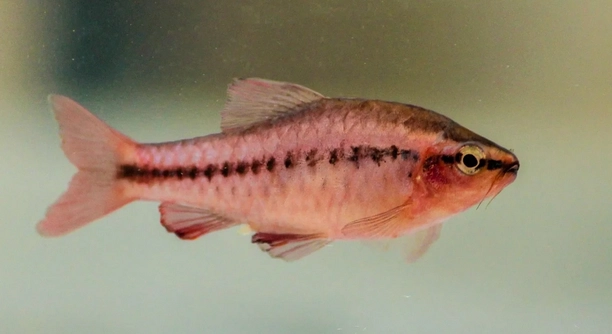
Cherry Barbs and Cory Cats are both popular aquarium fish, known for their peaceful nature and colorful appearance. However, knowing how they interact can help ensure a harmonious tank environment for both species.
Cherry Barbs generally get along with Cory Cats due to their peaceful dispositions. Both species are social and non-aggressive, allowing them to coexist in a community tank without significant issues. Providing ample space and hiding spots promotes their well-being.
Understanding how Cherry Barbs and Cory Cats interact can help create a peaceful aquarium. Proper care and environment will ensure both species thrive together.
What Makes Cherry Barbs and Cory Cats Compatible?
Cherry Barbs and Cory Cats both thrive in peaceful community tanks. These species prefer calm environments, making them good tank mates. Cherry Barbs are active but non-aggressive, while Cory Cats are bottom dwellers that avoid confrontation. With similar temperaments, both species can coexist in harmony, as long as their needs are met. Maintaining water quality, appropriate tank size, and suitable tank mates will help avoid stress and aggression. As long as they have enough space to roam and hide, these fish can live together without competing for resources. The key is to ensure that no one species feels threatened or overcrowded.
Tank size plays a significant role in ensuring peaceful cohabitation. A larger tank reduces territorial disputes, allowing these fish to maintain their calm demeanor. Adding plants or rocks for hiding also provides a sense of security.
When choosing tank mates, keep in mind that both species prefer calm, peaceful fish. Aggressive species could disrupt the balance, creating tension in the tank.
Setting Up Your Tank for Both Species
The ideal tank setup for Cherry Barbs and Cory Cats includes plenty of plants, hiding spots, and ample space to swim. Providing a soft substrate will help Cory Cats feel more comfortable while scavenging. Keep the water temperature between 74–80°F to match both species’ needs. Regular water changes are essential to maintain a healthy environment.
Water chemistry is another factor to consider. Both species thrive in slightly acidic to neutral water, so testing and adjusting pH levels is crucial. With a balanced ecosystem, your fish will be less stressed and more likely to coexist peacefully. Adding live plants not only enhances the aesthetic but also helps maintain water quality, as plants absorb excess nutrients.
Setting up a tank for Cherry Barbs and Cory Cats can be an enjoyable and rewarding experience. With the right approach, these species can live peacefully together, bringing beauty and movement to your aquarium.
Tank Conditions for Cherry Barbs and Cory Cats
Both species prefer a well-maintained tank with stable water conditions. Cherry Barbs and Cory Cats thrive in water temperatures between 74-80°F. Consistent water changes help maintain a healthy environment. Adding filtration ensures the water remains clean, preventing diseases that can harm these peaceful fish.
Cory Cats require a soft substrate, like sand, to protect their delicate barbels. They are bottom dwellers, often foraging for food along the tank floor. Cherry Barbs, on the other hand, swim throughout the tank and prefer plants or decorations to hide in. The presence of plants and hiding spots makes them feel secure, reducing stress.
Both species appreciate slightly acidic to neutral water, ideally with a pH of 6.5-7.5. It’s also important to regularly monitor water parameters, including ammonia and nitrate levels. High levels of ammonia can stress out both species, leading to health issues.
Feeding Cherry Barbs and Cory Cats Together
Cherry Barbs are omnivores and thrive on a varied diet of flakes, pellets, and occasional live or frozen food. Cory Cats, being scavengers, also benefit from sinking pellets and occasional treats. Overfeeding should be avoided to prevent water quality issues.
Both species enjoy eating small bits of food that float or sink. It’s important to ensure that both species get enough to eat, especially since Cory Cats feed off the tank floor. Feeding at the same time can help prevent food scarcity. Cherry Barbs may be quicker to grab food, but Cory Cats are persistent and will forage throughout the tank for scraps.
By providing a balanced diet and feeding properly, both species can stay healthy. Ensuring that food reaches the bottom allows Cory Cats to get their share, while Cherry Barbs feed on the surface. A consistent feeding routine helps maintain tank harmony and ensures no one goes hungry.
Behavior and Compatibility in the Tank
Cherry Barbs are active, peaceful swimmers that enjoy the company of other non-aggressive fish. Cory Cats are bottom dwellers and keep to themselves, making them less likely to disturb others. These traits help them coexist peacefully without much interaction.
Cherry Barbs may occasionally chase each other but rarely engage in aggression. Cory Cats are naturally calm and will avoid conflict. Together, these species generally maintain a harmonious environment. However, it’s important to ensure they are not overcrowded, which can lead to stress or territorial behavior.
Water Changes and Maintenance
Regular water changes are essential for both species. Cherry Barbs and Cory Cats thrive in clean water, free from excess waste and toxins. Aim for 25-30% water changes every two weeks to maintain water quality and ensure a healthy tank environment.
Cory Cats are especially sensitive to poor water conditions. Dirty water can harm their barbels and overall health. Cherry Barbs also benefit from clean water, as it supports their active lifestyle and vibrant colors. Installing a good filtration system helps maintain the balance by keeping the water clean and well-oxygenated.
Tank Mate Considerations
When adding new fish, consider species that are peaceful and similar in size. Both Cherry Barbs and Cory Cats do well with other calm fish, such as tetras or rasboras. Avoid adding overly aggressive fish, which could disrupt the peaceful nature of the tank.
Tank mates should have similar temperature and water condition preferences to ensure compatibility. Cherry Barbs and Cory Cats work well with other peaceful fish that won’t compete for food or space. If you decide to add new species, monitor the tank for signs of stress or territorial behavior.
FAQ
Do Cherry Barbs and Cory Cats need the same water conditions?
Yes, both species thrive in similar water conditions. Cherry Barbs and Cory Cats prefer slightly acidic to neutral water with a pH between 6.5 and 7.5. The water temperature should be kept between 74-80°F to ensure both species are comfortable. Regular water changes are essential to maintain a healthy environment for both.
Can Cherry Barbs and Cory Cats live together in a small tank?
It’s best to avoid keeping Cherry Barbs and Cory Cats in a tank smaller than 20 gallons. While both species are peaceful, they need ample space to avoid stress. A larger tank provides enough room for Cherry Barbs to swim freely while giving Cory Cats enough space to scavenge and feel secure.
Do Cherry Barbs and Cory Cats require the same type of food?
While they have different eating habits, both species benefit from similar types of food. Cherry Barbs are omnivores and enjoy flakes, pellets, and live or frozen food. Cory Cats are bottom dwellers and prefer sinking pellets, but they’ll also forage for food that sinks to the tank floor. Offering both species a balanced diet is key.
How do I ensure my Cory Cats get enough food?
Cory Cats can be slow eaters, especially when competing with faster fish like Cherry Barbs. To ensure they get enough, try feeding sinking pellets or place food on the tank floor where Cory Cats can access it easily. Feeding them after the lights go out is another way to allow them to eat without competition.
Do Cherry Barbs and Cory Cats need hiding spots in the tank?
Yes, both species benefit from having hiding spots in their tank. Cherry Barbs are not overly shy, but they appreciate plants or decorations where they can retreat for safety. Cory Cats, being bottom dwellers, also enjoy having places to hide and feel secure, especially when they are foraging.
How can I prevent aggression between Cherry Barbs and Cory Cats?
Aggression between Cherry Barbs and Cory Cats is rare, as both species are peaceful. However, stress from overcrowding or poor water conditions can lead to territorial behavior. Providing a tank large enough for both species and maintaining a clean environment will reduce the chance of aggression.
Can Cherry Barbs and Cory Cats be kept with other species?
Yes, both Cherry Barbs and Cory Cats are generally peaceful and can live with other non-aggressive species. Tetras, rasboras, and other small, calm fish are good tank mates. Avoid aggressive species that might stress or outcompete them for food.
What should I do if my Cherry Barbs or Cory Cats stop eating?
If either species stops eating, it could indicate stress or illness. Check water conditions immediately, ensuring they’re within the appropriate temperature, pH, and ammonia levels. Additionally, make sure the food offered is fresh and suitable for their diet. If the issue persists, a visit to the aquarium specialist or vet may be necessary.
How many Cherry Barbs and Cory Cats can I keep together?
Both species are social and do well in groups. It’s best to keep at least six Cherry Barbs and three or more Cory Cats to ensure they feel comfortable. Keeping them in schools reduces stress and helps them exhibit their natural behaviors. Larger groups are ideal for promoting harmony.
Are Cherry Barbs and Cory Cats active during the day?
Yes, both species are active during the day. Cherry Barbs are more visible, swimming actively in the middle and top levels of the tank, while Cory Cats tend to stay at the bottom, scavenging for food. Both species benefit from a regular light cycle, which supports their natural activity patterns.
How often should I clean the tank for Cherry Barbs and Cory Cats?
Regular maintenance is important for both species. Perform partial water changes of 25-30% every two weeks. Clean the substrate and remove uneaten food to prevent waste buildup, especially in tanks with Cory Cats, as they scavenge the bottom and can stir up debris. A proper filtration system will also help keep the tank clean.
Final Thoughts
Cherry Barbs and Cory Cats can make great tank mates when provided with the right environment. Both species are peaceful and enjoy similar water conditions, which makes it easier to care for them together. While Cherry Barbs are active swimmers and prefer the mid-to-top levels of the tank, Cory Cats stay on the bottom, where they search for food. This natural separation in their behavior means they are unlikely to compete for space or food, contributing to a harmonious tank setup.
The most important factors in keeping these two species together are tank size, water conditions, and feeding habits. A tank of at least 20 gallons will give them the space they need to thrive without overcrowding. Maintaining stable water parameters is crucial to their health, as both species are sensitive to poor water quality. Regular water changes and a proper filtration system will ensure that both the Cherry Barbs and Cory Cats remain healthy. Providing a varied diet will also help keep both species satisfied and prevent competition for food. Sinking pellets for the Cory Cats and floating flakes for the Cherry Barbs will make feeding time easier.
Overall, if the tank is properly maintained and both species are given the care they need, Cherry Barbs and Cory Cats can live together peacefully. They complement each other well, as their different behavior patterns allow them to coexist without much conflict. By following basic care guidelines and providing a comfortable and clean environment, you can enjoy watching these beautiful fish interact in your aquarium.

Hello,
If you enjoy the content that we create, please consider saying a "Thank You!" by leaving a tip.
Every little bit helps us continue crafting quality advice that supports the health, happiness, and well-being of pets around the world, for pets of all shapes, sizes, and species.
We really appreciate the kindness and support that you show us!