
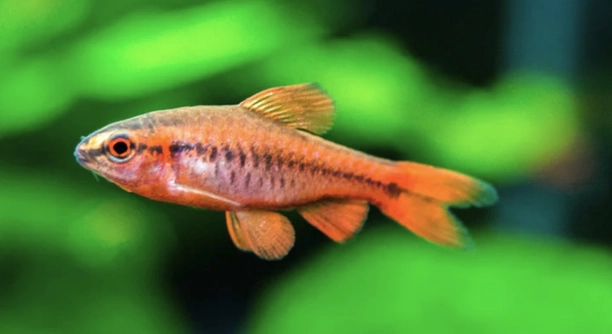
Cherry Barbs are fascinating fish, often seen swimming near the surface. Observing their behavior can raise questions about their unique patterns and preferences. Understanding why they hover at the top of the tank can provide helpful insights for owners.
Cherry Barbs hover near the surface due to various factors, such as the need for oxygen, water temperature, or the presence of food. These fish are surface-oriented, seeking comfort and resources close to the water’s surface.
This behavior provides a closer look at how Cherry Barbs interact with their environment and can help ensure their well-being.
Oxygen Levels and Water Surface Behavior
Cherry Barbs often hover near the surface because they are seeking better oxygen levels. Fish that prefer surface swimming tend to do so when oxygen is more available at the top of the water, especially in tanks with poor circulation. This behavior helps them thrive in environments with varying oxygen levels. They instinctively move toward areas where they can breathe more easily.
Inadequate oxygen levels can result in stress for Cherry Barbs. If their environment doesn’t provide adequate oxygen, they may spend more time near the surface to compensate. A high tank population can also reduce oxygen, prompting fish to seek air.
Maintaining proper aeration and filtration is crucial to prevent this behavior from becoming more pronounced. Installing an air pump or using surface agitators will help improve oxygen distribution. Keeping the water properly aerated helps reduce stress for the Cherry Barbs and supports their overall health. If you notice them constantly hovering near the top, it’s essential to check oxygen levels and ensure proper water flow to improve their well-being.
Water Temperature Influence
Cherry Barbs, like many tropical fish, are sensitive to temperature changes. In tanks that are too warm, they will often stay closer to the surface to find cooler areas. Heat naturally rises, and fish instinctively move toward cooler water to regulate their body temperature.
The ideal water temperature for Cherry Barbs ranges from 75°F to 80°F (24°C to 27°C). Temperatures outside this range can cause stress and may lead to more time spent near the surface. Too hot of a tank will encourage surface behavior as they attempt to escape the warmer water below. Keeping the tank at the correct temperature promotes healthy movement patterns and prevents unnecessary surface hovering.
Food Availability and Surface Swimming
Cherry Barbs are known to hover near the surface when food is scattered there. They are opportunistic feeders and will seek out food wherever it is most accessible. When they notice food at the water’s surface, they will gravitate toward it.
In the wild, Cherry Barbs often feed on insects and small organisms found near the surface. In an aquarium, they display similar behavior by staying close to where food is dropped. This makes it easier for them to feed and ensures they don’t miss a meal.
When feeding, it’s important to ensure food is evenly distributed throughout the tank. If food sinks too quickly, fish may have trouble finding it, leading them to remain near the surface. A balanced feeding approach will help prevent them from staying too long at the top. Using floating food will mimic their natural foraging behavior, providing a more enriching environment.
Tank Size and Crowding
Tank size plays a key role in Cherry Barbs’ surface behavior. A small tank can become overcrowded quickly, leading the fish to the surface to escape competition for space. This behavior becomes more noticeable when the fish feel confined.
Cherry Barbs are relatively small fish, but they still require ample space to swim freely. In cramped tanks, they may hover near the surface to avoid contact with other fish. A larger tank allows them to disperse more evenly, reducing the urge to crowd into one area. It also encourages a healthier environment where they can move without stress.
Maintaining an appropriate tank size and avoiding overpopulation helps mitigate surface hovering. The ideal tank for Cherry Barbs should offer enough room for them to swim and explore comfortably. Ensuring proper space is essential for keeping the fish calm and reducing the likelihood of surface behavior. A well-spaced aquarium provides the freedom they need to thrive.
Water Quality and Surface Behavior
Cherry Barbs may hover near the surface if the water quality is poor. High levels of toxins, like ammonia and nitrites, can push them to the top in search of better conditions. Poor water quality can stress the fish, affecting their movement.
Inadequate filtration or improper water changes often result in poor water quality. The fish instinctively move to the surface, where they feel less stressed. Ammonia or nitrite spikes create dangerous conditions, forcing them to seek relief. Regular water testing and maintenance will help ensure the environment remains stable and conducive to healthy swimming patterns.
Lighting and Surface Swimming
Bright lighting or sudden changes in light can cause Cherry Barbs to stay near the surface. They are sensitive to light levels and often seek refuge in areas with less brightness, like the water’s surface. This provides a more comfortable and secure environment for them.
Fish like Cherry Barbs thrive in a balanced light environment. Sudden changes in lighting can disrupt their natural behavior, causing them to hover near the surface to feel secure. Dimming lights or adjusting the tank’s lighting gradually can help avoid this behavior. It’s crucial to create a stable light cycle for them to feel at ease in their habitat.
Stress and Surface Hovering
Stress is a common factor that causes Cherry Barbs to hover at the surface. Stress can arise from various factors, such as overcrowding, aggressive tank mates, or poor water quality. They tend to stay near the surface as a coping mechanism.
When stressed, Cherry Barbs will exhibit signs like excessive surface swimming or hiding in the tank’s corners. This is often a sign that something is off in their environment. Reducing stressors, like providing proper tank size, compatible tank mates, and maintaining good water quality, will help improve their overall health.
FAQ
Why do Cherry Barbs spend so much time at the surface?
Cherry Barbs tend to hover near the surface for several reasons. The most common are oxygen levels, temperature, food availability, and stress. They naturally seek oxygen-rich water and may spend more time near the surface if oxygen levels are low or if they’re feeling stressed. In addition, they often swim near the surface to feed on floating food or to find more comfortable areas with lower temperatures, especially when water conditions aren’t ideal.
Do Cherry Barbs need a filter to avoid hovering at the surface?
Yes, a good filtration system is essential for preventing Cherry Barbs from hovering at the surface. A filter helps maintain optimal water quality by removing toxins like ammonia and nitrites. When the water quality is poor, the fish may instinctively move to the surface to avoid harmful chemicals. Proper filtration, combined with regular water changes, ensures they stay healthy and feel comfortable swimming at all depths in the tank.
Can the water temperature affect Cherry Barbs’ behavior?
Yes, water temperature significantly impacts Cherry Barbs. They prefer water between 75°F to 80°F (24°C to 27°C). If the temperature is too high, the fish may move toward the surface, where it’s slightly cooler. High temperatures increase stress, and Cherry Barbs may hover at the top as a way to seek comfort. Maintaining stable and appropriate water temperature ensures the fish remain healthy and active throughout the tank.
How can I improve the oxygen levels in my tank for Cherry Barbs?
To improve oxygen levels, consider adding an air pump or surface agitators. These will help increase oxygen exchange at the water’s surface. Additionally, ensure your filter is running efficiently, as good circulation also improves oxygen distribution. A well-aerated tank will keep your Cherry Barbs from spending excessive time near the surface and support their overall health.
Are Cherry Barbs more likely to hover at the surface if the tank is overcrowded?
Yes, overcrowding is a significant factor. When Cherry Barbs are confined to a small space with too many other fish, they may feel stressed and crowded. This leads them to seek more open areas, often near the surface. Ensuring your tank has enough space for each fish to swim freely helps reduce this behavior and promotes a healthier environment.
How does lighting impact Cherry Barbs’ surface swimming?
Lighting can affect Cherry Barbs’ swimming behavior. Bright, harsh lighting can cause them to move to the surface in search of darker, more peaceful areas. To reduce this, use softer lighting or ensure there are areas of shade in the tank for them to retreat to. Gradually adjusting the lighting can also prevent sudden stress, allowing them to swim comfortably throughout the tank.
What are the signs that my Cherry Barbs are stressed?
Cherry Barbs show signs of stress through excessive surface hovering, hiding, or abnormal swimming patterns. If you notice them staying near the surface longer than usual, or if they seem lethargic or agitated, it may be a sign that something is wrong in the tank. Addressing water quality, temperature, and tank mates can help reduce stress and restore their natural behavior.
Is it normal for Cherry Barbs to stay at the surface when they are hungry?
Yes, it is normal. Cherry Barbs are opportunistic feeders and will often stay near the surface if food is present there. If you notice them frequently near the top, especially during feeding times, it may simply be because they are waiting for food to be dropped. It’s important to provide a balanced feeding routine to ensure they are not constantly lingering at the surface.
Can I keep Cherry Barbs with other fish in the same tank?
Cherry Barbs are generally peaceful and can be kept with other non-aggressive fish. However, if tank mates are overly aggressive or territorial, it can cause stress, which may lead to more surface swimming. Make sure your Cherry Barbs are housed with species that have similar temperament and environmental needs to ensure a calm, balanced tank.
How often should I perform water changes to keep Cherry Barbs healthy?
Regular water changes are essential for maintaining a healthy tank. For Cherry Barbs, aim to change 20% to 25% of the water weekly or bi-weekly, depending on the size of the tank and the number of fish. This helps maintain good water quality and removes waste that can cause stress. Testing water parameters regularly also ensures that ammonia and nitrite levels stay within safe ranges.
Are Cherry Barbs more active at night or during the day?
Cherry Barbs are generally more active during the day when the tank’s lighting is on. They are not nocturnal, so they will be seen swimming more actively in the daylight. However, if the tank is poorly lit or if the lighting is inconsistent, they may remain near the surface or retreat to darker areas. Ensuring stable lighting and regular light cycles helps keep them active during the day.
Why do Cherry Barbs sometimes swim near the top even when the water conditions seem fine?
Even if the water conditions are optimal, Cherry Barbs might still hover near the surface for a few reasons, such as searching for food, looking for more comfortable water temperatures, or exploring their environment. It’s important to consider their natural instincts when assessing their behavior. They are surface-oriented and may occasionally seek out the top of the tank, even in ideal conditions.
Can Cherry Barbs live in a tank with other surface-dwelling fish?
Cherry Barbs can live with other surface-dwelling fish as long as there is enough space and food for everyone. Overcrowding and competition for food can lead to stress, causing them to hover more at the surface. Choose compatible species that share similar needs, and ensure that there is plenty of room for all fish to swim comfortably.
What size tank is best for Cherry Barbs?
The minimum recommended tank size for Cherry Barbs is 20 gallons. A larger tank provides ample swimming space, which is essential for preventing surface-hovering behavior. Additionally, larger tanks allow for better filtration, oxygen distribution, and more stable water conditions, all of which contribute to the overall health of the fish.
Final Thoughts
Cherry Barbs are relatively low-maintenance fish but require attention to their environment to thrive. One key aspect of their behavior is their tendency to hover near the surface. This behavior can be influenced by several factors, including water quality, temperature, stress, and food availability. By understanding these triggers, you can make adjustments in the tank to ensure they remain comfortable and healthy. Proper water filtration, temperature control, and consistent lighting can go a long way in keeping your Cherry Barbs from feeling the need to spend excessive time at the surface.
Another important consideration is their compatibility with other tank mates. Cherry Barbs are peaceful and can coexist with various other fish. However, if the tank is overcrowded or if there are aggressive species present, the stress may cause them to exhibit surface-hovering behavior. The tank’s setup should be well-planned, with enough space for each fish to swim freely. A balanced ecosystem with proper water conditions and compatible tank mates creates a calm environment, reducing stress and allowing the Cherry Barbs to exhibit their natural behavior, including swimming throughout the tank.
Maintaining a stable and healthy environment is crucial for Cherry Barbs’ long-term well-being. Regular water testing, ensuring proper filtration, and keeping the tank well-maintained can prevent many of the issues that lead to surface behavior. In most cases, hovering at the surface is a sign of discomfort or environmental factors that need to be addressed. By taking these steps, you can ensure your Cherry Barbs thrive in a tank that mimics their natural habitat, keeping them active, healthy, and stress-free.

Hello,
If you enjoy the content that we create, please consider saying a "Thank You!" by leaving a tip.
Every little bit helps us continue crafting quality advice that supports the health, happiness, and well-being of pets around the world, for pets of all shapes, sizes, and species.
We really appreciate the kindness and support that you show us!