
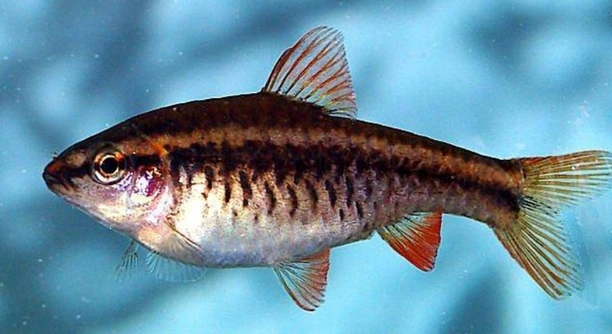
Cherry barbs are a popular aquarium fish, known for their striking color and peaceful temperament. When setting up a tank, many people wonder about the compatibility of cherry barbs with other aquatic creatures, like crabs or clams.
Cherry barbs can generally coexist with crabs and clams, but certain precautions should be taken. Crabs may be more aggressive, especially during molting, while clams can be delicate and may not interact much with the fish.
Understanding these interactions can help create a peaceful tank environment. Keep reading for tips on how to ensure all your aquatic friends live harmoniously together.
Can Cherry Barbs Live With Crabs?
Cherry barbs are peaceful and small fish, but when you add crabs to the tank, things can get tricky. Crabs are more territorial and may become aggressive, especially when they are molting. During molting, crabs are vulnerable and may react aggressively if they feel threatened. Cherry barbs are likely to ignore the crabs, but the crabs may not feel the same way. This can cause stress for the fish.
To prevent issues, create hiding spots for both the fish and the crabs. This can give them a safe space where they can retreat if they feel threatened. Additionally, it’s important to select the right type of crab, as not all crabs are suited to live with small fish like cherry barbs. Some crabs are more peaceful and less likely to pose a threat.
To keep everything in balance, be sure to monitor their behavior closely. If you notice that the crabs are becoming overly aggressive or that the barbs are stressed, it may be time to separate them.
Can Cherry Barbs Live With Clams?
Clams are generally peaceful and tend to stay buried in the substrate. Cherry barbs are unlikely to bother them. However, keeping the water conditions stable is key to the health of both species.
Clams need stable water conditions, and so do cherry barbs. Changes in water temperature, pH, or ammonia levels can harm clams, which are sensitive to poor water quality. It’s essential to keep the tank clean, perform regular water changes, and ensure proper filtration to maintain a healthy environment for both creatures.
Another important consideration is the size of the tank. Clams need a lot of space to filter feed properly. If the tank is too small or overcrowded, both the clams and the cherry barbs may suffer. In a well-maintained, spacious tank, they can coexist peacefully without issues.
Tank Size Considerations
The size of your tank plays a big role in the success of keeping cherry barbs with crabs or clams. A small tank can lead to overcrowding and increased stress. The larger the tank, the more space everyone has to coexist.
For cherry barbs, a tank of at least 20 gallons is recommended. This provides enough space for them to swim freely. If you’re adding crabs or clams, you’ll need even more space. Crabs need room to explore, and clams need space to filter feed properly. A larger tank also reduces the chance of territorial disputes between species.
In a larger tank, it’s easier to maintain stable water conditions, which is essential for both the health of the fish and invertebrates. You’ll have more room to provide hiding spots, which help reduce stress. The extra space allows all creatures to establish their territories without conflict.
Proper Tank Setup
Setting up the tank with proper decor is essential for peaceful coexistence. Providing plenty of hiding spots will help both cherry barbs and crabs feel safe. Crabs need areas to retreat, especially when they molt. Barbs appreciate plants or driftwood to explore and hide in.
Live plants are a great addition because they create natural hiding spaces for the fish while improving water quality. A well-planted tank also helps crabs feel more secure. Rocks and caves can serve as shelters for both species. Make sure the decorations don’t block swimming paths or create overly tight spaces that can cause stress.
Creating a balanced environment is key. Adding a substrate that allows clams to burrow is important. The water should be clear and filtered well, providing a safe environment for all species. This setup encourages harmony and reduces the risk of conflict between your aquatic animals.
Water Conditions
Cherry barbs, crabs, and clams all thrive in stable water conditions. Keeping the water clean and well-filtered is essential to avoid stress and health problems. Regular water changes will ensure a safe environment for all creatures.
Each species has its own specific requirements. Cherry barbs prefer slightly acidic to neutral water with temperatures between 74°F to 79°F. Crabs tend to do well in similar conditions but may need slightly harder water. Clams, however, are more sensitive and require very stable water quality. Always test your water regularly to maintain optimal conditions.
Feeding Habits
Feeding is another area that needs attention when combining cherry barbs with crabs or clams. Cherry barbs are omnivores and will eat small pellets, flakes, and live or frozen foods like brine shrimp. They are active feeders and enjoy a varied diet.
Crabs are scavengers and will eat leftover food, plants, and even detritus in the tank. Be mindful that they may try to grab food intended for the fish. Clams filter feed, so they will rely on particles floating in the water, meaning they won’t need direct feeding. However, ensuring clean water will help them thrive.
Compatibility with Other Tank Mates
While cherry barbs, crabs, and clams can coexist with proper care, tank mates can still impact their interactions. Avoid aggressive species that could stress out your cherry barbs or harm your clams. Crabs, being territorial, might get into squabbles with other invertebrates.
The key to a peaceful community tank is selecting calm, non-aggressive species that won’t interfere with each other’s space or feeding habits. Species like snails, shrimp, or peaceful fish work well alongside cherry barbs. However, always observe the behavior of all your tank inhabitants to catch any signs of stress early.
FAQ
Can cherry barbs live with other fish?
Yes, cherry barbs can live with a variety of peaceful fish species. They are calm and social creatures, so they do well in community tanks. Just be cautious when choosing tank mates. Avoid aggressive fish that may stress or harm the cherry barbs. Good tank mates include other peaceful species like tetras, guppies, and rasboras. It’s important to consider size as well; larger fish may unintentionally injure the smaller barbs. Always ensure your tank has plenty of hiding spots and enough space for everyone.
Are cherry barbs suitable for a beginner aquarium?
Cherry barbs are excellent choices for beginner aquarists. They are hardy, easy to care for, and don’t require a lot of special attention. As long as you maintain stable water conditions and provide a balanced diet, they will thrive. They adapt well to different environments and aren’t too demanding when it comes to water quality. However, it’s important to avoid introducing aggressive species or overcrowding, as that can lead to stress and health issues. Cherry barbs are also active swimmers, so a spacious tank with good filtration is recommended.
How many cherry barbs should be kept together?
It’s best to keep at least six cherry barbs in a group. These fish are social and do well in schools, which helps reduce stress and makes them feel more secure. Keeping them in groups of six or more also encourages natural behavior, including their characteristic swimming patterns. If you only keep a few, they may become shy and hide. A larger school will allow them to exhibit more colorful displays and interact with each other, making them feel more at home.
Can cherry barbs live with snails?
Yes, cherry barbs can live with snails. Snails are peaceful and won’t bother the barbs. In fact, snails can help with tank maintenance by eating algae and leftover food. Cherry barbs typically ignore snails, and snails won’t pose any threat to them. However, it’s essential to make sure your snails are not the aggressive type, like some species of large freshwater snails, which may become territorial. As long as you avoid these, snails and cherry barbs can coexist peacefully in your tank.
Do cherry barbs need a specific type of substrate?
Cherry barbs don’t require a specific type of substrate, but they do benefit from a soft, fine substrate. This helps them feel more comfortable and reduces stress, especially if they forage along the bottom of the tank. A fine gravel or sand substrate is ideal, as it allows barbs to explore naturally. If you plan to keep clams, it’s important to have a substrate that allows them to burrow comfortably. If you’re adding plants, a nutrient-rich substrate will support plant growth, which will benefit both the fish and the overall tank environment.
Are cherry barbs fin nippers?
No, cherry barbs are not known for being fin nippers. They are peaceful and tend to avoid any aggressive behavior, including nipping. However, it’s important to ensure they are housed with other peaceful species to avoid conflict. In some cases, if they are housed with very slow-moving fish or fish with long fins, the barbs might show interest in the fins. Generally, though, cherry barbs are not a threat to other fish’s fins and are well-suited for community tanks.
How often should I feed cherry barbs?
Cherry barbs should be fed once or twice a day. They are small and have small stomachs, so small amounts of food are better for their digestion. Offer a variety of foods, such as high-quality flake food, small pellets, and live or frozen foods like brine shrimp or daphnia. Overfeeding can lead to poor water quality, so always ensure they consume the food within a few minutes. It’s important to remove any uneaten food to avoid water contamination.
How can I tell if my cherry barbs are stressed?
Stressed cherry barbs may show signs such as hiding, staying near the bottom of the tank, or swimming erratically. You might also notice a loss of color, with the fish appearing dull or faded. Stress can also manifest as loss of appetite or rapid gill movement. If you notice any of these symptoms, check the water conditions immediately. Poor water quality, overcrowding, or aggressive tank mates are common causes of stress. Ensuring a peaceful, well-maintained environment will help keep your barbs healthy and vibrant.
What is the lifespan of cherry barbs?
Cherry barbs typically live for about 3 to 5 years, though some may live longer with proper care. Their lifespan can be affected by factors like water quality, diet, and tank conditions. Regular maintenance, such as water changes and monitoring for signs of illness, will help extend their life. Keeping them in a well-established, stable environment with appropriate tank mates can also contribute to a longer lifespan. Avoid overfeeding and ensure their diet is well-balanced for optimal health.
Can cherry barbs tolerate brackish water?
Cherry barbs are freshwater fish and are not suited for brackish water. They thrive in stable freshwater environments with slightly acidic to neutral pH levels. While some fish species can tolerate a range of salinity levels, cherry barbs do not handle salt well. Exposing them to brackish water can cause stress, weaken their immune system, and even lead to death. Stick to a purely freshwater tank to ensure the health and well-being of your cherry barbs.
Final Thoughts
Cherry barbs are beautiful and peaceful fish that can be a great addition to many aquarium setups. They are relatively easy to care for and can coexist with other species when the right precautions are taken. When considering keeping cherry barbs with crabs or clams, it’s important to understand their needs and how they interact with other tank mates. With a bit of planning, they can live peacefully alongside these creatures.
The size of the tank, water conditions, and the types of decorations in the aquarium play a large role in the success of keeping cherry barbs with crabs or clams. A spacious tank is essential to avoid overcrowding, and providing plenty of hiding spots can help reduce stress. Water quality is another key factor. All three species—cherry barbs, crabs, and clams—require clean, stable water conditions. Regular maintenance and water testing will ensure that the tank remains a safe and comfortable environment for everyone.
While it is certainly possible for cherry barbs to coexist with crabs and clams, their peaceful nature requires that the tank be well-planned. Avoid overly aggressive species and ensure that there is enough space for everyone to thrive. By keeping the water clean, providing appropriate decorations, and monitoring the behavior of all the creatures, you can create a harmonious aquarium. If done right, cherry barbs, crabs, and clams can coexist in a tank that supports their needs and allows them to live peacefully together.

Hello,
If you enjoy the content that we create, please consider saying a "Thank You!" by leaving a tip.
Every little bit helps us continue crafting quality advice that supports the health, happiness, and well-being of pets around the world, for pets of all shapes, sizes, and species.
We really appreciate the kindness and support that you show us!