
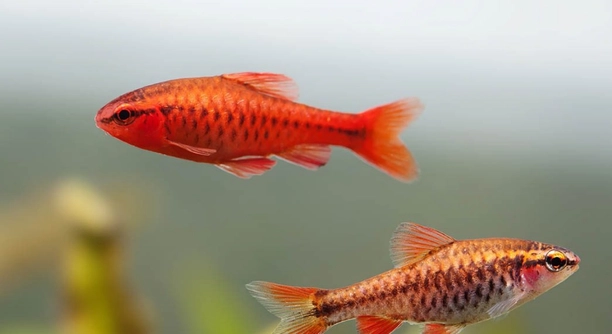
Cherry Barbs are peaceful fish, but they can sometimes scatter in fear for no apparent reason. If you notice this behavior, it can be confusing and frustrating for a fish keeper. Understanding why this happens will help address it.
The primary reason Cherry Barbs scatter in fear is due to sudden changes in their environment, such as loud noises, tank disturbances, or the presence of a predator. These factors cause stress and trigger their flight response.
This behavior is not always easy to prevent, but knowing the factors that influence it will allow you to create a more stable and comfortable environment for your fish. Keep reading to learn more.
Environmental Factors that Cause Fear in Cherry Barbs
Cherry Barbs are sensitive to changes in their environment. Sudden movements near the tank, loud noises, or rapid water changes can trigger a fear response. Fish are naturally skittish creatures, and their first instinct when they feel threatened is to scatter. This behavior is a survival mechanism. For Cherry Barbs, even small disturbances like tapping on the tank glass or the introduction of new decorations can cause stress. If there are any predators nearby, even something as small as a shadow, they may become alert and scatter for safety. Maintaining a calm and stable environment is essential to reducing these stress triggers.
Avoid making sudden movements near the tank and try not to disturb the water too much. Also, make sure the water temperature and pH are consistent, as drastic changes in these conditions can be alarming to your fish.
Ensuring that the tank is placed in a quiet, low-traffic area can also help. Keeping the environment as stable as possible will help your Cherry Barbs feel secure and less likely to scatter in fear.
Presence of Other Fish and Tankmates
Fish tankmates can have a significant impact on the behavior of Cherry Barbs. Aggressive or overly active fish may make Cherry Barbs feel threatened, causing them to scatter. It’s important to choose peaceful tankmates that don’t cause stress. Cherry Barbs thrive when they are kept with non-aggressive species.
When introducing new fish, make sure they are compatible with Cherry Barbs in terms of temperament. Fish like bettas or large cichlids can intimidate or harass the Cherry Barbs, causing them to scatter in fear. The presence of these more dominant fish can disrupt the peaceful atmosphere of the tank, leading to stress and anxiety in your Cherry Barbs.
It’s always best to keep a balanced community of fish to ensure that everyone gets along. If you notice your Cherry Barbs constantly scattering, it may be a sign that they are feeling threatened by other fish.
Water Quality and Its Impact on Cherry Barbs
Water quality plays a major role in Cherry Barbs’ behavior. Poor water conditions like high ammonia, nitrite levels, or low oxygen can make them feel unsafe. When the water is not clean, they can become stressed and more prone to scattering. Keeping a regular cleaning routine and ensuring proper filtration is key to keeping Cherry Barbs calm.
Testing your water regularly is crucial. Use water test kits to monitor ammonia, nitrite, nitrate levels, and pH balance. If these are out of range, Cherry Barbs will react by becoming agitated, often scattering. It’s also important to perform water changes as needed to maintain a healthy environment for your fish.
Remember that Cherry Barbs are sensitive to changes in water conditions. If you’re setting up a new tank, it’s essential to cycle the water before introducing them. Avoid making rapid changes in water chemistry, as sudden shifts will cause stress, leading to erratic behavior.
Overcrowding and Space Issues in the Tank
Overcrowding can create a tense environment for Cherry Barbs. When too many fish are packed into a tank, there isn’t enough space for them to swim freely, which causes stress. As a result, they may scatter more often, looking for space to escape.
Cherry Barbs thrive in a peaceful, spacious environment. They feel safest when they can move around without feeling crowded. It’s important to follow recommended stocking guidelines to prevent overpopulation. For a 20-gallon tank, you should have no more than 10 small fish to ensure each has enough space.
Additionally, overcrowding can also lead to poor water quality. The more fish there are, the more waste is produced, making it harder to maintain clean water. This combination of factors contributes to increased stress, which causes the Cherry Barbs to scatter and hide more often.
Lighting Conditions for Cherry Barbs
Improper lighting can cause stress in Cherry Barbs. Too bright of lighting can make them feel exposed and anxious. On the other hand, inadequate lighting may prevent them from feeling secure, leading to hiding. It’s essential to find the right balance in lighting to keep them comfortable.
A dimmer light that mimics natural sunlight works best for Cherry Barbs. Avoid harsh, direct lights, and consider using aquarium lights with adjustable intensity. A more subdued light will allow them to move around freely without feeling threatened. Additionally, a light cycle of about 10 to 12 hours daily can help regulate their behavior.
Tank Decorations and Hiding Spots
Tank decorations are important for Cherry Barbs, as they provide hiding spots to help them feel safe. Rocks, plants, or caves create a more secure environment. Without these spots, they may feel exposed, which can cause them to scatter in fear.
When setting up your tank, include several plants or decorations that your Cherry Barbs can use for shelter. Ensure there are enough spots for them to retreat to when they feel threatened. This not only helps them stay calm but also provides natural territories, which can reduce aggression from other tankmates.
Feeding Routine and Stress
Feeding can sometimes trigger anxiety in Cherry Barbs, especially if they are underfed or the food isn’t provided at regular times. Irregular feeding schedules or overcrowded tanks during feeding time can create stress, leading to erratic behavior. Establish a consistent routine to avoid this.
A steady feeding routine will help Cherry Barbs feel secure. Feed them small portions once or twice a day, ensuring everyone gets enough food without competition. This predictability in their food schedule can make a big difference in their overall behavior, reducing fear-driven scattering.
FAQ
Why do Cherry Barbs scatter when they’re scared?
Cherry Barbs scatter due to their natural instinct to flee from perceived threats. This behavior is a survival mechanism, helping them avoid predators. When they feel insecure or stressed—whether from environmental changes, loud noises, or the presence of aggressive tankmates—they react by swimming quickly in all directions to find safety.
How can I prevent my Cherry Barbs from scattering?
To prevent scattering, maintain a stable tank environment. Avoid sudden changes in water temperature or chemistry, keep noise and movement near the tank minimal, and provide hiding spots. Peaceful tankmates and appropriate lighting also contribute to reducing their stress. Keeping your Cherry Barbs in an area with minimal disturbances is key.
What water conditions do Cherry Barbs need to feel safe?
Cherry Barbs need clean, stable water to thrive. Ammonia and nitrite levels should be zero, and nitrates should be below 20 ppm. pH levels between 6.5 and 7.5 work best for them, with a temperature range of 74-80°F. Regular water changes and proper filtration will help maintain these conditions, reducing stress.
Do Cherry Barbs need hiding spots in their tank?
Yes, Cherry Barbs need hiding spots. Providing plants, rocks, or caves gives them a sense of security. When they feel threatened, they can retreat to these spots, reducing their fear and preventing them from scattering. Hiding spots also allow them to establish territories, which can lead to a more peaceful tank environment.
Can aggressive tankmates cause Cherry Barbs to scatter?
Yes, aggressive tankmates can cause Cherry Barbs to scatter. Fish like bettas or large, dominant species may intimidate or even chase them, triggering their flight response. It’s essential to pair Cherry Barbs with peaceful, non-aggressive fish to reduce stress and avoid scattering. Choosing compatible tankmates will help your Cherry Barbs feel safe and secure.
Is lighting important for Cherry Barbs?
Lighting plays a significant role in how Cherry Barbs feel in their tank. Too bright or harsh lighting can make them feel exposed and stressed, while dim or insufficient lighting can cause insecurity. A softer light that mimics natural daylight is ideal. A lighting schedule of 10-12 hours per day will help regulate their behavior.
How often should I feed Cherry Barbs?
Cherry Barbs should be fed small amounts once or twice a day. Consistency is important to avoid stress during feeding times. Overfeeding or irregular feeding can cause anxiety, as they may feel there is not enough food. Feeding at regular times each day will help them feel more secure and reduce scatter behavior.
Can overcrowding cause Cherry Barbs to scatter?
Yes, overcrowding can lead to increased stress, making Cherry Barbs more likely to scatter. A crowded tank can create competition for space, food, and resources, causing anxiety. It’s important to follow stocking guidelines, keeping the number of fish appropriate for the tank size to avoid this problem.
How do I create a peaceful environment for Cherry Barbs?
To create a peaceful environment, focus on maintaining stable water conditions, avoiding overcrowding, and choosing non-aggressive tankmates. Provide enough hiding spots, use appropriate lighting, and keep noise levels low around the tank. A peaceful atmosphere will help Cherry Barbs feel safe, reducing the chances of scattering in fear.
Can sudden changes in the tank cause Cherry Barbs to scatter?
Yes, sudden changes in the tank can cause Cherry Barbs to scatter. This includes changes in water temperature, pH, or the addition of new fish. Fish like Cherry Barbs can be sensitive to these changes, so it’s important to make adjustments gradually. Any sharp shift can lead to stress, making them scatter.
What are the signs that my Cherry Barbs are stressed?
Signs of stress in Cherry Barbs include rapid swimming, hiding, lack of appetite, and frequent scattering. They may also display faded colors or erratic swimming patterns. If you notice these behaviors, it’s important to address any potential stressors, such as water quality issues, tankmate aggression, or improper lighting.
Final Thoughts
Cherry Barbs are generally peaceful and calm fish, but like many species, they can become frightened or stressed by certain factors in their environment. Understanding the reasons behind their behavior can help you create a comfortable habitat for them. Whether it’s changes in water quality, aggressive tankmates, or even loud noises, recognizing these triggers is the first step in reducing their fear-driven scattering. When you manage these factors, you can provide a more stable and peaceful environment where your Cherry Barbs can thrive.
One of the most important things you can do for Cherry Barbs is to maintain a steady and safe environment. Regular water testing, proper filtration, and consistent tank maintenance are crucial in keeping them healthy and happy. Additionally, adding plants, rocks, or other decorations will help them feel more secure and provide places for them to hide if they feel threatened. It’s also essential to avoid overcrowding, as too many fish in a tank can lead to stress and unhealthy competition for space and resources. A calm, well-maintained tank with suitable tankmates will go a long way in preventing Cherry Barbs from scattering in fear.
Lastly, it’s important to recognize that Cherry Barbs are sensitive creatures that need a bit of extra care to stay comfortable. Their fear-driven behavior is simply a natural instinct, but with the right approach, you can minimize it. By paying attention to factors such as tank setup, water quality, and the presence of peaceful tankmates, you can create a space that allows your Cherry Barbs to feel secure and at ease. This way, they’ll be less likely to scatter and more likely to enjoy their environment in peace.

Hello,
If you enjoy the content that we create, please consider saying a "Thank You!" by leaving a tip.
Every little bit helps us continue crafting quality advice that supports the health, happiness, and well-being of pets around the world, for pets of all shapes, sizes, and species.
We really appreciate the kindness and support that you show us!