
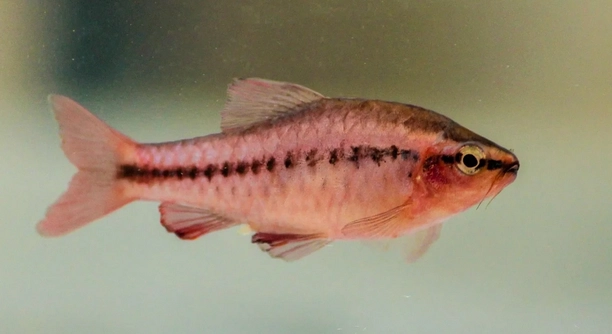
Cherry Barbs are lively and vibrant fish, known for their playful nature and bright colors. However, like any pet, they may occasionally suffer minor injuries. Taking care of these little creatures is essential to their well-being.
To treat minor injuries in Cherry Barbs, there are several natural remedies that can aid in their recovery. Simple, non-invasive treatments like salt baths, herbal remedies, and aquarium adjustments can promote healing and reduce stress.
These natural solutions not only ease the healing process but also ensure your Cherry Barb stays healthy. We’ll guide you through some easy-to-follow remedies to support their recovery in a gentle and effective way.
Salt Baths for Healing
When a Cherry Barb gets a minor injury, one of the simplest and most effective ways to help it heal is by using salt baths. Aquarium salt can reduce the chances of infection and promote quicker recovery by easing inflammation. Salt baths work by soothing the fish’s skin and reducing irritation caused by the injury.
For a salt bath, dissolve aquarium salt in water at the same temperature as the fish’s tank. Use a small container, like a fish bowl, and place the injured Cherry Barb in the solution for about 10 to 15 minutes. Make sure the fish is not stressed during the process. You can repeat this treatment once a day for a few days.
Be cautious with the amount of salt used, as too much can harm your fish. A teaspoon of salt for every gallon of water is typically recommended. Salt baths are a gentle yet effective treatment, allowing your Cherry Barb to recover while minimizing the risk of further complications.
Herbal Remedies for Minor Injuries
Herbs like aloe vera and chamomile can be helpful in treating minor injuries.
Aloe vera gel can be applied directly to the wound, helping to reduce swelling and promote skin healing. It’s an all-natural way to provide comfort to your Cherry Barb without using harsh chemicals. Chamomile tea can be used as a bath for the fish, promoting relaxation and healing. Simply brew the tea, cool it down, and place the injured fish in the tea for around 10 minutes. Both herbs can be very beneficial when used in moderation.
Adjusting Tank Conditions for Recovery
The environment where your Cherry Barb lives plays a crucial role in its recovery. A clean and stress-free tank encourages healing and prevents further injury. Keeping the water quality high by performing regular water changes is essential.
Make sure the temperature stays within the ideal range for Cherry Barbs, which is between 74-79°F (23-26°C). A stable environment will reduce stress and promote a faster healing process. Additionally, ensure that the tank’s filtration system is working properly. Poor water quality can lead to infections or stress, which can slow down the recovery process.
Avoid overcrowding in the tank, as this can make your fish more stressed. It’s also a good idea to reduce lighting or any aggressive tank mates that may further stress the injured fish.
Monitoring Your Fish During Recovery
Regularly monitoring the condition of your Cherry Barb is important for ensuring a full recovery.
Keep an eye on the injury’s progress and look for signs of infection, like redness or swelling. If you notice anything unusual, it’s important to take immediate action by performing a salt bath or adjusting the tank conditions.
In some cases, the injury may take a little longer to heal, but as long as you follow the recommended treatments and maintain a healthy environment, your Cherry Barb will recover. Keeping a watchful eye on your fish will help you act quickly and give it the best chance for a speedy recovery.
Epsom Salt for Swelling Reduction
Epsom salt can help reduce swelling and ease pain in injured Cherry Barbs. This natural remedy works by drawing out excess fluid from the affected area, allowing the injury to heal faster. Epsom salt is gentle and often used in aquariums to treat various injuries and ailments.
To use Epsom salt, dissolve it in a separate container of water. Place the injured fish in the solution for about 10 minutes. It’s important to not overuse the salt to prevent any negative effects on your fish’s health. Repeat this treatment for a few days to help reduce swelling and speed up recovery.
While Epsom salt is useful, remember that it should be used in moderation. Overuse can cause stress or irritation to the fish, which might slow down its healing. Just like with regular salt baths, monitoring the condition of your Cherry Barb will ensure it receives the best care possible.
The Role of Aquarium Plants in Healing
Aquarium plants not only create a beautiful environment, but they can also provide healing benefits for your Cherry Barb. They act as a natural source of oxygen, reducing stress levels and offering a safe space for your fish. Providing plants in the tank can encourage your fish to rest and recover in a more relaxed setting.
Plants like Anubias or Java Fern are excellent choices for adding greenery to the tank. They thrive in low light and help maintain water quality. Adding plants also reduces the risk of injury by providing hiding spots, reducing the chances of your Cherry Barb getting into situations where it could hurt itself again.
Some plants also help to filter the water naturally. Clean water promotes faster healing, keeping your Cherry Barb comfortable while it recovers. Maintaining a balanced ecosystem with plants can create the ideal environment for your fish to heal and stay healthy.
Quarantine for Stress-Free Healing
Setting up a quarantine tank is a great way to help your Cherry Barb heal without any added stress from other fish. In a quiet and isolated space, the injured fish can focus on recovery without any distractions or pressure from tank mates. This separation promotes faster healing.
By isolating the injured fish, you can also better monitor its progress. The quarantine tank allows you to treat the injury without worrying about harming other fish in the main tank. Keeping your Cherry Barb in a calm environment will encourage it to heal more quickly.
A quarantine tank doesn’t have to be elaborate; just a clean container with water parameters similar to the main tank will do. Make sure to adjust the temperature and water quality to match the conditions your fish is accustomed to.
Reducing Tank Light for Comfort
Reducing the tank light can help your Cherry Barb feel less stressed during the healing process. Soft lighting mimics natural conditions, allowing your fish to rest and heal more comfortably. It’s a simple change that can make a big difference.
The Importance of Proper Nutrition
Proper nutrition plays a significant role in helping your Cherry Barb recover. Feeding a balanced diet ensures the fish has the energy and nutrients it needs to heal quickly. Provide high-quality fish food that is rich in essential vitamins and minerals.
Injured Cherry Barbs benefit from food that supports immune function and tissue repair. Consider adding a variety of foods like live or frozen foods to the diet. These can provide extra protein and nutrition that are essential for healing. Avoid overfeeding, as excess food can harm water quality, which could lead to further health issues. A balanced, nutritious diet is crucial for speeding up recovery and maintaining the overall health of your fish.
FAQ
How do I know if my Cherry Barb is injured?
Injuries in Cherry Barbs can be difficult to notice at first. However, some common signs include visible scratches, cuts, or torn fins. If you see blood, swelling, or a change in behavior like erratic swimming, it’s likely your fish is injured. Injured Cherry Barbs may also avoid swimming with the rest of the group or hide in the tank more than usual. Keep an eye on any abnormal behavior or visible marks on the fish to determine if it needs attention.
Can I use regular table salt for salt baths?
No, regular table salt should be avoided for salt baths. Table salt often contains additives like iodine or anti-caking agents that can harm your Cherry Barb. Instead, use aquarium salt, which is specifically designed for use in fish tanks and is free of any harmful chemicals. Aquarium salt is safe for your fish and effective in treating minor injuries or stress. It’s always best to stick with products intended for aquatic life to ensure your fish’s health.
How often should I do salt baths for my injured Cherry Barb?
Salt baths can be beneficial when used properly, but you shouldn’t overdo them. A good rule of thumb is to perform the salt bath once a day for 5 to 10 days. If your fish’s injury improves or shows no signs of infection, you can stop the salt baths. However, if the injury worsens or there are no visible signs of recovery after a few days, it might be a good idea to consult with an aquatic vet for further guidance.
Can I use any herbal remedies to treat minor injuries in Cherry Barbs?
Yes, herbal remedies like aloe vera and chamomile can help treat minor injuries in Cherry Barbs. Aloe vera can be applied to wounds for its anti-inflammatory and healing properties. Chamomile can be brewed into a tea and used to help your fish relax, which can reduce stress and promote healing. Make sure to use these remedies gently and only in moderation, as excessive use of any treatment can harm your fish.
How can I tell if my Cherry Barb is stressed?
Signs of stress in Cherry Barbs include erratic swimming, hiding, rubbing against objects, loss of appetite, or changes in color. Stress can be caused by poor water quality, aggressive tank mates, or unsuitable tank conditions. A stressed fish may also display abnormal gill movement, appear lethargic, or have a reduced response to food. If you notice these signs, try to address the underlying cause of stress, such as improving water conditions or removing aggressive tank mates.
Should I remove the injured Cherry Barb from the main tank?
Yes, it’s generally a good idea to remove an injured Cherry Barb from the main tank and place it in a quarantine tank. This helps prevent further injury from other fish and gives you the ability to monitor the recovery process more closely. A quarantine tank provides a controlled, less stressful environment, which is key to helping your fish heal. Be sure to keep the water quality and temperature similar to the main tank to avoid additional stress.
Can aquarium plants help with my fish’s recovery?
Yes, aquarium plants can play a role in helping your Cherry Barb recover from injury. Plants improve water quality by filtering out harmful substances and provide hiding spots, reducing stress. They also increase oxygen levels, which can help your fish breathe easier. Having plants in your tank can create a more natural, calming environment, which is beneficial for healing.
Is there a specific temperature range I should maintain for my injured Cherry Barb?
The ideal water temperature for a Cherry Barb is between 74-79°F (23-26°C). Maintaining a consistent temperature within this range is important, as it supports optimal metabolism and immune function. When your fish is recovering from an injury, keeping the water temperature stable helps reduce stress and promotes healing. Sudden temperature fluctuations can weaken the fish’s immune system, so avoid any drastic changes in temperature during the recovery period.
What are the risks of not isolating an injured Cherry Barb?
If you don’t isolate an injured Cherry Barb, it risks further injury from other fish in the tank. Some fish may become aggressive toward the injured one, especially if the injury affects the fish’s ability to swim or defend itself. Additionally, if the water quality in the main tank is not optimal, the injury could become infected. By isolating the injured fish in a quarantine tank, you reduce these risks and give the fish a better chance of recovery.
How can I prevent future injuries to my Cherry Barb?
Preventing injuries in Cherry Barbs involves maintaining a stable and safe tank environment. Regular water changes ensure clean water, while avoiding overcrowding can prevent stress and aggression. Be mindful of sharp decorations or rough objects that could potentially harm the fish. Additionally, choose tank mates carefully, as not all species are compatible with Cherry Barbs. By keeping a peaceful and well-maintained aquarium, you can help prevent future injuries.
Can Cherry Barbs recover from severe injuries?
Cherry Barbs can recover from severe injuries, but it depends on the extent of the damage. Minor injuries, like fin tears or small scratches, usually heal well with proper care. However, more severe injuries, such as large wounds or damage to internal organs, may require more intensive treatment or professional care. If the injury appears too severe or shows no sign of healing after a few days, consult with an aquatic veterinarian for the best course of action.
Final Thoughts
Taking care of an injured Cherry Barb is a manageable task when you have the right approach. Minor injuries, while distressing, are often treatable with simple, natural methods. Salt baths, herbal remedies, and proper tank maintenance can go a long way in helping your fish heal. These treatments are easy to implement and don’t require expensive equipment or complex procedures. By ensuring your Cherry Barb is in a calm and clean environment, you can support its recovery process effectively.
It’s important to monitor your fish closely, especially during the recovery period. Even minor injuries can worsen if left untreated or if the tank environment is not suitable. Regularly check the injury to ensure it’s healing properly, and keep an eye on your fish’s behavior. If you notice anything unusual, such as swelling, infection, or signs of stress, it may be time to adjust your approach. Patience is key, as recovery can take time, but with consistent care, your Cherry Barb will likely make a full recovery.
In the long run, prevention is just as important as treatment. By keeping your tank conditions stable, choosing compatible tank mates, and being mindful of sharp objects, you can reduce the likelihood of future injuries. Healthy fish are better equipped to handle stress and recover from minor wounds. Always prioritize maintaining a clean and safe environment for your fish, as this not only supports healing but also ensures your Cherry Barb stays happy and healthy for years to come.

Hello,
If you enjoy the content that we create, please consider saying a "Thank You!" by leaving a tip.
Every little bit helps us continue crafting quality advice that supports the health, happiness, and well-being of pets around the world, for pets of all shapes, sizes, and species.
We really appreciate the kindness and support that you show us!