
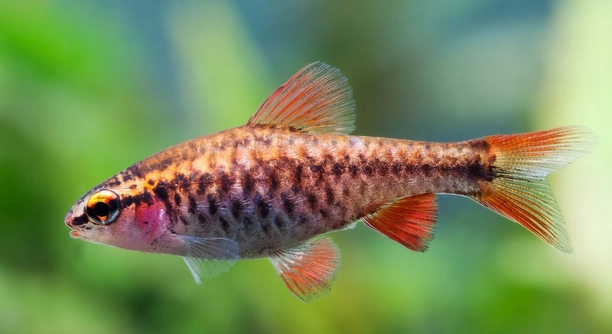
Cherry barbs are a popular choice for aquarium enthusiasts due to their peaceful nature and vibrant colors. However, when breeding these fish, concerns often arise about whether adult cherry barbs might eat their own fry. Understanding their behavior is key.
Cherry barbs are known to eat their own fry under certain conditions, particularly if they feel threatened or stressed. Adult fish may view the fry as prey, leading them to consume them. Proper care and environment management can reduce this behavior.
While they can exhibit this natural predatory behavior, there are steps you can take to ensure the safety of your cherry barb fry. This includes creating a suitable environment for both adults and fry, minimizing stressors, and providing hiding spaces.
Why Do Cherry Barbs Eat Their Own Fry?
Cherry barbs are peaceful fish, but they can sometimes eat their fry. This behavior usually happens when they are in a confined space or feel stressed. In the wild, fish like cherry barbs instinctively eat their own young to reduce competition for food. In an aquarium, the same instincts may kick in, especially if the fry are left in the same tank as the adults. Additionally, adult cherry barbs may mistake the fry for food, particularly if they are hungry or there’s a lack of hiding spots. While this behavior can seem troubling, it’s important to understand that it’s a natural response.
Ensuring your fry survive means controlling the tank environment carefully. You can place a breeding trap or a separate tank for the fry. This prevents adult cherry barbs from accessing them while still allowing the fry to grow safely.
Setting up a proper breeding tank with plants and hiding places can help keep fry safe. These spaces give the young fish a chance to escape predators, especially the adults. If you decide to breed cherry barbs, separating the adults and fry is essential. A mesh breeder box can also be helpful. Simply place the eggs inside this container, and the fry can grow without the threat of being eaten. This method allows the fry to grow strong and healthy without unnecessary risk.
How to Prevent Cherry Barbs from Eating Fry
Proper care and tank management can significantly reduce the chances of cherry barbs eating their fry. When it comes to preventing predation, creating an ideal environment is key. Separate tanks or mesh breeder boxes should be part of the process.
You can also limit adult fish access to the fry by carefully monitoring feeding times and reducing competition in the tank. Additionally, some aquarists recommend raising the water temperature slightly, as this may encourage fry to grow faster and become less vulnerable to being eaten.
Tank Setup for Cherry Barb Fry
To protect cherry barb fry, it’s essential to set up their tank correctly. Ensure the tank has plenty of plants and decorations for the fry to hide. This setup gives them more places to seek refuge if the adults are nearby. Creating a safe environment increases their chances of survival.
You should also consider separating the adults and fry for the first few weeks after birth. This can be done using a mesh breeder box or by setting up a separate tank altogether. Adding floating plants can help, as they mimic the natural hiding spots the fry would seek out. With the right setup, the fry can grow without the risk of being eaten.
Additionally, make sure the tank has low water flow, as fry are tiny and weak swimmers. High currents can stress them out or cause injury. Keeping the water clean and at the right temperature is crucial for their growth. Regular water changes also help maintain a healthy environment for both fry and adults.
Feeding the Fry
When it comes to feeding cherry barb fry, it’s essential to provide small, nutritious meals to encourage healthy growth. Newly hatched fry are tiny and require finely crushed food, such as baby brine shrimp or powdered fry food. These foods are small enough for the fry to consume and digest easily. Offer food multiple times a day to ensure they are getting enough nutrients.
As the fry grow, you can start offering them larger portions of food. Be careful not to overfeed, as this can lead to water quality problems. Keeping a regular feeding schedule ensures the fry are getting the nutrients they need while maintaining a clean tank. Additionally, be mindful of the tank’s filtration system; high-powered filters can suck up the fry or disturb their environment.
Providing proper nutrition is key to growing strong and healthy fry. A well-fed fry will be less likely to fall prey to adult fish, as they are stronger and better able to evade predators. Proper feeding also helps the fry grow faster, which means they’ll reach a size where they can be safely reintroduced to the main tank.
Common Challenges with Cherry Barb Fry
A common challenge with cherry barb fry is ensuring they have enough food and space to grow. If there are too many fry in a small tank, overcrowding can lead to competition for resources, which may stress them out. Stress can make the fry more vulnerable to disease and predation.
Another challenge is keeping the tank environment stable. Sudden changes in water temperature, pH, or filtration can cause stress and slow the fry’s growth. Maintaining a consistent, stable environment reduces the chances of stress and gives the fry the best chance of thriving.
Monitoring Fry Growth
It’s important to monitor the growth of the fry regularly. Keep track of their size and health to make sure they are developing as expected. If you notice any fry that seem weak or unhealthy, separate them from the rest to prevent the spread of disease. Regularly check the water parameters and adjust them if needed.
If the fry aren’t growing as quickly as they should be, they might not be getting enough food or the right nutrients. Adjust the diet to ensure they’re eating enough, and try to maintain a stress-free environment for optimal growth.
When to Reintroduce Fry to the Main Tank
You can start reintroducing the fry to the main tank once they are large enough to avoid being eaten. This typically happens when they are around one inch in size. If there are no other predators in the tank, the fry should be able to live peacefully with the adults. However, if there are aggressive fish in the tank, it might be safer to wait until the fry are a little larger.
FAQ
Do cherry barbs eat their eggs?
Yes, cherry barbs can eat their own eggs if given the chance. In the wild, fish often consume their eggs to reduce competition for resources. In an aquarium, if the adult cherry barbs feel stressed or overcrowded, they may eat the eggs. To avoid this, you can collect the eggs quickly after they are laid and move them to a separate breeding tank or a mesh breeder box where the adults can’t reach them.
How long does it take for cherry barb fry to grow?
Cherry barb fry typically take about 4 to 6 weeks to grow to a size where they can be safely introduced to the main tank. However, growth can vary depending on the water conditions, temperature, and the food provided. Fry in a well-maintained, warm tank with proper nutrition may grow faster. It’s important to monitor their health regularly to ensure they are developing properly.
Can cherry barbs breed in a community tank?
Yes, cherry barbs can breed in a community tank, but it is more difficult to ensure the fry’s survival. Adult cherry barbs may eat their own eggs or fry if they are in the same tank. To increase the chance of survival, you can place the adult cherry barbs in a breeding tank or use a breeding trap. After spawning, move the eggs or fry to a safer space where they are protected from the adults.
What temperature is best for breeding cherry barbs?
The ideal temperature for breeding cherry barbs is between 75°F and 80°F (24°C to 27°C). Higher temperatures can encourage spawning, but it’s important not to exceed 80°F, as it may cause stress or health issues for both the adults and fry. Maintaining a consistent temperature is crucial to create an environment conducive to breeding.
Do cherry barbs need a specific type of water for breeding?
Cherry barbs prefer slightly acidic to neutral water for breeding, with a pH between 6.5 and 7.5. The water should be soft to moderately hard, as too much hardness can inhibit breeding behavior. Regular water changes and maintaining clean water conditions will help keep your cherry barbs healthy and encourage successful spawning.
How can I tell if my cherry barbs are ready to spawn?
When cherry barbs are ready to spawn, you’ll notice some behavior changes. The males become more colorful, with brighter red markings, especially around the fins. They may start chasing the females, and you’ll see them performing a courtship display. Females will appear rounder as they carry eggs. If the environment is ideal, you may notice the actual spawning process where eggs are laid on plants or surfaces.
What should I feed my cherry barb fry?
Cherry barb fry should be fed small, nutritious foods that are appropriate for their size. Newly hatched fry can be fed infusoria or finely crushed fish food. As they grow, you can gradually introduce baby brine shrimp, micro worms, or commercially available fry food. It’s important to feed the fry multiple times a day in small amounts to avoid overfeeding, which can pollute the water.
How many eggs do cherry barbs lay at once?
Cherry barbs typically lay anywhere from 50 to 100 eggs during a single spawning event. However, this number can vary depending on the female’s size and age. After the eggs are laid, they will hatch in about 24 to 36 hours, depending on the water temperature. The fry will remain in their egg sacs for a couple of days before they begin swimming freely and searching for food.
What are the signs of stress in cherry barbs?
Stress in cherry barbs can manifest in several ways. They may display erratic swimming, loss of color, or hiding more than usual. Stress can be caused by poor water quality, incorrect water parameters, overcrowding, or aggression from tank mates. It’s important to address stress quickly, as it can lead to illness and other health problems.
Can cherry barbs live with other fish?
Yes, cherry barbs are peaceful and can live with many other fish species. They are compatible with other small, non-aggressive species, like tetras, rasboras, and livebearers. However, avoid keeping them with overly aggressive fish or larger species that may view them as food. Providing plenty of hiding spaces and avoiding overcrowding will help prevent stress and aggression in a community tank.
How often should I perform water changes in a tank with cherry barbs?
In a tank with cherry barbs, you should perform regular water changes to maintain good water quality. Typically, a 25% water change every one to two weeks is sufficient, depending on tank size and fish load. For a tank with fry or breeding adults, more frequent water changes may be necessary to keep the environment clean and healthy for the fish. Always monitor water parameters to ensure the tank is stable.
Why are my cherry barbs not breeding?
There are several reasons why your cherry barbs might not be breeding. Common issues include poor water conditions, incorrect temperature, or a lack of suitable breeding sites. Additionally, stress from aggressive tank mates or inadequate nutrition can hinder spawning. If your cherry barbs are not breeding, try adjusting the water temperature to around 78°F and providing a stress-free environment with plants or decorations where they can lay their eggs.
Do cherry barbs need to be kept in pairs to breed?
While keeping cherry barbs in pairs can encourage breeding, it’s generally recommended to keep at least one male and two or three females together for better chances of successful spawning. This helps ensure the males can court the females effectively. Multiple females will also reduce stress on a single female, as the males may focus on different individuals.
Final Thoughts
Cherry barbs are generally peaceful fish, making them a great addition to many aquariums. However, like any fish, they have specific needs, especially when it comes to breeding and protecting their fry. Understanding their behavior is crucial to ensure the health and safety of both the adults and the young. While they can sometimes eat their own fry, proper tank management and a few preventive measures can greatly reduce the chances of this happening. By providing adequate hiding spaces, separate breeding areas, and a consistent environment, you can create a better situation for the fry to grow and thrive.
When it comes to breeding, the most important factors are water quality, temperature, and food. Keeping the water clean and stable will reduce stress on the fish, encouraging them to spawn. Offering nutritious food to both the adults and fry is also essential for healthy growth. With the right setup and care, you can enjoy seeing your cherry barbs reproduce successfully, and watching the fry grow from tiny, vulnerable fish to adults that can eventually be safely introduced to the main tank. This process requires patience and attention to detail, but the rewards are worth it.
In the end, keeping cherry barbs involves not just understanding their needs but also being prepared for the responsibility of caring for fry. Whether you’re trying to breed them or simply maintain a peaceful aquarium, careful planning is key. With the right care, cherry barbs can live happily in a community tank, and their fry can grow into healthy, vibrant fish. By being mindful of their behavior and environment, you can ensure that your aquarium remains a peaceful and thriving space for both adult and baby cherry barbs.

Hello,
If you enjoy the content that we create, please consider saying a "Thank You!" by leaving a tip.
Every little bit helps us continue crafting quality advice that supports the health, happiness, and well-being of pets around the world, for pets of all shapes, sizes, and species.
We really appreciate the kindness and support that you show us!