
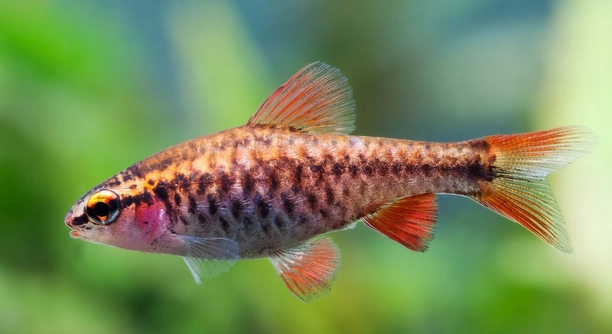
Cherry Barbs are known for their active and playful behavior, but sometimes their movements can seem puzzling. If you’ve noticed your Cherry Barb acting like it’s chasing something, it could be due to various factors.
Cherry Barbs exhibit chasing behavior due to several reasons, including mating rituals, territorial disputes, or stress. They may also chase after other fish or objects in the tank, mistaking them for competition or potential mates.
Understanding the reasons behind this behavior will help you ensure that your Cherry Barb stays happy and healthy in its environment.
Reasons for Cherry Barb’s Chasing Behavior
Cherry Barbs may seem to be constantly on the move, but their chasing behavior can be triggered by various natural instincts. One of the most common causes is breeding behavior. During the mating season, males become more territorial and may chase females to show interest. The male Cherry Barb might even try to chase other males away, attempting to dominate a specific area of the tank. This behavior is typical in many fish species and is part of their reproductive cycle. In these instances, the chasing isn’t aggressive but rather a display of the male’s desire to mate.
When Cherry Barbs feel threatened or stressed, they may also chase other fish in the tank. If the environment is overcrowded or if there are signs of aggression from other species, they may act out by chasing. Stressful conditions can include poor water quality or an inappropriate tank size, both of which can make your Cherry Barb feel uneasy.
It’s important to maintain a peaceful environment in the tank by keeping the water clean and ensuring enough space for each fish. When Cherry Barbs feel secure in their habitat, their chasing behavior is less likely to occur. So, be sure to keep an eye on water quality and provide enough hiding spots for all the fish.
How to Manage Chasing in the Tank
If you’ve noticed that your Cherry Barb is chasing others more often, it could be a sign that something’s off.
Ensuring your tank has the right balance of fish is essential to avoiding aggression. If your Cherry Barb is chasing others, consider adjusting the number of fish in the tank or rearranging decorations to break up territorial spaces. This can give all fish more room to roam without feeling threatened. Additionally, monitor the water conditions closely, making sure it is clear and free from toxins. Cherry Barbs thrive in clean water with a temperature between 72-80°F.
Tank Conditions and Their Impact
The water quality and overall tank conditions are crucial to your Cherry Barb’s behavior. Poor water quality, including high ammonia or nitrite levels, can cause stress, leading to chasing. Proper filtration and regular water changes are key.
Water conditions also affect the tank’s pH, hardness, and temperature. Cherry Barbs thrive in slightly acidic to neutral water (pH 6.5-7.5) and a temperature between 72-80°F. Fluctuations in temperature or sudden changes in water chemistry can make them feel uneasy. If you’re unsure about the water quality, consider using a water test kit to check for any imbalances.
Adding more plants and decorations can also reduce the stress on your fish. Cherry Barbs are active swimmers, and they like having hiding spots or spaces to explore. This will help them feel safer, reducing the likelihood of chasing due to fear or territorial disputes.
Tank Mates and Their Influence
If your Cherry Barb is chasing other fish, it might be due to their interactions with tank mates. Cherry Barbs are peaceful but can become aggressive when placed with overly territorial species or those that invade their space.
Choosing tank mates carefully can go a long way in reducing aggressive behavior. Ideal companions for Cherry Barbs include other peaceful fish like tetras, rasboras, and other barbs. Avoid pairing them with overly aggressive or fin-nipping species like larger cichlids or bettas, as this can escalate chasing and stress. When compatible species share the tank, Cherry Barbs are more likely to act naturally and not engage in aggressive chasing.
In some cases, if your tank mates are too active or large, your Cherry Barb may feel like it needs to defend its space. Rearranging the tank layout and giving all fish more hiding spots may help reduce this issue.
Breeding Behavior and Chasing
Chasing behavior is common during the breeding season. Male Cherry Barbs will chase females to attract their attention. This behavior often happens when males are trying to establish dominance over territory. It’s natural and part of their reproductive process.
Once the female is ready to mate, the male may display his chasing behavior more intensely. This could be a way to show interest or to encourage the female to spawn. Understanding this behavior helps you know that it’s not a sign of aggression but rather a mating ritual.
Tank Size and Space
A cramped tank can make Cherry Barbs more territorial, leading to chasing.
Cherry Barbs need room to swim freely. In a small tank, they feel confined, which might make them act out. A tank that holds at least 20 gallons is ideal for a small group of Cherry Barbs.
FAQ
Why is my Cherry Barb chasing its reflection?
Chasing its reflection is a common behavior for Cherry Barbs, especially in smaller tanks or those with mirrored surfaces. The reflection can be perceived as a rival, causing the fish to react by swimming after it. This behavior is usually harmless, but it can be stressful for the fish if it happens too often. To reduce this, consider adjusting the tank layout to block reflections, or cover mirrored surfaces with decorations or plants.
Can I stop my Cherry Barb from chasing other fish?
While chasing is often natural, you can minimize it by adjusting the tank’s environment. Ensure the tank is large enough and has enough hiding spots, so each fish can claim its space. Reducing stress by maintaining good water quality and keeping compatible tank mates can also help. Sometimes, separating overly aggressive fish can resolve the issue. Monitoring the behavior and observing if it’s linked to specific tank mates or conditions will also guide you to a solution.
Is it normal for my Cherry Barb to chase only one specific fish?
Yes, this can happen, especially if the other fish is seen as a threat or rival. It could be due to territorial behavior or competition for space and food. Some fish develop a dislike for others, and a particular fish may seem like an easy target. Observe the interactions between them to see if it’s happening because of an underlying issue, such as overcrowding or resource competition.
Can stress cause my Cherry Barb to chase more often?
Absolutely. Stress is one of the biggest triggers for chasing behavior. Changes in water temperature, poor water quality, or overcrowded tanks can all stress your Cherry Barb, causing it to act out. Other signs of stress include hiding, loss of appetite, or unusual swimming patterns. Providing a stable environment with good water quality and appropriate tank mates can help reduce stress-related chasing.
How do I know if my Cherry Barb is chasing for mating or aggression?
The easiest way to tell is by observing their body language. Mating behavior typically involves the male chasing the female in a more controlled manner, with less intense physical contact. In contrast, aggressive chasing often involves rapid movements, sudden bursts of speed, or attempts to corner the other fish. If the chasing seems to be followed by peaceful interactions, it’s likely mating behavior. If it results in stress or injury, it may be territorial aggression.
Is there any specific food I should feed my Cherry Barb to reduce chasing behavior?
A well-balanced diet is essential for reducing aggression in Cherry Barbs. High-quality flake food, along with occasional treats like brine shrimp or bloodworms, can ensure they’re healthy and less stressed. Feeding them regularly helps avoid competition and territorial disputes over food. Hungry fish are more likely to act aggressively, so ensure they are well-fed but not overfed. A healthy fish is less likely to engage in chasing behavior.
Does water temperature affect my Cherry Barb’s chasing behavior?
Yes, Cherry Barbs are sensitive to water temperature. If the water is too warm or too cold, it can increase stress and cause them to act aggressively. Ideally, keep the temperature between 72-80°F (22-27°C). Sudden temperature fluctuations can trigger chasing and other stress-related behaviors. Using a stable heater and thermometer helps maintain a comfortable environment for your fish.
Can tank decorations help stop the chasing?
Yes, adding plants, rocks, or other decorations to the tank can reduce chasing behavior by providing hiding spots and breaking up territories. Cherry Barbs are less likely to feel stressed when they have more places to explore or retreat to. Additionally, rearranging the decorations periodically can disrupt territorial boundaries, encouraging fish to spread out and reduce confrontations. Ensure that the decorations don’t overcrowd the tank, leaving enough swimming space for all the fish.
Why do my Cherry Barbs chase after other fish but never hurt them?
This behavior is likely due to the natural instincts of Cherry Barbs. Chasing can be a way to assert dominance, show off to potential mates, or defend territory. In most cases, the fish aren’t trying to cause harm but are expressing themselves in the best way they know how. As long as no physical injuries occur and the fish aren’t stressed to the point of illness, it’s generally harmless. However, prolonged chasing could lead to stress or exhaustion, so ensure that the tank is suitable for all its inhabitants.
Can Cherry Barbs live with other species without chasing?
Yes, Cherry Barbs can live peacefully with other species, especially if they are matched with compatible tank mates. Choosing peaceful fish like tetras, rasboras, or smaller barbs can reduce the chances of chasing. However, Cherry Barbs can be territorial at times, and introducing more than one male into a tank could trigger chasing. It’s important to monitor the tank closely when adding new fish to ensure compatibility. A balanced, spacious tank with plenty of hiding spots helps create a peaceful environment.
Final Thoughts
Cherry Barbs are generally peaceful and active fish, but their behavior can sometimes raise questions, especially when they seem to be chasing other fish or even their own reflection. Chasing is a natural behavior for Cherry Barbs, driven by instincts related to breeding, territoriality, or stress. While it may seem concerning, understanding the reasons behind this behavior can help you address it properly and ensure your fish stay happy and healthy in their tank. Whether it’s during mating season or a response to a stressful environment, chasing behavior is often manageable with a few simple changes to the tank setup.
Creating a suitable environment is key to minimizing chasing. Cherry Barbs thrive in well-maintained tanks with good water quality, a consistent temperature, and plenty of space to swim. Adding plants and decorations to the tank can help break up territories and provide hiding spots for more timid fish. These changes will give your Cherry Barb more comfort and reduce the chances of aggression or stress-related behavior. It’s also important to avoid overcrowding the tank and choose compatible tank mates that won’t trigger territorial disputes. Proper care, such as feeding them a balanced diet and ensuring they are not stressed, will also go a long way in maintaining a peaceful tank environment.
If you notice that the chasing behavior is more than just occasional or it seems to be causing stress or injury to your fish, it’s time to take action. Monitor the water quality closely, ensure the tank size is appropriate for your fish, and observe interactions with other tank mates. In some cases, adjusting the tank layout, separating overly aggressive fish, or even adding more Cherry Barbs to help spread out territorial behavior might help. By understanding and addressing the root cause of chasing, you can make sure your Cherry Barbs remain healthy, happy, and active in their tank.

Hello,
If you enjoy the content that we create, please consider saying a "Thank You!" by leaving a tip.
Every little bit helps us continue crafting quality advice that supports the health, happiness, and well-being of pets around the world, for pets of all shapes, sizes, and species.
We really appreciate the kindness and support that you show us!