
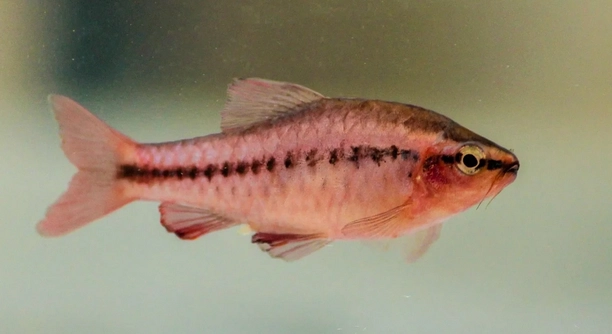
Cherry barbs are popular in aquariums, known for their peaceful nature and vibrant colors. However, not all fish are suitable tankmates for them. Understanding which species can coexist peacefully with cherry barbs is important for creating a healthy aquarium environment.
Certain fish species pose risks when kept with cherry barbs due to aggressive behavior or environmental needs. Fish that are too territorial, too large, or require different water conditions can cause stress or even harm to cherry barbs, leading to an unhealthy aquarium.
Learning about which fish can safely share a tank with cherry barbs will help you create a more harmonious aquarium setup. Proper planning is essential for maintaining the well-being of all your fish.
Fish That Are Too Aggressive for Cherry Barbs
Cherry barbs are peaceful fish that thrive in calm environments. Introducing aggressive species into their tank can lead to stress and even injury. Fish like cichlids and certain species of barbs are known to be more territorial, often chasing or nipping at others. These behaviors can make it difficult for your cherry barbs to feel safe and secure.
Large or aggressive fish tend to dominate the space, leaving little room for smaller, more peaceful fish. As cherry barbs are not particularly fast swimmers, they may be unable to escape aggressive fish. It’s important to choose tankmates carefully to avoid creating a stressful environment.
Cichlids, such as the African cichlid, are especially unsuitable for cherry barbs. Their aggressive nature can quickly overwhelm the more docile cherry barb. Larger species of barbs, while often peaceful themselves, may become territorial and aggressive when they feel threatened. Ensuring all tankmates are compatible will make for a more balanced aquarium.
Fish with Different Water Requirements
Water temperature and pH are essential to maintaining a healthy aquarium. Species that need significantly different conditions than cherry barbs are not ideal tankmates. Fish requiring cooler or warmer water, or drastically different pH levels, will likely not thrive in the same tank.
Fish like goldfish prefer colder water and a different pH range compared to cherry barbs. They are better suited for separate tanks where the environment can be better controlled. The stress of adjusting to mismatched water conditions can weaken fish and make them more susceptible to illness.
Fish with different water needs can also create an unstable tank environment, which is harmful to all fish. For example, goldfish prefer cooler temperatures, while cherry barbs thrive in slightly warmer waters. Ensuring that all tankmates share similar water conditions is essential for a thriving aquarium. The key is to avoid drastic differences in temperature, pH, and hardness between species.
Larger Fish That Can Eat Cherry Barbs
Larger fish, especially predatory ones, can be dangerous for smaller species like cherry barbs. Even if they are not actively hunting, their size alone may cause stress to the smaller fish. It’s essential to avoid keeping large, aggressive species in the same tank.
Fish such as oscars and large gouramis can easily overpower cherry barbs due to their size. They may view the smaller fish as food or simply chase them out of their territory. This leads to stress and can even result in injury. Keeping larger species requires careful consideration to avoid such risks.
Keeping large fish with small, peaceful species like cherry barbs often results in one-sided confrontations. The smaller fish may constantly hide or avoid certain areas of the tank. This behavior disrupts the peaceful nature of the aquarium and can shorten the lifespan of the smaller fish.
Fish That Are Too Fast for Cherry Barbs
Fish that are faster swimmers can outcompete cherry barbs for food and space. This can cause stress and prevent the slower fish from thriving. It’s essential to pair cherry barbs with fish that are relatively similar in speed to ensure harmony in the tank.
Species like danios or rainbow fish are much faster than cherry barbs. Their rapid movements make it difficult for cherry barbs to get enough food, and the constant competition can wear them down. If fast fish are added to the tank, they may push the cherry barbs aside at feeding times, leaving them underfed.
Ensuring that all fish can feed properly and move freely without being outpaced is crucial. Adding faster species to a tank with cherry barbs creates a constant imbalance, leading to stressed and undernourished fish. Keeping similar-paced species together is key to a balanced aquarium.
Fish That Require Strong Water Currents
Fish that prefer strong water currents can create an environment that is too turbulent for cherry barbs. These barbs enjoy calm waters and may struggle to adapt to fast-moving currents. Choosing tankmates that thrive in similar water conditions ensures the well-being of all fish.
Species like hillstream loaches and certain catfish are known for their preference for fast-moving water. Cherry barbs, on the other hand, prefer slower, gentler currents. Keeping fish that thrive in opposite conditions can result in stressed cherry barbs, which may cause them to become ill or anxious.
Fish That Are Too Territorial
Territorial fish can create stress in the tank by claiming specific areas and defending them aggressively. Cherry barbs may find it hard to coexist with such fish, leading to fights or constant stress. It’s important to choose peaceful species that are not territorial.
Fish like bettas or certain cichlids often establish territories within the tank. These fish may aggressively defend their space, which can harm smaller, less aggressive species like cherry barbs. If a fish feels threatened, it will defend its space, which leads to a stressful environment for all involved. Avoiding territorial species can ensure that all fish share the tank peacefully.
Fish That Are Too Large for Cherry Barbs
Fish that grow much larger than cherry barbs can be a danger. They may inadvertently harm or intimidate the smaller barbs simply due to their size. It’s crucial to avoid pairing them with much larger fish for a peaceful tank.
Species like arowanas or large gouramis can quickly outgrow cherry barbs. Their large size and predatory nature make them unsuitable tankmates. Even if they are not aggressive, their size alone can create unnecessary stress. Larger fish may also scare smaller fish, making them retreat into hiding.
FAQ
Can cherry barbs live with guppies?
Yes, cherry barbs can live with guppies. Both species are peaceful and prefer similar water conditions. However, it’s essential to ensure that the guppies are not too aggressive or dominant, as this can stress the cherry barbs. Guppies tend to be active and can sometimes compete for food, so it’s crucial to monitor feeding times.
Are cherry barbs fin nippers?
No, cherry barbs are not known for being fin nippers. They are generally peaceful fish and prefer to coexist with other species without causing harm. However, in some cases, cherry barbs may nip at slower or weaker fish, but this is not typical behavior. It’s important to provide a balanced environment to minimize any aggression.
Can cherry barbs live with shrimp?
Yes, cherry barbs can live with shrimp, as they generally do not pose a threat to these small creatures. However, larger shrimp species or those with very soft exoskeletons may be vulnerable to the barbs. To ensure safety, select hard-shelled shrimp varieties like Amano or ghost shrimp, which are more likely to thrive in a tank with cherry barbs.
What fish should be avoided with cherry barbs?
Avoid pairing cherry barbs with aggressive fish, such as large cichlids or predatory species. Fish that are territorial or require different water conditions should also be kept separate from cherry barbs. Fast swimmers or larger fish that may outcompete cherry barbs for food should be avoided. Choosing peaceful and similarly sized species is key.
Are cherry barbs good for a community tank?
Yes, cherry barbs are an excellent addition to a community tank. Their calm demeanor and small size make them compatible with many other species. They are not territorial and generally do well in tanks with other peaceful fish. However, avoid keeping them with overly aggressive or large fish to prevent stress.
Do cherry barbs need a large tank?
Cherry barbs do not require a large tank but should be kept in an aquarium that is at least 20 gallons. This allows enough space for them to swim comfortably. If you’re keeping multiple cherry barbs or adding other species, a larger tank is recommended to maintain water quality and reduce aggression.
How many cherry barbs should be kept together?
It is best to keep cherry barbs in groups of at least six to eight individuals. They are social fish and feel more secure in groups. Keeping them in small numbers can cause stress and result in them hiding or becoming more vulnerable to aggressive fish.
Can cherry barbs live with other species of barbs?
Cherry barbs can live with other species of barbs, as long as the other species are not overly aggressive or territorial. Species like tinfoil barbs or tiger barbs may be too aggressive for cherry barbs, so it’s best to choose peaceful barbs that won’t compete for food or space.
Do cherry barbs require a heater?
Cherry barbs prefer slightly warm water, so a heater is typically recommended, especially in cooler climates. The ideal temperature range for cherry barbs is between 72°F and 80°F. Ensuring stable water temperature is important for their health and overall well-being.
Are cherry barbs easy to breed?
Cherry barbs are relatively easy to breed in captivity. They are egg layers, and with the right conditions, they will spawn in a well-maintained aquarium. Providing plants or breeding mats for the eggs to rest on helps, and separating the adults from the eggs once laid will increase the chances of successful hatching.
What type of water do cherry barbs prefer?
Cherry barbs prefer slightly acidic to neutral water with a pH range of 6.0 to 7.5. They also enjoy soft to moderately hard water, making it important to monitor the water’s hardness and pH levels to ensure they are within the ideal range. Consistent water parameters will keep cherry barbs healthy and stress-free.
Can cherry barbs live with bettas?
Cherry barbs can live with bettas if introduced carefully. While both species are generally peaceful, male bettas can be territorial and aggressive, especially if they feel their space is being invaded. It’s best to ensure that the tank is large enough and that the betta has plenty of hiding spots to avoid conflict.
Are cherry barbs finicky eaters?
No, cherry barbs are not finicky eaters. They will accept a variety of foods, including high-quality flakes, pellets, and frozen or live foods like brine shrimp and daphnia. Feeding them a varied diet will ensure they receive the proper nutrition for optimal health and vibrant color.
Can cherry barbs live with goldfish?
Goldfish and cherry barbs are not ideal tankmates. Goldfish prefer cooler water and have different nutritional requirements, which can create a stressful environment for cherry barbs. Additionally, goldfish are slower swimmers and may inadvertently outcompete the cherry barbs for food, leading to potential health issues for the smaller species.
What is the lifespan of a cherry barb?
Cherry barbs typically live for around 3 to 5 years in a well-maintained aquarium. Their lifespan can be influenced by factors such as water quality, diet, and tank conditions. Keeping them in a stress-free environment will help maximize their lifespan.
Do cherry barbs need a lot of space to swim?
While cherry barbs are not as active as some other fish, they do enjoy swimming and will thrive in a tank that provides adequate space. A tank size of 20 gallons or more is ideal, especially if you plan on keeping a small group. More space will help them feel secure and allow them to display natural behaviors.
Final Thoughts
Cherry barbs are peaceful and beautiful fish that can thrive in a well-maintained aquarium. They are ideal for community tanks, as they interact well with other calm and similarly-sized species. However, choosing the right tankmates is crucial for ensuring their health and happiness. As with any aquarium setup, understanding the specific needs of cherry barbs and their tankmates is key to creating a harmonious environment.
It’s essential to avoid fish that are aggressive, territorial, or significantly larger than cherry barbs. These fish can cause stress, which may lead to health problems. Additionally, fish that require different water conditions or fast currents should be avoided, as they can make the tank environment unsuitable for cherry barbs. By selecting peaceful fish that thrive in similar conditions, you can prevent conflicts and ensure that all species in the tank live together peacefully.
Maintaining a stable and clean tank with proper water quality is just as important for the well-being of cherry barbs. Regular water changes, monitoring pH levels, and ensuring the right water temperature will go a long way in keeping them healthy. By providing cherry barbs with a suitable environment and compatible tankmates, they can live long, happy lives, adding beauty and tranquility to your aquarium.

Hello,
If you enjoy the content that we create, please consider saying a "Thank You!" by leaving a tip.
Every little bit helps us continue crafting quality advice that supports the health, happiness, and well-being of pets around the world, for pets of all shapes, sizes, and species.
We really appreciate the kindness and support that you show us!