
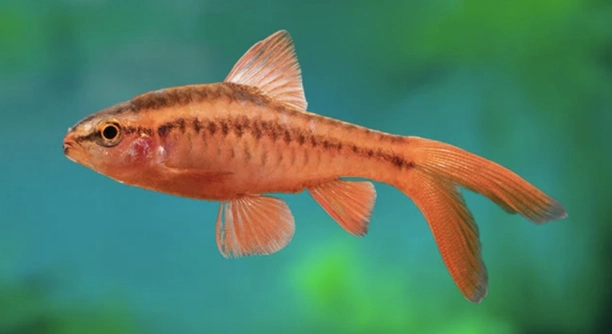
Cherry barbs are a popular fish species known for their vibrant colors. Many fish enthusiasts often wonder if their cherry barbs will become more colorful as they grow older. Understanding this aspect can help you care for them better.
As cherry barbs age, they can indeed become more colorful, especially the males. Their coloration tends to intensify as they mature, particularly during breeding season. Factors such as diet, environment, and genetics also play a role in their vibrant hues.
Their color changes can be subtle but noticeable over time. Understanding the factors that affect their appearance helps ensure they thrive in your aquarium.
How Cherry Barbs’ Environment Affects Their Color
Cherry barbs can exhibit brighter colors depending on the environment they live in. Factors such as water quality, temperature, and lighting all contribute to the vibrancy of their scales. If the water is too warm or too cold, or if it lacks proper filtration, their colors may not reach their full potential. Maintaining a stable and clean environment helps promote healthy growth and development. Adequate water changes, proper filtration, and the correct water parameters—such as pH and hardness—will create a suitable habitat for these fish to thrive.
Proper lighting is also important. Dim lighting can cause the fish to appear dull, while brighter lighting can enhance their natural colors. However, too much light can stress the fish. Finding a balance in light intensity is key to keeping them comfortable and colorful.
If your cherry barbs are in optimal conditions, you may notice their colors becoming more vibrant and noticeable. A well-maintained tank with appropriate water and light conditions allows them to showcase their full potential, especially as they mature.
Diet and Its Role in Color Enhancement
A cherry barb’s diet plays a significant role in how colorful they become. The right nutrients can help improve the intensity of their scales.
Feeding them a balanced diet rich in protein and essential vitamins ensures their health and vibrant coloration. Include a mix of high-quality flakes, pellets, and occasional live or frozen foods like brine shrimp or bloodworms. This variety encourages optimal growth and color development. Poor nutrition can lead to faded or dull colors.
Additionally, make sure not to overfeed your fish. Excess food can pollute the water and cause health problems. It’s essential to maintain a feeding schedule that supports both their well-being and vibrant appearance. Proper nutrition ensures they stay healthy and colorful as they age.
Genetics and Its Impact on Color
Genetics play a major role in how colorful your cherry barbs will become as they age. Some individuals are naturally more vibrant due to their genetic makeup. These genetic traits are passed down from their parents, and certain lines of cherry barbs are known to develop more intense colors than others. While you can’t change their genetics, knowing what to expect based on their lineage helps manage expectations for color development.
If you’re looking for cherry barbs with more vivid colors, it may be worth considering their breeding history. Choosing a healthy line of cherry barbs with bright colors as part of their genetics gives you a better chance of getting colorful fish. However, even with the right genetics, other factors still influence how their colors develop over time.
The Effect of Tank Mates on Cherry Barb Color
Tank mates can have an impact on how colorful your cherry barbs become. Stress from aggressive or overly active fish may prevent your barbs from fully developing their vibrant hues. Peaceful fish allow cherry barbs to feel secure and comfortable, helping them to thrive.
Consider the species you add to your tank. Fish that get along well with cherry barbs, such as small peaceful tetras, will not disturb them. Stress-free conditions allow cherry barbs to exhibit their natural colors. Aggressive species, however, might cause stress, resulting in dull or less vibrant colors.
In addition, overcrowding can also affect how well your fish color up. Too many fish in one tank can create competition for space and food, leading to stress. Giving your barbs room to swim and a stress-free environment lets them fully show their true colors.
Water Temperature and Its Effect on Color
Water temperature directly influences the color of cherry barbs. If the water is too warm or too cold, their colors can become dull. Keeping the water within the ideal range of 72-79°F (22-26°C) encourages healthy coloration. Consistent temperatures help cherry barbs maintain their vibrant appearance.
Fluctuations in temperature, particularly sudden changes, can stress the fish. This stress affects their overall health and vibrancy. Maintaining a stable environment with controlled temperature levels allows cherry barbs to display their brightest colors over time.
Light Exposure and Its Influence on Color
The lighting in your tank plays a crucial role in how colorful your cherry barbs appear. Proper lighting can enhance their natural hues, making them look brighter and more vivid. Too much light can cause stress, while too little may make them appear dull.
Adjusting the lighting to provide the right balance ensures your fish look their best. Cherry barbs thrive in moderate lighting, which allows their vibrant colors to stand out without overwhelming them. A well-lit tank helps bring out the beauty of their scales without causing unnecessary stress.
Regular Tank Maintenance
Regular maintenance is essential for keeping your cherry barbs healthy and colorful. Performing consistent water changes, cleaning the tank, and checking the filtration system help keep the water quality high. Clean water supports their health, and healthy fish are more likely to display vivid colors.
Proper maintenance also helps prevent harmful chemicals from building up in the water. These chemicals can damage the fish’s scales and dull their color. By keeping the tank clean and ensuring optimal water conditions, you create an environment where cherry barbs can thrive.
FAQ
Do cherry barbs need special lighting to become colorful?
Cherry barbs do not require special lighting, but the right balance is important. Too much light can cause stress, while too little can make their colors appear dull. Moderate, natural light will help them thrive and show off their vibrant hues. If you’re using artificial lights, opt for LED or fluorescent lighting that mimics daylight. It’s important to avoid very bright or harsh lighting, which can affect their comfort and overall health. A simple 10-12 hour light cycle works well for these fish.
How do I know if my cherry barb is male or female?
The difference between male and female cherry barbs is noticeable. Males typically have brighter, more vibrant colors, especially during the breeding season. They often display a deeper red hue on their body, with a darker black stripe running along their sides. Females, on the other hand, are usually more subdued in color, with a pale, light brown or slightly orange body. Males also tend to be smaller than females. During the breeding season, males become even more colorful to attract females.
What kind of water conditions do cherry barbs prefer?
Cherry barbs prefer slightly acidic to neutral water conditions. The ideal pH range is between 6.5 and 7.5. They thrive in water temperatures between 72°F and 79°F (22°C to 26°C). It’s important to maintain stable water parameters to keep your fish healthy and colorful. Additionally, they prefer soft to moderately hard water, so regular testing of water hardness and pH is recommended. Frequent water changes and good filtration will help maintain these conditions.
Can cherry barbs change color with age?
Yes, cherry barbs can change color as they age, particularly the males. As they mature, their colors become more intense, especially during breeding season. The vibrant red hue of the males becomes more pronounced, and they may develop deeper shades of red and black. This color change is more noticeable when they are kept in optimal conditions—such as appropriate water quality, lighting, and diet. However, the color change will also depend on their genetic makeup, so some barbs may remain less colorful than others.
Do cherry barbs need live plants in their tank?
Cherry barbs enjoy having plants in their tank, but they do not require them. Plants help create a more natural environment for the fish, providing hiding spots and areas to swim through. Live plants also contribute to water quality by absorbing excess nutrients. If you choose to include plants, go for easy-to-care-for varieties like Java fern or Anubias, which do not require high lighting. While plants are beneficial, cherry barbs can still live and thrive in a tank without them as long as other conditions are met.
How often should I feed my cherry barbs?
Cherry barbs should be fed once or twice a day, depending on their size and the type of food you provide. Feed them an amount that they can consume in a few minutes to avoid overfeeding. A balanced diet consisting of high-quality flakes, pellets, and occasional live or frozen food like bloodworms or brine shrimp will keep them healthy and colorful. Overfeeding can lead to water pollution, which can stress the fish and negatively impact their color. It’s important to remove any uneaten food to maintain clean water conditions.
Why are my cherry barbs losing their color?
If your cherry barbs are losing their color, it could be due to several factors, including stress, poor water conditions, or inadequate diet. Stress can result from aggression from tank mates, sudden changes in water parameters, or overcrowding. Poor water quality, such as improper pH or temperature fluctuations, can also cause their colors to fade. Ensure that their tank is clean, the water is stable, and they are receiving the proper nutrition. If you’ve recently added new tank mates, monitor their interactions to make sure your cherry barbs aren’t being harassed.
Do cherry barbs breed easily in captivity?
Cherry barbs can breed in captivity, but they do require specific conditions to do so. You need a male and female, with the male becoming more vibrant and displaying his colors to attract the female. During breeding, the female will lay her eggs on plants or other surfaces. After spawning, it’s a good idea to remove the adults from the breeding tank, as they may eat the eggs. The eggs will hatch in about 1-2 days, and the fry will start swimming after 3-4 days. It’s important to provide fine food such as infusoria or liquid fry food for the baby fish.
Can cherry barbs live with other fish?
Yes, cherry barbs are peaceful and social fish that can live with a variety of other species. They are best kept with other small, peaceful fish, such as tetras, rasboras, or guppies. However, avoid keeping them with aggressive species, as this can cause stress. Cherry barbs do well in groups, so it’s a good idea to keep at least six individuals to encourage natural social behavior. A tank with plenty of hiding spots and swimming space will help them feel comfortable around their tank mates.
How can I improve the colors of my cherry barbs?
To improve the colors of your cherry barbs, focus on maintaining optimal tank conditions. Keep the water clean with regular changes, and ensure that the temperature, pH, and hardness are within the ideal range. Provide a balanced diet with high-quality food, including occasional live or frozen treats. Adding live plants to the tank and providing moderate lighting will help enhance their appearance. Reducing stress by keeping peaceful tank mates and avoiding overcrowding is also important for bringing out their best colors.
Are cherry barbs hardy fish?
Cherry barbs are relatively hardy and adaptable to various tank conditions, but they still require proper care. They can tolerate a range of water parameters but perform best in stable environments. Regular water changes, proper filtration, and a balanced diet will keep them healthy. While not the most demanding fish, cherry barbs do require attention to water quality, temperature, and light to thrive and show their vibrant colors. With the right care, they can live for several years in a well-maintained tank.
Final Thoughts
Cherry barbs are vibrant and relatively low-maintenance fish that can brighten up any aquarium. Their colors, particularly the males, can become more vivid with proper care, making them a favorite among aquarium owners. Understanding the factors that influence their coloration—such as water temperature, lighting, and diet—can help you maintain their bright, beautiful appearance. A stable environment is crucial, as fluctuations in water conditions can cause stress and dull their colors. Regular tank maintenance is essential to ensure they stay healthy and colorful.
Feeding cherry barbs a balanced diet and maintaining the right water parameters will go a long way in enhancing their health and vibrancy. While live plants are not a strict requirement, they help create a more natural habitat for these fish. Cherry barbs also appreciate moderate lighting, which allows their colors to shine without causing stress. Keeping them with peaceful tank mates will further reduce the chances of stress and help them thrive. Monitoring the overall tank environment, including temperature, pH, and hardness, will ensure your cherry barbs remain healthy and active.
Overall, cherry barbs are hardy fish that do well in a variety of aquarium setups. With the proper care, they will remain colorful and lively, adding beauty to your tank. Their low-maintenance nature makes them an excellent choice for both beginners and experienced aquarium enthusiasts. If you provide them with the right environment, they will reward you with their vibrant colors and energetic presence for many years.

Hello,
If you enjoy the content that we create, please consider saying a "Thank You!" by leaving a tip.
Every little bit helps us continue crafting quality advice that supports the health, happiness, and well-being of pets around the world, for pets of all shapes, sizes, and species.
We really appreciate the kindness and support that you show us!