
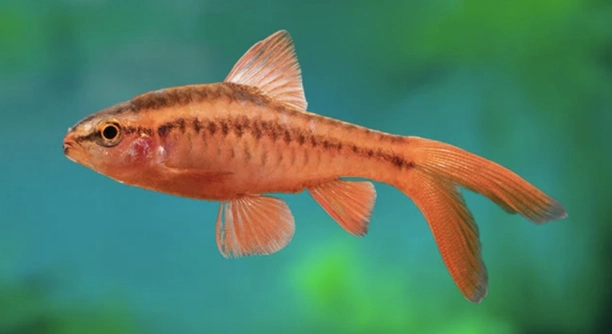
Monitoring the pH level of your Cherry Barb tank is essential for their health and well-being. Small fluctuations can make a significant impact on their behavior and longevity, so keeping track is crucial.
To effectively monitor the pH of your Cherry Barb tank, regularly use a reliable pH test kit to measure the water’s acidity or alkalinity. Maintaining the pH in the ideal range of 6.5 to 7.5 ensures their optimal health.
Taking simple steps to monitor and adjust pH levels can significantly improve your Cherry Barbs’ environment. Let’s explore ways to keep their tank’s pH just right.
Understanding Cherry Barb Tank pH Requirements
Maintaining the right pH level is essential for your Cherry Barbs’ health. These small fish thrive in slightly acidic to neutral water. If the pH is too high or low, it can lead to stress, weakened immunity, or even disease. It’s important to regularly test the water to ensure it stays in the ideal range, typically between 6.5 and 7.5. This is especially true for aquarium setups with live plants or other species, as their presence can slightly alter pH levels. By keeping a close eye on pH, you ensure the conditions are stable and suitable for your Cherry Barbs to thrive.
Small adjustments to the pH level can sometimes be necessary. If the water becomes too acidic or too alkaline, a simple water change or adding pH balancing products may help restore balance.
Consistency is key when monitoring the pH levels. Fluctuations can stress out your fish and lead to potential health issues. Keeping pH stable allows your Cherry Barbs to feel more at ease in their environment.
Tools for Monitoring pH Levels
Testing pH levels regularly is the first step in maintaining a healthy tank.
There are several tools available to monitor pH levels in your aquarium, with liquid test kits and digital pH meters being the most popular. While liquid test kits are affordable and easy to use, digital meters offer more precision. Both options can help you keep track of the water’s pH consistently.
For a more accurate approach, invest in a high-quality pH meter. These meters give precise readings, so you can act quickly when adjustments are needed. Regularly calibrating the meter ensures you get reliable results, making it a useful tool for maintaining stable conditions for your fish.
Factors Affecting pH Levels in Your Tank
Several factors influence the pH levels in your tank. Fish waste, decomposing food, and even plant matter can contribute to lowering the pH over time. Additionally, the type of substrate you use, such as pebbles or sand, can affect the overall acidity. Make sure to monitor these elements regularly to prevent unwanted pH swings.
Water changes are a simple way to keep the pH in check. The source water may have its own pH level, which could influence your tank. When doing water changes, test both the tank water and the source water to ensure you’re not introducing an imbalance. If necessary, treat the water to adjust its pH before adding it to your tank.
The types of fish and plants in your tank can also affect pH. Some plants naturally lower pH, while others may raise it. Keep an eye on how your setup influences the water, and make adjustments as needed. Always monitor pH after adding new elements to your tank.
Adjusting pH Levels Safely
If your tank’s pH level is out of range, don’t rush to make drastic changes. Rapid shifts in pH can stress out your fish.
To raise the pH, consider adding crushed coral or limestone to the substrate or filter. These materials naturally increase the pH over time. To lower it, you can use pH-lowering products, but always follow the manufacturer’s instructions carefully to avoid harmful fluctuations. Adding a small amount at a time and monitoring the changes will help keep your fish safe.
When adjusting the pH, keep a steady routine. Regular monitoring and small, controlled changes are key. Avoid overcorrecting, as large pH shifts can be more harmful than leaving it outside the ideal range for a short time. Taking it slow helps prevent stress on your Cherry Barbs.
pH Stability Through Water Changes
Regular water changes help maintain stable pH levels in your tank. When you replace old water, you remove excess waste and debris, which can affect the pH. It’s a simple but effective method to keep the environment balanced.
Changing 20-30% of the water every week is ideal for most aquariums. Make sure to match the temperature of the new water to avoid stressing your fish. Also, use a water conditioner to neutralize chlorine and other chemicals. Testing the pH before and after water changes allows you to track the adjustments more easily.
If your water source has a significantly different pH, consider using a dechlorinator with pH balancing features. This will help prevent major fluctuations when adding new water. Consistent changes will keep the overall environment stable for your Cherry Barbs.
Buffering Agents for pH Control
Buffering agents can help stabilize the pH over time. These substances maintain a consistent pH level, preventing sudden drops or increases.
You can use commercial buffers designed specifically for aquariums. When adding buffering agents, always follow the manufacturer’s instructions. Using too much can overcompensate and cause an imbalance. Slowly adding the agent while monitoring the tank’s pH ensures it stays within safe limits.
If you’re looking for a natural option, adding certain types of rocks, like coral or crushed shells, can also act as buffers. Just be mindful of your water’s natural chemistry to avoid overadjustment.
pH and Fish Behavior
Your Cherry Barbs will show signs if the pH is out of range. They might become lethargic, stop eating, or even swim erratically.
When the pH is stable and within the right range, they’ll be more active and display natural behaviors. By monitoring and adjusting pH levels, you create a comfortable environment that supports their health and wellbeing.
FAQ
What is the ideal pH level for Cherry Barbs?
The ideal pH range for Cherry Barbs is between 6.5 and 7.5. This slightly acidic to neutral range ensures they feel comfortable and thrive in their environment. When the pH drifts too far from this range, it can lead to stress and weakened immunity, making your Cherry Barbs more susceptible to illness.
How often should I test the pH in my tank?
It’s best to test the pH at least once a week. Regular testing helps you catch any sudden changes in the water’s chemistry before they impact your fish. You can test more frequently if you’re making changes to the tank or adjusting the water parameters.
Can pH levels fluctuate naturally in my tank?
Yes, pH levels can fluctuate naturally, especially if you have live plants or certain types of substrates. Organic matter, such as fish waste and decaying plants, can lower the pH over time. Regular water changes and monitoring are important to keep it within the desired range.
How do I raise the pH in my Cherry Barb tank?
To raise the pH, you can add substances like crushed coral or limestone to the substrate. These materials slowly release calcium into the water, which helps to increase the pH. Be sure to add these in small amounts and test the water regularly to avoid overcorrecting.
How can I lower the pH if it’s too high?
To lower the pH, you can use pH-lowering products available in pet stores. These products are typically made from acids that slowly decrease the pH over time. Another natural method is adding driftwood or Indian almond leaves, which can help lower the pH by releasing tannins into the water.
What should I do if my pH fluctuates too much?
If you notice significant pH fluctuations, it could indicate an imbalance in the tank. In this case, it’s important to first check your water source and make sure it’s consistent. Try to adjust slowly and avoid making drastic changes, as rapid shifts can stress your fish. Buffering agents can help maintain stable pH levels over time.
Can pH changes affect the health of my Cherry Barbs?
Yes, sudden or extreme pH changes can stress your Cherry Barbs and make them more susceptible to disease. Fish can become lethargic, lose their appetite, or exhibit abnormal behavior if the pH shifts too quickly or falls outside their ideal range. Regular monitoring and gradual adjustments can help prevent these issues.
Is it safe to use chemical pH adjusters in my tank?
Chemical pH adjusters can be effective but should be used with caution. They can cause sudden changes in pH, which can stress your fish. If you choose to use them, follow the manufacturer’s instructions carefully and make small adjustments over time. Always test your water before and after using any chemical pH adjusters.
What other factors can affect the pH in my tank?
Several factors can impact pH, including the type of substrate, decorations, water temperature, and the overall bioload in your tank. Fish waste, decaying food, and plant matter can lower the pH, while the use of certain rocks or shells can raise it. It’s essential to monitor all these factors to maintain a stable environment.
Can I keep Cherry Barbs with other species in the same tank?
Cherry Barbs are peaceful fish and can generally coexist with other community species. However, it’s important to ensure the other species you keep are also compatible in terms of pH requirements. If your other fish require a different pH range, you may need to adjust your tank setup to accommodate everyone’s needs.
What happens if my tank’s pH is too low for Cherry Barbs?
If the pH falls below 6.5, it can cause stress to your Cherry Barbs. They may become lethargic, stop eating, or even develop health problems like fin rot or skin issues. It’s essential to correct the pH as soon as possible to avoid long-term damage to your fish.
Can I use tap water for my Cherry Barb tank?
Tap water can be used for your Cherry Barb tank, but it’s important to check its pH before adding it to the tank. Municipal water often has a higher pH, which can be too alkaline for Cherry Barbs. You may need to adjust the pH of your tap water to suit their needs.
Should I use a filter to maintain pH levels in my tank?
While a filter doesn’t directly affect pH levels, it helps maintain overall water quality. A good filtration system will remove waste, excess nutrients, and debris, all of which can alter the pH. A properly filtered tank reduces the need for frequent pH adjustments and ensures a healthier environment for your fish.
What are the best pH testing methods for my tank?
The most common methods for testing pH are liquid test kits and digital pH meters. Liquid test kits are inexpensive and easy to use, though they may be less accurate. Digital pH meters offer precise readings but require proper calibration. Both methods can give you valuable information, but digital meters tend to be more reliable for regular monitoring.
Final Thoughts
Monitoring the pH level in your Cherry Barb tank is essential for their overall health and well-being. Keeping the pH within the ideal range of 6.5 to 7.5 ensures that your fish remain active, healthy, and stress-free. A stable pH prevents many common issues such as lethargy, loss of appetite, and weakened immunity. By staying consistent with water changes, testing the pH regularly, and using the right techniques to adjust the levels, you can create a comfortable and thriving environment for your Cherry Barbs.
While managing pH can seem challenging at first, with the right tools and knowledge, it becomes second nature. Buffering agents, water conditioners, and natural materials like driftwood can help you maintain the proper pH levels without too much effort. Regular monitoring allows you to spot any fluctuations early and make adjustments before they become serious issues. This proactive approach reduces the risk of stress or health problems in your Cherry Barbs.
In the long run, maintaining the right pH not only benefits your fish but also keeps the entire tank ecosystem in balance. Each element, from the water’s chemistry to the overall tank conditions, plays a part in supporting a healthy environment. By staying consistent with your tank care routine and learning the ins and outs of pH management, you’ll enjoy watching your Cherry Barbs flourish. Keep experimenting with methods that work best for your specific setup, and your fish will thrive for years to come.

Hello,
If you enjoy the content that we create, please consider saying a "Thank You!" by leaving a tip.
Every little bit helps us continue crafting quality advice that supports the health, happiness, and well-being of pets around the world, for pets of all shapes, sizes, and species.
We really appreciate the kindness and support that you show us!