
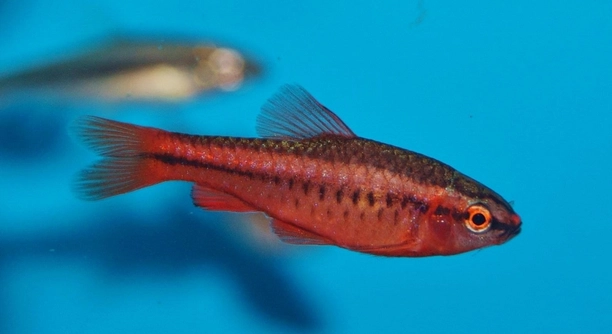
Certain plants may not be the best companions for cherry barbs in an aquarium. Some plants might affect their health or disrupt the tank’s balance. Understanding which plants to avoid can help create a more harmonious environment.
Cherry barbs are peaceful fish that thrive in well-maintained aquariums with appropriate plant selections. Some plants, however, can be incompatible due to their size, chemical release, or growth habits, potentially causing stress or health issues for the fish.
By choosing plants that suit cherry barbs, you ensure a thriving, balanced tank. Understanding plant compatibility is key to maintaining their well-being in your aquarium.
1. Plants with Aggressive Growth
Some plants grow so quickly that they can overwhelm your tank. These plants might end up taking over the space, leaving little room for the cherry barbs to swim. Fast-growing plants like hornwort or water sprite can crowd the tank, blocking light and depriving fish of oxygen. These plants can also absorb most of the nutrients, which could lead to poor water quality for your fish. As cherry barbs prefer more open spaces, having aggressive plants can result in increased stress for them.
Some aquarium plants are known for their aggressive growth patterns, which can harm the environment of your cherry barbs. If not managed, these plants may negatively impact the health of both fish and plants.
To avoid this issue, it’s important to carefully choose plants that maintain a manageable growth rate. Plants like Anubias or Java fern are ideal because they grow slowly and won’t overwhelm your cherry barbs’ tank. These plants offer aesthetic value without threatening your fish’s comfort. Plus, they require less maintenance, making them ideal for beginners.
2. Plants Releasing Toxins
There are certain plants that may release chemicals into the water that are harmful to cherry barbs. For instance, the Allelopathic properties of some plants can inhibit the growth of other plants and even affect the well-being of your fish. Some plants, like the Water Hemlock, can release toxic substances that may cause issues such as skin irritation or breathing problems for your cherry barbs.
These toxins are often released by the plant as a defense mechanism. Although it’s not always immediate, over time, exposure to these chemicals can cause stress or illness in your fish. This is why it’s critical to research plant species before adding them to your tank.
To ensure a healthy tank for your cherry barbs, avoid plants known to release harmful toxins. Stick to safe choices like Amazon swords or Cryptocoryne species, which are less likely to cause chemical imbalances. By selecting these plants, you contribute to a healthier, safer environment for your fish.
3. Floating Plants That Block Light
Floating plants can block light from reaching the substrate, which may negatively affect the health of your cherry barbs. These plants can make your tank feel too crowded, leaving little space for your fish to swim comfortably. This can lead to stress, especially since cherry barbs need adequate light for their environment to remain balanced.
Plants like water lettuce or duckweed can multiply rapidly and cover the water’s surface. As a result, your cherry barbs won’t have enough space to swim freely or access the light they need. In addition, these plants can lower oxygen levels in the tank, which may also impact your fish’s health. To avoid this, it’s best to limit the growth of floating plants or choose slow-growing varieties.
If you still want to add floating plants, try using species that grow slower, such as frogbit. Frogbit provides shade without overwhelming the tank, maintaining the balance. You can also control their growth by regularly trimming them to ensure they don’t become too invasive.
4. Large-Leaved Plants
Large-leaved plants can take up a lot of space in your aquarium. While they can look attractive, they may crowd out the smaller plants and make your tank feel cramped. Cherry barbs prefer open areas to swim, and large-leaved plants can limit this space. Additionally, these plants often have bulky structures that don’t suit the smaller size of cherry barbs.
Plants like the broad-leaved Amazon sword or giant Val can grow too large for smaller tanks, impacting your fish’s comfort. If you want to avoid these problems, consider planting smaller-leaved species. Anubias or Java fern are great options that grow at a manageable size and allow enough open space for your fish to move around freely.
Choosing plants with smaller leaves is beneficial because it keeps the tank spacious and visually pleasing while not limiting the movement of your fish. These plants won’t outgrow the tank or compete for space with your cherry barbs.
5. Rooting Plants That Take Up Too Much Space
Rooting plants can spread out and take up a lot of room in your aquarium. This can lead to an overcrowded tank, restricting the space where your cherry barbs can swim. The roots may also steal nutrients from the water, affecting both plant and fish health.
Plants like Java moss or giant Vallisneria can become invasive if left unchecked. As they grow, their roots may occupy significant space, which not only impacts the aesthetics but also limits the cherry barbs’ movement. Regular trimming and pruning are essential for managing these plants. Otherwise, they could end up dominating your tank.
Consider using plants with more compact root systems, such as Cryptocoryne or small Anubias species. These plants won’t invade too much space and still provide the necessary hiding spots for your cherry barbs, contributing to a balanced, healthy environment.
6. Plants Requiring High Maintenance
Some plants need constant care to thrive. If you’re not willing to dedicate time to their maintenance, these plants could cause trouble in your tank. High-maintenance plants may require specific water conditions, light intensity, or frequent trimming.
Plants like the delicate Rotala or Monte Carlo can struggle in standard aquarium conditions. Cherry barbs prefer a more relaxed environment, and plants that need constant adjustments can disrupt this. While these plants may look nice, they’re often not worth the effort if you’re aiming for a low-maintenance tank setup.
Instead, stick with hardier plants like Java fern or Anubias. These require minimal care and are less likely to stress your fish, making them ideal for beginners. These plants thrive in various conditions, keeping your tank low-maintenance while offering the right environment for your cherry barbs.
7. Fast-Feeding Plants
Some plants tend to absorb nutrients too quickly, which can lead to imbalances in the tank. This can affect the water quality and, in turn, the health of your cherry barbs. Over-consumption of nutrients by these plants can lead to algae growth or a lack of necessary minerals.
Fast-feeding plants like water wisteria or duckweed may compete with the fish for resources, stressing the cherry barbs. This could lead to poor water conditions that are unsuitable for both plants and fish. Keeping a balance of plant types and ensuring nutrient-rich water will help avoid such issues.
FAQ
What are the best plants for cherry barbs?
Cherry barbs do well with plants that offer shelter without overwhelming the tank. Species like Anubias, Java fern, and Cryptocoryne are great options. These plants grow slowly and require little maintenance, ensuring they won’t stress out your fish. They also provide hiding spots for the barbs, making them feel more secure in the tank.
Can cherry barbs live with floating plants?
Floating plants can be tricky for cherry barbs. While they provide shade, they can block out too much light, affecting water quality and the fish’s movement. Plants like water lettuce and duckweed can quickly cover the surface, making the tank feel crowded. If you want to use floating plants, limit their growth and ensure they don’t take over.
Are there any plants that could harm cherry barbs?
Certain plants release toxins that may harm your cherry barbs. Plants like Water Hemlock can release chemicals into the water that irritate fish. These plants can cause stress or health problems for the barbs, so it’s best to avoid them. Always research plant types before adding them to your aquarium.
Do cherry barbs need specific plant types to feel comfortable?
Cherry barbs don’t require specific plants but thrive in tanks with plenty of plants that offer cover. The key is to balance the types of plants, providing enough open space for swimming and some plants for hiding. Plants like Anubias, Java fern, and mosses create a natural, comfortable environment for your cherry barbs.
How many plants do I need for cherry barbs?
While cherry barbs don’t require an abundance of plants, having a variety of plant types in the tank helps create a balanced ecosystem. About 50-60% of the tank should be planted, with some areas open for swimming. This provides shelter and contributes to better water quality for your fish.
What are the signs that my cherry barbs are stressed by plants?
If your cherry barbs are stressed, they might display unusual behavior like hiding excessively, darting around the tank, or showing signs of illness. Stressed fish may also lose their vibrant color or stop eating. If you notice these signs, check the plant types and adjust the tank conditions accordingly.
Can I use live plants with cherry barbs?
Yes, live plants are ideal for cherry barbs, as they help improve water quality and create a more natural environment. Live plants also provide oxygen and absorb excess nutrients, which helps maintain a balanced tank. Choose slow-growing, low-maintenance plants to avoid overwhelming the tank or your fish.
What is the best substrate for growing plants with cherry barbs?
For plants in a tank with cherry barbs, a nutrient-rich substrate is important. Gravel or sand works well, but adding a layer of plant-specific substrate like soil or clay can help plants thrive. Make sure the substrate is deep enough to support plant roots while also allowing proper water flow.
How do I prevent my plants from taking over the tank?
To avoid plants from taking over your aquarium, choose species that have manageable growth rates. Trim plants regularly to prevent them from spreading too much. For rooted plants, ensure their root systems are well-maintained, and for floating plants, remove excess growth to maintain balance in the tank.
Can cherry barbs live with other types of plants in the same tank?
Cherry barbs can live with a variety of plants, but some species may compete for space or nutrients. Avoid plants with aggressive growth patterns or those that release toxins. It’s important to balance different plant types to create an ideal environment for your cherry barbs. Plants like Java fern, Anubias, and Cryptocoryne work well.
Do cherry barbs prefer certain water conditions for plants?
Cherry barbs prefer water with a slightly acidic to neutral pH (6.5-7.5), and they thrive in temperatures ranging from 72-80°F. Choose plants that can tolerate these water conditions. Species like Java fern, Anubias, and Cryptocoryne are adaptable to a variety of water parameters, making them perfect for cherry barbs.
Can cherry barbs survive without plants?
While cherry barbs can survive without plants, having plants in the tank benefits both the fish and the tank environment. Plants provide shelter, reduce stress, and improve water quality by absorbing excess nutrients. Without plants, the tank may feel too barren, which can negatively affect the fish’s well-being.
How do I maintain a healthy tank with plants and cherry barbs?
Maintaining a healthy tank involves monitoring the plants and ensuring they don’t overcrowd or compete with the fish. Regular pruning, checking water parameters, and avoiding plants that release toxins or grow too aggressively will keep your cherry barbs happy. A well-balanced tank promotes the health of both plants and fish.
Do cherry barbs like densely planted tanks?
Cherry barbs enjoy tanks with moderate planting, as it provides them with hiding spots and a more natural habitat. However, too many plants can make the tank feel crowded, which might stress the fish. A tank with a mix of open spaces and plants is ideal for them.
What are the benefits of having plants in a tank with cherry barbs?
Plants improve water quality by absorbing excess nutrients, reducing algae growth, and producing oxygen. They also offer hiding spots, reducing stress for your cherry barbs. Plants help create a more natural and balanced environment, which can make your cherry barbs feel more at home in the tank.
Final Thoughts
Choosing the right plants for your cherry barbs can make a big difference in the health and well-being of your fish. While cherry barbs are relatively easy to care for, having the right environment is essential to keep them happy. Plants not only enhance the visual appeal of your tank but also play an important role in maintaining a healthy ecosystem. Proper plant selection can provide the right balance of cover, improve water quality, and reduce stress for your fish.
It’s important to avoid plants that could overpower the tank or harm the cherry barbs. Some fast-growing plants can quickly take up too much space and create an overcrowded tank, making it difficult for your fish to swim freely. Additionally, certain plants may require high maintenance or release harmful substances into the water. These factors can negatively impact the health of your cherry barbs. Selecting slow-growing, low-maintenance plants will help maintain a peaceful, stable environment for both the fish and plants.
Ultimately, the best way to care for your cherry barbs is to create a balanced tank with a variety of plant types. Aim for a mix of plants that provide both open swimming areas and hiding spots for your fish. Plants like Java fern, Anubias, and Cryptocoryne work well in most conditions and are easy to care for. By choosing the right plants and keeping the tank well-maintained, you’ll create a thriving environment where your cherry barbs can flourish.

Hello,
If you enjoy the content that we create, please consider saying a "Thank You!" by leaving a tip.
Every little bit helps us continue crafting quality advice that supports the health, happiness, and well-being of pets around the world, for pets of all shapes, sizes, and species.
We really appreciate the kindness and support that you show us!