
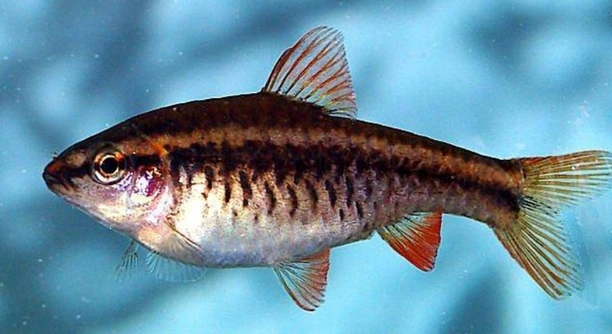
Cherry barbs and angelfish are both popular choices for freshwater aquariums. If you’re considering keeping these species together, it’s important to understand their compatibility. While they have some overlapping traits, there are specific factors to keep in mind.
Cherry barbs and angelfish can generally be housed together, as both are peaceful species. However, care should be taken to ensure the tank size is adequate, and their individual temperament is considered. A properly sized aquarium reduces the chances of aggression.
Maintaining the right balance between these two species ensures a harmonious aquarium environment. Understanding their needs and behaviors is key to keeping both species thriving.
Compatibility Between Cherry Barbs and Angelfish
When choosing tank mates, it’s important to know how cherry barbs and angelfish will interact in a shared environment. Both species are typically peaceful, but their behavior can vary depending on individual temperament. Angelfish are larger and more territorial, especially as they mature. Cherry barbs, on the other hand, are smaller and tend to be less aggressive. The key is ensuring that the tank has enough space for both to feel secure and maintain their natural behavior.
To promote a peaceful cohabitation, it’s essential to monitor their interactions and provide hiding spots or plants. This can reduce stress and prevent territorial disputes. A tank that’s too small may increase aggression, as both species may feel crowded. In a larger, well-planted tank, these fish are more likely to coexist without problems. Cherry barbs tend to school together, while angelfish will claim territory in the middle to upper levels of the tank.
Regular water changes and proper feeding schedules are crucial to maintaining harmony. Ensuring that both species get their nutritional needs met reduces competition for food, which can be a source of stress.
Tank Size and Setup
The size of the tank is one of the most important factors for housing cherry barbs and angelfish together. A tank that’s at least 30 gallons provides enough space for both species to thrive.
A well-planted aquarium is ideal, as both species enjoy areas to hide and swim through. Plants also help create visual barriers, reducing potential territorial conflicts between the angelfish and cherry barbs.
Tank Conditions
Water conditions are crucial for both species to thrive. Cherry barbs and angelfish prefer slightly acidic to neutral water. The temperature should be kept between 74-80°F, as both species thrive in these warmer ranges. Regular water testing and filtration ensure a stable environment.
For optimal water quality, regular water changes of 20-30% per week are recommended. Both species are sensitive to ammonia and nitrites, so proper filtration is essential to keep the water clean and healthy. Using a gentle filter ensures that the flow doesn’t disturb the cherry barbs, as they prefer calm waters. Keeping the water parameters stable promotes the health of both fish.
Maintaining a consistent routine for water changes and monitoring the water parameters can go a long way in keeping your aquarium peaceful and thriving. Avoid sudden shifts in water conditions, as this can cause stress and potential harm to both species. Regularly testing for pH, hardness, and other variables is essential.
Behavior and Socialization
Cherry barbs are peaceful and typically school together, while angelfish can be more solitary or territorial, particularly when breeding. This difference in behavior must be considered to avoid stress or aggression.
Angelfish may become more dominant as they mature, especially when they claim territory. While they aren’t generally aggressive toward smaller species, the presence of cherry barbs in their territory may trigger defensive behaviors. It’s important to observe their interactions and provide plenty of space and hiding spots to minimize conflicts. If the angelfish feels cornered or threatened, it may act out, which can stress the smaller cherry barbs.
By ensuring that the tank setup is well-planted and spacious, both species can maintain their natural behaviors without constant disruption.
Feeding
Both cherry barbs and angelfish are omnivores and can eat similar foods. Offer a balanced diet that includes high-quality flakes, pellets, and occasional live or frozen food such as brine shrimp or bloodworms.
Feeding them separately or at different times helps ensure both species get enough food without competition. Cherry barbs tend to be more active feeders, while angelfish may be more selective. By diversifying their diet, you provide essential nutrients for both species.
Monitoring the feeding habits of both species ensures they are receiving appropriate amounts of food without overfeeding or causing waste buildup in the tank.
Fish Size
The size difference between cherry barbs and angelfish is important to consider when housing them together. Angelfish grow larger, with some reaching 6 inches in length, while cherry barbs typically remain around 2 inches.
A size difference may cause issues if the angelfish gets too aggressive during feeding or territorial disputes. However, if the tank is large enough and has plenty of hiding spots, the size difference can be managed. It’s crucial to keep an eye on interactions to prevent stress for the cherry barbs.
FAQ
Can Cherry Barbs and Angelfish Live Together Peacefully?
Yes, cherry barbs and angelfish can live together peacefully under the right conditions. Both species are generally calm, but angelfish can become territorial, especially when breeding. Ensuring your tank is large enough and well-planted will help reduce conflicts. Cherry barbs are smaller and tend to swim in schools, which can also help diffuse any aggression from the angelfish. Always monitor their behavior to ensure they’re coexisting without issues.
What Size Tank Do I Need for Cherry Barbs and Angelfish?
A minimum of 30 gallons is recommended for housing cherry barbs and angelfish together. A larger tank will give both species enough space to swim freely and establish their territories without feeling crowded. Cherry barbs tend to school together, and angelfish need space to move around, especially when they are establishing their own space. The more space you provide, the better it will be for both species.
What Should I Feed Cherry Barbs and Angelfish?
Both cherry barbs and angelfish are omnivores, meaning they will eat a variety of foods. A balanced diet should include high-quality flakes or pellets, as well as occasional live or frozen foods like brine shrimp, bloodworms, and daphnia. It’s important to feed them a variety to ensure they get all the necessary nutrients. Make sure not to overfeed, as excess food can affect water quality.
Do Cherry Barbs Need a School of Their Own?
Yes, cherry barbs are social fish and feel more comfortable when kept in groups. A school of 5 to 6 or more is ideal for their well-being. Keeping them in a group helps reduce stress and allows them to display natural behaviors. Angelfish are not as social as cherry barbs, so they won’t mind if the cherry barbs are schooling, but it’s important to give them enough space to avoid any territorial conflicts.
What Type of Water Conditions Do Cherry Barbs and Angelfish Need?
Both species prefer slightly acidic to neutral water with a pH between 6.5 and 7.5. The water temperature should be maintained between 74°F and 80°F. Regular water changes and proper filtration are essential to keep the water clean and healthy for both species. Ammonia and nitrite levels should always be kept at zero, as both species are sensitive to poor water quality.
Can Angelfish Become Aggressive Toward Cherry Barbs?
While angelfish are generally peaceful, they can become territorial, especially when breeding. This is usually not a problem with cherry barbs, as they are small and don’t pose a threat to the angelfish. However, if the angelfish feels crowded or stressed, it may act aggressively. Providing plenty of hiding spots and ensuring a large enough tank can help minimize aggression.
Do Cherry Barbs and Angelfish Get Along with Other Fish?
Both cherry barbs and angelfish can be kept with a variety of peaceful tankmates. Cherry barbs are easygoing and can live with other small, peaceful species. Angelfish, on the other hand, can sometimes be more territorial, so it’s important to choose tankmates carefully. Avoid keeping them with overly aggressive or fin-nipping species. Suitable tankmates include tetras, corydoras, and peaceful gouramis.
How Can I Tell If My Angelfish Is Stressing Out My Cherry Barbs?
If your cherry barbs are swimming erratically, hiding frequently, or appearing skittish, this may indicate stress caused by the angelfish. Stress can also lead to health issues, so it’s important to address it quickly. Monitor the angelfish’s behavior closely, especially during feeding times or when establishing territory. If aggression is observed, consider adjusting the tank setup or increasing the tank size to provide more space.
Do I Need to Worry About Breeding?
Angelfish are more likely to breed in a community tank than cherry barbs. During breeding, angelfish can become more territorial, which may cause stress to other fish. If you’re not interested in breeding, it’s a good idea to maintain a balanced environment to reduce the likelihood of aggression. Cherry barbs generally don’t breed as aggressively, but it’s important to ensure that all fish have enough space during the breeding season.
How Often Should I Clean the Tank for Cherry Barbs and Angelfish?
Regular tank maintenance is essential for keeping both cherry barbs and angelfish healthy. Perform water changes of about 20-30% each week to maintain clean, healthy water. Clean the substrate, filter, and decorations regularly to prevent debris buildup. Over time, excess food and waste can affect water quality, so consistent cleaning helps ensure a stable environment for both species.
Can Cherry Barbs Live with Larger Fish Like Cichlids?
While cherry barbs are peaceful, they may not be the best choice to house with larger or more aggressive fish, like cichlids. These larger species may bully or even prey on smaller fish like cherry barbs. If you want to house them together, it’s crucial to ensure that the cichlids are non-aggressive or that the tank is large enough to give all species enough space to avoid conflicts.
Final Thoughts
Cherry barbs and angelfish can coexist in the same aquarium, but success depends on creating the right environment. Both species have different temperaments, with cherry barbs being peaceful and social, while angelfish can be more territorial, especially when breeding. It’s important to monitor their interactions regularly and make adjustments if needed to ensure both species feel comfortable and safe. Providing ample space, plenty of hiding spots, and maintaining good water quality can help prevent stress and aggression between the two.
The size of the tank plays a major role in whether these two species can thrive together. A minimum of 30 gallons is recommended, but larger tanks will always provide a better chance for peaceful cohabitation. When angelfish feel cramped, they can become more dominant and territorial, while cherry barbs may become stressed if they don’t have enough space to school. A well-planted tank with soft decorations can provide areas for each species to retreat, minimizing territorial disputes and giving each fish the freedom to display its natural behavior.
In terms of care, both species require similar water conditions and a balanced diet, but careful attention to their feeding habits and social behaviors is essential. While cherry barbs do well in schools and enjoy a group environment, angelfish are more solitary and may prefer to establish a personal territory. With proper care, these two species can live peacefully together, but it’s important to remain observant of their behavior and adjust the tank conditions when necessary. Regular maintenance, water changes, and monitoring will help ensure that both fish thrive in a harmonious environment.

Hello,
If you enjoy the content that we create, please consider saying a "Thank You!" by leaving a tip.
Every little bit helps us continue crafting quality advice that supports the health, happiness, and well-being of pets around the world, for pets of all shapes, sizes, and species.
We really appreciate the kindness and support that you show us!