
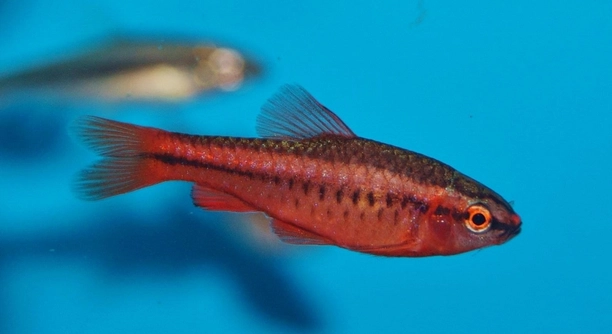
Cherry barbs are small, peaceful fish commonly kept in aquariums. Their constant swimming in circles can sometimes raise questions for fish keepers. If you’ve observed your cherry barbs doing this, you may be wondering why it happens.
The primary reason cherry barbs swim in circles is due to their natural behavior patterns, social interaction, and sometimes the environment. They often swim in schools and exhibit this circular swimming motion as part of their instinctual group dynamics.
Understanding why they swim in circles can help ensure a better habitat for them. Factors like water quality, tank size, and stress levels may all play a role in this behavior.
Why Cherry Barbs Swim in Circles: Understanding Their Behavior
Cherry barbs are social fish, often found swimming in schools, and it’s completely normal for them to swim in circles. This behavior is tied to their instincts and the need to feel safe in groups. In the wild, cherry barbs swim together to avoid predators and improve their chances of survival. They exhibit circular patterns as a way of staying close to others and maintaining social cohesion. If you have multiple cherry barbs in your tank, you’ll likely see them swimming in synchronized motions. However, there are other reasons that might influence this movement.
Tank conditions can also influence the behavior of your cherry barbs. Poor water quality, high stress, or a cramped environment may lead to abnormal swimming patterns. If you notice excessive circular swimming or if the fish appear distressed, it could be a sign of a problem that needs attention. When cherry barbs feel stressed, they may swim in tight circles, which is a sign of discomfort or even health issues.
When cherry barbs swim in circles, it’s typically not a cause for concern if they’re in a well-maintained tank with appropriate water conditions. However, if there are signs of distress, it’s essential to evaluate factors like tank size, water temperature, and filtration. These elements are crucial for ensuring a healthy environment where your fish can swim naturally. Make sure they have enough space to move and that the water quality is consistently checked. The fish’s overall health will benefit greatly from a properly set-up aquarium, and they’ll likely swim with more ease and less anxiety. Keeping their surroundings stable and clean will encourage more natural, stress-free behavior.
The Importance of Social Interaction
Cherry barbs, like many fish species, rely on social interaction to thrive. Swimming in groups gives them a sense of security and stability.
In smaller tanks or when kept alone, cherry barbs may feel stressed and exhibit behaviors like circular swimming. In a group setting, they are much more likely to swim in a calmer and more natural way. Maintaining a school of at least 5 or more cherry barbs will help reduce anxiety and promote healthier swimming patterns. Without this social environment, they may start showing signs of stress or discomfort, leading to erratic swimming behavior. If you want to keep your fish happy and healthy, consider keeping them in groups where they can engage naturally.
Tank Size and Space Requirements
A cramped tank can cause cherry barbs to feel trapped, leading to circular swimming. Fish need room to move freely to stay healthy and active. When they swim in tight spaces, they may display nervous or repetitive behavior.
If your tank is too small, cherry barbs may feel stressed, leading them to swim in circles. A 20-gallon tank is the minimum recommended size for a small group of cherry barbs. This gives them enough room to explore, interact with each other, and exhibit more natural behavior. In larger tanks, they can spread out, reducing stress and promoting healthier movement. Keeping the tank spacious also helps prevent overcrowding, which can lead to territorial issues and further stress.
Ensuring your tank is large enough for your cherry barbs can improve their quality of life. Providing enough space for them to swim freely reduces anxiety and promotes overall health. A spacious environment allows the fish to interact with each other more naturally, giving them the opportunity to form social bonds and reduce the urge to swim in tight circles. Proper tank size can make a significant difference in the behavior of your fish.
Water Quality and Filtration
Poor water quality is a common cause of stress for cherry barbs. They thrive in clean, well-maintained water, and if the water conditions are off, they may exhibit odd swimming patterns.
A good filtration system is essential for keeping your tank clean and stable. Cherry barbs are sensitive to changes in water parameters such as ammonia, nitrites, and nitrates. Regular water changes and proper filtration help maintain the right environment for your fish, preventing issues like circular swimming caused by poor water quality. Test the water regularly to ensure it stays within the optimal range for cherry barbs.
A healthy, balanced aquarium not only helps prevent stress but also keeps cherry barbs active and engaged in natural behaviors. Ensure the water is clear, the filtration system is working well, and the chemical levels are stable. By providing these conditions, you help your fish live in a healthier, stress-free environment, which can reduce circular swimming and improve their overall well-being.
Stress and Anxiety
Cherry barbs are sensitive to stress, which can cause them to swim in circles. Factors like sudden changes in the environment, bullying from other fish, or loud noises can trigger anxiety in these fish.
Constant stress can lead to abnormal behavior, such as erratic swimming patterns. Keeping their environment stable is crucial to minimize these stressors. Stress also affects their immune system, leaving them vulnerable to diseases. Cherry barbs are best kept in a peaceful environment where they are not constantly disturbed by sudden changes or aggression.
Temperature Fluctuations
Temperature changes can also lead to discomfort and unusual behavior in cherry barbs. They prefer stable water temperatures between 72°F and 80°F.
If the temperature fluctuates too much, the fish may become stressed and swim in circles. Temperature stability is key to maintaining their health and well-being. Invest in a reliable aquarium heater and thermometer to keep the tank at a comfortable, steady temperature for your fish. Consistent water temperatures will help reduce the chances of stress-related behaviors like circular swimming.
Tank Mates
The choice of tank mates can play a significant role in how your cherry barbs behave. Fish that are too aggressive or territorial may cause stress.
Keeping cherry barbs with peaceful, non-aggressive tank mates helps them feel secure. If your tank is overcrowded or filled with aggressive species, the barbs may feel threatened and exhibit erratic swimming patterns. Ideal companions for cherry barbs include peaceful fish that won’t stress them out. This encourages more natural behavior and reduces the tendency to swim in tight circles.
FAQ
Why do cherry barbs swim in circles?
Cherry barbs swim in circles as part of their natural social behavior. In the wild, they tend to swim in schools, and the circular movement helps them stay close together. This is an instinctive pattern for them, helping them feel secure and avoid predators. However, they may also swim in circles due to stress, poor water conditions, or overcrowding. If there’s no immediate threat and they’re in a peaceful environment, circular swimming is likely normal.
Is circular swimming a sign of stress in cherry barbs?
Yes, it can be. If your cherry barbs are swimming in circles excessively or appear distressed, it may indicate stress. Factors like poor water quality, high temperatures, or aggressive tank mates could be causing this behavior. Cherry barbs need a stable environment to thrive, so if the circle swimming seems abnormal, it’s important to check for possible stressors in their surroundings.
How can I tell if my cherry barbs are stressed?
In addition to circular swimming, stressed cherry barbs may display other signs such as erratic movements, hiding more than usual, or reduced activity levels. If you notice any of these behaviors, it’s important to assess their environment. Things like water temperature, tank size, and compatibility with other fish should all be considered when determining if stress is a factor.
Can cherry barbs swim in a straight line instead of in circles?
Yes, cherry barbs can swim in a straight line, especially when they are comfortable in their environment. Typically, they swim in schools, and in a peaceful setup with enough space, they will move freely in a more natural, linear motion. Swimming in circles is more common when they are following each other or if they are feeling confined or stressed. In a healthy tank, their swimming should appear more relaxed and less repetitive.
Do cherry barbs need to be kept in groups?
Cherry barbs are social fish, and they are much happier when kept in groups. A school of at least 5 or more is recommended to help reduce stress. They feel safer in a group and are less likely to display anxiety-driven behaviors like excessive circular swimming. Keeping them in groups allows them to engage in their natural social interactions, which helps reduce stress and promotes healthier, more natural swimming patterns.
Can cherry barbs be kept with other fish?
Yes, cherry barbs are peaceful fish and can be kept with a variety of other non-aggressive species. They do well with other small, calm fish like tetras, rasboras, or guppies. However, they should be avoided with more aggressive species, as these can cause stress, leading to behaviors like circular swimming. When choosing tank mates, it’s important to consider the temperament and size of the other fish to ensure a peaceful community tank.
What is the ideal tank size for cherry barbs?
The minimum recommended tank size for cherry barbs is 20 gallons. A tank of this size allows them to swim freely and interact with each other without feeling confined. If you’re keeping multiple cherry barbs, the larger the tank, the better. A bigger tank helps prevent overcrowding, which can lead to stress and abnormal swimming behavior. Additionally, a larger tank offers more stable water conditions, which are essential for their health.
How can I reduce stress for my cherry barbs?
To reduce stress for cherry barbs, you should focus on providing a stable, peaceful environment. Keep the water temperature between 72°F and 80°F, and ensure proper filtration to maintain water quality. Avoid overcrowding, and choose peaceful tank mates to prevent aggression. Regular water changes and maintaining a clean tank are key factors in reducing stress and promoting a calm, healthy habitat for your fish.
What should I do if my cherry barbs keep swimming in circles?
If your cherry barbs are swimming in circles excessively, start by checking their tank conditions. Look for any signs of poor water quality, such as high levels of ammonia or nitrites, and adjust the water parameters accordingly. Ensure the tank is spacious enough, and check that there are no aggressive tank mates causing stress. If everything appears normal, monitor their behavior closely to see if it improves over time. In some cases, giving them time to adjust to their environment can resolve the issue.
Are there any medications to help cherry barbs if they’re stressed?
In most cases, improving tank conditions and reducing stress factors is enough to help cherry barbs recover. Medications should only be used if there are clear signs of illness, like lesions or other visible symptoms of disease. Stress-related behaviors, like circular swimming, typically improve with environmental adjustments rather than medication. Regular water changes, better filtration, and ensuring a peaceful tank environment will often solve the issue without the need for drugs.
Final Thoughts
Cherry barbs are generally calm and social fish, making them a great addition to many aquariums. Their natural behavior often includes swimming in groups, which sometimes results in circular swimming patterns. This behavior is typical when they feel safe and comfortable with their surroundings. However, when the fish are swimming in tight circles excessively or seem distressed, it may be a sign of something wrong in their environment. The main causes of this behavior usually include stress, poor water quality, overcrowding, or a lack of proper tank mates. It’s important to assess the tank conditions regularly and make any necessary adjustments to ensure the well-being of your fish.
Maintaining a stable, clean, and spacious tank is essential for cherry barbs. They need a minimum tank size of 20 gallons to feel comfortable, and the water should be kept at an appropriate temperature. Cherry barbs also thrive in a peaceful environment, so it’s best to avoid keeping them with overly aggressive fish. Tank mates should be chosen carefully to reduce stress and encourage natural social behaviors. Keeping the tank clean and maintaining proper water quality through regular water changes and filtration are key to reducing the chances of stress-related behaviors like circular swimming.
If you notice any unusual behaviors, such as excessive circular swimming or lethargy, it’s essential to evaluate the tank’s conditions. Take a look at the water parameters, temperature, and the number of fish in the tank. A few simple changes to the environment, like adjusting the tank size, adding more cherry barbs to form a school, or improving water quality, can make a big difference in reducing stress and helping your cherry barbs thrive. By creating a stable and safe environment, you can enjoy watching your cherry barbs swim naturally and peacefully without the need to worry about their health.

Hello,
If you enjoy the content that we create, please consider saying a "Thank You!" by leaving a tip.
Every little bit helps us continue crafting quality advice that supports the health, happiness, and well-being of pets around the world, for pets of all shapes, sizes, and species.
We really appreciate the kindness and support that you show us!