
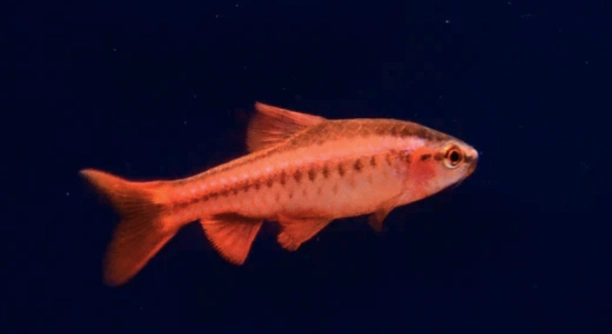
Do you ever find yourself watching your cherry barbs swim in circles and wondering if they’re getting a little too bored?
Cherry barbs will explore objects, tank corners, plant leaves, and even other tank mates when they are bored. Their natural curiosity pushes them to interact with their environment in more active and noticeable ways.
Understanding what cherry barbs do when unstimulated can help you create a better tank setup and improve their overall well-being.
Exploring Tank Corners
Cherry barbs often explore tank corners when they feel bored or unstimulated. These corners may seem like empty spaces, but to a cherry barb, they are small territories worth checking out. If there’s no action in the middle of the tank, corners offer a change of scenery. Cherry barbs may swim back and forth repeatedly, sometimes poking at the glass or hovering in place. This behavior is not harmful, but it usually means the fish could use more stimulation. Placing decorations or aquatic plants near corners can redirect this behavior into something more enriching. When corners are bare, it may also signal a lack of hiding spots, especially if the fish feel exposed. Cherry barbs enjoy having areas to dart into and out of. Rearranging tank décor occasionally can also reset their interest and bring back that curious energy. Watch for repeated corner activity, as it may mean your setup needs a refresh.
A bare tank leaves little room for natural behavior. Cherry barbs seek areas that feel safe, interesting, and slightly hidden.
Try adding a few tall plants or a driftwood piece near the corners. Cherry barbs may start using those spaces in new ways, reducing stress and increasing movement.
Investigating Plants
Plants are a key part of how cherry barbs interact with their environment. Even when they’re not bored, plants serve as a major point of interest. When they are bored, cherry barbs will often spend extra time weaving in and out of leaves, resting in shaded spots, or even nibbling gently on soft plant surfaces. This behavior isn’t aggressive or damaging—it’s just part of how they explore. They are drawn to plants with lots of cover, especially fine-leaf types like hornwort or cabomba. These provide shelter and a sense of security, which encourages natural behavior. Adding new plants or rotating existing ones can create new zones of interest for them. Be sure to choose aquarium-safe species, and rinse them well before adding to the tank. The more layers you give them to swim through, the more engaged they’ll be. A well-planted tank supports both their curiosity and comfort.
Interacting With Other Fish
Cherry barbs may start to follow or lightly chase their tank mates when they feel bored. This is often a sign they’re seeking stimulation rather than being aggressive.
These interactions usually stay gentle, especially in peaceful community tanks. Cherry barbs may hover close to slower fish, follow others across the tank, or hang near schooling groups. If tank mates are tolerant, this behavior tends to balance itself out. But if other fish seem stressed or begin hiding more, it may be time to intervene. Adding more cherry barbs to increase their school size can help refocus their energy. A group of six or more often creates a stable dynamic. This reduces unwanted interactions with other species and gives the cherry barbs a more natural outlet for their curiosity and movement.
It’s also important to watch for signs of stress in smaller or slower species. Cherry barbs are generally peaceful, but in smaller tanks or under-stimulated environments, they might become more active around shy tank mates. If interactions seem one-sided or if other fish begin avoiding certain areas of the tank, it could be a sign that your cherry barbs need more enrichment. Spreading out hiding spots and creating layered swimming zones can ease tensions and make the tank feel balanced.
Inspecting the Glass
Sometimes cherry barbs will stare at or swim along the tank walls repeatedly. This is usually a sign of boredom or restlessness. A plain background can make this worse by giving them nothing to focus on visually.
Glass inspecting behavior can become a habit if the environment stays too plain. It often happens in tanks with limited decorations or too much open space. Giving the tank more complexity helps reduce this. Try placing background images on the back of the tank or adding plants and structures near the walls. This breaks up their line of sight and gives them something to explore. Tank reflections can also confuse them, especially if the lighting causes glare. If they’re swimming at their reflection, adding more shade or adjusting the lighting angle can help. Glass inspecting doesn’t always mean there’s something wrong, but it’s usually a sign they need more things to explore inside the tank.
Nipping at Decorations
Cherry barbs may start to nip at decorations when they’re feeling bored or under-stimulated. This behavior isn’t usually harmful, but it’s a sign they’re looking for more interaction or texture in their surroundings.
Smooth or unchanging objects tend to lose their interest. Try adding more natural-feeling items like moss balls or textured rocks to give them something different to explore.
Swimming Against the Filter Flow
Some cherry barbs will spend time swimming directly into the current from a filter when they have nothing else to do. This gives them a challenge and adds variety to their movement. It’s a natural way to stay active.
If your filter has a strong but steady flow, it can become a fun obstacle for cherry barbs. They may return to the same spot again and again, especially if the tank lacks other areas with movement. If the current is too strong, though, it can stress weaker fish. To make this more engaging without creating problems, try placing plants or decorations near the filter. These can create pockets of calmer water and give your cherry barbs a chance to weave in and out, making the experience more rewarding without being overwhelming.
Digging in the Substrate
Cherry barbs may peck or stir at the substrate if they’re bored. This helps them stay busy and mimic natural foraging.
FAQ
Do cherry barbs need tank mates to stay entertained?
Cherry barbs are schooling fish and feel more secure and active when kept in groups. A group of at least six helps them stay social and reduces boredom. When kept alone or in very small numbers, they may become shy or inactive. With enough tank mates of their own kind, they’ll interact more naturally and explore their space more confidently. Tank mates from other peaceful species can also offer some passive enrichment, but the presence of their own kind is the most important for keeping them mentally engaged and comfortable.
Can a plain tank make cherry barbs bored?
Yes, a plain tank with few decorations or hiding spots can leave cherry barbs under-stimulated. They enjoy swimming through plants, darting around rocks, and weaving through driftwood. A bare setup limits their options and can make them lose interest in their surroundings. Simple changes like adding live or silk plants, rocks, caves, or textured items can greatly improve how they interact with the tank. Even rearranging items occasionally can give them new areas to investigate and keep their behavior more natural and active.
How can I tell if my cherry barbs are bored or stressed?
Boredom shows up as repeated or aimless behaviors, like pacing corners, staring at the glass, or swimming alone despite the presence of others. They may also become less active or too active in short bursts. Stress, on the other hand, is more serious and can include loss of color, clamped fins, hiding excessively, or refusing food. Bored cherry barbs can often be helped by adding stimulation, while stressed fish may need water testing, changes to tank conditions, or adjustments in tank mate behavior. Watching for patterns helps you tell the difference.
Is it okay to use fake plants for enrichment?
Yes, fake plants are fine as long as they are aquarium-safe and not too sharp or rigid. Silk plants are usually better than plastic because they move more naturally and are less likely to tear fins. While live plants offer more benefits—like water quality support and a more natural look—fake plants still create important cover and structure. Mixing both can give your cherry barbs more areas to explore and rest in without requiring a high-maintenance setup.
Do cherry barbs get bored of the same tank setup over time?
They can. Like many fish, cherry barbs learn their environment and may eventually stop showing interest in certain areas. Rotating decorations, changing plant placement, or even adding new textures or features from time to time can help re-engage them. You don’t have to overhaul the whole tank—small updates every few weeks are usually enough to stimulate new exploration and natural behavior.
What toys or objects can cherry barbs use for stimulation?
While fish don’t play with toys the same way other pets might, they do enjoy interesting objects. Floating logs, moss balls, bubble walls, and even certain types of leaves like Indian almond leaves can catch their attention. Anything that adds movement, texture, or gentle change to the tank can offer a sense of novelty. Just make sure everything added is safe for aquarium use, free from toxins, and has no sharp edges.
How does lighting affect cherry barb behavior?
Lighting plays a big role in how cherry barbs behave. Too much brightness can make them feel exposed, while low or moderate lighting encourages them to explore more openly. Having shaded areas created by plants or decorations gives them places to rest and feel safe. Using a timer for a steady light schedule helps maintain their internal rhythm, which reduces stress and supports more predictable, active behavior throughout the day.
Final Thoughts
Cherry barbs are active and curious fish. When they don’t have enough to do, they will find ways to stay busy—sometimes in unusual or repetitive ways. Watching them closely can help you notice when they are bored. Small changes in how they swim, interact, or explore the tank are often signs they need something more. Most of the time, these changes are easy to fix with a few updates to their space. A more engaging tank will support their health and give them a better quality of life.
Providing variety in their environment is one of the best ways to keep cherry barbs happy. Adding live or silk plants, new decorations, or gentle water flow can all make a difference. Even rotating items in the tank now and then can refresh their interest. They also need to live in a proper group. Keeping at least six cherry barbs together helps them feel secure and encourages natural schooling behavior. When they feel safe and interested in their surroundings, they tend to be more active and show better color and social habits.
Taking time to understand your cherry barbs’ behavior helps you care for them in the best way. Boredom may not seem serious at first, but over time it can lead to stress or health problems. By watching how they act and making changes as needed, you can create a space that keeps them active, curious, and calm. A well-designed tank with enough structure and variety will not only look better—it will also give your cherry barbs the safe, interesting space they need to thrive.

Hello,
If you enjoy the content that we create, please consider saying a "Thank You!" by leaving a tip.
Every little bit helps us continue crafting quality advice that supports the health, happiness, and well-being of pets around the world, for pets of all shapes, sizes, and species.
We really appreciate the kindness and support that you show us!