
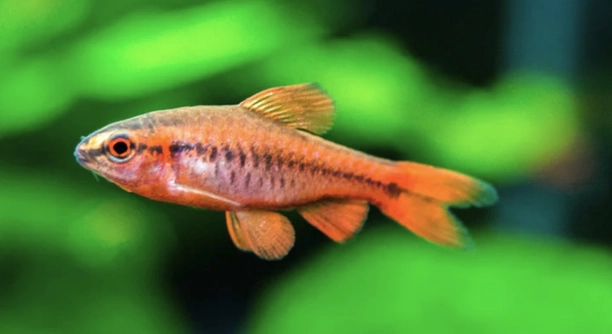
Do you ever find yourself wanting a barb tank that looks like a slice of the wild but aren’t sure where to start?
Creating a natural-looking barb tank starts with understanding their environment. This means choosing the right substrate, plants, lighting, and tankmates to mimic their native waters. Each element contributes to a balanced, stress-free habitat.
These tips can help you build a tank that not only supports your barbs’ health but also looks peaceful and well put together.
Choose a Soft, Natural Substrate
Using a soft, natural substrate helps your barbs feel more at home. Sand or fine gravel works best because it resembles riverbeds found in the wild. These materials also allow live plants to root well and stay secure, which improves the overall look of the tank. Avoid bright-colored or artificial gravel, as it takes away from the natural feel and may stress your fish. Stick with neutral tones like tan, brown, or dark gray. Clean your substrate before adding it to the tank to remove dust and debris. A gentle slope from back to front adds depth and helps with water flow. You can also add a few small, smooth stones to break up the layout and create hiding spots. A good substrate supports both appearance and health. Your barbs will feel more relaxed in a setup that mimics their natural surroundings.
Choose textures that are smooth and easy on barbels, especially for bottom swimmers like barbs.
Natural substrate not only looks better but also encourages natural behaviors. Your barbs may sift through sand or gravel, which can reduce boredom. It’s also easier to clean than it seems. Debris tends to sit on the top layer, making it simple to remove during regular water changes.
Add Plants That Thrive in Your Setup
Live plants help bring the setup together and offer your barbs places to rest and explore.
Hardy plants like Java fern, Anubias, and Vallisneria do well in barb tanks. These species can handle different lighting and water conditions, making them reliable choices. Java moss can also add texture while softening hardscape edges. Stick to plants with strong roots or attachable rhizomes, so they aren’t easily uprooted during swimming or feeding. Spread plants across the tank, not just in one corner. Taller plants should go in the back or sides, and low plants in front to keep things balanced. Floating plants can help filter light, reduce stress, and limit algae growth by blocking excess light. Be sure to trim dead leaves and rinse plants before adding them to your tank to prevent contamination. A planted tank doesn’t have to be complex, but even a few healthy plants make a big difference in the way your tank looks and functions.
Use Natural-Looking Hardscape
Choose wood and rocks that match the natural environment of barbs. Driftwood and smooth river stones work well and offer structure without looking too sharp or artificial. Keep colors earthy and avoid painted or glossy decorations.
Arrange your hardscape before adding water. Start with larger pieces to anchor the design, then add smaller rocks or branches around them. Leave open swimming space in the middle while placing features toward the back and sides. Soak driftwood ahead of time to prevent it from floating. Use aquarium-safe glue to attach pieces if needed. Avoid sharp edges that could harm your barbs. A well-thought-out layout adds depth, helps define territories, and supports your tank’s overall balance. You don’t need to overfill it—just a few well-placed items can do the job.
Good hardscape also gives barbs places to explore or hide when stressed. Keeping it simple prevents clutter while still making the tank visually interesting. Choose pieces that won’t shift or fall over. If your barbs are more active, anchoring the hardscape securely is even more important. Over time, the wood may darken or grow biofilm, which is normal and adds a natural look. Keep checking pieces during water changes to ensure they remain stable.
Adjust Lighting for a Gentle Look
Bright lighting can wash out your setup and stress your barbs. Use a low to medium light level to create a calm feel and help plants grow without overdoing it.
Stick with full-spectrum LED lights that support plant growth and bring out the natural color of your fish without making the tank look artificial. Use a timer to keep lighting consistent, around 8–10 hours per day. If your light is too strong, add floating plants or adjust the height of your light fixture to soften it. Avoid blue or red-toned lights unless you’re targeting specific plant needs, as these can change the tank’s mood in ways that don’t feel natural. Lighting should highlight your setup, not overpower it. A gentle light setup brings out the textures in your hardscape and plants while helping your barbs feel safe.
Pick Calm, Compatible Tankmates
Choose species that won’t nip fins or stress out your barbs. Peaceful fish like rasboras, corydoras, and certain tetras make good companions. Avoid long-finned or aggressive fish, as they can cause tension and disrupt the tank’s calm feeling.
Stick to species that prefer similar water conditions. This helps reduce maintenance and keeps everyone healthier. A balanced group allows natural behaviors to show, making your setup feel more relaxed and natural. Avoid overcrowding, as too many fish can raise stress and water quality issues quickly.
Keep Water Flow Steady and Gentle
Barbs like some movement, but strong currents can tire them out or disturb your layout. Use a filter that provides gentle flow across the tank. Add plants, rocks, or driftwood in front of the filter output to soften the water movement. This also helps reduce dead spots while keeping your layout secure. A sponge filter can be a good secondary option for smaller tanks. If your fish are constantly fighting the current, it’s likely too strong. Observe how your barbs swim—if they stay active and don’t struggle, the flow is likely right. Smooth, steady water also prevents debris from settling too much in one place, making cleaning easier and keeping the tank looking fresh.
Avoid Bright Backgrounds
Stick with dark or neutral backgrounds to help your layout stand out. This also makes fish feel safer and colors appear deeper.
FAQ
How often should I clean my barb tank?
Cleaning your tank once a week is a good rule of thumb. This includes removing debris, vacuuming the substrate, and cleaning the filter. You should also change about 20–30% of the water every week to keep the tank’s conditions stable. Make sure to clean the glass and scrub any algae buildup. If you have live plants, be careful when cleaning to avoid disturbing the roots. Be mindful of water temperature and chemistry changes when doing water changes, as sudden shifts can stress your barbs.
Do barbs need a specific water temperature?
Barbs prefer water between 74°F and 79°F (23°C–26°C). If the temperature fluctuates too much, they may become stressed or sick. A reliable aquarium heater will help maintain a stable environment. Make sure the tank’s water temperature is within this range to keep your barbs comfortable and active.
Can barbs live with other species?
Yes, barbs are generally social fish and can live peacefully with other compatible species. Tetras, rasboras, and corydoras are great tankmates. Avoid keeping them with slow-moving fish or those with long fins, as barbs might nip at them. As long as the other species share similar water conditions and aren’t aggressive, barbs should do well.
How can I reduce algae growth in my barb tank?
Algae growth can be managed by limiting light exposure, keeping it on for 8–10 hours a day. Adding plants helps as they will compete with algae for nutrients. Regular water changes and good filtration are key. If algae becomes a problem, consider adding snails or algae-eating fish to help control it.
What type of plants should I use for a barb tank?
Java fern, Anubias, Vallisneria, and Cryptocoryne are all great choices for a barb tank. They thrive in a variety of conditions and don’t require much care. Avoid plants that need intense light or extra CO2, as barbs don’t need highly specialized environments. Simple, sturdy plants work best in this setup.
How can I make my barb tank look more natural?
To make your barb tank look more natural, choose substrates like fine sand or gravel, and incorporate driftwood and river rocks. Use plants that mimic those found in their native habitats, such as Anubias or Java fern. Keep the lighting gentle, and avoid harsh decorations. A good balance of plants, hardscape, and subtle lighting creates a calming, natural atmosphere.
Why are my barbs swimming erratically?
Erratic swimming could be a sign of stress, water quality issues, or poor tank conditions. Check the water temperature, pH, ammonia, nitrite, and nitrate levels. Also, make sure the current isn’t too strong, and your fish aren’t feeling overcrowded. If the water parameters are off, correct them gradually to prevent stressing the fish further.
Should I use a filter in my barb tank?
Yes, a filter is essential for maintaining water quality in your barb tank. A filter helps remove waste, excess food, and toxins from the water. Make sure the filter’s flow is not too strong, as barbs prefer a moderate current. Regular maintenance of the filter is important to ensure it is working effectively.
Can I keep male and female barbs together?
Yes, male and female barbs can live together. In fact, they should be kept in groups with a good ratio to reduce aggression. It’s recommended to keep at least 3-4 barbs in a group, with a mix of males and females, so they feel safe and less stressed. This also allows natural schooling behaviors to occur.
Are barbs good for beginners?
Barbs can be a good choice for beginners due to their hardiness and ease of care. However, they do require stable water conditions and a balanced tank setup to thrive. As long as you’re willing to monitor water quality, feed them properly, and choose compatible tankmates, barbs make an excellent choice for new aquarists.
How can I tell if my barbs are stressed?
Signs of stress in barbs include hiding, erratic swimming, loss of color, and excessive fin flicking. They may also stop eating or become more aggressive. If you notice these behaviors, check your water parameters and tank conditions to ensure everything is stable. Stress can also result from aggressive tankmates or poor water quality, so make sure your setup is calm and suitable for them.
Final Thoughts
Setting up a natural-looking barb tank can be both enjoyable and rewarding. By carefully selecting the right substrate, plants, and hardscape, you create an environment that not only looks good but also supports the health and well-being of your fish. The goal is to mimic the natural habitat of barbs, making them feel comfortable while keeping the tank visually appealing. You don’t need to overcomplicate things; a few simple choices can go a long way in creating a peaceful and balanced setup.
Barbs are active and social fish that thrive in stable, calm environments. Maintaining proper water conditions and offering plenty of hiding spots with soft plants and rocks will help reduce stress and promote natural behaviors. Choosing compatible tankmates also plays a crucial role. When barbs feel safe and comfortable in their environment, they’re more likely to display their true, colorful personalities. Avoid overcrowding the tank, as this can lead to competition for space and resources, ultimately creating stress for your fish.
Ultimately, a well-planned barb tank doesn’t require constant attention or maintenance, but it does need regular upkeep. Monitor water quality, clean the substrate, and make sure plants are thriving. With proper care, your tank will flourish and provide a healthy, beautiful home for your barbs. Keeping things simple but effective is key. Whether you’re a beginner or more experienced, the steps outlined in this article will help you create a natural, low-maintenance aquarium that both you and your barbs can enjoy for years to come.

Hello,
If you enjoy the content that we create, please consider saying a "Thank You!" by leaving a tip.
Every little bit helps us continue crafting quality advice that supports the health, happiness, and well-being of pets around the world, for pets of all shapes, sizes, and species.
We really appreciate the kindness and support that you show us!