
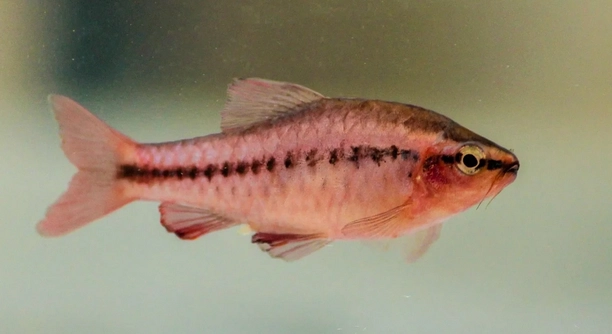
Cherry barbs are popular aquarium fish, known for their vibrant colors and active nature. However, like many fish, they can develop swim bladder issues. These issues can affect their ability to swim and move properly.
Swim bladder issues in cherry barbs are often caused by a variety of factors, such as poor water conditions, overfeeding, or injury. Signs of swim bladder problems include abnormal swimming behavior, floating upside down, or difficulty staying submerged.
Identifying these clues early on can help improve your fish’s well-being. Understanding the causes and symptoms allows you to take action and support your cherry barb’s health effectively.
Understanding Swim Bladder Issues in Cherry Barbs
Swim bladder problems are often seen in cherry barbs, and they can cause a lot of distress to the fish. The swim bladder is an internal organ that helps control buoyancy, allowing fish to float or sink. When this organ is compromised, it can lead to difficulty swimming, whether the fish struggles to stay at the bottom of the tank or floats uncontrollably at the surface. Often, these issues stem from poor water conditions, like fluctuating temperatures or high levels of toxins. Another factor to consider is the type and amount of food the fish are consuming. Overfeeding or offering inappropriate foods can result in digestive problems that affect the swim bladder.
It’s important to observe any unusual behavior in your cherry barb. If your fish is having trouble swimming, acting lethargic, or floating upside down, it’s likely experiencing swim bladder issues.
By acting quickly, you can create a better environment and potentially reverse some of the damage. A healthy tank with stable water parameters, along with a proper feeding routine, is essential for recovery. Regular water changes and a varied diet can go a long way in supporting your fish’s health.
Common Symptoms of Swim Bladder Issues
Swim bladder problems can cause a range of noticeable symptoms in cherry barbs. These include floating upside down, struggling to stay at the bottom, or swimming erratically. Other signs to watch for are difficulty balancing or an abnormal swimming posture.
If your cherry barb is having trouble staying submerged or appears to be bobbing at the surface, it could indicate a swim bladder problem. In some cases, the fish may swim sideways or even fall to the bottom of the tank. Lethargy is also a common symptom. Keeping an eye on behavior will help identify the problem early.
Poor water conditions, such as high ammonia or nitrite levels, can worsen the issue. Additionally, stress caused by overcrowding or sudden temperature fluctuations might also lead to swim bladder dysfunction. If these factors are addressed early, the symptoms may improve. Regular water checks and proper tank maintenance are key in managing swim bladder issues effectively.
Causes of Swim Bladder Problems
Swim bladder problems can occur due to several reasons. Poor diet, water quality, and overfeeding are some of the most common causes. Fish that consume too much food or the wrong type of food may experience digestive issues affecting the swim bladder.
Overfeeding often leads to constipation, which can put pressure on the swim bladder and cause it to malfunction. This is especially true if the fish is fed too frequently or is given large amounts of food. Additionally, high levels of nitrogenous compounds, like ammonia, can disrupt the fish’s overall health and lead to swim bladder issues. It’s crucial to maintain stable water conditions and feed your cherry barb appropriately. A balanced diet helps prevent digestive blockages that can contribute to swim bladder problems.
To help prevent these issues, avoid overfeeding and regularly test your tank water for ammonia, nitrites, and nitrates. Proper filtration and water changes are essential to ensure the fish live in a clean environment.
How to Treat Swim Bladder Issues
Treatment for swim bladder issues often starts with adjusting water conditions. Ensure that the tank has stable water temperature, low ammonia levels, and proper filtration. Regular water changes will help maintain a healthy environment for your fish.
Next, consider adjusting your cherry barb’s diet. Avoid overfeeding and ensure you’re offering a balanced diet with quality food. Consider fasting your fish for a couple of days to help clear up any digestive issues. This break can give the swim bladder a chance to heal.
In more severe cases, medication or specialized treatments may be necessary. Consult with an aquarium expert to determine the best course of action.
The Role of Temperature in Recovery
Temperature plays a crucial role in helping a cherry barb recover from swim bladder issues. Keeping the water at an ideal temperature between 72°F and 80°F encourages proper digestion and promotes recovery.
If the water is too cold or fluctuates too much, it can add stress to the fish, worsening the condition. A consistent, moderate temperature helps stabilize the fish’s internal processes, including its swim bladder. A tank heater can be useful for maintaining a steady temperature. However, ensure the heater is functioning correctly to prevent overheating, which can stress the fish.
Prevention of Future Swim Bladder Problems
To prevent future swim bladder issues, it’s essential to maintain a stable environment and avoid overfeeding. Keep the tank water clean, check regularly for ammonia or nitrate spikes, and perform routine water changes.
Also, ensure that your fish are not under too much stress from overcrowding or aggressive tank mates. A stress-free, balanced environment can significantly reduce the likelihood of swim bladder problems reoccurring. Regular monitoring and a consistent feeding routine are key for long-term health.
FAQ
What causes swim bladder issues in cherry barbs?
Swim bladder issues in cherry barbs can be caused by several factors. Poor water quality, especially high ammonia or nitrite levels, is a leading cause. Overfeeding, or feeding inappropriate foods, can also contribute. Overfeeding leads to constipation, putting pressure on the swim bladder. Stress, from overcrowding or sudden changes in water temperature, can also cause or worsen these issues. To prevent problems, keep the tank clean, feed appropriately, and monitor the water regularly.
How do I know if my cherry barb has swim bladder issues?
Look for signs like difficulty swimming, floating upside down, or swimming in an abnormal posture. A cherry barb with swim bladder problems may also show lethargy or difficulty staying at the bottom of the tank. Pay attention to its swimming patterns; if it’s erratic or the fish is struggling to maintain normal movement, it might have swim bladder issues.
Can swim bladder issues be treated at home?
Yes, swim bladder issues can often be treated at home. Start by improving water quality through regular water changes and ensuring the temperature is stable. You can also try fasting the fish for a couple of days to allow it to recover from digestive issues. If the problem persists, consider adjusting the fish’s diet and feeding schedule. In more severe cases, consulting a professional or using specialized treatments may be necessary.
How long does it take for a cherry barb to recover from swim bladder issues?
Recovery time depends on the severity of the condition and how quickly the issue is addressed. Mild cases may resolve within a few days to a week with appropriate care, such as proper water conditions and a balanced diet. More severe cases may take longer or require additional treatment, including medication. It’s important to stay patient and consistent with water changes and feeding adjustments.
Is fasting my cherry barb a good idea?
Fasting can be an effective way to treat swim bladder issues caused by overfeeding or constipation. Giving your fish a break from food for a couple of days allows its digestive system to clear out any blockages. This can reduce the pressure on the swim bladder and improve the fish’s swimming ability. However, don’t fast for too long, as this could cause malnutrition. After fasting, resume feeding small amounts of food to prevent further issues.
Can swim bladder problems be prevented?
Yes, swim bladder problems can be prevented with proper tank maintenance and feeding habits. Regular water changes, maintaining stable water conditions, and keeping the tank clean are essential. Also, avoid overfeeding and make sure your fish are getting a balanced, nutritious diet. Ensure your cherry barb isn’t exposed to stress from overcrowding or aggressive tank mates, as this can increase the risk of swim bladder problems. A healthy, stress-free environment is key.
Should I isolate a cherry barb with swim bladder issues?
It can be helpful to isolate a cherry barb with swim bladder issues, especially if you suspect the condition is caused by stress or injury. Isolating the fish in a separate, quiet tank will prevent it from being disturbed by aggressive tank mates. This can help it recover in a calm environment while you work on improving the water quality. However, if you believe the swim bladder issue is related to poor water conditions, it’s best to treat the entire tank.
What is the best temperature for cherry barbs?
Cherry barbs thrive in water temperatures between 72°F and 80°F (22°C to 27°C). Consistent temperatures within this range are ideal for their health and help prevent stress-related swim bladder issues. Extreme fluctuations in water temperature can cause stress and negatively affect the fish’s overall health, so it’s important to use a reliable tank heater to maintain stability.
Can swim bladder issues lead to permanent damage?
If left untreated, swim bladder problems can lead to permanent damage. In some cases, the fish may lose its ability to swim properly or even become unable to feed if the condition worsens. However, with prompt treatment, many fish recover fully and resume normal activity. The key is to identify the issue early and take action to correct it.
Is overfeeding the main cause of swim bladder issues in cherry barbs?
Overfeeding is one of the main causes of swim bladder issues in cherry barbs, especially when the fish consume large amounts of food at once. This can lead to constipation, putting pressure on the swim bladder and impairing its function. It’s important to feed your cherry barb only what it can consume in a few minutes to prevent overfeeding. Regular feeding schedules and portion control are essential for preventing swim bladder problems caused by diet.
Final Thoughts
Swim bladder issues in cherry barbs are a common concern but can be managed with proper care. The key to preventing these problems is maintaining a clean, stable environment. Regular water changes, monitoring water parameters, and using a good filtration system are essential steps in ensuring your fish remain healthy. Without these basic measures, the risk of swim bladder problems increases, making it harder to maintain a thriving aquarium. Consistent tank maintenance is not only important for the overall health of your fish but also helps in reducing the chances of future health problems, including swim bladder issues.
Another critical factor in managing swim bladder issues is feeding. Overfeeding is a major cause of digestive problems, which can put pressure on the swim bladder. It’s important to feed your cherry barb small amounts of food at regular intervals. Offering a balanced diet will help ensure that your fish gets the necessary nutrients without overloading their digestive system. Additionally, fasting the fish for a short period can help relieve constipation and allow the swim bladder to function more effectively. Always monitor the amount of food you give and adjust accordingly to avoid any health problems related to diet.
Lastly, while swim bladder issues can be concerning, most cases are treatable with a bit of attention and care. Early detection and a prompt response to the issue can lead to a successful recovery. If symptoms persist or worsen despite your efforts, it may be time to consult with a veterinarian or an aquarium professional for further guidance. By staying vigilant and providing proper care, you can help your cherry barb recover and thrive in its environment.

Hello,
If you enjoy the content that we create, please consider saying a "Thank You!" by leaving a tip.
Every little bit helps us continue crafting quality advice that supports the health, happiness, and well-being of pets around the world, for pets of all shapes, sizes, and species.
We really appreciate the kindness and support that you show us!