
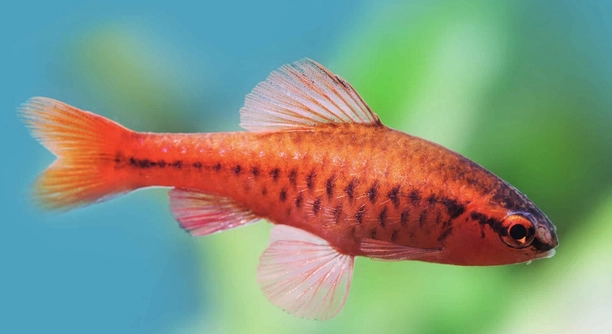
Do you ever find yourself watching your cherry barbs and wondering if they could get used to gentle handling over time?
Cherry barbs do not naturally enjoy being touched, as they are sensitive and easily stressed. However, with consistent care, calm surroundings, and gradual exposure, they may become less reactive, though full tolerance is not guaranteed.
Understanding their behavior can help improve interactions and ensure a more comfortable environment for your cherry barbs in the long run.
Why Cherry Barbs Don’t Like Being Touched
Cherry barbs are small, peaceful fish that prefer to swim freely without much interference. Touching them can cause stress and disrupt their natural behavior. In the wild, they rely on quick movements to escape predators, and human hands can feel like a threat. Even though they are not aggressive, their instinct is to avoid physical contact. When kept in an aquarium, cherry barbs do best in a calm environment where they are not disturbed often. Reaching into their tank too frequently or attempting to pet them may lead to hiding, erratic swimming, or even weakened health over time. For cherry barbs to thrive, it’s important to understand their preference for space and consistency. Keeping their environment stress-free helps them remain active and vibrant.
Respecting their boundaries helps them feel safe. This also helps prevent any long-term negative effects caused by frequent handling or sudden disruptions in the tank.
Even if your cherry barbs become more comfortable with your presence, they will still likely avoid direct touch. It’s not personal—they simply have different needs than other pets. Some fish can adjust to routine activities, like feeding, but petting or scooping them up is rarely accepted. Understanding this behavior helps set the right expectations.
Helping Cherry Barbs Adjust
If you move slowly and stay consistent, cherry barbs may become less reactive when you’re near the tank.
Cherry barbs can slowly become more relaxed when they feel secure in their surroundings. Start by keeping your movements around the tank slow and predictable. When cleaning or feeding, avoid sudden gestures. Over time, they’ll recognize these regular actions and learn they are not dangerous. Feeding them at the same time each day builds a routine, which helps reduce anxiety. You might notice they begin to swim closer during feeding or linger longer near the front glass. While they may never enjoy physical contact, they can grow to associate you with food and safety. Avoid tapping on the glass or reaching in too often. Try to make changes in the tank gradually, such as rearranging decorations or adjusting filters. When cherry barbs are comfortable, their colors are brighter, and they move more freely. Keep their water clean, their tankmates peaceful, and their space respected.
How Touch Can Impact Their Health
Touching cherry barbs can damage their protective slime coat, which helps keep out bacteria and parasites. Once compromised, they become more prone to illness, and their immune system weakens. Even gentle contact can cause long-term stress.
Cherry barbs rely on their slime coat as a natural barrier against infection. If this layer is disturbed, it can leave them vulnerable to issues like fin rot, ich, or bacterial infections. Unlike mammals, fish do not benefit from being touched, so even occasional contact provides no comfort. Stress from being handled may also increase cortisol levels, which affects their digestion and overall health. Over time, constant stress can shorten their lifespan and reduce their quality of life. It’s best to avoid netting or holding them unless absolutely necessary, such as during tank transfers or medical treatment. Gentle care and a stable environment are much more effective for keeping them healthy and active.
Handling cherry barbs can also interrupt their regular behavior patterns. They may stop eating, hide more frequently, or become aggressive toward other fish. These signs are often mistaken for illness, but stress is usually the cause. A disrupted fish can take days or even weeks to recover, especially if the stressor repeats. Limit direct interaction as much as possible.
Creating a Safe Environment
A quiet, stable tank helps cherry barbs feel secure and reduces their need to react to external stress. Loud noises, bright lights, and frequent movements around the tank can all make them feel unsafe.
Choose soft lighting and use a gentle filter to avoid harsh currents. Keep their tank in a low-traffic area to minimize sudden movements and loud sounds. Provide plenty of hiding spots with plants or decorations, giving them safe spaces to retreat when they feel uneasy. Tankmates should also be peaceful, as aggressive fish will increase stress. Feeding at consistent times helps them develop a routine, making them more predictable and comfortable. Check water quality often and avoid major changes all at once. These simple steps create an environment where cherry barbs feel safe and display their natural behavior. When stress is low, they’re more likely to explore, eat regularly, and interact with other fish peacefully.
Signs Your Cherry Barbs Are Comfortable
Cherry barbs that feel safe will swim around the tank with steady, relaxed movements. They may come to the front during feeding times and interact calmly with each other. Bright colors and consistent eating habits are also good signs of comfort.
Hiding less often and exploring their surroundings are indicators that your cherry barbs are settling in. When they feel secure, they are also more likely to form small groups and swim in loose schools. Watch for these behaviors as signs they trust their environment.
When to Avoid Interaction
Avoid interaction when your cherry barbs are newly introduced to the tank, sick, or showing signs of stress. During these times, physical contact or even frequent tank adjustments can overwhelm them further. Let them rest, recover, and adapt without additional disruption. Focus on stable water conditions and routine feeding to support their well-being.
Why Respecting Boundaries Matters
Cherry barbs thrive when their natural behavior is supported. Respecting their boundaries leads to lower stress and better overall health. Avoiding unnecessary interaction helps create a peaceful tank where your cherry barbs can swim freely and remain active without fear.
FAQ
Can cherry barbs live with other fish?
Yes, cherry barbs are peaceful fish and can live with other species that are non-aggressive. They do best in community tanks with similar-sized fish that are calm. Avoid keeping them with larger or overly territorial fish, as they may become stressed or intimidated. Other peaceful species, like tetras, guppies, or small catfish, make good companions.
Are cherry barbs schooling fish?
Yes, cherry barbs are schooling fish. They feel more comfortable and secure when kept in groups of at least five or six. This behavior helps reduce stress and promotes their natural social structure. A group allows them to engage in more natural behaviors, such as swimming together and forming bonds.
How often should I feed my cherry barbs?
Feed your cherry barbs once or twice a day, offering small amounts of food they can consume in a few minutes. Overfeeding can lead to water quality issues and health problems. A balanced diet of high-quality flake food, frozen or live foods like brine shrimp, and occasional vegetable matter is ideal.
Do cherry barbs need a lot of space?
Cherry barbs don’t require an overly large tank, but they do need space to swim freely. A tank of at least 20 gallons is recommended for a small group of them. More space ensures they can swim comfortably and reduces the buildup of waste in the water. Larger tanks also help maintain stable water conditions.
Can cherry barbs tolerate cold water?
Cherry barbs are tropical fish and require a stable water temperature between 72°F and 80°F (22°C – 27°C). They cannot tolerate cold water for extended periods. If the temperature drops too low, they may become stressed or ill. Ensure your tank is equipped with a heater to maintain the right environment for them.
What should I do if my cherry barbs are hiding too much?
If your cherry barbs are hiding frequently, it may be a sign of stress. Check their tank conditions, such as water temperature, pH levels, and tankmates. Ensure there are enough hiding spots for them to feel secure without being overly confined. If the hiding persists, observe their behavior for signs of illness or injury.
Are cherry barbs easy to breed?
Breeding cherry barbs is relatively easy compared to other fish species. Provide them with a separate breeding tank with soft, slightly acidic water. After introducing a pair or group of cherry barbs, the female will lay eggs, which will hatch in a few days. Once the fry hatch, feed them infusoria or specialized fry food.
How can I tell if my cherry barbs are male or female?
Male cherry barbs are generally more colorful, with brighter red hues on their bodies, particularly during breeding seasons. They also have a slimmer, more streamlined body shape. Females are larger, rounder, and less colorful, usually appearing more pale or transparent compared to the males.
What size tank do cherry barbs need?
A minimum tank size of 20 gallons is ideal for a small group of cherry barbs. This allows enough space for them to swim, explore, and feel comfortable. If you plan to keep multiple fish or add other species, opt for a larger tank to maintain good water quality and reduce stress.
Why is my cherry barb’s color fading?
Color fading can be a sign of stress, poor water quality, or illness. Cherry barbs will lose their vibrant color if they are not in ideal conditions. Check the water parameters, such as temperature, pH, and ammonia levels. Stress from bullying by tankmates or sudden changes in their environment can also cause color loss.
Do cherry barbs need a lot of plants?
Plants are essential in a cherry barb tank as they provide hiding spots, reduce stress, and help maintain water quality. They also encourage natural behaviors like grazing and resting. Add live plants like java moss or hornwort to create a comfortable environment, but ensure there’s enough swimming space as well.
How long do cherry barbs live?
With proper care, cherry barbs can live up to 3 to 5 years. Maintaining stable water conditions, feeding a balanced diet, and providing a stress-free environment all contribute to their lifespan. Regular tank maintenance, including water changes and monitoring for illness, is crucial for ensuring they remain healthy.
Can cherry barbs eat live food?
Yes, cherry barbs enjoy live food such as brine shrimp, daphnia, and bloodworms. Live food provides extra nutrition and stimulates natural hunting behaviors. However, it’s important to only offer small portions to avoid overfeeding. Live food should be used as a supplement to their main diet of flakes or pellets.
Do cherry barbs need a filter?
Yes, cherry barbs need a filter to maintain water quality. A filter helps remove waste and toxins from the water, keeping the tank clean and healthy. Choose a gentle filter to avoid creating strong currents, as cherry barbs prefer calm water. Regular maintenance of the filter is essential for optimal tank conditions.
Can cherry barbs tolerate salt?
Cherry barbs are sensitive to salt, and it should only be used sparingly. While they are generally freshwater fish, small amounts of aquarium salt can sometimes be used to treat specific conditions like external parasites. Always follow proper guidelines and consult an expert if you are unsure. Too much salt can harm their health.
Are cherry barbs aggressive?
No, cherry barbs are peaceful fish. They are not territorial and typically get along well with other non-aggressive species. However, males may occasionally show some competitive behavior during breeding seasons. As long as they are kept with compatible tankmates, cherry barbs generally exhibit calm and friendly behavior.
Can cherry barbs live without aeration?
While cherry barbs don’t necessarily need aeration, having proper water movement and oxygen exchange is essential for their health. If your tank has poor circulation, consider adding an air pump or adjusting the filter to ensure there’s enough oxygen for the fish. Poor oxygenation can lead to health issues over time.
Final Thoughts
Caring for cherry barbs requires a few key considerations to ensure they thrive in a home aquarium. They are relatively low-maintenance fish, but like all pets, they benefit from stable water conditions, proper tank mates, and regular feeding. By understanding their natural behaviors and needs, you can create an environment where they feel safe and comfortable. Providing a tank with plenty of swimming space, plants, and hiding spots will help keep them relaxed and healthy. Regular water changes and monitoring their behavior will also help you spot any issues early.
When it comes to interacting with your cherry barbs, it’s important to respect their boundaries. They are not as tolerant of frequent handling as some other species. Forcing them into interactions can cause stress, which might negatively impact their health. While they can get used to your presence, it’s best to avoid touching them unless absolutely necessary. Instead, let them get accustomed to their surroundings and enjoy watching them interact naturally with their tankmates. This approach will help maintain a stress-free environment.
Finally, it’s worth remembering that cherry barbs are social creatures and do best in groups. A small school of at least five or six individuals will help them feel secure and reduce stress. Keeping them in a peaceful community tank with other compatible species further enhances their well-being. By providing proper care, paying attention to their behavior, and creating a comfortable environment, you can ensure your cherry barbs live a long, happy life. Their vibrant colors and gentle nature will continue to brighten your aquarium for years to come.

Hello,
If you enjoy the content that we create, please consider saying a "Thank You!" by leaving a tip.
Every little bit helps us continue crafting quality advice that supports the health, happiness, and well-being of pets around the world, for pets of all shapes, sizes, and species.
We really appreciate the kindness and support that you show us!