
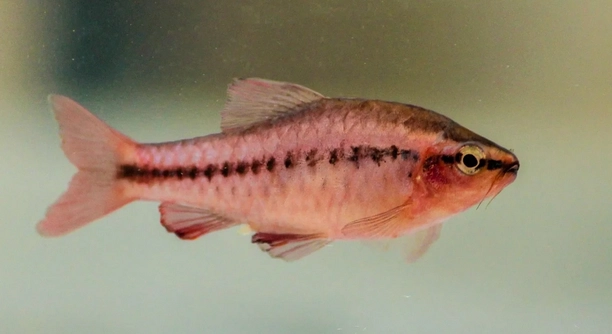
Cherry Barbs are beautiful fish, but they often exhibit skittish behavior, which can make it difficult to enjoy them in your aquarium. Their nervousness can be frustrating, especially when they seem to dart away at the slightest movement.
To make Cherry Barbs less skittish, creating a calm environment is key. Ensuring they have enough hiding spots, stable water conditions, and low-stress interactions with other tank mates can help reduce their anxiety. Proper feeding and gentle handling also support their well-being.
By incorporating these tricks, you’ll foster a peaceful atmosphere that encourages your Cherry Barbs to feel more comfortable. Keep reading for more tips to create a stress-free environment for these delicate fish.
Create a Peaceful Tank Environment
The environment you provide for your Cherry Barbs plays a huge role in how calm they feel. A tank that’s too noisy or chaotic can make them feel stressed and skittish. They need a peaceful setting with places to hide and feel safe. Adding plants, rocks, and decorations gives them spots where they can retreat when they need rest. Keep the tank in a low-traffic area of your home, away from loud sounds or sudden movements. The less startled they are by their surroundings, the more likely they are to stay calm and relaxed.
Consider placing tall plants or structures along the sides and back of the tank. These provide natural cover and help the Cherry Barbs feel secure. A more relaxed environment will make them feel comfortable enough to swim more freely without darting away from every movement.
Maintaining stable water conditions is also essential. Keep the water temperature and pH consistent, as sudden changes can cause stress. Ensure that the water is clean by using a reliable filtration system. Regular water changes also help maintain a healthy, stress-free environment.
Choose Tank Mates Carefully
Choosing the right tank mates for Cherry Barbs can make a significant difference in their behavior. Aggressive fish will only increase stress levels and make your Cherry Barbs more skittish. Opt for peaceful species that won’t chase or outcompete them for food.
Fish like Corydoras catfish, peaceful tetras, and other non-aggressive barbs are great choices. These species help to keep the atmosphere calm without creating unnecessary tension in the tank. Avoid large, predatory fish or any species that could intimidate your Cherry Barbs.
When tank mates are chosen wisely, Cherry Barbs can thrive. If they feel safe and aren’t being constantly chased or bullied, they will be more relaxed and less skittish. Peaceful interactions and a lack of competition allow them to display more natural, calm behavior.
Keep Lighting Soft and Natural
Harsh or too bright lighting can make your Cherry Barbs feel on edge. Bright lights often cause stress, making them more skittish. Instead, opt for soft, natural lighting that mimics their natural habitat. This will help them feel at ease.
Consider using LED lights with adjustable settings, so you can control the brightness. A gentle light source can reduce their anxiety, allowing them to swim comfortably. Also, providing areas of shade within the tank can give them a break from any lighting they find too intense. Avoid sudden changes in light intensity, as this can startle them.
Creating a lighting environment that’s not too overpowering will help your Cherry Barbs feel more secure. When they aren’t constantly feeling the need to hide from bright lights, they’ll be more relaxed and confident in their movements. Over time, this can reduce their skittish behavior.
Regular Feeding Schedule
Feeding your Cherry Barbs regularly and at the same time each day can help establish a sense of security. Knowing when food will appear can reduce their anxiety, making them less likely to dart away when they sense movement.
Be consistent with both the type and amount of food you offer. Cherry Barbs can become anxious if they aren’t sure when their next meal is coming, or if the food supply is unpredictable. If they’re constantly worried about food, they may spend more time hiding. Feed them a variety of foods, such as high-quality flakes or small pellets, to keep them healthy and happy.
A stable feeding routine will not only keep your Cherry Barbs well-fed, but it will also help them feel more comfortable in their environment. They’ll start to associate the feeding time with positive experiences, reducing their stress and skittish behavior.
Minimize Tank Maintenance Disruptions
When cleaning the tank or adjusting equipment, try to do so as gently as possible. Sudden changes or loud noises during maintenance can stress your Cherry Barbs, making them more skittish. Take extra care when moving objects or using equipment.
Use a gentle touch when cleaning or rearranging decorations. Avoid sudden movements that could startle the fish. If possible, perform maintenance during quieter times when the fish are already used to their surroundings. Regular maintenance, without disrupting the environment, will help keep your Cherry Barbs calm.
Over time, they’ll become more accustomed to your presence during cleaning, reducing their skittishness.
Keep Water Temperature Stable
Sudden temperature fluctuations can cause stress to Cherry Barbs. Maintaining a steady water temperature is vital for their well-being. Invest in a reliable heater and thermometer to ensure a consistent range, ideally between 74-79°F (23-26°C).
Constant changes in temperature can make Cherry Barbs uneasy, disrupting their normal behavior. If the water is too hot or cold, they will likely hide and avoid swimming freely. Keep an eye on the temperature to avoid abrupt changes, as this can impact their stress levels and overall health.
Reduce Overcrowding
Overcrowding your tank can make your Cherry Barbs more stressed, leading to skittish behavior. Fish that don’t have enough space to swim comfortably will feel trapped, which causes anxiety. A good rule of thumb is to allow about one inch of fish per gallon.
By providing more space for each fish, you help reduce stress and give them room to move freely. A well-planned tank with the right amount of space ensures that your Cherry Barbs can behave naturally, rather than feeling the pressure of overcrowding.
FAQ
What is the ideal tank size for Cherry Barbs?
The minimum tank size for a group of Cherry Barbs is 20 gallons. A larger tank provides more swimming space, which reduces stress and helps them feel less skittish. A bigger tank also makes it easier to maintain stable water conditions, crucial for their health. If you keep them with other fish, you may want to go larger to ensure they have enough room.
Can Cherry Barbs live with other species?
Yes, Cherry Barbs can live with many other peaceful fish species. They do well in community tanks, especially with other non-aggressive species like tetras, Corydoras catfish, and small peaceful barbs. However, avoid keeping them with large or aggressive fish, as this will increase their stress levels and cause skittish behavior.
How often should I feed Cherry Barbs?
Feed your Cherry Barbs once or twice a day, depending on their needs and the amount of food they consume. A consistent feeding schedule helps them feel secure and reduces stress. Overfeeding can lead to water quality issues, so feed them only what they can eat in a few minutes. Include a variety of foods to keep them healthy and satisfied.
Do Cherry Barbs need a filter?
Yes, Cherry Barbs require a filter in their tank. A proper filtration system helps maintain clean, well-oxygenated water, which is essential for their overall health. A good filter also reduces harmful toxins and waste buildup. Make sure the water flow isn’t too strong, as Cherry Barbs prefer calmer waters.
Why are my Cherry Barbs so skittish?
Cherry Barbs can be skittish due to factors like stress from bright lights, sudden movements, or aggressive tank mates. They may also be anxious if they don’t have enough hiding spots or a stable water environment. Addressing these factors by adjusting the tank’s setup and maintaining stable conditions will help reduce their nervousness.
What is the best way to reduce stress in Cherry Barbs?
To reduce stress, provide hiding spots in the tank using plants, rocks, or decorations. Keep the water temperature and pH stable, and avoid sudden changes. Minimize maintenance disruptions and avoid overfeeding. Lastly, choose peaceful tank mates to avoid any aggression that might make them feel unsafe.
Are Cherry Barbs schooling fish?
Yes, Cherry Barbs are schooling fish. They feel more comfortable and less stressed when kept in groups of at least six individuals. A small school helps them feel secure, as they rely on social interactions for comfort. A larger group also encourages more natural behaviors like swimming together.
How can I tell if my Cherry Barbs are healthy?
Healthy Cherry Barbs are active and display vibrant coloration, especially the males. They should swim freely and not hide excessively. Healthy fish also have smooth scales and no signs of disease, such as spots, lesions, or bloating. Make sure they eat regularly and have clear, unclouded eyes.
Can Cherry Barbs live with bettas?
Cherry Barbs can live with bettas if introduced properly and given enough space. However, some bettas may be aggressive towards smaller fish like Cherry Barbs, especially if they have long, flowing fins that bettas might view as threats. Keep a close eye on their interactions to ensure there’s no bullying or stress.
How do I know if my Cherry Barbs are stressed?
Stressed Cherry Barbs often display erratic swimming patterns, excessive hiding, or a lack of interest in food. They may also lose color or show signs of physical damage from bumping into objects or aggressive interactions. If they seem unusually skittish or lethargic, it’s a sign that something in the tank may be upsetting them.
What temperature should the water be for Cherry Barbs?
Cherry Barbs thrive in water temperatures between 74-79°F (23-26°C). Keeping the water within this range is important for their health and comfort. Fluctuations outside of this range can cause stress and make them more skittish. Use a reliable heater to maintain a consistent temperature.
How do I prevent Cherry Barbs from jumping out of the tank?
Cherry Barbs may jump if they feel threatened or startled. To prevent this, ensure the tank has a secure lid. Avoid sudden movements near the tank and keep the water level slightly lower than the rim to reduce the risk of jumping. A lid also helps maintain stable humidity and temperature.
Can Cherry Barbs breed in a home aquarium?
Yes, Cherry Barbs can breed in a home aquarium, but breeding is best done in a separate breeding tank. Females will lay eggs, and the males will fertilize them. Once the eggs are laid, remove the adults to prevent them from eating the eggs. Ensure stable water conditions and proper food for the fry.
Do Cherry Barbs require a lot of attention?
Cherry Barbs are relatively low-maintenance fish. As long as you provide a stable environment with good water quality, a balanced diet, and peaceful tank mates, they will thrive. They do require attention to tank setup and maintenance, but they don’t demand constant interaction.
How long do Cherry Barbs live?
Cherry Barbs generally live for 3-5 years with proper care. Their lifespan can vary depending on water quality, tank conditions, and overall health. Providing them with a stable environment and good nutrition will help them live a long, healthy life.
Can Cherry Barbs eat live food?
Cherry Barbs can eat live food, such as brine shrimp, daphnia, or small worms. Live food can provide extra nutrients and stimulate their natural hunting instincts. However, it’s important to balance live food with high-quality flake or pellet food to ensure they get a well-rounded diet.
Are Cherry Barbs hardy fish?
Cherry Barbs are relatively hardy and can adapt to a range of conditions, but they do best in stable environments. Sudden changes in temperature, pH, or water chemistry can cause stress. Proper tank setup, regular water changes, and consistent care will keep them healthy and reduce the chances of illness.
Final Thoughts
Cherry Barbs can be a wonderful addition to your aquarium, bringing both beauty and calm to the space. Their bright colors and gentle nature make them enjoyable to watch, but their skittish behavior can sometimes be a challenge. Understanding the factors that contribute to their nervousness and taking steps to reduce their stress is key to helping them thrive. By paying attention to their environment, water quality, and tank mates, you can create a space where they feel secure and comfortable.
One of the most important aspects of caring for Cherry Barbs is ensuring that their tank environment is peaceful and stable. This means providing hiding spots, maintaining consistent water conditions, and keeping the tank free from any sudden disruptions. Creating a calm, well-maintained environment not only helps reduce their skittishness but also supports their overall health. Over time, you will notice that your Cherry Barbs will become more relaxed and confident, allowing you to enjoy their beauty and playful behavior even more.
By following these simple tips, you’ll be able to reduce your Cherry Barbs’ nervousness and create a stress-free environment for them. With a little patience and care, these fish will thrive in your aquarium. Whether you’re new to fishkeeping or a seasoned hobbyist, ensuring your Cherry Barbs are happy and healthy will make them a joy to watch for years to come.

Hello,
If you enjoy the content that we create, please consider saying a "Thank You!" by leaving a tip.
Every little bit helps us continue crafting quality advice that supports the health, happiness, and well-being of pets around the world, for pets of all shapes, sizes, and species.
We really appreciate the kindness and support that you show us!