
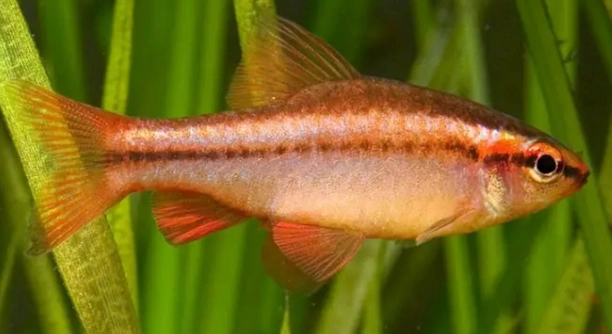
Cherry Barbs are a popular freshwater fish, often found in aquariums, but can they thrive in outdoor ponds? For pond enthusiasts, understanding how these fish react to outdoor environments is important for maintaining a balanced pond ecosystem.
Cherry Barbs can adapt to outdoor ponds, provided the environment is stable and well-maintained. They prefer calm waters with temperatures between 72-82°F (22-28°C). Ensuring good water quality and protection from extreme weather conditions is crucial for their health.
Maintaining a healthy pond requires more than just adding fish. Knowing how to create the right environment for Cherry Barbs will ensure they thrive, adding vibrant color and life to your outdoor space.
Conditions for Cherry Barbs in Outdoor Ponds
Cherry Barbs can be a great addition to outdoor ponds, but there are certain conditions they need to thrive. They are native to South Asia and prefer warm, tropical environments. Pond owners should aim for water temperatures that stay between 72-82°F (22-28°C). Anything much colder or hotter could stress the fish. The pond should also have plenty of plants and hiding spots, as Cherry Barbs are naturally shy and prefer some shelter. They are peaceful fish, making them ideal for community ponds, but they will still need space to swim and explore. The water should be kept clean and filtered to avoid harmful pollutants.
The pond should also have slow-moving waters. Cherry Barbs are not strong swimmers, so too much current can cause them stress. A good filtration system will help maintain the right water conditions, which is crucial for their health and well-being.
While Cherry Barbs can adapt well to outdoor environments, maintaining a stable and controlled habitat will prevent issues and ensure their long-term survival. Their vibrant colors will be an asset to your pond if properly cared for.
Feeding Cherry Barbs in Outdoor Ponds
Feeding Cherry Barbs in an outdoor pond requires a little attention. These fish are not very demanding, but it’s important to provide them with a balanced diet. They will eat flakes, pellets, and live food such as worms or small insects. Make sure to feed them in moderate amounts, as overfeeding can pollute the water. Feed once or twice a day, and remove any uneaten food to keep the water clean.
In outdoor ponds, you may notice that Cherry Barbs will also forage for natural food, such as algae or small invertebrates. However, it’s still essential to supplement their diet with fish food to ensure they get all the nutrients they need. During warmer months, they may need a bit more food as they are more active and require extra energy. On the other hand, in colder weather, their metabolism slows down, and they will need less food.
If you ensure that Cherry Barbs get a balanced, consistent diet, they will flourish in your outdoor pond. This attention to their feeding needs helps keep the water clean and the fish healthy for years to come.
Temperature Considerations for Outdoor Ponds
Cherry Barbs need stable temperatures to stay healthy. If the water becomes too cold, they may become sluggish or even fall ill. Similarly, if the water is too warm, the fish might experience stress, leading to health issues. Pond owners should monitor the temperature regularly, especially during seasonal changes.
If you live in a region with colder winters, it’s important to consider heating options for your pond. A small pond heater or a de-icer can help maintain the temperature within the ideal range during colder months. Keeping the pond in a sheltered area can also reduce temperature fluctuations, protecting the fish from sudden changes. When summer comes, providing shade for the pond helps keep the temperature in check. You can use floating plants or set up a canopy to reduce direct sunlight exposure.
Having a stable temperature will help your Cherry Barbs stay active and vibrant throughout the year. Their natural behavior and colorful appearance will shine through when their environment is consistently comfortable.
Pond Size and Space Requirements
The size of your pond plays a crucial role in how well Cherry Barbs thrive. While these fish don’t require an enormous amount of space, overcrowding can lead to stress and poor water quality. A pond that is at least 50 gallons is ideal for a small group of Cherry Barbs. Larger ponds provide more space for them to swim and explore, reducing competition for food and resources.
Cherry Barbs are peaceful, so they do well in community ponds with other non-aggressive species. However, overcrowding can make them more prone to disease and aggression from other fish. Ensuring plenty of open swimming space is important for their well-being. This space will also allow them to explore the plants and hiding spots around the pond, which is important for their comfort.
Maintaining a pond that is spacious and balanced can help keep your Cherry Barbs healthy, happy, and active, providing a colorful and peaceful environment for your outdoor space.
Water Quality and Filtration
Maintaining good water quality is key for Cherry Barbs. They thrive in clean, well-filtered water. Regular water changes, proper filtration, and monitoring of water parameters like pH, ammonia, and nitrate levels will help ensure a healthy environment. Clean water supports vibrant colors and active behavior in the fish.
Water quality directly affects Cherry Barbs’ health. A filtration system will help remove debris and waste, keeping the pond clear and free from harmful substances. Test the water regularly to ensure that it remains within the ideal range for these fish. In addition, remove any decaying plant matter, as it can negatively impact water quality.
By focusing on water quality, you can reduce the risk of diseases and improve the overall health of your pond, allowing your Cherry Barbs to flourish.
Pond Plants and Hiding Spots
Adding plants to your pond benefits both the water quality and the Cherry Barbs. Plants help oxygenate the water and provide much-needed hiding spaces for the fish. This is important since Cherry Barbs are naturally shy and enjoy having places to retreat when they feel threatened.
Plants like water lilies, java ferns, and floating plants offer shelter for Cherry Barbs. These plants also help keep the water clean by absorbing excess nutrients that could lead to algae growth. The presence of plants makes the pond environment more natural and reduces the stress on the fish.
Providing plenty of plants will keep your Cherry Barbs content and will help maintain a balanced, healthy pond ecosystem.
Cherry Barbs and Other Pond Fish
Cherry Barbs are peaceful and get along well with many other pond fish, making them an excellent choice for community ponds. Their calm nature allows them to coexist with species such as guppies, tetras, and goldfish without causing harm or stress.
While Cherry Barbs are generally non-aggressive, it’s important to avoid pairing them with overly territorial fish that might harass them. Ensure that the fish are similar in size, as Cherry Barbs may be outcompeted for food by larger species. Mixing a variety of peaceful fish with your Cherry Barbs creates a more dynamic and colorful pond.
FAQ
Are Cherry Barbs hardy enough to survive outdoor conditions?
Yes, Cherry Barbs are relatively hardy and can survive outdoors in ponds as long as the temperature is within their preferred range of 72-82°F (22-28°C). They can tolerate minor fluctuations, but extreme cold or heat can cause stress or harm. During the winter months, it’s essential to either move them to a warmer environment or use a pond heater to maintain stable temperatures.
Can Cherry Barbs live in a pond with other fish species?
Yes, Cherry Barbs are peaceful and get along well with most other non-aggressive fish. They’re great in community ponds with species like guppies, tetras, or goldfish. However, avoid housing them with larger or more aggressive fish that may bully them or outcompete them for food.
What kind of filtration do Cherry Barbs need?
Cherry Barbs require good water filtration to keep the pond environment healthy. A high-quality filter helps remove waste, excess food, and harmful chemicals from the water. Make sure the filter is strong enough to handle the size of your pond, but not too powerful, as Cherry Barbs prefer calm waters without strong currents.
What is the ideal pond size for Cherry Barbs?
A pond size of at least 50 gallons is ideal for a small group of Cherry Barbs. Larger ponds offer more space for swimming and exploring, which helps prevent stress and overcrowding. A well-maintained pond with plenty of space will improve the health and activity levels of the fish.
Do Cherry Barbs need live plants in their pond?
While not strictly necessary, live plants are highly beneficial for Cherry Barbs. They provide hiding spaces and help maintain water quality by absorbing excess nutrients. Plants like java ferns, water lilies, or duckweed also create a more natural environment for the fish, reducing their stress and improving their overall well-being.
What is the best way to feed Cherry Barbs in an outdoor pond?
Cherry Barbs can be fed a variety of foods, including flakes, pellets, and live foods like worms or small insects. They are not overly demanding when it comes to food, so feed them in moderate amounts once or twice a day. Be careful not to overfeed, as leftover food can pollute the water.
How often should I change the water in my pond?
Water changes are an important part of maintaining a healthy pond environment. For outdoor ponds, aim to change about 10-15% of the water every 1-2 weeks. More frequent changes may be necessary if the water becomes cloudy or if you notice a drop in water quality. Regular water testing can also help guide you on when to make changes.
What temperature is too cold for Cherry Barbs?
Cherry Barbs prefer warm water, so temperatures below 68°F (20°C) may stress them. If the water drops below 60°F (15°C), the fish may become sluggish, and prolonged exposure to low temperatures can be harmful. If you live in a cooler climate, it’s best to use a pond heater or move the fish indoors during colder months.
How do I know if my Cherry Barbs are healthy?
Healthy Cherry Barbs are active, with vibrant red and orange colors. They swim in schools and may interact with other fish. If you notice lethargy, faded colors, or erratic swimming behavior, this could be a sign of stress or illness. Keep an eye out for any signs of disease, such as spots or sores on their bodies, and address water quality issues promptly.
Can Cherry Barbs tolerate high levels of algae in the pond?
Cherry Barbs can tolerate small amounts of algae, but high levels can lead to poor water quality. Excessive algae growth depletes oxygen in the water, stressing the fish. Regular water changes, maintaining a proper balance of plants, and controlling nutrient levels can help manage algae growth and keep your Cherry Barbs healthy.
Do Cherry Barbs need special care during the winter?
During the winter, Cherry Barbs may require extra care, especially if the temperature drops significantly. If your pond freezes, it’s best to either bring the fish indoors or use a pond heater to prevent the water from freezing. Be sure to maintain good oxygen levels in the water by using a de-icer or aerator. If the fish remain outdoors, they will become less active, so reduce feeding during colder months.
Are Cherry Barbs easy to breed in an outdoor pond?
Cherry Barbs are relatively easy to breed in outdoor ponds if the conditions are right. They require clean, well-oxygenated water and a temperature between 75-80°F (24-27°C). They typically breed in the spring or summer when the temperature is warmer. To encourage breeding, provide plenty of plants and hiding spots for the fry. The males will display brighter colors to attract females during breeding.
What can I do to protect Cherry Barbs from predators?
Predators like birds, raccoons, and larger fish may pose a threat to your Cherry Barbs. To protect them, ensure that the pond has areas of dense plants or rocks where the fish can hide. A pond net can also help prevent birds from accessing the fish. For larger predators, consider setting up a protective barrier around the pond.
Can Cherry Barbs live in ponds with moving water?
Cherry Barbs prefer calm waters, so ponds with strong currents may cause them stress. While they can survive in ponds with moderate movement, it’s best to avoid high-flow areas. A good filtration system can help maintain water movement without creating a strong current. Position Cherry Barbs in quieter zones of the pond where they can swim comfortably.
How can I prevent diseases in my Cherry Barbs?
Maintaining clean water and a healthy pond ecosystem is the best way to prevent diseases in your Cherry Barbs. Regular water changes, proper filtration, and avoiding overfeeding are key to ensuring good water quality. Also, quarantine new fish before introducing them to your pond to avoid introducing diseases to existing fish.
Can Cherry Barbs live in brackish water?
Cherry Barbs are freshwater fish and should not be kept in brackish or saltwater conditions. They thrive in clean, soft water with a neutral to slightly acidic pH. If you keep them in a saltwater environment, they may suffer from health problems. Stick to freshwater for the best results.
Final Thoughts
Cherry Barbs are an excellent choice for outdoor ponds, offering vibrant color and peaceful behavior that enhances the beauty of your pond. They adapt well to calm, warm environments and get along with many other pond fish. With the right care and attention, Cherry Barbs can live happily and healthily in your pond, providing a lively and serene atmosphere. Proper pond size, water quality, temperature, and a good filtration system are key factors in creating the ideal environment for these fish.
It’s important to consider the specific needs of Cherry Barbs, such as their preference for clean, well-filtered water and stable temperatures. While they are fairly hardy, extreme cold or fluctuating temperatures can cause stress. By maintaining consistent water conditions, you can prevent these issues and keep your Cherry Barbs thriving. Regular monitoring of water quality, temperature, and feeding practices will help ensure they remain in good health. Adding plants for shelter and oxygenation not only improves their well-being but also enhances the overall appearance of your pond.
Cherry Barbs require a bit of effort to maintain their environment, but the reward is worth it. They are peaceful fish that can live harmoniously with other species, making them a great addition to any community pond. By following simple guidelines such as proper feeding, adequate space, and regular water changes, you’ll create an environment where your Cherry Barbs can flourish. With the right care, these vibrant fish will bring life and color to your outdoor pond for years to come.

Hello,
If you enjoy the content that we create, please consider saying a "Thank You!" by leaving a tip.
Every little bit helps us continue crafting quality advice that supports the health, happiness, and well-being of pets around the world, for pets of all shapes, sizes, and species.
We really appreciate the kindness and support that you show us!