
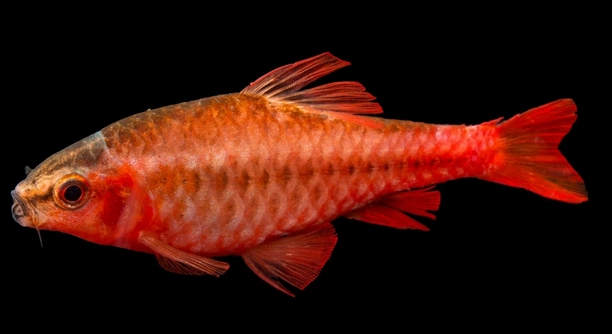
Cherry barbs are popular aquarium fish, but sometimes they can be picky eaters. If your cherry barbs are refusing food, it might be frustrating. Understanding the possible reasons behind this behavior can help you find a solution.
The refusal of food in cherry barbs can be due to several factors such as water quality issues, stress, or incorrect diet. Ensuring that the water conditions are optimal, reducing stress, and offering a variety of food can encourage eating.
By paying attention to these key areas, you’ll be able to pinpoint the issue and help your fish regain their appetite. These simple steps can make a big difference in their health and behavior.
Water Quality Issues
If your cherry barbs aren’t eating, one of the first things to check is the water quality. Poor water conditions can make fish feel stressed and uncomfortable, which can lead to them avoiding food. Cherry barbs are sensitive to changes in their environment, so it’s important to test for ammonia, nitrites, and nitrates regularly. The water temperature should also be stable, ideally between 74-80°F. If there are any fluctuations or spikes in these levels, it can disrupt your fish’s health and appetite. Make sure to perform regular water changes to maintain a clean, healthy tank.
If the water quality isn’t up to standard, your fish will likely be stressed and less likely to eat. Maintaining a stable and clean environment can significantly improve your cherry barbs’ appetite. Regular checks and tank maintenance are key to their well-being.
Using a water testing kit can help you keep track of the water conditions. If needed, make adjustments gradually to avoid stressing the fish further. Clean the tank and filter frequently to prevent harmful substances from building up.
Stress Factors
Stress is another major factor that could be making your cherry barbs refuse food. If they are feeling threatened or uneasy, they may stop eating. Stress can come from various sources, such as overcrowded tanks, aggressive tankmates, or sudden changes in their environment. It’s important to create a peaceful and stable setting for your fish. Cherry barbs are calm by nature, so they will thrive in a peaceful community tank with fish of similar temperament. Avoid keeping them with overly aggressive or large species that may intimidate them.
If you’re noticing other signs of stress, such as hiding or erratic swimming, consider making changes to the tank. Reducing the number of fish or adding more hiding spots can make a difference. You can also rearrange decorations to provide a sense of security. Ensuring the fish feel safe is key to encouraging them to eat. A peaceful tank environment makes your fish less anxious and more likely to feed.
Incorrect Diet
Cherry barbs can be picky eaters, and sometimes they just don’t find their food appealing. If you’ve been offering the same food repeatedly, they may lose interest. Try offering a variety of foods, such as flakes, pellets, and live or frozen foods like brine shrimp or daphnia. Some fish may prefer certain types of food over others, so it’s important to experiment. By introducing new options, you increase the chances of finding something your fish will eat.
If you’ve only been feeding one type of food, the cherry barbs might not be getting all the nutrients they need. Offering a mix of food types can keep them interested and ensure they get a balanced diet. Sometimes, fish can even refuse food simply because it’s not their preferred flavor or texture.
To make the food more appealing, you could try soaking it in garlic juice, which is known to stimulate appetite in fish. It’s a great way to make food more enticing without changing the quality or nutritional value.
Tank Temperature
The water temperature plays a crucial role in whether or not your cherry barbs will eat. These fish prefer stable water temperatures between 74°F and 80°F. If the water is too cold or too warm, it can cause them to become sluggish and lose interest in food. If you’ve recently changed the tank temperature, it may take a little time for the fish to adjust.
A sudden temperature change can be especially stressful for cherry barbs, and in such cases, they might refuse to eat until they feel comfortable again. Invest in a reliable aquarium heater and thermometer to monitor and maintain the water temperature.
By ensuring the water stays within the optimal range, you’re providing a comfortable environment for your fish, which helps them feel secure enough to eat. It’s essential to keep fluctuations minimal, as cherry barbs thrive in steady conditions.
Overfeeding
Overfeeding is a common issue that can lead to cherry barbs refusing food. If the fish have already eaten more than they need, they may not feel hungry for the next meal. This can happen if you’re feeding them too much or too often.
To avoid this, feed your fish only what they can consume in 2-3 minutes. If food is left uneaten, it can pollute the water, leading to poor water quality and potentially causing more stress for the fish. Adjust the feeding schedule to ensure you’re not overfeeding, which could also help encourage them to eat.
Health Issues
If cherry barbs are not eating despite good water conditions and diet, there might be an underlying health problem. Fish may refuse food if they are sick or injured. Symptoms such as lethargy, pale color, or abnormal swimming could indicate an illness.
If you suspect your cherry barb is unwell, it’s important to separate it from other fish to prevent the spread of disease. Consult an aquarium professional or veterinarian to diagnose the issue and provide appropriate treatment. Healthy fish are more likely to eat and maintain normal behavior.
FAQ
Why aren’t my cherry barbs eating?
There are several possible reasons why your cherry barbs might not be eating. The most common causes include poor water quality, stress, or an unappealing diet. Make sure the water conditions are optimal, with the right levels of ammonia, nitrites, and nitrates. Keep the water temperature stable between 74-80°F. If the water quality is off, it could stress the fish and make them refuse food. Also, check for overcrowding or aggressive tankmates, as these factors can make your fish feel unsafe, reducing their appetite.
How do I know if my cherry barbs are stressed?
Cherry barbs show signs of stress through behavior changes such as erratic swimming, hiding, or swimming at the surface of the water. They may also appear less vibrant in color or spend more time near the corners of the tank. Stress can be caused by aggressive tankmates, poor water quality, or sudden changes in their environment. Keeping the tank peaceful, ensuring proper water conditions, and providing hiding spots can reduce stress levels and encourage eating.
Can I feed cherry barbs frozen food?
Yes, cherry barbs can eat frozen food, and it can be a great way to entice them to eat if they’re being picky. Frozen foods like brine shrimp, daphnia, and bloodworms are excellent options for adding variety to their diet. Just make sure to thaw the food before feeding it to avoid shocking the fish with cold food. Offering a mix of flakes, pellets, and frozen or live food can help keep your cherry barbs interested in eating.
How often should I feed cherry barbs?
You should feed your cherry barbs once or twice a day. Only offer as much food as they can consume in 2-3 minutes to avoid overfeeding. If food is left uneaten, it can pollute the water, which can lead to health issues and further reduce the fish’s appetite. Keep feeding sessions consistent and make sure you’re not overfeeding, which could cause the fish to become full and not eat as often.
Can water temperature affect cherry barbs’ appetite?
Yes, water temperature can have a significant impact on cherry barbs’ appetite. They thrive in water temperatures between 74°F and 80°F. If the temperature is too high or too low, the fish may become sluggish and lose their interest in food. Ensure the tank heater is set to the proper temperature range and monitor it regularly to keep the fish comfortable. Sudden changes in temperature can also stress the fish, so any adjustments should be made gradually.
How can I tell if my cherry barbs are healthy?
Healthy cherry barbs are active, swim in groups, and have bright, vibrant colors. They should have clear eyes and be free of any signs of injury or disease, such as white spots or lesions. Healthy cherry barbs also have a good appetite and will readily eat when food is offered. If you notice any unusual behavior, such as lethargy, discoloration, or abnormal swimming patterns, it could indicate a health issue that needs attention.
Should I remove sick cherry barbs from the tank?
Yes, if you notice that one of your cherry barbs is sick, it’s best to remove it from the main tank to prevent the spread of illness to other fish. Isolate the sick fish in a separate quarantine tank where you can treat it without putting the rest of the aquarium at risk. If you’re unsure how to treat the illness, consulting an aquarium professional or a veterinarian can help you provide the best care for your fish.
Can I use garlic to make my cherry barbs eat?
Garlic is often used to entice fish to eat, and it works well for cherry barbs as well. Garlic has natural compounds that stimulate the appetite of many fish species. You can soak their food in garlic juice or minced garlic to make it more appealing. Just be careful not to use too much, as garlic can alter the taste of the food. This trick can help get your cherry barbs back on track with eating.
What should I do if my cherry barbs still won’t eat?
If your cherry barbs continue to refuse food despite improving water quality and offering a variety of food, there may be an underlying health issue. Check for symptoms like lethargy, white spots, or unusual swimming behavior, which could indicate illness. You might need to isolate the fish and seek advice from an aquarium professional. Additionally, check if there are any stressors in the environment, such as aggressive tankmates or environmental factors that are difficult to detect.
Can cherry barbs go without food for a while?
Cherry barbs, like most fish, can go without food for a few days without serious harm. However, prolonged periods without food can lead to malnutrition and weakened immune systems. If your cherry barbs are refusing food for an extended period, it’s important to investigate the cause. A few days of not eating might not be dangerous, but consistent refusal could indicate water quality problems, stress, or health issues that need addressing.
Final Thoughts
If your cherry barbs are refusing food, it’s important to take a closer look at their environment and health. The most common reasons for a lack of appetite are poor water quality, stress, or an unappealing diet. By addressing these factors, you can help your fish feel more comfortable and encourage them to start eating again. Regularly test the water for ammonia, nitrites, and nitrates, and ensure the temperature stays within the ideal range of 74°F to 80°F. Maintaining a clean, stable tank is key to keeping your cherry barbs healthy and happy.
Additionally, stress plays a major role in whether or not your fish will eat. Cherry barbs are peaceful fish that thrive in a calm environment. If they’re placed in a tank with aggressive or overly active tankmates, they may feel threatened and avoid food. Providing plenty of hiding spots and ensuring your tank is not overcrowded can help reduce stress. Creating a stress-free environment is just as important as ensuring good water quality. If the fish feel safe, they are more likely to eat.
Finally, consider the food you are offering. Cherry barbs can be picky, and they may refuse food if it’s not something they enjoy or if they’ve had too much of the same type. Offering a variety of foods, including flakes, pellets, and frozen or live foods, can keep them interested. Make sure you’re not overfeeding them, as too much food can lead to water quality issues and decreased appetite. Monitoring their behavior and making small adjustments can go a long way in getting your cherry barbs to eat again.

Hello,
If you enjoy the content that we create, please consider saying a "Thank You!" by leaving a tip.
Every little bit helps us continue crafting quality advice that supports the health, happiness, and well-being of pets around the world, for pets of all shapes, sizes, and species.
We really appreciate the kindness and support that you show us!