
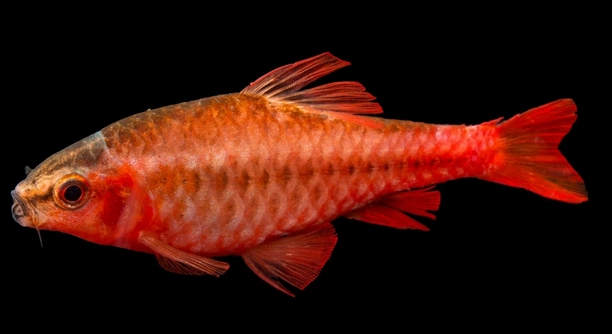
Cherry barbs are popular freshwater fish, often kept in home aquariums for their vibrant colors and active nature. However, you might notice them rubbing against the decor in your tank. This behavior can be puzzling for new fish owners.
The behavior of cherry barbs rubbing against tank decorations is typically due to irritation caused by external parasites or skin problems. It could also be a sign of stress, water quality issues, or even a reaction to overcrowding in the tank.
Understanding the reasons behind this behavior is crucial for maintaining the health of your fish. Identifying the cause early on can help prevent further problems and improve the environment for your cherry barbs.
Causes of Cherry Barbs Rubbing Against Decor
There are several reasons cherry barbs might rub against decor. One of the most common causes is external parasites, such as ich, which irritate the skin. These parasites attach themselves to the fish’s body, causing discomfort. As a result, the fish may try to alleviate this feeling by rubbing against rocks, plants, or other items in the tank. Poor water quality can also lead to skin irritation, which might make the fish more prone to rubbing. In these situations, cherry barbs might act out of stress or discomfort as they try to find relief.
It’s essential to check the water quality regularly. Imbalances in ammonia, nitrites, or nitrates can be harmful to fish and trigger such behaviors. Low oxygen levels or an improper pH can also make fish stressed, causing them to rub against surfaces.
Stress from overcrowding is another factor that can lead to rubbing. When too many fish share the same tank, it can cause a lot of tension. Cherry barbs may rub on the decor simply as a reaction to the constant pressure from the other fish. This can be worsened by a lack of hiding spots and swimming space.
How to Treat Rubbing in Cherry Barbs
The first step is ensuring your tank water is in optimal condition. Check for any issues with ammonia, nitrites, and nitrates and perform regular water changes to keep things in check.
If you suspect external parasites, treatment with medications specifically designed to combat them is necessary. Medications for ich or similar conditions are widely available at pet stores. It’s important to follow the instructions carefully and treat the entire tank to ensure all fish are healed. In some cases, isolating the affected fish in a quarantine tank may be helpful, but always monitor the overall health of the others.
Aside from parasites, be sure to check the tank’s temperature and pH levels. Cherry barbs thrive in temperatures between 72-80°F and a pH of 6.5-7.5. Keeping the water within this range can help reduce stress and prevent rubbing.
Overcrowding and Stress
Overcrowding can be a significant factor in your cherry barbs’ behavior. When too many fish occupy the same space, it can lead to high stress levels, making them more likely to rub against decor. This is especially true if the tank doesn’t offer enough hiding spots or swimming space.
Cherry barbs, like many fish, need space to swim freely and feel secure. When confined in a crowded tank, they can become anxious, leading to behaviors like rubbing against objects. In these situations, fish often scratch themselves on tank decor, rocks, or plants to relieve the stress they are experiencing. This stress can also weaken their immune system, making them more susceptible to disease.
If you notice rubbing is happening in a crowded tank, consider reducing the number of fish. Adding plants or decorations that create hiding spots can help your cherry barbs feel more comfortable. A well-balanced tank not only makes for a healthier environment but can also reduce anxiety among the fish.
How to Improve Water Quality
Maintaining clean, healthy water is essential for the well-being of your cherry barbs. Poor water quality can lead to skin irritations, parasites, or other health problems, which may cause them to rub against the decor.
To improve water quality, start by performing regular water changes, ideally 25% of the tank’s water every two weeks. Use a good filtration system to help remove waste and maintain the balance of beneficial bacteria. It’s also important to monitor the levels of ammonia, nitrites, and nitrates regularly, as high levels of these can harm the fish. Consider adding a test kit to your routine, so you can catch any potential issues early.
In addition to water changes, adding live plants can help improve the water’s quality by absorbing excess nutrients. This creates a more stable and healthy environment for your cherry barbs. Regular cleaning of the tank and checking water parameters will go a long way in reducing rubbing caused by poor water quality.
External Parasites and Skin Irritation
External parasites like ich or velvet are common causes of rubbing behavior in cherry barbs. These parasites attach to the fish’s skin, causing itching and discomfort. Fish may try to rub against decor in an attempt to relieve the irritation caused by these parasites.
If you notice your cherry barbs rubbing against tank surfaces, it’s important to inspect their skin for any signs of external parasites. Look for white spots (ich) or a velvety film (velvet). These parasites can cause severe health problems, so it’s essential to act quickly. Medications designed to treat these conditions are available and can help clear up the issue.
The Importance of Hiding Spaces
Cherry barbs are more likely to feel stressed without places to hide in the tank. Lack of hiding spots can trigger anxiety and lead to rubbing. Adding plants or caves provides the fish with a sense of security. This can help reduce stress and minimize rubbing behavior.
A well-decorated tank, with plants and decorations that allow for hiding, gives cherry barbs a retreat when they feel threatened or uncomfortable. They can swim freely and hide when needed, which can lower the chances of rubbing against the decor. Ensuring a balance between open space and hiding spots is key.
Temperature and pH Imbalance
Temperature and pH imbalances can also cause cherry barbs to rub against objects. Extreme fluctuations or poor water conditions can irritate their skin, making them more likely to engage in rubbing behavior. Proper water parameters help maintain the fish’s health and comfort.
FAQ
Why are my cherry barbs rubbing against the tank decor?
Cherry barbs may rub against tank decor due to several reasons. The most common cause is external parasites like ich, which irritate their skin. They may also rub against surfaces to relieve stress from poor water quality, overcrowding, or temperature imbalances. If the water quality is not optimal, it can lead to skin irritation, causing them to scratch against rocks, plants, or decorations in the tank.
How do I know if my cherry barbs have external parasites?
If your cherry barbs are rubbing against tank surfaces, check for any visible signs of external parasites. For example, ich will show up as small, white spots on their body or fins. Velvet parasites may cause a dull or velvety film on the fish’s skin. If you notice these symptoms, it’s best to start treatment with appropriate medications immediately to prevent the parasites from spreading.
What should I do if I suspect my cherry barbs have parasites?
If you suspect your cherry barbs have parasites, remove them from the main tank and place them in a quarantine tank if possible. Treat the water with parasite medications according to the instructions provided. It’s important to treat the entire tank as well to ensure no other fish are affected. Regular water changes and maintaining good water quality are essential during the treatment process.
How can I prevent parasites in my cherry barbs?
The best way to prevent parasites in your cherry barbs is to maintain clean water and avoid introducing new fish without quarantining them first. Parasites can often be introduced through infected fish, plants, or decorations. Quarantining new fish for 2-3 weeks before adding them to your main tank can help prevent the spread of parasites.
How can overcrowding cause cherry barbs to rub against decor?
Overcrowding creates stress for cherry barbs because they don’t have enough space to swim or hide when they feel threatened. This can lead to anxiety, which may cause them to rub against objects in the tank. Reducing the number of fish or increasing the size of the tank can help alleviate this problem.
What size tank is best for cherry barbs?
Cherry barbs are small, active fish that do best in a tank of at least 20 gallons. This gives them ample space to swim and interact with their environment. A larger tank with more hiding spots and plants will help reduce stress and prevent rubbing behavior. A 20-gallon tank is ideal for a small group of cherry barbs, with a few other peaceful species.
Can poor water quality cause cherry barbs to rub against the decor?
Yes, poor water quality can lead to skin irritation and stress in cherry barbs, which can cause rubbing. High ammonia, nitrite, or nitrate levels can irritate the fish’s skin and gills, leading to discomfort. Regular water testing and frequent water changes are key to maintaining good water quality in the tank. Ensure that your filtration system is functioning properly to remove excess waste and toxins.
What is the ideal water temperature for cherry barbs?
Cherry barbs thrive in water temperatures between 72°F and 80°F. If the water temperature fluctuates too much, it can cause stress, making them more likely to rub against objects. A stable water temperature is essential for their health and well-being. Using a reliable aquarium heater can help maintain a consistent temperature in the tank.
How can I improve the water quality for my cherry barbs?
Improving water quality starts with regular water changes. Aim to change 25% of the water every two weeks. Use a good filtration system to help keep the water clean and remove waste products. You should also test the water for ammonia, nitrites, and nitrates regularly to ensure the levels are safe for your fish. Adding live plants can help absorb excess nutrients and improve water quality as well.
Do cherry barbs need hiding spots in their tank?
Yes, cherry barbs feel safer when they have places to hide. Providing hiding spots with plants, rocks, or small caves gives them a sense of security, which can help reduce stress and prevent rubbing behavior. Hiding spots also give them a retreat from other fish, allowing them to swim freely without feeling constantly threatened.
Final Thoughts
Cherry barbs are generally peaceful and hardy fish, making them a popular choice for home aquariums. However, like all fish, they can experience issues that affect their behavior. If you notice your cherry barbs rubbing against the decor, it’s important to take action to identify the cause. The most common reasons for this behavior include external parasites, poor water quality, and stress from overcrowding or inadequate hiding spots. In most cases, with the right attention and care, these problems can be resolved.
To prevent rubbing, always ensure that the water quality in your tank is optimal. Regularly test for ammonia, nitrites, and nitrates, and perform routine water changes. A good filtration system is key to maintaining a healthy environment for your cherry barbs. Additionally, make sure the tank is large enough and that the fish have adequate space to swim and hide. This will help reduce stress and minimize the likelihood of rubbing behavior. Maintaining stable water temperature and proper pH levels is also essential for the fish’s comfort.
Lastly, if external parasites are the cause of the rubbing, prompt treatment is necessary. Medications can effectively treat parasites like ich or velvet, but it’s important to follow the instructions carefully. Quarantining affected fish and treating the entire tank can help prevent the spread of the infection. By addressing the root cause of the rubbing behavior, you’ll not only help your cherry barbs feel better but also create a healthier environment for them in the long run. With these steps, you can ensure that your cherry barbs remain active, happy, and free from discomfort.

Hello,
If you enjoy the content that we create, please consider saying a "Thank You!" by leaving a tip.
Every little bit helps us continue crafting quality advice that supports the health, happiness, and well-being of pets around the world, for pets of all shapes, sizes, and species.
We really appreciate the kindness and support that you show us!