
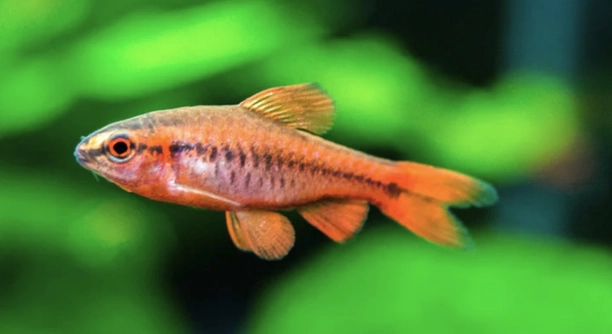
Cherry Barbs are popular freshwater fish known for their peaceful nature and vibrant colors. However, there are certain tank conditions they don’t tolerate, which can affect their health and well-being. Understanding these factors can help you create a more suitable environment for your fish.
Cherry Barbs are sensitive to poor water quality, drastic temperature changes, high light intensity, and aggressive tankmates. These factors can cause stress and lead to illness, making it crucial to maintain stable water parameters and a harmonious tank environment.
By keeping these conditions in check, you can help your Cherry Barbs thrive. Learning how to manage these factors will ensure a happier and healthier fish. Let’s explore the specific tank conditions you should avoid.
Poor Water Quality
Cherry Barbs thrive in clean water, and water quality plays a huge role in their health. Ammonia, nitrites, and high nitrate levels are harmful and can cause stress. Regular water changes, using a reliable filtration system, and testing water parameters regularly will help prevent issues. A well-maintained aquarium ensures Cherry Barbs stay healthy and active.
When the water becomes dirty, it can lead to skin irritation, fin rot, and other diseases. These problems are often hard to detect early, but consistent care helps prevent them.
To maintain good water quality, always test for ammonia, nitrite, and nitrate levels. Also, ensure the pH and hardness are within a safe range for Cherry Barbs. Regular water changes (about 20-25% weekly) will prevent waste buildup. Along with these, use a quality filter and avoid overfeeding, as leftover food can contribute to poor water conditions.
Temperature Fluctuations
Cherry Barbs are sensitive to temperature changes. They do best in a stable range of 73°F to 81°F (23°C to 27°C).
Fluctuating temperatures cause stress and weaken their immune system, making them more susceptible to diseases. Sudden changes can even lead to death if the water temperature drops or rises too quickly.
A reliable heater with a thermometer is crucial for keeping the temperature consistent. Always check the temperature regularly to make sure it stays within the recommended range. If you’re adding warm water to top off the tank, ensure it’s at the same temperature as the aquarium to avoid sudden shifts. Avoid placing the tank near heat sources or windows that can cause temperature swings. By providing a steady, comfortable temperature, you will help your Cherry Barbs stay healthy and active.
Strong Lighting
While Cherry Barbs appreciate some light, they don’t tolerate harsh or bright lighting. Intense lighting can cause stress, making them hide or become more anxious. It’s important to avoid keeping your tank under direct sunlight, as it also leads to algae growth, which can further degrade water quality.
Low to moderate light works best for Cherry Barbs. You can use aquarium lights with a timer to simulate day and night cycles, giving your fish a sense of routine. Too much light can also trigger unwanted algae growth, which will require extra maintenance.
Keep lighting consistent, aiming for around 8-12 hours of light per day. Avoid leaving the lights on too long, as this can disrupt the fish’s natural rhythms. If you need to reduce light intensity, consider using plants or tank decorations to provide some shaded areas where your fish can retreat from the brightness.
Aggressive Tankmates
Cherry Barbs are peaceful and do best in a community tank with other non-aggressive fish. They may become stressed or injured when housed with more territorial or aggressive species.
The presence of aggressive tankmates can make them feel threatened, which lowers their immune system and can lead to disease.
If you want to keep Cherry Barbs with other species, choose fish that are peaceful and similar in size. Avoid fin-nippers or overly territorial fish, such as larger cichlids or barbs. Good tankmates include small tetras, guppies, and other non-aggressive species.
When adding new fish, make sure the tank has plenty of hiding spots and plants to create a sense of security. By creating a calm and peaceful tank environment, your Cherry Barbs will feel safe and thrive.
Overcrowding
Overcrowding can seriously stress Cherry Barbs. Too many fish in a small space will not only affect water quality but also lead to aggression among tankmates.
The fish will struggle for space, and waste levels will rise quickly, affecting water conditions. It’s essential to keep a balanced number of fish in relation to your tank size. As a general rule, provide 1 inch of fish per gallon of water to ensure adequate space for each fish.
In addition to water quality issues, overcrowding can cause Cherry Barbs to feel trapped. The lack of space leads to stressed and weakened fish. They may start to exhibit signs of illness, lethargy, and aggression toward each other. By maintaining proper stocking levels, you help ensure that your Cherry Barbs remain healthy and comfortable.
Inconsistent Feeding
Feeding Cherry Barbs too much or too little can lead to serious health problems. Overfeeding results in uneaten food, which degrades water quality. Underfeeding can cause malnutrition and weakness.
To avoid these problems, feed your fish a balanced diet of high-quality flakes or pellets once or twice a day. Only offer enough food that can be consumed in about 2-3 minutes. This prevents uneaten food from breaking down in the tank.
You should also avoid feeding Cherry Barbs fatty or high-protein foods too often. These can cause digestive issues and affect water quality. Supplement their diet with occasional live or frozen foods, but remember that variety and moderation are key. A proper feeding routine helps keep your Cherry Barbs healthy, preventing overfeeding and underfeeding-related issues.
Sharp Substrate
Sharp or rough substrates can injure Cherry Barbs. These fish like to explore the bottom of the tank, and sharp edges can tear their fins or cause other wounds.
Choosing smooth gravel or sand is essential for their safety. This type of substrate helps prevent physical damage, ensuring your fish remain healthy.
Sharp rocks or decorations should be avoided, as they pose a constant risk. If you already have a rough substrate, you can cover it with a layer of sand or switch it out entirely. Providing a soft, smooth environment allows Cherry Barbs to move freely without injury.
Improper Tank Setup
A poorly designed tank can increase stress for Cherry Barbs. Overcrowded decorations, inadequate hiding spots, or hard-to-reach areas make the tank feel cramped.
Ensure your tank has plenty of plants, caves, or other features where your fish can find shelter. This helps reduce stress and gives them a sense of security. Additionally, avoid placing items in a way that blocks swimming space.
A well-organized tank allows Cherry Barbs to thrive. By adding more plants or rearranging decorations, you can provide a comfortable environment that supports their natural behaviors and promotes good health.
Excessive Chemical Additives
Excessive use of chemical additives, such as water conditioners, medications, or cleaning products, can harm Cherry Barbs. These fish are sensitive to chemicals that alter water quality.
Always follow instructions on any additives and avoid using them unless necessary. Overuse can disrupt the natural balance of the tank, affecting both water quality and the health of your fish.
Use natural solutions whenever possible and regularly test the water to ensure it remains stable. Reducing chemical additives helps maintain a more stable environment, minimizing the risk of stress and illness in your Cherry Barbs.
FAQ
How often should I clean my Cherry Barb tank?
Cherry Barb tanks should be cleaned regularly to maintain healthy water conditions. Perform partial water changes every week, changing about 20-25% of the water. Along with water changes, clean the filter regularly, at least once a month, to remove debris and maintain proper water flow. Avoid over-cleaning, as this can disturb the beneficial bacteria in the tank.
Additionally, remove any uneaten food and waste from the substrate daily to prevent it from affecting water quality. Keeping the tank clean will help reduce the risk of disease and stress for your Cherry Barbs.
What is the ideal tank size for Cherry Barbs?
For a small group of Cherry Barbs, a 20-gallon tank is the minimum recommended size. This gives them enough space to swim and establish territories without feeling overcrowded. The more fish you have, the larger the tank should be.
For example, a 30-gallon tank would be ideal for a larger group. Overcrowding can lead to poor water quality and stress, which could negatively impact their health. Providing enough space ensures a happier, healthier environment for your fish.
What temperature should I maintain in the tank?
Cherry Barbs prefer a water temperature range of 73°F to 81°F (23°C to 27°C). Maintaining a consistent temperature is important to avoid stressing them. Temperature fluctuations can weaken their immune system, making them more susceptible to illness.
Use a reliable aquarium heater and thermometer to monitor and maintain a stable temperature. Keep the tank in a room where temperature changes are minimal, and avoid placing it near windows or vents that may cause temperature swings.
Can Cherry Barbs live with other fish?
Yes, Cherry Barbs are peaceful and can live with a variety of other non-aggressive fish. They do well with small tetras, guppies, or other peaceful species that share similar water requirements.
Avoid keeping them with larger or aggressive fish that might nip at their fins or stress them out. They also don’t do well with fin-nipping species like larger barbs. Creating a peaceful community tank helps Cherry Barbs feel safe and thrive.
What do Cherry Barbs eat?
Cherry Barbs are omnivores, meaning they eat both plant and animal-based foods. You can feed them high-quality flakes or pellets formulated for freshwater fish, along with occasional live or frozen foods like brine shrimp or bloodworms.
It’s important to provide variety in their diet to keep them healthy. Offering occasional vegetable matter, like blanched spinach or zucchini, can also be beneficial. Avoid overfeeding, as excess food can lead to poor water quality and obesity in your fish.
How can I tell if my Cherry Barb is sick?
Sick Cherry Barbs may show several signs of illness, such as changes in behavior, loss of appetite, faded colors, or abnormal swimming. If you notice any of these symptoms, test the water to ensure it’s not the cause of the problem.
Check for external signs like white spots, frayed fins, or unusual growths, which can indicate disease. Quarantining sick fish and consulting with an aquarium expert or vet can help prevent the spread of illness and ensure proper treatment.
Why are my Cherry Barbs hiding?
Hiding can be a sign that your Cherry Barbs are stressed. Stress may be caused by poor water quality, inappropriate tank mates, or environmental factors like excessive light or overcrowding.
Ensure your tank has plenty of hiding spots with plants, rocks, or decorations to give them a sense of security. Reducing stressors, such as aggressive fish or sudden temperature changes, will encourage your Cherry Barbs to feel more comfortable and stop hiding as much.
How many Cherry Barbs should I keep together?
Cherry Barbs are social fish and should be kept in groups of at least 5-6. Keeping them in groups helps them feel secure and less stressed. A small school allows them to engage in natural behaviors like socializing and swimming together, which is essential for their well-being.
Avoid keeping only one or two Cherry Barbs, as they may become lonely and stressed. A group of fish creates a more harmonious tank environment and promotes better health.
Can Cherry Barbs breed in a home aquarium?
Yes, Cherry Barbs can breed in a well-maintained home aquarium. To encourage breeding, ensure the water temperature is between 75°F to 80°F (24°C to 27°C), and keep the water quality high. You can provide fine-leaved plants or spawning mops where the female can lay eggs.
Once the eggs are laid, they will hatch in about 24-36 hours. Remove the adults to avoid them eating the eggs or fry. The fry will need small foods like infusoria or baby brine shrimp until they’re large enough for regular food.
What are the common health issues Cherry Barbs face?
Common health issues for Cherry Barbs include fungal infections, ich (white spot disease), and fin rot. Poor water quality, stress, or inadequate diet can lead to these problems.
To prevent health issues, maintain a clean tank, avoid overfeeding, and ensure proper water parameters. If a disease does occur, isolate the affected fish and treat them promptly with appropriate medications or remedies. Early detection and proper care will prevent the spread of illness to other fish in the tank.
Final Thoughts
Cherry Barbs are relatively easy to care for and make a great addition to most community tanks. They’re peaceful and adaptable, thriving in stable environments with proper care. By maintaining good water quality, avoiding overcrowding, and ensuring the right tank conditions, you can keep your Cherry Barbs healthy and vibrant. Regular water changes, temperature control, and proper tank mates will all contribute to the well-being of your fish.
Like all aquarium fish, Cherry Barbs are sensitive to their environment. The factors discussed, such as water quality, temperature fluctuations, and aggressive tankmates, can cause them stress and lead to health problems. By being mindful of these conditions, you can prevent many common issues. Paying attention to their needs and being proactive with maintenance will ensure your Cherry Barbs live long, happy lives.
Taking care of Cherry Barbs is rewarding, especially as they display their beautiful colors and peaceful nature in a well-maintained tank. They’re a great choice for both beginner and experienced aquarium owners. With the right knowledge, you can create a thriving environment for your fish. Keeping their tank stress-free and maintaining consistent conditions will allow them to thrive and continue to brighten your aquarium for years to come.

Hello,
If you enjoy the content that we create, please consider saying a "Thank You!" by leaving a tip.
Every little bit helps us continue crafting quality advice that supports the health, happiness, and well-being of pets around the world, for pets of all shapes, sizes, and species.
We really appreciate the kindness and support that you show us!