
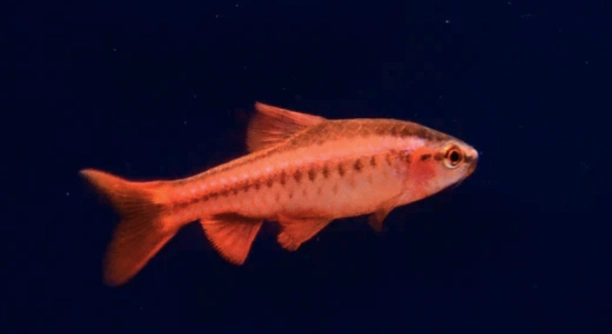
Cherry barbs are popular aquarium fish, known for their vibrant colors and active nature. However, keeping them in water that is too cold can negatively impact their health. Recognizing the signs of cold stress is important for their well-being.
When cherry barbs are exposed to water that is too cold, their behavior and appearance change. Symptoms include lethargy, loss of color, reduced appetite, and abnormal swimming patterns. Addressing these signs early helps prevent serious health issues.
Maintaining the right water temperature will improve your cherry barb’s health. Recognizing these signs early on will help you create a better environment for them.
Signs of Cold Stress in Cherry Barbs
When cherry barbs are exposed to cold water, their immune system weakens, making them more susceptible to illness. They may appear less active and may swim in irregular patterns. You may also notice them staying near the surface of the tank, trying to find warmth. This behavior can lead to a loss of appetite. In more extreme cases, cherry barbs can develop skin discoloration and begin to show signs of distress. The cold stresses their bodies, making it harder for them to function properly. As the fish attempt to adapt to the low temperature, their overall health declines.
When cherry barbs experience cold stress, they become vulnerable to infections and diseases. This is why keeping water temperature in check is essential for their health. Low temperatures not only affect their activity but also make it harder for them to recover from minor injuries or infections.
If you spot these changes in behavior or physical appearance, consider adjusting the water temperature immediately. Cherry barbs thrive in a warmer environment, typically between 72°F and 79°F. If the water temperature continues to stay low, they will experience a significant decline in health. Inadequate temperatures will affect the fish’s metabolic functions, ultimately leading to a weakened immune system. Ensuring the right temperature range promotes a healthier and more active cherry barb, encouraging them to eat and swim normally. Proper water conditions are key to maintaining their vibrant color and lively behavior.
Maintaining the Right Temperature
Consistency in water temperature is crucial for cherry barbs. Keeping a stable range helps them remain healthy and active. Cold stress is often a result of sudden temperature fluctuations.
By using a reliable aquarium heater, you can ensure that the water remains at a constant temperature. It’s also important to monitor the tank’s temperature regularly, as some heaters may malfunction or fluctuate unexpectedly. When maintaining a stable environment, remember that rapid changes in temperature can be just as harmful as consistently low temperatures. A slow adjustment is always better than a quick change. Temperature monitoring is vital for preventing cold stress and ensuring your cherry barbs remain in top condition. Keep the heater positioned correctly and check it often to avoid temperature spikes.
Reduced Activity and Lethargy
Cold water can cause cherry barbs to become sluggish. They may spend most of their time resting at the bottom of the tank. This decrease in activity is a sign that the water temperature is not optimal for them. Healthy cherry barbs are usually quite active and swim around the tank.
If the water is too cold, cherry barbs’ metabolism slows down, making them less active. They will move slower and might not interact with other fish as they normally do. A decrease in swimming can indicate stress from cold temperatures. Cherry barbs that are not moving much may also avoid food. This lack of activity is a sign that immediate action is needed to adjust the water temperature.
Fish that are constantly lethargic or avoiding movement are at risk of developing other health issues. A lack of physical activity can lead to muscle weakness, stress, and a higher risk of disease. Keeping the water temperature in an ideal range helps cherry barbs maintain their energy and strength, reducing the chances of illness. Ensuring that they have a warm environment encourages them to be more active and engaged.
Loss of Appetite
Cherry barbs may lose their appetite when the water is too cold. When their body temperature drops, their metabolism slows down, making them less inclined to eat. This reduction in appetite can quickly lead to malnutrition if the problem persists.
Cold stress affects the fish’s digestive system, making it harder for them to process food properly. They may ignore the food you provide, or eat very little. If this continues for too long, it can result in weight loss, which weakens the fish further. To ensure they are eating properly, you’ll need to regulate the water temperature and create a more comfortable environment.
A lack of food intake also affects their overall health. Cherry barbs that are not eating may become more vulnerable to diseases because their immune system will weaken. In addition to providing warmer water, consider offering high-quality food to encourage their appetite. If your cherry barb is not eating, it’s a clear sign that something is wrong with their environment and it needs to be corrected immediately.
Discoloration of the Skin
Cherry barbs lose their vibrant color when exposed to cold temperatures. Instead of their usual bright red or orange, they may appear dull or pale. This change in color is often a result of stress due to the temperature drop. The lack of color is a visible sign that the fish is uncomfortable.
When the water is too cold, it hampers the fish’s ability to maintain proper coloration. Healthy cherry barbs exhibit bright, consistent colors, which reflect their good health. A drop in color could indicate more than just a minor temperature issue. The longer the cold stress persists, the more severe the discoloration can become. Keeping the water temperature within the right range helps maintain their healthy appearance.
Irregular Swimming Patterns
Cold stress causes cherry barbs to swim abnormally. They may struggle to maintain their normal swimming patterns, often appearing disoriented or sluggish. This is a sign their body is not functioning optimally due to the low temperature.
The fish may drift aimlessly or swim at the surface, searching for warmth. These irregular swimming patterns are a clear indication that the cherry barb is experiencing discomfort from the cold. Adjusting the temperature will likely help them regain normal movement. Ensuring a stable environment prevents further disorientation and allows the fish to return to their usual behavior.
Slow or Shallow Breathing
Cherry barbs exposed to cold temperatures may show signs of labored or shallow breathing. This happens because the fish’s metabolism slows down, reducing their oxygen consumption. The stress of cold water causes them to breathe less efficiently.
As the water temperature drops, cherry barbs may swim near the surface, gasping for air. This behavior is a sign that they are struggling to get enough oxygen. If the water is not adjusted, the lack of proper oxygen intake can cause further health problems. A proper heater and temperature maintenance are necessary to prevent this issue and keep the fish healthy.
FAQ
What temperature range is ideal for cherry barbs?
Cherry barbs thrive in water that is consistently between 72°F and 79°F (22°C to 26°C). Keeping the water within this range helps maintain their activity levels, coloration, and overall health. If the water is too cold, the fish can experience stress and may become lethargic. A stable temperature is essential for their well-being, and sudden changes should be avoided to prevent shock.
How can I tell if my cherry barb is too cold?
You can identify cold stress in cherry barbs by observing their behavior. They may become lethargic, swim erratically, or stay near the surface. Their vibrant color will fade, and they may stop eating altogether. If you notice these signs, it’s a clear indication that the water temperature needs adjusting. Cold stress can weaken the fish’s immune system, so it’s important to act quickly to avoid further issues.
Can cherry barbs survive in cooler water?
While cherry barbs can tolerate short periods of cooler water, they do not do well in temperatures below 70°F (21°C) for extended periods. Prolonged exposure to lower temperatures can cause stress, reduce their activity levels, and even make them more susceptible to illness. It is best to maintain a consistent, warm environment to keep them healthy.
How do I warm up the water in my aquarium?
To warm up your aquarium water, you can use an aquarium heater. Choose one that is appropriate for the size of your tank. Most heaters come with a thermostat to help maintain a steady temperature. Be sure to place the heater in a location that allows for even distribution of heat. Regularly monitor the water temperature with a thermometer to ensure it stays within the ideal range for your cherry barbs.
What should I do if my cherry barb stops eating?
If your cherry barb refuses to eat, it could be a sign of cold stress or other environmental issues. First, check the water temperature and adjust it if necessary. Also, make sure the water quality is good, with clean, filtered water and proper pH levels. If the problem persists, consider changing the water and offering different types of food. Stress, poor water quality, and inappropriate temperature can all affect a cherry barb’s appetite.
Can cherry barbs live with other fish in the same tank?
Yes, cherry barbs are peaceful fish and can live well with other species. They do best in a community tank with other small, non-aggressive fish. Be mindful of tank mates that may harass them or outcompete them for food. Keeping the tank balanced and providing enough space will help reduce stress and promote a healthy environment for all the fish.
How do I prevent cold stress in my cherry barbs?
To prevent cold stress, ensure that the water temperature stays within the ideal range of 72°F to 79°F. Invest in a reliable aquarium heater and monitor the temperature regularly with a thermometer. Avoid sudden temperature changes, which can cause shock. Keeping the aquarium in a room with stable temperature conditions also helps.
How often should I check the temperature of my aquarium?
It’s a good idea to check the temperature of your aquarium at least once a day, especially if you’re using a heater. Thermometers that are placed inside the tank can give you an accurate reading. Monitoring the temperature regularly ensures that the environment stays consistent, which is crucial for the health of your cherry barbs.
What happens if the water temperature fluctuates too much?
Fluctuations in water temperature can cause significant stress to your cherry barbs. Rapid changes can lead to temperature shock, which may weaken their immune system, reduce their activity levels, and cause long-term health issues. It’s important to maintain a steady temperature to avoid these risks. Sudden drops or increases can also make them more susceptible to infections.
Can I use a regular aquarium thermometer for my cherry barb tank?
Yes, a regular aquarium thermometer will work for monitoring the temperature in a tank with cherry barbs. Digital thermometers can provide more precise readings, but a simple glass thermometer placed inside the tank will suffice as long as you check it regularly. Make sure to position the thermometer in an area where it can give an accurate reading of the tank’s overall temperature.
How long can cherry barbs survive in cold water?
Cherry barbs can survive in colder water for a short time, but prolonged exposure to temperatures below 70°F (21°C) can stress them out and weaken their health. If left in cold water for an extended period, they may become more susceptible to disease, lose their appetite, and exhibit abnormal behavior. It’s best to maintain a warm, stable environment for them to thrive.
Can cherry barbs recover from cold stress?
Yes, cherry barbs can recover from cold stress if the temperature is gradually increased to their ideal range. Once the water temperature is adjusted, they may regain their appetite and activity levels. However, if the cold stress has been severe, it may take some time for them to fully recover. Ensuring proper water quality and a stable environment is key to their recovery.
How do I ensure good water quality for my cherry barbs?
To maintain good water quality, perform regular water changes, typically 25% every two weeks. Use a high-quality filter to keep the water clean and reduce waste buildup. Test the water regularly for ammonia, nitrites, and nitrates, ensuring they are at safe levels. Proper filtration and water changes are crucial for the health of your cherry barbs.
Can cherry barbs tolerate salt in their water?
Cherry barbs can tolerate small amounts of salt, but it’s generally not necessary for them. Salt can be used in aquariums to treat specific illnesses, but it should not be added to the tank as a regular part of their environment. Excessive salt can harm freshwater fish, so use it cautiously.
How do I know if my cherry barbs are healthy?
Healthy cherry barbs are active, vibrant in color, and display normal eating and swimming behaviors. They should interact with their environment and other fish without signs of distress. If you notice any changes in behavior, such as lethargy, loss of color, or abnormal swimming patterns, it’s important to check the water temperature and overall tank conditions.
Final Thoughts
Maintaining the ideal water temperature for your cherry barbs is essential to their well-being. These fish thrive in warm, stable conditions, and sudden drops in temperature can cause them stress, affecting their health and behavior. Keeping the water temperature between 72°F and 79°F (22°C to 26°C) helps ensure that your cherry barbs remain active, colorful, and healthy. A reliable aquarium heater and regular monitoring of the water temperature are key to providing a consistent environment for these fish. Small changes in temperature can lead to noticeable differences in their behavior, so it’s important to act quickly if you notice any signs of cold stress.
Cherry barbs are resilient fish, but they are sensitive to extreme fluctuations in their environment. By paying attention to their temperature needs, you can help prevent issues such as loss of color, erratic swimming patterns, and decreased appetite. Keeping your tank at a stable temperature not only improves their health but also enhances their overall appearance, making them a more vibrant addition to your aquarium. Additionally, ensuring that other factors such as water quality and tank mates are in balance can further reduce stress and promote a positive environment for your fish.
In conclusion, understanding the signs of cold stress and knowing how to maintain a comfortable temperature for your cherry barbs is essential for their long-term health. With the right care and attention, these fish can thrive in your aquarium for years to come. It’s always best to prevent issues before they arise by staying proactive with your tank maintenance. By offering them the proper environment, you’ll ensure that your cherry barbs remain happy, healthy, and a beautiful addition to your home.

Hello,
If you enjoy the content that we create, please consider saying a "Thank You!" by leaving a tip.
Every little bit helps us continue crafting quality advice that supports the health, happiness, and well-being of pets around the world, for pets of all shapes, sizes, and species.
We really appreciate the kindness and support that you show us!