
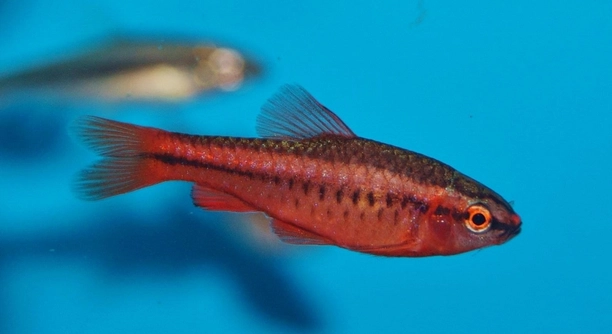
Have you ever found yourself watching your cherry barbs swim around and wondered if they notice you just as much?
Cherry barbs do not form bonds with their owners in the same way as mammals, but they can become accustomed to a familiar presence. With time and consistent interaction, they may show recognition through reduced stress and active behavior.
Learning how cherry barbs interact with people can help you build a more engaging and comfortable environment for your fish.
Understanding Cherry Barb Behavior
Cherry barbs are peaceful freshwater fish that thrive in planted aquariums with calm surroundings. They tend to school together, preferring the company of their own species. While they do not show affection like dogs or cats, they may respond to their environment and routine. Over time, some cherry barbs begin to associate feeding times with your presence and may swim to the front of the tank when you approach. This behavior isn’t emotional bonding, but a form of learned association. Their comfort around you can increase if the tank conditions are stable, and interactions remain consistent. Quick movements or tapping the glass should be avoided, as it can cause them stress. Instead, move slowly and observe how they react. Recognizing your presence over time is possible, especially when they learn it means food or safety.
Cherry barbs are responsive to routine, so consistency in care and feeding may increase their comfort with you.
They may never form true bonds, but their active swimming near you can indicate familiarity. While not emotionally driven, it shows a level of adjustment to your presence. Keeping them calm and secure allows them to remain active and visible, which makes for a better viewing experience overall.
How to Encourage Interaction
Daily interaction can help your cherry barbs grow accustomed to you. Move slowly near the tank, feed at the same times, and avoid loud noises.
Providing a stress-free space is key to encouraging interaction. Use floating plants for cover and ensure the tank has stable water conditions. Feeding at consistent times helps them link your presence with food, which encourages them to swim toward you. Over time, they may become more confident and swim closer when you approach. Avoid tapping the glass or sudden movements, as this causes stress. You can also try feeding from the same spot each day, so they associate that area—and eventually you—with positive experiences. Although cherry barbs won’t form emotional bonds, they may show awareness and comfort through their actions. Watching for signs like calm swimming, reduced hiding, and active foraging can help you gauge their comfort. Creating a peaceful space helps them feel safe, making your presence less intimidating over time.
Recognizing Signs of Comfort
Cherry barbs that feel safe in their environment will remain active and swim openly. If they often hide or dart away, they may be stressed. Regular feeding and a calm setting help build trust and encourage them to stay visible throughout the day.
When cherry barbs begin to associate your presence with positive experiences, they tend to swim to the front of the tank or gather near the surface when you approach. This behavior is often linked to feeding anticipation, not affection. Still, it shows they recognize a routine. Reduced hiding, steady movement, and normal appetite also signal that they’re comfortable. If they dart away frequently, check for sudden environmental changes. Avoid making abrupt movements or loud noises near the tank. Calm, consistent behavior from you will reduce their stress. Over time, these patterns help create a steady rhythm that supports their well-being.
You might also notice increased activity when you’re near the tank, especially before feeding. While this doesn’t mean they’re bonding with you emotionally, it’s a strong sign of familiarity. Fish tend to rely on routine, and cherry barbs are no exception. Once they connect your presence with safety or food, they act more confident and stay visible longer. This improves your interaction with them.
Common Mistakes to Avoid
Abrupt water changes, tapping on the glass, and inconsistent feeding can stress your cherry barbs. These behaviors disrupt their routine and cause them to hide more often or behave unpredictably in the tank.
Overfeeding is one of the most common mistakes. It can cloud the water, raise ammonia levels, and harm your fish. Always offer only what they can eat in two minutes. Another issue is placing the tank in a high-traffic or noisy area. Constant movement or sound can stress them, leading to more hiding and less interaction. Neglecting regular water checks and maintenance also creates problems. Dirty or unstable water affects their comfort and health. Be cautious when introducing new fish or decorations, as sudden changes can make them feel unsafe. Keeping a steady routine and making changes gradually helps avoid unnecessary stress. Maintaining a peaceful environment allows your cherry barbs to remain calm and more likely to swim freely.
Tools That Can Help
Using an automatic feeder can help maintain consistent feeding times, especially if you’re not home during the day. This consistency supports routine, which makes your cherry barbs feel more secure and comfortable in their environment over time.
A background on the tank can reduce reflections and make the fish feel safer. It limits visual disturbances from the room and creates a more calming environment. Tank covers with soft lighting can also prevent sudden brightness changes that stress your fish.
Signs You’re Making Progress
If your cherry barbs swim near you during feeding time or stay active when you’re nearby, it means they recognize you. This shows a level of comfort. Seeing fewer signs of stress, like hiding or erratic swimming, means they are adjusting well to your presence and routine.
Final Thought
Building comfort with cherry barbs takes patience and routine, but small changes in behavior can show they feel safe and calm.
FAQ
Can cherry barbs recognize their owner?
Cherry barbs do not recognize their owners in the same emotional way a dog or cat might. However, they can become familiar with your presence, especially if you’re the one feeding them. Over time, they may begin to associate you with food and safety. This can result in them swimming to the front of the tank or becoming more active when you approach. These behaviors suggest they notice patterns and react to them, not necessarily out of affection, but from memory and routine.
Do cherry barbs show affection?
Cherry barbs do not display affection in the human sense. They do not have the emotional capacity to bond or form attachments in the way mammals do. However, their comfort with their environment, including your presence, can be observed through calm swimming, reduced hiding, and visible activity. These behaviors indicate they feel secure, but they aren’t driven by affection or emotional attachment. They rely on environmental consistency more than emotional cues when reacting to people or changes around them.
Is it okay to talk to your cherry barbs?
Yes, it’s perfectly fine to talk to them, especially if you find it calming. While cherry barbs cannot understand what you’re saying, the tone of your voice and your consistent presence may become familiar over time. Keeping a quiet and steady tone around the tank can also help maintain a peaceful environment. It won’t build a bond, but it might make your movements and sounds feel less threatening to them, especially if paired with feeding or calm behavior.
Can cherry barbs get lonely without human interaction?
Cherry barbs do not need human interaction for emotional support. They are schooling fish, so their sense of security comes from being in a group of their own kind. Keeping them in small groups of at least five helps prevent stress and improves their activity. Human interaction doesn’t replace social behavior within the school, so it’s more important to provide the right number of fish and a stable environment than to focus on personal interaction. Your presence may become familiar, but it’s not necessary for their emotional health.
How can I tell if my cherry barb is stressed?
Signs of stress include hiding often, erratic swimming, loss of color, refusal to eat, and staying near the bottom of the tank. Stress can be caused by poor water conditions, sudden changes in the environment, aggressive tankmates, or loud surroundings. Regular tank maintenance, gentle lighting, and calm surroundings can help reduce stress. If these behaviors persist even after adjusting conditions, it’s important to check water parameters or consult a professional, as ongoing stress can lead to illness. Addressing stress quickly improves both behavior and health.
Why do my cherry barbs hide when I enter the room?
Cherry barbs may hide when you enter the room if they’re not used to your presence or if you move too quickly. They respond to vibrations and movement outside the tank. Over time, as they begin to recognize that your presence does not lead to danger, this behavior should reduce. Move slowly around the tank and keep noise to a minimum. If hiding continues, check for other stress factors like tankmates, water conditions, or sudden changes to their space. Regular exposure to a calm routine can help them adjust.
What’s the best way to get cherry barbs used to me?
Keep your interactions consistent and calm. Feed them at the same time each day and approach the tank slowly. Avoid tapping the glass or making quick movements. Sit near the tank for short periods to help them get used to your presence. Over time, they may start swimming more freely when you’re nearby. The goal isn’t to bond emotionally, but to make them feel safe when you’re around. Creating a peaceful, predictable environment is the most effective way to earn their trust.
Final Thoughts
Cherry barbs are peaceful, active fish that do well in small groups and calm environments. While they do not bond with their owners in the same way as pets like cats or dogs, they can still recognize patterns and grow comfortable with your presence over time. Their behavior is guided by routine, safety, and environmental stability. If they swim near the front of the tank when you approach or become more active during feeding, these are simple signs that they have grown used to you. These small changes can be encouraging for fish keepers who spend time caring for them.
Building trust with cherry barbs is not about forming a close emotional connection, but about creating a calm and consistent space where they feel safe. Proper care includes keeping the water clean, feeding them a balanced diet, and avoiding loud noises or sudden changes around their tank. Using simple tools like automatic feeders, tank backgrounds, and soft lighting can make their environment feel more stable. Sitting near the tank quietly, moving slowly, and interacting with them at regular times can also help them feel more at ease. These steps may not create a bond in the human sense, but they help reduce stress and promote healthy behavior.
Watching your cherry barbs become more comfortable can be rewarding, even if their reactions are subtle. With time and patience, they may show more activity, less hiding, and more interaction during feeding. While it’s important not to expect deep emotional responses, their ability to recognize routine and associate your presence with safety is still meaningful. Focusing on their comfort, rather than trying to force a bond, helps them live healthier and more relaxed lives. Simple habits, quiet interaction, and a stable setup go a long way. Even if the connection looks different from what people often expect from pets, it’s still satisfying to see your efforts create a safe and familiar space for them.

Hello,
If you enjoy the content that we create, please consider saying a "Thank You!" by leaving a tip.
Every little bit helps us continue crafting quality advice that supports the health, happiness, and well-being of pets around the world, for pets of all shapes, sizes, and species.
We really appreciate the kindness and support that you show us!