
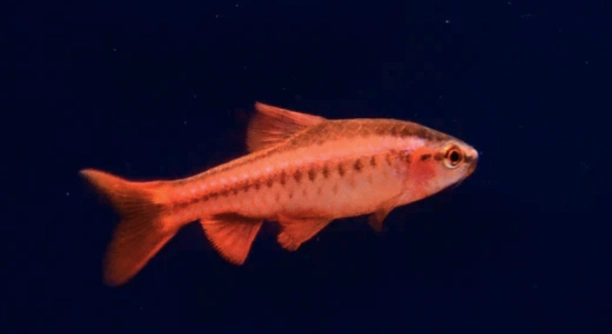
Cherry barbs are small, colorful fish that can exhibit unique behaviors in their tanks. If you’ve noticed your cherry barb spending a lot of time in one spot, you may be wondering what’s behind this behavior.
The primary reason your cherry barb stays in one spot could be stress, health issues, or environmental factors. Factors like water quality, tank mates, or temperature changes can cause your fish to seek a specific location for comfort.
This article will explore the common reasons behind your cherry barb’s behavior and offer helpful tips on how to address the issue.
Why Do Cherry Barbs Stay in One Spot?
When a cherry barb spends a lot of time in one place, it’s usually trying to tell you something about its environment. Stress can often lead to this behavior, especially if something in the tank isn’t quite right. Common stressors include poor water quality, incorrect temperature, or aggressive tank mates. Cherry barbs are social creatures, and if they feel isolated or unsafe, they might cling to a spot for security. Sometimes, the fish might not even be sick; they could simply be adjusting to new tank conditions or undergoing some temporary discomfort. Understanding these factors can help you figure out what’s bothering your cherry barb.
It’s also important to check for signs of illness or injury. Fish that feel physically unwell might isolate themselves to avoid further stress. This behavior can also be seen when they are suffering from parasites or infections.
A thorough check of the water conditions and tank setup can often reveal the problem. Adjusting the temperature, ensuring proper filtration, and removing aggressive tank mates can help reduce the stress that leads to this behavior. Also, providing plants and hiding spots can make your fish feel safer. If there are signs of illness, such as a lack of appetite, discoloration, or unusual swimming patterns, it’s worth consulting an expert to ensure your fish stays healthy.
How to Improve Your Cherry Barb’s Comfort
Adjusting the tank environment is the first step. Cherry barbs thrive in stable, clean water with plenty of hiding places.
Make sure your water temperature is between 74°F to 79°F. Keep the water clean with regular filtration and water changes. Adding plants or rocks can create natural hiding spots where your fish can feel safe and secure.
Water Quality Matters
Cherry barbs are sensitive to water conditions. Poor water quality can lead to stress, making your fish stay in one spot. Test the water regularly for ammonia, nitrites, and nitrates. The pH should be slightly acidic to neutral, between 6.5 and 7.5. If your water isn’t ideal, your cherry barb might not feel comfortable moving around.
Regular water changes are essential for maintaining a healthy tank. A 25% water change every week can help keep harmful toxins in check. Use a reliable water conditioner to remove chlorine and chloramine. Also, make sure your filtration system is working properly to avoid harmful build-ups. If the water conditions are off, your fish will avoid moving around, as they are trying to stay in a place they feel safer. Keeping the water clean is one of the best ways to reduce stress and make your fish feel at home.
It’s easy to overlook the importance of water quality, but it directly impacts your fish’s well-being. Even small fluctuations in temperature or water chemistry can cause your cherry barb to seek out one specific spot in the tank. You’ll want to make sure the water stays consistent and clean to prevent your fish from feeling trapped or anxious. In some cases, the fish may refuse to move even if the water changes are slight. Keep up with regular checks to ensure your fish stays healthy.
Tank Mates and Aggression
Cherry barbs are peaceful fish but can be sensitive to aggressive tank mates. If there’s too much fighting or bullying in the tank, your cherry barb might retreat to a corner or specific spot. This is a natural response to avoid further conflict.
Choosing compatible tank mates is key to keeping your cherry barb calm. Avoid aggressive or territorial fish that might harass it. Species like bettas, larger cichlids, or overly active fish can cause stress and force your cherry barb to hide in one spot. If there are aggressive tank mates, it’s a good idea to either separate them or rearrange the tank to reduce territorial behaviors.
Stress caused by tank mates can lead to more than just staying in one spot. Over time, this can affect their health and activity levels. If your cherry barb is isolated or being bullied, it’s best to monitor the tank dynamics closely. A peaceful tank leads to healthier, happier fish.
Temperature Fluctuations
Cherry barbs are sensitive to temperature changes. If the water temperature fluctuates too much, your fish might cling to a single spot. Consistency is key for their comfort. Use a reliable heater and thermometer to keep the temperature stable.
Fluctuations in temperature can stress your fish, making them seek a place where they feel secure. Cherry barbs do best in a temperature range of 74°F to 79°F. Any significant rise or drop can lead to them hiding. Overheating or cooling the tank water quickly can make your fish anxious and lead to behavior changes like staying still in one spot.
Inconsistent water temperatures may also suppress your fish’s appetite and reduce their activity. This can cause your cherry barb to isolate itself and avoid moving. Keeping the temperature steady is one of the easiest ways to avoid unnecessary stress. Ensure the heater is in good condition, and check the temperature regularly to keep your fish comfortable.
Illness and Injury
If your cherry barb is sick or injured, it might stay in one spot to rest and recover.
Illnesses like fin rot, parasites, or internal infections can lead to this behavior. If your fish seems lethargic or shows other symptoms, consider treating the illness or separating it from other tank mates to prevent further stress.
Lack of Proper Hiding Spots
Cherry barbs need spaces to feel safe. Without proper hiding spots, they may cling to one spot, trying to feel secure.
Adding plants, rocks, or caves to your tank helps provide hiding places and reduces anxiety. A stressed fish may not move freely unless it feels safe and sheltered.
FAQ
Why does my cherry barb keep swimming in circles?
Cherry barbs are usually peaceful fish, but swimming in circles can be a sign of stress or illness. If your fish starts swimming erratically or in circles, it could indicate poor water quality or a potential infection. Make sure the water conditions are stable—check for ammonia, nitrate, and nitrite levels, as well as the pH. Additionally, if there are aggressive tank mates or temperature fluctuations, your cherry barb may behave differently. Stress can lead to abnormal swimming patterns, and addressing the root cause can help your fish feel better and swim more naturally.
Is it normal for my cherry barb to stay at the bottom of the tank?
If your cherry barb stays at the bottom of the tank, this could be a sign of illness, injury, or environmental stress. Cherry barbs are active swimmers and prefer to swim around the tank. However, when they feel sick or stressed, they may seek out a spot on the bottom for comfort. Check for signs of illness, such as changes in appearance or eating habits. Poor water quality, lack of hiding spots, or aggressive tank mates can also make your fish avoid swimming. Regular water changes and maintaining a peaceful tank environment can often help solve this problem.
How can I tell if my cherry barb is stressed?
Stressed cherry barbs will often exhibit signs like staying in one spot, abnormal swimming patterns, or hiding frequently. Other signs include faded colors, loss of appetite, or erratic behavior. Stress is often caused by poor water quality, incompatible tank mates, or sudden changes in the environment. Ensuring your tank’s temperature, pH, and filtration system are stable can reduce stress. Providing hiding places with plants or decorations can help your cherry barb feel safe. Monitoring your fish closely will help you catch signs of stress early and make adjustments as needed.
What is the best water temperature for cherry barbs?
Cherry barbs thrive in water temperatures between 74°F and 79°F (23°C to 26°C). Keeping the temperature within this range ensures your fish remain active and healthy. Water that is too hot or too cold can cause stress and lead to abnormal behavior. Use a reliable heater and thermometer to maintain a consistent temperature in the tank. Sudden temperature changes or fluctuations can negatively impact your cherry barb’s health, so it’s important to keep the water stable.
Can cherry barbs live with other fish?
Yes, cherry barbs are generally peaceful and can live with many other types of fish. They are best suited for community tanks with other peaceful species. Avoid aggressive fish, like bettas or large cichlids, which may bully the cherry barb. Tank mates like tetras, rasboras, and guppies make great companions for cherry barbs. Make sure the tank is large enough to accommodate all species and provide plenty of hiding spots for each fish to feel secure. Peaceful interactions and proper tank conditions will help all fish coexist harmoniously.
How often should I feed my cherry barb?
Cherry barbs should be fed small amounts 1 to 2 times per day. Overfeeding can lead to poor water quality and health issues for your fish. Provide a balanced diet with high-quality flake food, and occasionally supplement with live or frozen foods, such as brine shrimp or daphnia. Make sure to remove any uneaten food after a few minutes to keep the water clean. A well-balanced diet is important for their health, and proper feeding routines can help prevent issues like obesity or stress.
Why is my cherry barb not eating?
If your cherry barb isn’t eating, it could be due to stress, illness, or water quality problems. Make sure your tank conditions are optimal, and check the water parameters, including pH, ammonia, nitrites, and nitrates. If the water quality is poor, it could affect your fish’s appetite. Illnesses, such as parasites or internal infections, can also cause a loss of appetite. If your fish is hiding or showing other signs of illness, it may be best to isolate it and seek advice from an aquarium expert.
How long do cherry barbs live?
Cherry barbs typically live for 3 to 5 years with proper care. They can live longer if the tank conditions are stable and they are not subjected to stress or illness. Proper feeding, regular water changes, and maintaining a peaceful environment will help your cherry barb live a long, healthy life. While 3 to 5 years is the average lifespan, some cherry barbs may live even longer under optimal conditions.
Why is my cherry barb’s color fading?
Fading color in cherry barbs can be a sign of stress or illness. If your fish is not feeling well, its colors may become dull or pale. Poor water quality, incompatible tank mates, or temperature fluctuations can all contribute to stress and result in color loss. A stressed cherry barb will also display behavior changes, such as staying in one spot or becoming less active. Ensure that your tank conditions are stable, and check for signs of illness. Providing a balanced diet and a peaceful environment can help restore vibrant colors in your cherry barb.
What size tank do cherry barbs need?
Cherry barbs are small fish, but they still need enough space to swim around and feel comfortable. A tank size of at least 20 gallons is ideal for a small group of cherry barbs. If you plan on keeping multiple fish or adding other species, consider a larger tank to provide enough room for everyone. A larger tank helps reduce stress and allows for proper filtration. If you’re just keeping one or two cherry barbs, a 10-gallon tank might be sufficient, but it’s always better to provide as much space as possible for your fish.
Final Thoughts
If your cherry barb is spending a lot of time in one spot, it’s usually trying to tell you something about its environment or health. It’s important to check the tank’s water quality first, as poor water conditions are a common cause of stress. Regular water changes, good filtration, and maintaining a consistent temperature can help keep your cherry barb comfortable. If the water is too warm, too cold, or contains toxins like ammonia or nitrates, your fish might isolate itself or act strangely. Ensuring proper water conditions is the first step in resolving most behavioral issues with cherry barbs.
Tank mates and environmental factors also play a big role in how your cherry barb behaves. If the tank contains aggressive fish, your cherry barb might retreat to one spot to avoid being chased or bullied. Choosing peaceful, compatible tank mates will reduce stress and allow your cherry barb to feel more secure. Adding hiding spots such as plants or rocks can also help, giving your fish a place to rest when it needs to feel safe. A peaceful environment with enough space and hiding spots will help your cherry barb remain active and healthy.
In some cases, cherry barbs may show unusual behavior if they are sick or injured. Illnesses or physical discomfort can cause your fish to stay in one place, so it’s important to look out for any other signs of health issues. Changes in appetite, discoloration, or difficulty swimming can all indicate that your fish needs attention. If your cherry barb’s condition doesn’t improve with water quality adjustments and environmental changes, it’s worth considering a visit to an aquarium expert for further advice. By being proactive and paying attention to their needs, you can ensure your cherry barb lives a healthy and happy life.

Hello,
If you enjoy the content that we create, please consider saying a "Thank You!" by leaving a tip.
Every little bit helps us continue crafting quality advice that supports the health, happiness, and well-being of pets around the world, for pets of all shapes, sizes, and species.
We really appreciate the kindness and support that you show us!