
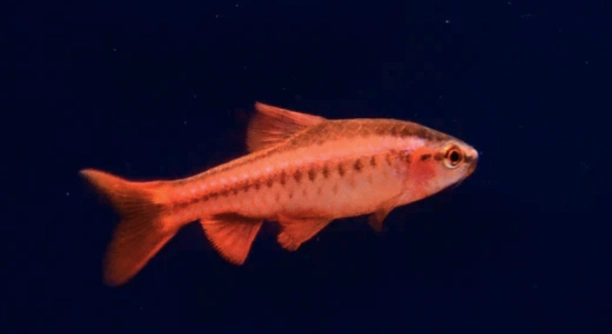
Cherry barbs are small, vibrant fish that are popular in home aquariums. Many fish owners are curious about the effects of isolation on their wellbeing, particularly when it comes to their behavior and mental health.
Cherry barbs, like many social fish, can experience stress and negative effects from prolonged isolation. Their natural instincts drive them to seek company, and without the presence of other fish, they can show signs of depression or lethargy.
Understanding the needs of cherry barbs can help ensure their happiness and health in your aquarium. Learning how to create a stimulating environment will benefit both your fish and your overall aquatic setup.
Why Cherry Barbs Are Social Fish
Cherry barbs are known for their playful and active nature. They thrive when surrounded by other fish, as they are naturally social animals. In the wild, these fish swim in groups, which helps them feel secure and confident. When kept in isolation, however, they may become stressed and less active. They may start hiding or simply float in one spot, showing less interest in food or their surroundings. This behavior indicates that they are not enjoying their environment as they should. If you notice these signs, it’s important to address them quickly to ensure your cherry barb’s health.
Isolating cherry barbs can have negative effects on their behavior and health. They rely on the presence of other fish for companionship and mental stimulation.
To create a better habitat for your cherry barbs, consider introducing other peaceful fish species into the tank. Guppies or neon tetras, for example, can make great tank mates. Adding a few of these species will not only give your cherry barbs social interaction, but it will also encourage more natural behavior. In addition to social stimulation, keeping your tank environment diverse and enriched with plants and hiding spots can give your fish a sense of security and promote overall wellbeing.
How Isolation Affects Their Health
Being kept alone for long periods can have a physical and emotional impact on cherry barbs. Without social interaction, their stress levels can rise, leading to weakened immune systems. This makes them more susceptible to illnesses. Moreover, isolated cherry barbs may stop eating or lose interest in swimming, which can result in weight loss and poor health.
A balanced environment that includes both social interactions and ample space for swimming can help cherry barbs maintain a healthy lifestyle. It’s vital to keep these factors in mind when setting up your aquarium to prevent your fish from feeling lonely.
Signs of Depression in Cherry Barbs
Cherry barbs can show several signs of depression when isolated. They may become lethargic, spend a lot of time hiding, or swim aimlessly. These behaviors are a clear indication that something is not right in their environment. If your fish is exhibiting these signs, isolation might be the cause.
Cherry barbs are active swimmers who usually engage with their surroundings. When isolated, they often stop interacting with their environment and float around listlessly. This lack of energy or interest is a sign that they’re stressed. Their usual social behavior, like chasing or schooling with other fish, will be absent. They may also refuse food, which can further weaken them.
One common behavior seen in isolated cherry barbs is a change in eating habits. These fish are typically eager to eat, but when depressed, they may lose their appetite or eat very little. This lack of interest in food can lead to weight loss and further stress on their body. It’s important to monitor their eating habits closely if you suspect isolation is affecting their mental health.
The Importance of Tank Companions
Introducing tank mates is essential for cherry barbs’ well-being. They feel safer and more comfortable when surrounded by other fish. Being in a community tank can encourage natural behaviors, such as schooling and exploration, which are crucial for their happiness. The presence of other fish helps alleviate stress and loneliness.
When selecting tank mates for cherry barbs, it’s important to choose peaceful species that won’t harass or outcompete them for food. Guppies, neon tetras, and other small, non-aggressive fish are good options. Avoid larger or more aggressive species, as they can stress your cherry barbs and interfere with their social behavior. A harmonious environment will keep them calm and active.
A well-planted tank with plenty of hiding spots and swimming areas also benefits cherry barbs. These fish love to explore and will feel more secure if they have places to hide. This not only reduces stress but also encourages them to interact more with their tank mates. Regular water changes and good tank maintenance will also help keep the environment healthy for everyone. By creating a thriving community tank, you will help your cherry barbs live healthier and happier lives.
Creating an Enriching Environment
An enriching environment can help reduce stress for cherry barbs. Adding live plants, rocks, and other natural elements to the tank creates a more stimulating and comforting space. Cherry barbs need places to hide and explore to feel secure and avoid stress.
Plants, rocks, and other decorations provide hiding spots, which are essential for cherry barbs’ mental well-being. These elements also create a sense of security, making the fish feel less exposed and vulnerable. A well-decorated tank helps reduce boredom and allows cherry barbs to behave naturally.
Feeding and Nutrition
Proper nutrition is crucial for maintaining your cherry barbs’ health, especially if they’re under stress. A balanced diet of high-quality flakes, pellets, and occasional live food helps them stay healthy and active. It’s important not to overfeed, as this can lead to water quality problems and health issues.
Tank Size Matters
A small tank can make cherry barbs feel cramped and isolated, even if they have tank mates. A larger tank provides more space for swimming and socializing. Ideally, a tank of at least 20 gallons is recommended for cherry barbs, especially if you plan to add other fish.
FAQ
Can cherry barbs live alone?
While cherry barbs can survive alone, it’s not ideal for their well-being. These fish are naturally social and prefer to be in groups. When isolated, they can become stressed, depressed, and lethargic. It’s best to keep them with at least one or two other cherry barbs, or with compatible peaceful tank mates. If you have only one, they may not engage in their typical behaviors like swimming in schools or exploring, which is essential for their mental health.
What are the signs of a stressed cherry barb?
Stressed cherry barbs may show a variety of behaviors, such as hiding more than usual, swimming aimlessly, or losing interest in food. They might also have a dull color, showing that they are not as healthy or active. If your cherry barb seems sluggish or withdrawn, it could be a sign that they are stressed due to poor tank conditions, isolation, or other environmental factors.
How many cherry barbs should be kept together?
Cherry barbs are happiest in groups of at least five or six. In larger schools, they are more likely to engage in natural behaviors like schooling and foraging. Keeping them in small numbers can lead to social issues and cause stress. A small group of five cherry barbs is generally the best minimum for a balanced, stress-free environment.
What tank mates are good for cherry barbs?
Cherry barbs do well with other peaceful fish that are similar in size and temperament. Species like neon tetras, guppies, and rasboras are great tank mates. Avoid aggressive fish like cichlids or larger species that might bully your cherry barbs. It’s also important to ensure that all tank mates are compatible in terms of water temperature and pH preferences.
What is the best tank size for cherry barbs?
The minimum recommended tank size for cherry barbs is 20 gallons. A larger tank provides more space for them to swim and socialize, which is essential for their health. If you’re planning to keep multiple fish in the tank, especially if you include other species, a larger tank (such as 30 gallons) is even better to ensure there is enough room for everyone.
How often should I feed cherry barbs?
Feed cherry barbs once or twice a day with small portions of food. Overfeeding can lead to poor water quality, which affects their health. A balanced diet should consist of high-quality flakes, pellets, and occasional live or frozen foods like daphnia or brine shrimp. Always remove any uneaten food after a few minutes to maintain water quality.
Do cherry barbs need special water conditions?
Cherry barbs thrive in slightly acidic to neutral water with a pH range of 6.5 to 7.5. They also prefer water temperatures between 72°F and 78°F (22°C to 26°C). Regular water changes, along with good filtration, will help maintain these conditions. Test the water regularly to ensure that it stays within the ideal range for cherry barbs to live comfortably.
Can cherry barbs live with other types of barbs?
Cherry barbs can live with other types of barbs as long as the other barbs are not overly aggressive. Some species, like tiger barbs, are known to be nippy and may cause stress to the more peaceful cherry barbs. However, other smaller, calmer barbs may coexist with them well. Always observe the behavior of different species to make sure they are compatible.
How can I prevent my cherry barb from getting lonely?
To prevent your cherry barb from getting lonely, ensure they have a few tank mates. As mentioned, keeping at least three to five cherry barbs together is ideal, but you can also add other peaceful fish species. The more social interaction they have, the less likely they are to experience loneliness or depression.
Is it necessary to have a filter for cherry barbs?
Yes, a filter is necessary for keeping cherry barbs healthy. It helps maintain good water quality by removing waste and toxins. Cherry barbs are sensitive to poor water conditions, so a reliable filtration system is essential. Make sure the filter is not too strong, as cherry barbs prefer calm waters. Regular maintenance and water changes will also keep your tank in good shape.
How long do cherry barbs live?
Cherry barbs typically live for 3 to 5 years with proper care. However, some may live longer if they are kept in optimal conditions with a balanced diet, appropriate tank mates, and regular water changes. Keeping them in a peaceful, well-maintained environment will increase their chances of living a full life.
Final Thoughts
Cherry barbs are vibrant and peaceful fish that thrive in social environments. They are best kept in groups, as isolation can lead to stress, depression, and a decline in their overall health. These small fish are naturally active and playful, and they benefit from the companionship of other fish. Without company, cherry barbs can become lethargic and lose interest in food, which affects their well-being. If you want your cherry barbs to live a healthy and happy life, it’s important to provide them with both social interaction and an enriched environment.
Creating a suitable environment for cherry barbs involves more than just adding tank mates. It also includes ensuring proper water conditions, including a stable pH, temperature, and clean water. Cherry barbs prefer slightly acidic to neutral water with a temperature range between 72°F and 78°F. Regular water changes and maintaining good filtration are essential for keeping their environment healthy. Additionally, adding plants, rocks, and hiding spots will make the tank more interesting and comfortable for them. These elements encourage natural behaviors and give the fish a sense of security, which helps reduce stress.
When it comes to feeding, cherry barbs are not particularly difficult. A balanced diet with high-quality flakes, pellets, and occasional live or frozen food will keep them healthy. It’s important not to overfeed, as this can lead to poor water quality. Proper nutrition is especially important if your cherry barbs are stressed, as it helps them recover and stay strong. By maintaining a proper environment and ensuring they have enough social interaction, you can support their health and happiness, making them a great addition to your aquarium.

Hello,
If you enjoy the content that we create, please consider saying a "Thank You!" by leaving a tip.
Every little bit helps us continue crafting quality advice that supports the health, happiness, and well-being of pets around the world, for pets of all shapes, sizes, and species.
We really appreciate the kindness and support that you show us!