
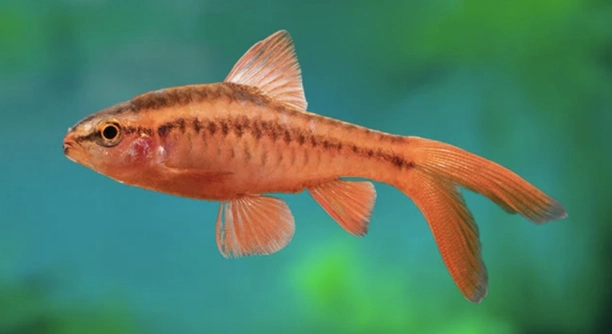
Creating a low-tech barb tank that looks great can be a fun and rewarding challenge. With just a few adjustments, you can transform your setup into a beautiful and thriving environment for your fish.
To make your low-tech barb tank look visually appealing, focus on a balanced approach with minimal equipment. Using simple decor like plants, rocks, and natural substrates will enhance the aesthetic without the need for complex systems or equipment.
By following these tips, you can enjoy a low-maintenance tank that remains both functional and attractive. The right choices will not only benefit your barbs but also elevate the overall look of the aquarium.
Choose the Right Substrate for Your Barb Tank
When setting up your low-tech barb tank, selecting the right substrate plays a crucial role. A natural substrate, like sand or fine gravel, creates a more authentic environment and promotes healthy plant growth. This is important because barbs tend to thrive in areas with a soft, smooth surface, which mimics their natural habitat. Additionally, substrates that support plant growth provide more surface area for beneficial bacteria, helping to maintain a balanced ecosystem.
A substrate with good drainage ensures that excess waste and uneaten food don’t settle at the bottom, causing water quality issues. Avoid overly large gravel, as it can make it harder for plants to root. For barbs, a darker substrate is often preferred, as it enhances the vibrancy of their colors and reduces stress.
Remember, the substrate you choose will affect both your tank’s aesthetics and your barbs’ health. Invest in quality materials that support both plant life and overall water quality. This simple yet effective change can make a noticeable difference in the look and feel of your tank.
Keep Your Water Clean with Regular Maintenance
Regular water changes are essential for maintaining a healthy tank. Aim to replace 20-25% of the water weekly.
Barbs are active fish that produce waste, which can lead to spikes in toxins like ammonia if not managed. Regular water changes help remove these toxins and prevent health issues in your fish. Clean water also supports the plants and the overall balance in the tank. Be mindful of the water temperature and ensure it’s within the appropriate range for barbs. Clean water is not only crucial for the well-being of your fish but also for the beauty of your tank, as it helps maintain clear, vibrant surroundings.
Select the Right Plants for a Low-Tech Setup
Low-tech tanks thrive on plants that don’t require strong lighting or complex care. Choose hardy species like Java fern, anubias, or crypts, which can grow with minimal effort. These plants are ideal because they don’t demand high light or CO2 injection.
Incorporating these types of plants not only enhances the appearance of your tank but also supports the natural filtration system. The plants help absorb excess nutrients from the water, reducing the risk of algae blooms. As they grow, they’ll provide hiding spots and territories for your barbs, creating a more natural environment.
Make sure to place the plants strategically in areas with proper water flow. Avoid overcrowding your tank, as too many plants can block water movement and reduce oxygen exchange. Low-maintenance plants allow you to maintain a balanced ecosystem with minimal intervention.
Use Natural Decorations to Enhance the Aesthetic
In a low-tech setup, natural decorations like driftwood and rocks can add visual interest. These items provide structure and create a more organic environment for your barbs. The addition of these elements doesn’t require complex care but helps mimic their natural habitat.
Driftwood, in particular, offers more than just a decorative touch. It can lower the pH of the water slightly, which is beneficial for barbs that prefer slightly acidic conditions. Rocks can help create caves or hiding spots, giving your fish a sense of security. Just be sure to avoid decorations that may release harmful substances into the water.
The key is to keep it simple. Too many decorative items can make the tank feel crowded and disrupt the peaceful environment your fish need.
Maintain Proper Lighting for a Low-Tech Setup
Lighting in a low-tech tank should be moderate, as too much light can encourage algae growth. Use LED lights or fluorescent tubes with a lower wattage to ensure that your plants receive enough light for photosynthesis without overwhelming the tank.
Barbs are quite adaptable to different lighting conditions, so you don’t need intense lighting. A gentle light source helps keep the plants healthy without excessive algae growth. Keep the lighting on for around 8-10 hours a day to simulate natural day-night cycles and avoid stressing both your plants and fish.
Avoid Overfeeding Your Barbs
Overfeeding can lead to water quality issues and unnecessary waste buildup. Make sure to feed your barbs only what they can consume in a few minutes, once or twice a day.
By feeding sparingly, you reduce the risk of excess food breaking down and polluting the water. This also helps maintain a cleaner tank environment. Your barbs are small fish and don’t require large amounts of food. Consistency and moderation will go a long way in maintaining a healthy, low-maintenance tank.
Keep an Eye on Tank Temperature
The temperature of your tank should stay within the optimal range for barbs, typically between 72-80°F (22-27°C). Make sure the water is neither too cold nor too hot, as extreme temperatures can stress the fish.
Barbs are adaptable, but sudden temperature changes can be harmful. If you live in a region with fluctuating temperatures, consider investing in a reliable heater to maintain a consistent environment. By monitoring the temperature, you help prevent stress and health issues in your fish while also supporting plant growth.
FAQ
What are the best plants for a low-tech barb tank?
The best plants for a low-tech barb tank are hardy and can thrive in low light conditions without CO2 supplementation. Some great options include Java fern, Anubias, and Cryptocoryne. These plants are not only easy to care for but also help maintain water quality by absorbing excess nutrients. Java fern and Anubias are particularly resistant to algae growth, making them ideal for a low-tech environment. Cryptocoryne varieties can add a nice touch of color and texture to the tank. Make sure to choose plants that won’t outgrow the tank and block water flow.
How can I prevent algae growth in my low-tech tank?
Algae growth can be managed in a low-tech tank by controlling lighting, avoiding overfeeding, and maintaining proper water quality. Keep the lighting on for no more than 8-10 hours a day to limit algae growth. Excessive light can trigger algae blooms, so it’s important to avoid leaving lights on too long. Additionally, avoid overfeeding your barbs, as uneaten food contributes to excess nutrients in the water, which algae thrive on. Regular water changes and cleaning any excess debris from the substrate can help reduce algae buildup.
Is it necessary to use CO2 in a low-tech barb tank?
No, it’s not necessary to use CO2 in a low-tech barb tank. Barbs and most low-maintenance plants can thrive without CO2 injection. In a low-tech setup, plants like Java fern, Anubias, and Cryptocoryne can grow well with minimal light and nutrients. Adding CO2 can help plants grow faster, but it’s not required for a healthy, low-tech aquarium. By sticking to plants that don’t need additional CO2 and focusing on proper care, you can maintain a balanced and attractive tank with minimal equipment.
How often should I change the water in my barb tank?
Water changes are essential for maintaining a healthy environment in a low-tech barb tank. It’s recommended to change 20-25% of the water every week. Regular water changes remove excess waste, uneaten food, and harmful chemicals that may build up over time. They also help maintain optimal water parameters for your fish and plants. When performing a water change, make sure to use dechlorinated water to avoid stressing your barbs. Regular changes help ensure the water remains clear and balanced, reducing the chances of health issues for both plants and fish.
How can I make my barb tank more visually appealing without high-tech equipment?
A visually appealing low-tech barb tank can be achieved with careful selection of plants, decorations, and substrate. Focus on natural elements like driftwood, rocks, and hardy plants. Driftwood adds both aesthetic value and functional benefits, such as lowering pH levels for barbs. Rocks create hiding spots and add structure to the tank. Substrates like fine gravel or sand can enhance the natural look and provide a healthy environment for plants. Carefully arranging these elements will give the tank a well-balanced, pleasing look without needing complex equipment.
What kind of decorations should I avoid in a low-tech barb tank?
Avoid decorations that are too large, sharp, or made from materials that can leach chemicals into the water. Decorations like plastic plants or brightly colored plastic items might not only disrupt the natural look of the tank but can also harm your fish. Large ornaments can overcrowd the tank, making it feel cramped and reducing the water circulation needed for healthy plants and fish. Stick to natural materials like driftwood and rocks that are safe for your barbs and contribute to a more natural and visually appealing setup.
Can I keep other fish species with my barbs in a low-tech tank?
Yes, you can keep other species with your barbs, but it’s important to choose compatible tank mates. Barbs are generally peaceful fish but can be a bit active and nippy, so avoid keeping them with slow-moving or fin-nipping species. Good tank mates include other mid-to-top-dwelling fish like tetras, livebearers, or peaceful community fish. Make sure the species you choose can thrive in similar water conditions, such as temperature and pH levels. Always research the specific needs of any new species before introducing them to the tank.
How can I manage tank temperature in a low-tech setup?
Managing tank temperature is important to keep your barbs healthy. Barbs thrive in temperatures between 72-80°F (22-27°C). In a low-tech setup, consider using a reliable aquarium heater to maintain a stable temperature. Keep an eye on the tank with a thermometer to ensure fluctuations don’t cause stress. Avoid placing the tank in areas where the temperature might change rapidly, such as near windows or air conditioning units. Regularly check the heater and make sure it’s functioning properly to maintain consistent conditions for your fish.
Should I add a filter to my low-tech barb tank?
While a filter is not strictly necessary in a low-tech barb tank, it is highly recommended for maintaining water quality. A small, low-flow filter can help remove excess waste, uneaten food, and debris from the water. However, avoid filters that produce too much current, as barbs prefer moderate water flow. A filter also supports the biological filtration process by providing a surface for beneficial bacteria to grow. This helps break down waste and prevents harmful toxins from accumulating in the tank. Make sure to clean the filter regularly to maintain its efficiency.
How do I prevent my plants from dying in a low-tech tank?
To prevent plant death, ensure they receive adequate light, but not too much. Low-tech plants generally require low to moderate light, so a gentle aquarium light should be sufficient. Make sure the plants have a suitable substrate that allows them to root properly. Also, avoid overfeeding your fish, as excess nutrients can lead to algae growth, which competes with plants for resources. Regularly trim dead leaves or plants to prevent decay, and perform weekly water changes to maintain a clean environment. By choosing the right plants and monitoring their care, you can keep your plants thriving.
Can I use tap water for my low-tech barb tank?
Tap water can be used in your low-tech barb tank, but it’s important to treat it first. Most tap water contains chlorine or chloramine, which can harm your fish and plants. Use a water conditioner to remove these chemicals before adding it to the tank. It’s also crucial to test the water’s pH, hardness, and other parameters to ensure it’s suitable for your barbs. If your tap water has high levels of certain minerals or contaminants, you may need to use a filtration system or alternative water source to adjust the conditions.
How do I deal with excess fish waste in a low-tech barb tank?
Excess fish waste can accumulate in a low-tech barb tank, leading to poor water quality. Regular water changes are the most effective way to remove waste and maintain a clean environment. Use a gravel vacuum to siphon up any waste from the substrate during water changes. Additionally, avoid overfeeding your fish, as uneaten food contributes to the buildup of waste. Adding live plants can help, as they absorb excess nutrients, preventing waste from polluting the water. Make sure the filter is running efficiently to help remove any floating debris.
Final Thoughts
Creating a low-tech barb tank can be a rewarding experience that requires minimal equipment and maintenance. By focusing on the right plants, decorations, and water quality, you can establish a beautiful and balanced environment for your fish. It’s important to select hardy plants that thrive without added CO2 or high lighting. Java ferns, Anubias, and Cryptocoryne are great options that require little care and provide your barbs with a natural environment. With the right setup, your tank can thrive without needing expensive gadgets or complex systems.
Water quality is one of the most important aspects of maintaining a low-tech tank. Regular water changes, proper filtration, and avoiding overfeeding are key practices to keep your tank healthy. A small filter is highly recommended to maintain good water circulation, even in a low-tech setup. By monitoring the tank’s parameters, such as temperature and pH, you can ensure that both plants and fish stay healthy. Keeping the tank clean and free of excess debris will also reduce the risk of algae growth and help maintain a clear, balanced environment for your barbs.
While a low-tech barb tank requires less upkeep than a high-tech setup, it still requires attention to detail and regular care. By following simple practices like controlling lighting, performing regular water changes, and choosing compatible tank mates, you can enjoy a healthy and attractive aquarium. The goal is to create a sustainable and natural environment for your barbs, which will thrive in a low-maintenance tank. With patience and care, a low-tech barb tank can be both easy to manage and visually stunning.

Hello,
If you enjoy the content that we create, please consider saying a "Thank You!" by leaving a tip.
Every little bit helps us continue crafting quality advice that supports the health, happiness, and well-being of pets around the world, for pets of all shapes, sizes, and species.
We really appreciate the kindness and support that you show us!