
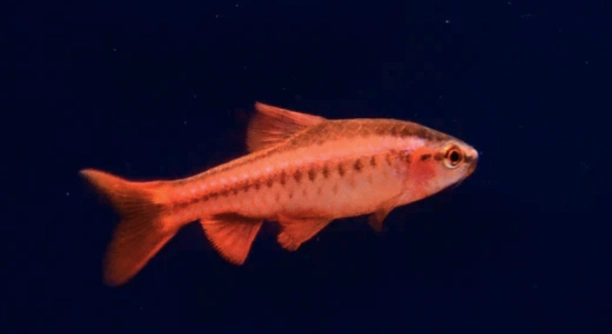
Cherry barbs are beautiful fish that thrive in clean water. Maintaining the right water quality is essential for their health and well-being. In this article, we will explore simple checks to ensure your cherry barb’s environment stays optimal.
To maintain healthy cherry barbs, check parameters like temperature, pH, ammonia levels, and water hardness regularly. Ensuring proper filtration, removing debris, and monitoring for diseases also contribute to maintaining the overall water quality in their tank.
Taking these easy steps will help your cherry barbs thrive. Keep reading for more details on maintaining the best water quality for them.
Temperature Control for Cherry Barbs
Maintaining the right temperature is essential for cherry barbs, as they are sensitive to extreme changes. Ideally, the water temperature should range between 72°F and 80°F (22°C to 27°C). If the water is too cold or too warm, it can stress the fish, leading to weakened immune systems and susceptibility to disease. It’s important to invest in a reliable aquarium heater to keep the water at a stable temperature. Be sure to regularly monitor the temperature with a thermometer placed in the tank.
Monitoring the temperature ensures your cherry barbs remain active and healthy. Keeping the tank within the ideal range helps avoid potential health problems like sluggishness or fin rot.
In addition to a heater, it’s important to check the location of the tank. Avoid placing it near heat sources or drafty windows, as these can cause sudden fluctuations. Sudden temperature shifts are particularly dangerous and can have a negative impact on your fish. Regularly check your thermometer and adjust the heater settings as needed to keep the environment stable.
pH and Ammonia Levels
The pH of the water is another key factor to consider. Cherry barbs prefer slightly acidic to neutral water, typically between 6.5 and 7.5. Keeping the pH in this range ensures that your fish feel comfortable and are not stressed by an overly acidic or alkaline environment.
Ammonia levels should always be kept at zero. Ammonia is toxic to fish and can lead to respiratory issues or even death. High ammonia levels are often a result of overfeeding or inadequate filtration. Use water testing kits to check both the pH and ammonia levels regularly.
Filtration and Water Movement
Good filtration is vital to keep your cherry barbs healthy. A filter helps remove waste, debris, and excess food from the water, ensuring a cleaner environment. A filter with adjustable flow allows you to control the water movement, which is important for delicate fish like cherry barbs.
When choosing a filter, pick one that matches the size of your tank. The filter should not create strong currents, as cherry barbs prefer calmer water. Too much movement can cause stress and affect their natural behavior. A sponge filter or a gentle power filter works well for these fish.
Check your filter regularly to ensure it’s working efficiently. Clean or replace filter media when needed to avoid clogging, which can cause poor water quality. Proper filtration reduces the chance of harmful substances accumulating, ensuring your fish stay healthy. Regular maintenance keeps the system running smoothly, helping to prevent ammonia buildup and other toxic substances from harming your cherry barbs.
Tank Cleanliness
Keeping the tank clean is an essential aspect of maintaining water quality. Regularly removing uneaten food and vacuuming the substrate helps prevent organic waste from decomposing in the water. This waste can raise ammonia levels and promote algae growth, which affects the overall water quality.
Perform water changes regularly, typically around 20% to 25% of the total volume each week. This helps dilute harmful substances like nitrates and keeps the water fresh. Using a gravel vacuum during water changes makes it easier to remove debris from the substrate.
Also, clean any decorations or plants in the tank. Algae can build up on surfaces, leading to lower oxygen levels and an unhealthy environment. Regular cleaning prevents these issues, ensuring a stable and safe home for your cherry barbs.
Water Hardness
The hardness of the water affects the overall health of your cherry barbs. These fish prefer moderately soft to hard water, with a general hardness (GH) between 8 to 12 dGH. Testing your water’s hardness regularly ensures your fish live in suitable conditions.
Soft water can cause stress, while hard water may lead to mineral imbalances. Both extremes can harm your fish’s health. To adjust water hardness, you can use products designed to raise or lower the mineral content. Be sure to make gradual adjustments, as sudden changes can be stressful for the fish.
Nitrite Levels
Nitrites are harmful to fish and should always be kept at zero. Nitrites can form during the nitrogen cycle and are toxic even in small amounts. They interfere with oxygen transport, causing stress and possibly death.
Test the water regularly to ensure nitrite levels are safe. If nitrites are present, perform immediate water changes to lower the levels. Increase filtration to aid in removing nitrites and prevent future spikes. Consistent monitoring is key to maintaining a healthy tank.
Regular Monitoring
To keep your cherry barbs healthy, regularly test the water for ammonia, nitrites, nitrates, pH, temperature, and hardness. This will help you detect potential problems early. Consistency is important for their well-being.
FAQ
What is the ideal water temperature for cherry barbs?
The ideal water temperature for cherry barbs is between 72°F and 80°F (22°C to 27°C). Keeping the water within this range ensures that they are comfortable and active. Too hot or too cold can stress the fish, weaken their immune systems, and make them more vulnerable to diseases. Using a reliable aquarium heater and thermometer will help maintain a consistent temperature. Avoid placing the tank near direct heat sources or drafty windows, as these can cause temperature fluctuations.
How often should I perform water changes for cherry barbs?
It’s best to perform water changes about 20-25% of the tank’s volume once a week. This helps keep the water clean and prevents harmful substances like nitrates from building up. Frequent water changes improve water quality and support the health of your cherry barbs. When doing water changes, use a gravel vacuum to remove any uneaten food or waste from the substrate. Clean decorations and plants as well to prevent algae buildup.
How do I know if my cherry barbs are stressed?
Stressed cherry barbs may display signs like erratic swimming, hiding, loss of color, or rapid gill movement. Stress can be caused by several factors, such as poor water quality, inappropriate tank mates, sudden temperature changes, or an inadequate environment. If you notice these behaviors, check the water parameters and make sure the tank is suitable for your fish. Addressing the cause of stress will help your cherry barbs recover and stay healthy.
Can I keep cherry barbs with other species?
Yes, cherry barbs are peaceful and can be kept with other community fish that share similar water requirements. Avoid keeping them with aggressive species or fish that are much larger. Tank mates such as guppies, tetras, and other small, peaceful fish are great choices. It’s important to ensure the tank provides enough space and hiding spots to reduce stress and potential conflicts.
What should I feed my cherry barbs?
Cherry barbs are omnivores and can be fed a balanced diet consisting of high-quality flake or pellet food. Supplement their diet with occasional live or frozen foods like daphnia, brine shrimp, or bloodworms. A varied diet helps ensure they get all the necessary nutrients for optimal health. Avoid overfeeding, as leftover food can degrade water quality, leading to health issues.
How can I prevent algae growth in the tank?
Algae growth can be controlled by maintaining good water quality and ensuring proper filtration. Regular water changes, cleaning decorations and plants, and controlling light exposure will help reduce algae. Avoid placing the tank in direct sunlight, as this can encourage algae growth. Adding algae-eating fish or snails can also help keep algae in check.
What type of filtration system is best for cherry barbs?
A gentle filter is best for cherry barbs, as they prefer calm water. Sponge filters or low-flow power filters are ideal because they provide adequate filtration without creating too much current. Make sure the filter is suitable for the size of your tank and that the water flow isn’t too strong, which could stress the fish. Clean or replace filter media regularly to maintain good water quality.
How do I adjust water hardness for cherry barbs?
Cherry barbs prefer moderately soft to hard water, with a general hardness (GH) between 8 to 12 dGH. If your water is too soft, you can add a water hardness booster or minerals to increase the hardness. If the water is too hard, use a water softener to reduce the mineral content. Make any changes gradually to avoid stressing your fish, and test the water regularly to ensure it remains within the ideal range.
How can I tell if my cherry barbs are breeding?
When cherry barbs are ready to breed, the males will display more vibrant colors, and you may see them chasing the females. During breeding, the females will lay eggs on plants or other surfaces in the tank. The males will fertilize the eggs, and the fertilized eggs will hatch after a few days. If you want to ensure successful breeding, provide plenty of plants for hiding places and a separate breeding tank to protect the eggs from other fish.
Can cherry barbs live with snails?
Yes, cherry barbs generally do well with snails. Snails can help keep the tank clean by eating algae and leftover food, without posing a threat to the barbs. However, make sure that the snails you introduce are compatible with the barbs and won’t be harmed. Avoid species of snails that may reproduce rapidly and overpopulate the tank.
Are cherry barbs easy to care for?
Cherry barbs are relatively easy to care for, as long as their basic needs—such as water quality, temperature, and diet—are met. They are hardy fish that adapt well to most water conditions within their ideal range. Regular water changes, proper filtration, and feeding are key to keeping them healthy. They are also peaceful and easy to pair with other community fish, making them a great choice for beginners.
Final Thoughts
Cherry barbs are a great choice for aquarium hobbyists who want a peaceful, colorful, and low-maintenance fish. With their vibrant red colors and small size, they add a lot of beauty to any tank. These fish are adaptable to various water conditions, making them ideal for both beginners and experienced aquarists. They thrive in tanks with proper filtration, water quality, and a suitable temperature range. By understanding their needs and ensuring a stable environment, you can enjoy their company for many years.
Water quality is key to keeping cherry barbs healthy. Regular testing and monitoring of factors like ammonia, nitrites, nitrates, and pH will help you avoid potential problems. In addition to water tests, routine water changes and tank cleaning are essential for maintaining a clean environment. Proper filtration, along with gentle water movement, is also crucial for these delicate fish. Once you’ve established a routine for tank care, your cherry barbs will flourish and show their true colors.
While cherry barbs are easy to care for, it’s important to be mindful of their environment. They do well in community tanks with other peaceful fish but should be kept away from aggressive species. Their peaceful nature means they won’t compete for food or space, but they do need a healthy balance in their tank. By providing them with a stable and clean environment, proper feeding, and good tank mates, you can ensure that your cherry barbs live long, healthy lives.

Hello,
If you enjoy the content that we create, please consider saying a "Thank You!" by leaving a tip.
Every little bit helps us continue crafting quality advice that supports the health, happiness, and well-being of pets around the world, for pets of all shapes, sizes, and species.
We really appreciate the kindness and support that you show us!