
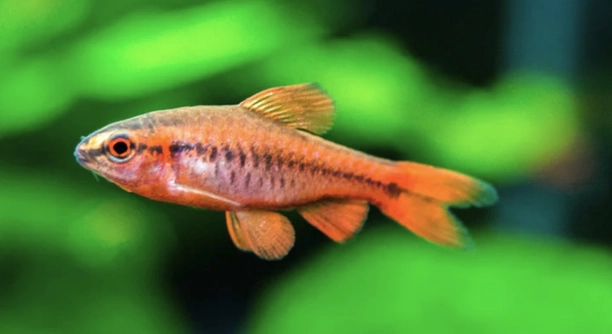
Cherry barbs are popular aquarium fish known for their peaceful nature and vibrant color. However, like all creatures, they react to changes in their environment. Understanding how they adapt to routine changes is important for their well-being.
Cherry barbs are sensitive to alterations in their daily environment. Changes in water quality, feeding schedules, and lighting can cause them stress. These changes can affect their behavior, including feeding habits, activity levels, and interactions with other fish.
Changes in routine affect cherry barbs in several ways. Adjustments to their environment may lead to stress or changes in their behavior, which requires close attention to ensure their health and comfort.
How Cherry Barbs Respond to Changes in Water Quality
Water quality is crucial for cherry barbs. They are particularly sensitive to fluctuations in parameters like pH, temperature, and ammonia levels. When there are changes, even small ones, cherry barbs might show signs of stress. You might notice them swimming erratically or hiding more than usual. These behaviors are often a direct response to the discomfort caused by poor water quality. Regular monitoring and maintaining stable conditions will help reduce stress and ensure they remain healthy.
When water quality changes, cherry barbs’ immune systems weaken, making them more susceptible to diseases. They may become lethargic or show signs of discoloration. Immediate action should be taken if water conditions fluctuate dramatically.
Maintaining a consistent environment for cherry barbs is essential. They thrive in stable water conditions and react negatively to even minor shifts. Ensuring that the water is filtered correctly and checking the water parameters regularly can prevent these issues. If changes are necessary, it’s best to do so gradually. A sudden shift in water quality can lead to unnecessary stress, affecting their health in the long term.
The Impact of Lighting Changes on Cherry Barbs
Lighting affects the behavior of cherry barbs, especially when there is a significant change. They are typically most active in natural daylight and may struggle with artificial light.
Cherry barbs may adjust to changes in lighting by altering their feeding times or activity levels. Bright lights can cause them stress, while dim lights may make them more relaxed. Gradually changing the light intensity can help them adapt without discomfort.
Feeding Schedule Changes and Cherry Barbs
When the feeding schedule changes, cherry barbs might react by becoming more or less active. If they are fed at irregular times, they may become stressed or less enthusiastic about eating. This can lead to decreased appetite or digestive problems over time.
It’s important to maintain a consistent feeding schedule for cherry barbs. If the schedule is disrupted, it can cause confusion or anxiety in the fish. Over time, this can lead to them refusing food or becoming lethargic. They are more comfortable with a predictable routine. A stable feeding time helps them feel secure and reduces stress.
Cherry barbs have a sensitive digestion system. Changes in the feeding schedule can disrupt their eating habits. They may stop eating regularly, which affects their health. Ensuring a consistent feeding routine, with the same amount of food at the same time each day, helps maintain their health and happiness.
Temperature Fluctuations and Cherry Barbs
Temperature changes can cause significant stress to cherry barbs. Sudden shifts in water temperature, whether hot or cold, can cause physical and behavioral stress.
When the water temperature fluctuates, cherry barbs might exhibit unusual behaviors, like hiding or becoming more sluggish. These changes can affect their immune systems and overall well-being. Ensuring the water stays within a comfortable range is key to their health. An aquarium heater with a reliable thermometer can help regulate temperature and prevent sudden changes.
New Tank Mates and Cherry Barbs
Introducing new tank mates can cause stress for cherry barbs. They are typically peaceful but may become territorial or skittish when other fish are added to the tank. They may try to hide or swim away from the new arrivals.
The presence of new tank mates can disrupt the established social structure of the aquarium. Cherry barbs may initially avoid the new fish, which can lead to stress. Allowing time for gradual introductions helps reduce tension. Placing new fish in a separate quarantine tank before fully introducing them can also ease the transition.
Feeding Habits After Routine Changes
After a change in their routine, cherry barbs may struggle to adjust their feeding habits. They might initially refuse food, which can cause concern.
If the feeding schedule changes, it can take a few days for cherry barbs to get back to their regular feeding habits. Gradual adjustments to feeding times or amounts can help them transition without stress. Always monitor their eating behavior to ensure they are getting enough food.
FAQ
How long does it take for cherry barbs to adjust to a new routine?
Cherry barbs can take anywhere from a few days to a couple of weeks to adjust to a new routine. The time it takes depends on the severity of the change. Smaller changes, like adjusting feeding times by an hour or so, may take only a few days. Larger changes, such as introducing new tank mates or altering water conditions, can take longer. It’s important to monitor their behavior closely during this period. If stress signs continue beyond two weeks, it may be necessary to reassess the changes made and slow the process down.
What signs indicate that my cherry barbs are stressed?
Stress in cherry barbs often manifests in several ways. The most common signs include erratic swimming, hiding, loss of appetite, or a change in color. Stress can also cause them to become lethargic or avoid other fish. In more extreme cases, you might notice physical signs like clamped fins or frayed fins, which indicate that the fish are struggling to cope with changes in their environment. If you notice these symptoms, it’s important to check the water conditions and feeding schedule immediately to rule out environmental factors.
Can cherry barbs recover from stress?
Yes, cherry barbs can recover from stress, but it depends on the severity and duration of the stress. If the cause of the stress is addressed, such as improving water quality or reintroducing a regular feeding schedule, most cherry barbs will bounce back within a few days. However, prolonged stress can weaken their immune systems, making them more susceptible to illness. In severe cases, the recovery process can be slower and may require more proactive measures, such as isolating stressed fish or adjusting the tank environment further.
Do cherry barbs need a lot of space?
While cherry barbs are small, they do appreciate having plenty of space to swim. A tank size of at least 20 gallons is ideal for a small group of cherry barbs, as this allows them to establish territories and feel secure. Overcrowding can lead to increased stress and aggression, especially if the fish are kept with less peaceful species. A larger tank also helps maintain more stable water conditions, which is important for the overall well-being of the fish. It’s essential to maintain a balance between tank size and the number of fish in the aquarium.
How can I tell if my cherry barbs are eating enough?
Cherry barbs are relatively easy to feed, but it’s important to ensure they’re getting enough food. If your cherry barbs are not eating enough, they may appear thin, sluggish, or their fins may appear clamped. Healthy cherry barbs should actively swim towards food and consume it within a few minutes. Overfeeding can lead to uneaten food sinking to the bottom, which can alter water quality, so it’s important to monitor how much they’re eating. Feeding small amounts several times a day can help avoid overfeeding while ensuring they get the nutrients they need.
How do I adjust the water temperature for my cherry barbs?
The ideal water temperature for cherry barbs is between 75°F and 80°F (24°C to 27°C). Sudden changes in temperature can stress them out. If you need to raise or lower the water temperature, do so gradually, not by more than 1-2°F per day. A reliable aquarium heater with a built-in thermometer can help maintain a steady temperature. Avoid placing the tank near windows or areas with direct sunlight to prevent temperature fluctuations. If you notice that the water temperature is too high or low, take immediate steps to adjust it slowly and monitor the fish’s behavior during the transition.
Do cherry barbs get along with other fish?
Cherry barbs are peaceful fish, and they generally get along well with most other non-aggressive species. They do best in a community tank with other peaceful fish like tetras, rasboras, and gouramis. However, they may become stressed or territorial if housed with overly aggressive fish. Keeping the tank well-planted and providing plenty of hiding spots can help reduce aggression. It’s also important to avoid overcrowding the tank, as too many fish in a confined space can cause stress and competition for resources. If you notice aggression, consider rearranging the tank or separating aggressive fish.
Can cherry barbs breed in an aquarium?
Yes, cherry barbs can breed in an aquarium. However, breeding them requires specific conditions. The female cherry barb will lay eggs in fine-leaved plants, and the male will fertilize them. After the eggs are laid, the adult fish should be removed from the breeding tank, as they may eat the eggs. The eggs typically hatch in about 24-36 hours, and the fry can be fed baby brine shrimp or finely crushed fish food once they are free-swimming. Maintaining optimal water conditions and a stable temperature is essential for successful breeding.
What should I do if my cherry barbs stop eating?
If your cherry barbs stop eating, it could be a sign of stress, illness, or water quality issues. First, check the water parameters to ensure everything is within the appropriate range. If the water quality is fine, observe if there are any signs of aggression from other fish or if the food you’re providing is appropriate. Try offering a variety of foods, such as flakes, pellets, or live food, to see if they’re more attracted to a different type of food. If they continue to refuse food, it may be necessary to consult a vet or aquarium expert to determine the cause.
How can I reduce stress in cherry barbs when introducing new fish?
Introducing new fish can cause stress for all aquarium inhabitants, including cherry barbs. To reduce stress, quarantine the new fish in a separate tank for at least two weeks before introducing them to the main tank. This helps prevent the spread of diseases and gives the cherry barbs time to adjust to the idea of new tank mates. When introducing new fish, do so slowly and gradually, allowing the cherry barbs to observe from a safe distance before direct interaction. Keeping the tank well-planted with plenty of hiding spots also helps reduce stress during the transition.
Final Thoughts
Cherry barbs are generally hardy fish, but they can be sensitive to changes in their environment. Routine adjustments, like changes in feeding schedules, tank mates, or water conditions, can cause them stress. Stress signs in cherry barbs include loss of appetite, erratic swimming, or hiding, and it’s important to address these changes gradually. By observing their behavior closely, you can determine what works best for them and make sure they stay healthy and happy. A slow, methodical approach to changes helps reduce stress and makes it easier for cherry barbs to adjust to their new routines.
Providing an environment that mimics their natural habitat is key to keeping cherry barbs healthy. Keeping the tank well-planted with plenty of hiding spots will give them a sense of security. Water quality is essential, so regular testing for ammonia, nitrites, and nitrates, along with maintaining stable temperature levels, is important. These factors can influence how cherry barbs respond to changes in their routine. Ensuring their surroundings are peaceful and stable helps maintain their overall well-being and reduces the likelihood of stress-related issues.
With a little care and attention, cherry barbs can thrive in various tank setups. By understanding their behavior and how they respond to changes, you can ensure they remain a peaceful and vibrant part of your aquarium. Their adaptability is one of their strongest traits, but it’s important to introduce any changes slowly and with consideration for their needs. Whether it’s adjusting feeding times or adding new tank mates, a thoughtful approach will allow cherry barbs to adjust smoothly and stay healthy over time.

Hello,
If you enjoy the content that we create, please consider saying a "Thank You!" by leaving a tip.
Every little bit helps us continue crafting quality advice that supports the health, happiness, and well-being of pets around the world, for pets of all shapes, sizes, and species.
We really appreciate the kindness and support that you show us!