
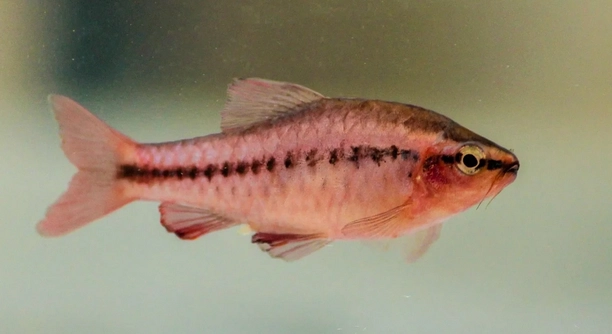
Cherry barbs are popular aquarium fish known for their peaceful nature. Providing the right water conditions is essential for their well-being. Whether filtered or still water is best for them can influence their overall health and behavior.
Cherry barbs thrive in clean, well-maintained water, and they tend to prefer slightly filtered water. A gentle filtration system helps maintain water quality, preventing debris buildup, while still water may cause stagnant conditions that lead to poor health.
Understanding the water conditions that benefit your cherry barbs can help ensure they stay healthy and active.
The Importance of Clean Water for Cherry Barbs
Cherry barbs thrive in well-maintained environments. Proper filtration plays a significant role in providing clean water. A reliable filter helps to keep the water oxygenated and free from harmful waste. Over time, waste and leftover food can accumulate in the tank. This debris can cause water quality to drop, potentially harming your fish. By using a gentle filter, you can prevent such issues, keeping the water fresh and your cherry barbs healthy. Stagnant, unfiltered water, on the other hand, leads to poor oxygen levels and an increase in harmful bacteria, which can result in stress or illness for your fish.
A gentle filtration system ensures that the tank remains clean and the water stays balanced. Without it, the aquarium becomes prone to dangerous buildups of waste.
Cherry barbs are especially sensitive to poor water quality. If the water conditions are right, they remain active and colorful. Clean water prevents diseases and encourages natural behaviors like schooling and foraging. Regular water changes also help keep them healthy. In addition to proper filtration, maintaining the right temperature and pH balance is crucial to their health.
How Much Filtration Is Needed?
It’s important to find a balance when it comes to filtration. Too much flow can stress your fish, while too little can allow waste to build up.
In general, cherry barbs prefer a mild current. Overly strong filters can disrupt their natural swimming patterns and cause unnecessary stress. The flow should mimic their natural environment—gentle enough for them to move comfortably while maintaining water quality. If the filter is too powerful, you may notice your cherry barbs staying near the tank’s edges to avoid the current. Using adjustable filters can help you control the flow. Adjusting the filter strength ensures that it meets the needs of your fish without overwhelming them.
Benefits of Filtered Water
Filtered water helps maintain the right balance of oxygen and waste levels in the tank. This contributes to the overall well-being of cherry barbs. A steady water flow keeps the tank clean and reduces the risk of harmful bacteria. The fish thrive in a stable environment with constant water circulation.
The consistent movement of filtered water is essential to prevent stagnation. Still water can lead to the growth of algae and debris, which harms the tank’s ecosystem. Cherry barbs are less likely to experience stress or illness in a filtered environment. With clean, fresh water, they can swim freely and maintain a healthy lifestyle.
Maintaining water quality is crucial for their long-term health. Regular water changes and using a filter that mimics natural water flow contribute to an ideal living space for your cherry barbs. A good filtration system should be paired with proper tank maintenance for optimal results.
Impact of Still Water
Still water can be detrimental to the health of cherry barbs. Without proper circulation, harmful substances accumulate, which can affect the fish’s health.
Stagnant water can lead to poor oxygen exchange, causing the tank’s environment to become unsafe for your cherry barbs. When water does not move, toxins from waste and uneaten food settle, making it difficult for your fish to thrive. Still water often results in lower water quality, which can increase stress and the likelihood of illness. Regular maintenance, like water changes and cleaning, becomes even more important in still environments.
While some fish prefer calm water, cherry barbs need a certain level of water movement for both oxygenation and waste removal. Even a gentle filter can ensure the water remains healthy and allows the cherry barbs to stay active.
Choosing the Right Filter for Cherry Barbs
Selecting the right filter is key to maintaining healthy water for cherry barbs. A gentle filter that doesn’t produce too much current is ideal. Strong currents can stress the fish and disrupt their behavior. Aim for a filter with adjustable flow settings to cater to their needs.
The filter should also be capable of removing debris without disturbing the tank too much. Look for filters designed specifically for smaller fish, as they will be more appropriate for the size of a cherry barb’s tank. Regular maintenance and filter changes will ensure the water remains clean and healthy.
Temperature and pH Levels
Cherry barbs prefer stable water temperatures between 74°F and 80°F (23°C – 27°C) and a slightly acidic to neutral pH of 6.0 to 7.5. Maintaining these parameters is essential for their comfort and health.
A good filter system helps regulate water temperature and removes excess organic matter, which could otherwise affect the pH balance. Consistent monitoring of both temperature and pH will prevent fluctuations that could stress your fish. Use a reliable heater to maintain the ideal water temperature, and consider using a pH testing kit to ensure the tank remains in the preferred range.
Regular Water Changes
Changing the water regularly is essential for keeping the tank healthy. Even with a filter, water changes are necessary to prevent the buildup of harmful substances.
A weekly water change of around 25% is recommended. This helps remove any excess waste and keeps the water clean and oxygenated. When performing a water change, be sure to use a water conditioner to neutralize any chlorine or chloramine in tap water, ensuring a safe environment for your cherry barbs.
FAQ
Do cherry barbs need a filter?
Yes, cherry barbs do need a filter. While they can survive without one for a short period, a filter helps maintain the water’s cleanliness and oxygen levels. Filters keep the water from becoming stagnant and help remove excess waste and debris. Without a filter, the water quality can deteriorate quickly, leading to stress and potential health problems for your fish. A gentle filter is best to avoid strong currents, which can be stressful for cherry barbs. Regular maintenance and water changes are also crucial to maintaining a healthy tank.
How often should I clean my cherry barb tank?
You should clean your cherry barb tank regularly to maintain water quality. A good routine includes a 25% water change once a week. This removes waste and prevents any harmful substances from building up. In addition to water changes, you should clean the substrate and decorations in the tank. A gentle gravel vacuum can help remove debris from the substrate without disturbing the fish. It’s also important to clean the filter every month to ensure it’s working properly, but avoid cleaning it too often to maintain beneficial bacteria.
Can cherry barbs live in still water?
Cherry barbs are better suited to water with gentle filtration rather than still water. While they can survive in still water for a short time, this can cause problems like poor oxygen exchange and the buildup of waste. A lack of water movement can lead to stagnant conditions, which are unhealthy for your fish. Filters provide constant water circulation, keeping the water fresh and oxygenated. Cherry barbs do better in environments where the water is slightly moving, ensuring they stay healthy and active.
What water temperature is best for cherry barbs?
Cherry barbs prefer water temperatures between 74°F and 80°F (23°C – 27°C). Keeping the water within this range will help your fish remain healthy and active. Temperatures outside of this range can stress the fish and lead to health problems. Use a reliable aquarium heater to maintain a stable temperature, especially during cooler months. Sudden temperature fluctuations can be harmful, so it’s important to monitor the tank’s temperature regularly. A thermometer placed inside the tank helps ensure the water stays within the preferred range.
What pH is ideal for cherry barbs?
Cherry barbs prefer a slightly acidic to neutral pH level between 6.0 and 7.5. Maintaining this range helps them thrive and reduces the risk of stress or illness. If the pH levels are too high or too low, it can cause problems like poor growth or even death. To maintain the right pH, test the water regularly using a pH testing kit. If the pH is off, there are pH-adjusting products available that can help bring the levels back to normal. Consistency is key to their health, so avoid sudden changes in pH.
Can cherry barbs live with other fish?
Cherry barbs are peaceful fish and can live with a variety of other species. They are best kept with other small, non-aggressive fish. Avoid housing them with large, predatory fish that could harm them. Good tankmates for cherry barbs include tetras, rasboras, and peaceful livebearers. When choosing tankmates, it’s important to consider the size and temperament of the other fish. Cherry barbs do well in community tanks, especially if they are kept with other peaceful species that have similar water requirements.
How many cherry barbs should be kept together?
Cherry barbs are social fish and prefer to be kept in groups. It’s best to have at least six cherry barbs in a tank to allow them to exhibit natural behaviors like schooling. Keeping them in groups reduces stress and encourages healthy interactions. A larger school also allows for more social structure, which helps prevent any one fish from becoming too dominant or stressed. If you have a smaller tank, make sure the group is still large enough to meet the social needs of the fish.
Do cherry barbs eat live plants?
Cherry barbs are generally peaceful with plants and do not typically eat live plants. However, they may nibble on soft or delicate plants if they are hungry or stressed. Providing a well-balanced diet can reduce the likelihood of plant-eating behavior. Cherry barbs will appreciate plants that provide hiding spots or places to swim through. Hardy plants like Anubias, Java Fern, and Cryptocoryne are great choices for their tank. These plants are robust and can handle a bit of nibbling, but they also enhance the tank’s aesthetics and provide the fish with cover.
What should I feed my cherry barbs?
Cherry barbs are omnivores and need a varied diet to stay healthy. Their diet should consist of high-quality flake food, supplemented with frozen or live foods such as brine shrimp or bloodworms. Offering a variety of foods ensures they get the necessary nutrients for their growth and coloration. They also enjoy plant matter, so you can occasionally provide them with blanched vegetables like zucchini or spinach. Feeding small amounts several times a day is better than giving large amounts once, as this mimics their natural feeding patterns.
How can I tell if my cherry barbs are stressed?
Signs of stress in cherry barbs include rapid swimming, staying at the tank’s surface, or hiding in corners. They may also stop eating or show changes in coloration. If your cherry barbs are stressed, check for environmental factors like poor water quality, inappropriate temperature, or incompatible tankmates. Stress can weaken their immune system, making them more susceptible to diseases. It’s important to address any issues as soon as possible to prevent further harm to the fish. Regular water testing and tank maintenance can help keep the environment stable and reduce stress.
Final Thoughts
Caring for cherry barbs involves more than just providing the right tank setup. These small, peaceful fish thrive in stable environments where their water conditions are closely monitored. Ensuring that the water temperature, pH, and filtration are appropriate is key to maintaining their health. Regular maintenance, such as water changes and filter cleaning, helps create a balanced environment for the fish. By paying attention to these details, you can create an optimal habitat that will support your cherry barbs for years to come.
While cherry barbs are relatively easy to care for, they are still sensitive to changes in their environment. Sudden temperature fluctuations or poor water quality can cause stress and affect their health. It’s essential to stick to a regular routine of water testing and cleaning to keep their tank in optimal condition. A well-maintained aquarium will not only benefit the fish but also make your tank more visually appealing. Healthy, active cherry barbs will add color and liveliness to your home.
In conclusion, cherry barbs are an excellent choice for aquarium hobbyists looking for peaceful, vibrant fish. They adapt well to community tanks and are easy to care for when their environment is stable. With the proper care, cherry barbs can live long, happy lives in your aquarium. Whether you’re a beginner or experienced aquarist, they are a rewarding fish to keep. Regular monitoring and routine tank maintenance will ensure that your cherry barbs thrive in a healthy and thriving environment.

Hello,
If you enjoy the content that we create, please consider saying a "Thank You!" by leaving a tip.
Every little bit helps us continue crafting quality advice that supports the health, happiness, and well-being of pets around the world, for pets of all shapes, sizes, and species.
We really appreciate the kindness and support that you show us!