
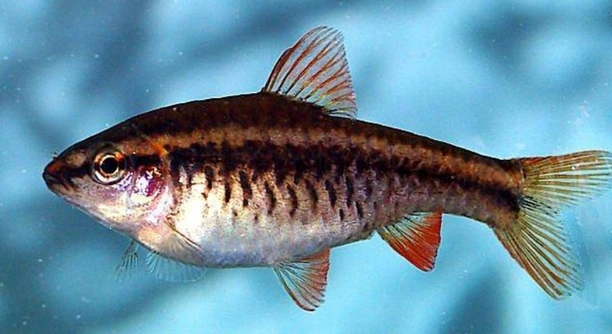
Cherry barbs are a popular fish species among aquarists, and many are eager to breed them in their home tanks. Understanding the factors that encourage breeding can help ensure success. Several aspects of their care and environment are crucial to achieving this goal.
To encourage cherry barbs to breed, it is important to maintain the proper water conditions, such as temperature, pH, and water hardness. Providing a nutritious diet, maintaining a stress-free environment, and offering suitable breeding sites also play a significant role in their reproductive success.
Understanding these factors will increase your chances of successfully breeding cherry barbs and help you create an ideal environment for their growth.
Water Temperature and Conditions
Maintaining the correct water temperature is essential for breeding cherry barbs. They thrive in slightly warmer water, typically between 74°F and 80°F (23°C to 27°C). Water temperature plays a key role in stimulating breeding behavior. If the water is too cold, cherry barbs may become inactive and refuse to breed. Conversely, if it’s too hot, the stress can prevent successful spawning. Proper water conditions, including stable pH levels around 6.5 to 7.5 and moderate water hardness, are equally important. Make sure to regularly test the water and adjust as needed to keep the environment stable.
Keeping the water clean and free from pollutants is equally important for ensuring the health of the cherry barbs. Regular water changes help maintain water quality, reducing the chances of disease or stress. You should aim to change 25-30% of the water each week to keep the tank clean and free of harmful chemicals that could inhibit breeding.
In addition, consider adding a filtration system that helps remove debris from the water. Proper filtration keeps the tank’s water oxygenated and promotes a healthier environment, which can encourage breeding behavior. Make sure to adjust the filter’s flow rate to avoid stressing the fish. Excessive water movement can deter cherry barbs from breeding.
Diet and Nutrition
Feeding cherry barbs a balanced diet encourages them to breed. They require a mix of high-quality flake food, live foods like brine shrimp, and frozen foods. A varied diet ensures they receive the necessary nutrients to promote reproductive health. Proper nutrition can also prevent common health issues that may affect breeding.
High-protein foods, such as bloodworms or daphnia, are particularly beneficial for cherry barbs when breeding. These foods provide the essential nutrients that help the fish build up energy for spawning. Additionally, live foods mimic the fish’s natural diet, stimulating their instinct to reproduce. Offering them a well-rounded diet is crucial for ensuring they have the strength and health needed for breeding.
Moreover, be mindful of portion sizes. Overfeeding can lead to poor water quality, which, as previously mentioned, can hinder breeding attempts. Provide enough food to keep your cherry barbs healthy without overfilling the tank. The key is to offer a variety of foods in moderation, focusing on live or frozen items that add nutritional value.
Reducing Stress
Stress is a significant factor that can interfere with cherry barbs’ breeding attempts. Creating a peaceful environment in your tank is vital to ensuring the fish feel comfortable enough to spawn. Avoid placing other aggressive or larger fish species in the same tank as your cherry barbs. Aggressive tankmates can cause stress, making it difficult for the fish to breed.
It is also important to ensure that the tank is adequately planted. Providing hiding spaces like dense plants or small caves can help reduce stress by giving the fish a place to retreat if they feel threatened. A well-planted tank also mimics the natural environment of cherry barbs, giving them more opportunities to find secluded areas where they can breed.
A calm environment can be achieved by limiting sudden changes in the tank, such as abrupt movements or loud noises. Additionally, dimming the lights in the tank during breeding attempts can encourage a more relaxed atmosphere. By minimizing stressors, you help your cherry barbs feel more secure and ready to reproduce.
Suitable Breeding Tank Setup
The breeding tank should mimic the conditions found in their natural habitat. Keep the tank size moderate, as a small tank helps encourage breeding. Ensure plenty of plants for cover, along with soft substrate that allows the eggs to settle. A separate breeding tank can provide an undisturbed environment for spawning.
Using a separate breeding tank is ideal as it gives cherry barbs the privacy and space they need. Keep the tank’s water temperature slightly higher than the main tank, about 78°F (25.5°C). Lightly filter the water to maintain cleanliness, but avoid strong currents. Keep decorations minimal to prevent hiding spots for aggressive behaviors.
Adding soft, fine-leaved plants like Java moss gives the cherry barbs a suitable place to lay eggs. Java moss also encourages natural behaviors, as the fish can swim and interact with the plants without stress. You may need to remove the parents after spawning to protect the eggs from being eaten.
Encouraging Mating Behavior
To stimulate mating behavior, try simulating rainy season conditions. Gradually increase water temperature over a period of days to mimic seasonal changes. This method signals to the fish that it’s time to breed. A gentle rise in temperature triggers natural spawning instincts in cherry barbs.
Creating a more natural setting is crucial for inducing breeding. Mimicking environmental changes in the tank, such as adjusting water hardness and slightly altering the pH level, can also encourage mating behavior. A slow increase in water temperature should not be abrupt, as sudden changes can stress the fish and disrupt natural processes.
A slight increase in light intensity can also encourage breeding, especially if timed with the water temperature adjustments. This mimics the changing daylight hours that cherry barbs would experience in the wild during their breeding season. Such environmental cues lead the fish to feel it is time to reproduce.
Spawning Behavior
Once conditions are right, cherry barbs display courtship behavior. The male will chase the female and perform a series of dances to attract her. This includes swimming in circles and displaying bright colors. The male may also nudge the female gently to encourage her to spawn.
During this courtship, the female often selects a suitable spot to deposit her eggs. The male fertilizes them as they are laid. The entire process is usually quick, with the eggs hidden in plants or on the substrate. After spawning, the parents should be removed to avoid egg predation.
Post-Spawning Care
After the eggs are fertilized, it’s essential to ensure the proper care of the eggs. The tank should remain undisturbed for a few days to allow the eggs to hatch. Keep the water clean but avoid excessive disturbance, which could lead to harm to the fragile eggs or newly hatched fry.
When the fry hatch, they will be very small and rely on their yolk sacs for nourishment initially. Offer fine, nutritious food, like infusoria or liquid fry food, to help them grow. Maintain stable water conditions to support their development.
Water Changes and Cleanliness
Water changes are essential for maintaining a healthy tank, especially after spawning. Regular water changes help to keep ammonia and nitrites low, which is important for the health of the eggs and fry. Make sure the water is conditioned before adding it to the tank.
A good practice is to change 25-30% of the water every 3-4 days, ensuring it matches the temperature and pH of the tank. Clean the substrate gently to avoid disturbing the eggs or young fry. Remove any uneaten food promptly to prevent water contamination and maintain a healthy environment.
FAQ
What should the water temperature be to encourage breeding?
The ideal water temperature for cherry barbs to breed is between 74°F and 80°F (23°C to 27°C). Keeping the water within this range mimics their natural environment and helps stimulate their breeding instincts. Avoid drastic changes in temperature, as this can cause stress and prevent breeding.
How can I know when my cherry barbs are ready to breed?
When cherry barbs are ready to breed, the males typically display more vibrant colors, especially red hues on their fins. They may begin chasing the females and performing mating dances. The females will appear fuller with eggs, which indicates they are ready for fertilization.
Do I need a separate breeding tank for cherry barbs?
While it’s not strictly necessary, a separate breeding tank can improve breeding success. This gives the fish privacy and a controlled environment where they are less likely to be disturbed by other tankmates. It also helps protect the eggs from being eaten by the parents or other fish.
How can I encourage cherry barbs to breed?
To encourage cherry barbs to breed, ensure stable water conditions, provide a nutritious diet, and mimic the rainy season by gradually raising the water temperature. Adding fine-leaved plants like Java moss can also give the fish a suitable place to spawn. Reducing stress and ensuring the tank is calm are equally important.
What type of plants should I add for breeding?
For breeding, soft, fine-leaved plants like Java moss or water sprites are ideal. These plants provide a safe space for the eggs to settle and protect them from being eaten by the parents. Java moss is particularly useful as it mimics the natural habitat of cherry barbs and encourages natural behaviors.
How often should I change the water during the breeding process?
Regular water changes are essential to maintain water quality during breeding. It’s recommended to change about 25-30% of the water every week. Be sure to match the temperature and pH of the new water to avoid shocking the fish. Clean the tank regularly but avoid disturbing the eggs or fry.
Can I leave the parents in the tank after breeding?
It is generally recommended to remove the parents after spawning, as they may eat the eggs or newly hatched fry. Once the eggs are fertilized, the parents’ role is complete. By removing them, you protect the eggs and ensure the fry have the best chance of survival.
How long does it take for cherry barb eggs to hatch?
Cherry barb eggs typically hatch within 24-48 hours, depending on water temperature. The warmer the water, the quicker the eggs will hatch. After hatching, the fry will rely on their yolk sacs for nutrition for the first few days before transitioning to external food sources.
What should I feed cherry barb fry?
Cherry barb fry need a very fine, nutritious diet when they first hatch. Start by offering infusoria or liquid fry food, which is small enough for the fry to eat. As they grow, you can begin feeding them finely crushed flakes or live foods like brine shrimp.
How do I maintain a stress-free environment for cherry barbs?
A stress-free environment is vital for encouraging breeding. Avoid placing aggressive tankmates with cherry barbs, as this can cause unnecessary stress. Provide plenty of hiding spots using plants or decorations. Keep the tank quiet and avoid sudden movements or loud noises around the tank.
Can I use a heater in the tank for breeding?
Yes, a heater is often necessary to maintain a stable temperature in the tank, especially when breeding cherry barbs. Ensure the heater is set to the appropriate temperature, usually between 74°F and 80°F. Use a thermometer to monitor the water temperature regularly to avoid fluctuations that could stress the fish.
How do I prevent overfeeding in the breeding tank?
Overfeeding can lead to poor water quality, which can harm the fish and disrupt the breeding process. Feed your cherry barbs small amounts of food that they can consume in a few minutes, and remove any uneaten food promptly. A good feeding schedule helps prevent overfeeding and maintains water quality.
Should I add any special lighting for breeding?
Cherry barbs don’t require special lighting for breeding, but adjusting the light intensity can encourage mating behavior. Dim the lights slightly during the breeding process, as this can create a more natural and calm environment for the fish. Ensure the lighting mimics the natural light cycles of their habitat.
What happens if my cherry barbs don’t breed?
If your cherry barbs don’t breed, it could be due to stress, improper water conditions, or insufficient nutrition. Ensure the water temperature, pH, and hardness are within the ideal range. Also, make sure they’re receiving a varied and nutritious diet. Sometimes it can take time for fish to adjust before breeding.
Do cherry barbs breed all year round?
Cherry barbs don’t breed year-round. They are more likely to breed during the warmer months, which in the wild coincides with the rainy season. Mimicking this by gradually raising the water temperature can help induce breeding. However, breeding can still happen at other times if conditions are right.
Final Thoughts
Breeding cherry barbs can be a rewarding experience when the right conditions are provided. By maintaining stable water parameters, such as temperature and pH, and ensuring a stress-free environment, you increase the likelihood of successful breeding. A carefully monitored tank with the appropriate plants for egg laying also supports the overall process. Providing a nutritious diet helps both the parents and the fry, ensuring that the fish are healthy and ready to spawn. If these basics are followed, cherry barbs will often breed with little intervention needed.
It is also important to consider the specific needs of both the adults and the fry. Once the eggs are fertilized, removing the adult fish can prevent them from eating the eggs or newly hatched fry. The fry require special care, such as feeding them fine, nutrient-rich foods until they grow large enough to eat larger offerings. Keeping the water quality high by performing regular water changes will also aid in the fry’s survival. By understanding the breeding habits and needs of cherry barbs, you can create an ideal environment for them to thrive.
Breeding cherry barbs requires patience and attention to detail, but it can be a fulfilling experience. As with any breeding process, the key is ensuring the fish feel safe and are provided with the proper environment to reproduce. With careful planning and consistent care, you can watch these beautiful fish thrive in your tank, continuing to breed for years to come.

Hello,
If you enjoy the content that we create, please consider saying a "Thank You!" by leaving a tip.
Every little bit helps us continue crafting quality advice that supports the health, happiness, and well-being of pets around the world, for pets of all shapes, sizes, and species.
We really appreciate the kindness and support that you show us!