
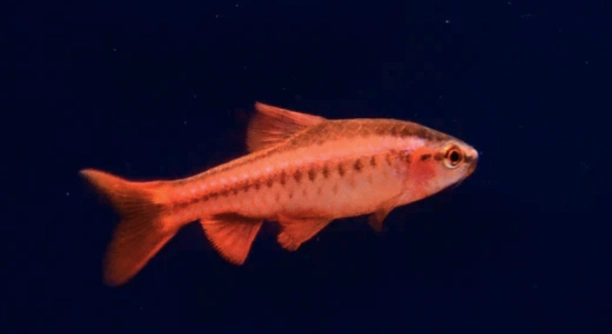
Are your cherry barbs looking duller than usual, leaving you wondering if there’s a natural way to boost their color? These peaceful fish can brighten up, but they need the right care to shine.
Improving cherry barb color naturally involves optimizing their environment, feeding them a nutrient-rich diet, and reducing stress. Consistent water quality, proper tank setup, and targeted nutrition support healthy pigmentation without artificial additives or supplements.
Natural methods not only bring out vibrant colors but also promote your cherry barbs’ overall well-being in the long run.
Feed High-Quality, Color-Enhancing Foods
The food you give your cherry barbs plays a major role in their coloring. High-quality, color-enhancing options like spirulina flakes, brine shrimp, and bloodworms can make a visible difference. These foods contain natural pigments such as carotenoids and astaxanthin, which help bring out red and orange tones. It’s best to mix these with a balanced staple diet, offering a variety of nutrients without relying too heavily on any one item. Feed small portions two times daily to avoid overfeeding and water contamination. Live and frozen foods can be especially helpful since they more closely mimic what cherry barbs eat in the wild.
Providing the right food consistently supports healthy color expression without needing artificial enhancers. You can rotate the protein sources weekly to give them variety while still keeping their diet balanced and supportive of pigmentation.
Their color becomes more intense over time, and regular feeding habits are key to this gradual improvement. Avoid cheap flakes, as they often lack the nutrition needed for vibrant color. Look for formulas specifically made to boost red hues and promote overall health. Remember, cherry barbs are not picky eaters, but what they eat regularly affects how they look. Quality food is the foundation of better color.
Maintain Clean, Stable Water
Dirty water stresses cherry barbs and affects their coloring. Stable, clean water allows them to thrive and show their best appearance with fewer signs of fading or dullness.
Use a reliable filter and perform weekly water changes of about 25–30%. Check ammonia, nitrite, and nitrate levels often and keep them within safe ranges. Sudden shifts in water parameters can cause stress, leading to paler colors and possible health issues. Maintain a consistent temperature between 74–79°F, and keep pH levels stable around 6.5 to 7.5. Cherry barbs are hardy, but even they benefit from steady conditions.
When water is clean and stable, cherry barbs can focus energy on developing rich color rather than adjusting to poor conditions. Proper water maintenance reduces illness risk and makes it easier for their colors to develop naturally. A calm, low-stress environment brings out the best in these fish.
Add Plants to Reduce Stress
Live plants help cherry barbs feel safe, which lowers their stress levels and supports better coloring. Plants provide hiding spots and reduce open space, making fish feel secure in their surroundings.
Java fern, hornwort, and anubias are good options for planted tanks. These plants are easy to maintain and don’t require special lighting or substrates. When cherry barbs feel safe, they show brighter and more intense red shades. A densely planted tank also mimics their natural environment, helping them feel more at home. Spread plants throughout the tank to break up sightlines and reduce aggression. Natural cover encourages healthier behavior and reduces stress-based fading. Keep lighting gentle to prevent startling the fish and avoid placing plants where they block water flow or filtration. Regular trimming keeps plant growth manageable and ensures they continue to benefit the tank’s setup.
A calm tank leads to better coloration. Along with reducing stress, live plants improve water quality by absorbing waste and excess nutrients. This adds another layer of support for your cherry barbs’ health and appearance. You don’t need a heavily planted aquascape—just a few well-placed plants can create the right environment. Use them to create shaded areas and reduce overstimulation from movement outside the tank.
Avoid Overcrowding the Tank
Too many fish in one tank can lead to stress, poor water quality, and dull coloring. Cherry barbs need room to swim and establish their space without feeling crowded or threatened by other fish.
Aim for a group of six cherry barbs in a 20-gallon tank or larger. Avoid combining them with aggressive tank mates.
Keep Lighting Moderate
Bright lights can stress cherry barbs and wash out their color over time. Soft, moderate lighting helps maintain their natural appearance and encourages calmer behavior in the tank.
Use adjustable LED lights or dimmable fixtures to fine-tune brightness. Keep the tank away from direct sunlight, which can cause sudden changes in light levels and contribute to algae growth. A steady 8 to 10-hour light cycle helps support a natural day-night rhythm, which benefits color development. Combine the lighting setup with live plants for a balanced, low-stress environment.
Choose the Right Tank Mates
Tank mates should be peaceful and not overly active. Cherry barbs can lose their color if kept with aggressive or fast-swimming species that chase or startle them. Choose calm fish that won’t compete for space.
FAQ
How long does it take for cherry barbs to show improved color?
Cherry barbs can take a few weeks to a couple of months to show noticeable color improvements. Their color development depends on factors like diet, water conditions, and stress levels. By consistently providing a balanced environment and high-quality food, you’ll start seeing their colors deepen as they adjust to their surroundings. Patience is key, and each fish will respond differently depending on its age and health. Younger fish typically show faster results as they are more adaptable to dietary changes and improved living conditions.
Can I use artificial color-enhancing food for cherry barbs?
While artificial color-enhancing foods may show immediate results, they often do not provide the full range of nutrients cherry barbs need for overall health. These foods usually contain synthetic pigments that temporarily boost color but can lead to long-term health problems. It’s better to rely on natural color-enhancing foods like spirulina, bloodworms, and brine shrimp. These options support your fish’s health and color naturally. Using them in moderation, combined with a balanced diet, ensures the cherry barbs’ well-being while enhancing their natural colors.
What is the best water temperature for cherry barbs?
Cherry barbs thrive in a water temperature between 74–79°F (23–26°C). Staying within this range promotes their natural metabolism and helps them maintain their vibrant colors. Too hot or too cold water can cause stress and may result in dull or faded colors. Keeping the water temperature stable within this range also supports healthy growth and improves the overall environment, making it easier for them to flourish. Ensure that the tank’s heater is reliable and the water temperature is consistent.
Can poor water quality cause cherry barbs to lose color?
Yes, poor water quality can lead to dull or faded colors in cherry barbs. Fish that live in dirty or unstable water often experience stress, which affects their ability to express vibrant hues. Ammonia, nitrites, and nitrates should always be kept within safe limits. Regular water changes and proper filtration are essential for maintaining a clean, healthy environment. High levels of toxins or sudden shifts in water parameters can stress cherry barbs, leaving them looking less colorful and potentially affecting their long-term health.
How much should I feed my cherry barbs to enhance their color?
Feeding cherry barbs in small, frequent meals is key to enhancing their color. Offer a variety of high-quality foods, such as color-enhancing flakes, bloodworms, and brine shrimp, but avoid overfeeding. Feed them twice a day, offering just enough that they can consume within a few minutes. Overfeeding can lead to poor water quality, which will reverse any progress made in improving their color. A balanced diet, rich in proteins, vitamins, and natural pigments, supports both their health and the enhancement of their coloration.
Do cherry barbs require special lighting to bring out their color?
Cherry barbs don’t need specialized lighting, but moderate lighting works best for them. Bright, harsh lights can stress them and cause their colors to fade. Opt for softer, adjustable lighting that replicates natural sunlight cycles. A consistent light schedule of about 8–10 hours a day helps maintain a healthy environment and supports the cherry barbs’ natural coloration. Avoid placing your tank in direct sunlight as it can cause overheating and lead to algae growth, both of which negatively affect the water quality and the appearance of your fish.
Is it safe to keep cherry barbs with other fish species?
Cherry barbs are peaceful and social fish, making them ideal tank mates for other calm species. However, they should not be kept with aggressive or overly active fish, as this can cause them stress and affect their coloring. Species like tetras, danios, or small peaceful cichlids are excellent companions for cherry barbs. Ensure there’s plenty of space in the tank, and avoid overstocking to reduce competition for resources. By maintaining a calm, well-balanced community, your cherry barbs will have a better chance of thriving and showing their best colors.
Can cherry barbs be kept in a smaller tank?
While cherry barbs can be kept in smaller tanks, it’s best to have a minimum of 20 gallons for a group of six or more. Smaller tanks can lead to water quality issues, which affect their health and coloration. In a smaller tank, it’s harder to maintain stable water conditions, and cherry barbs are sensitive to sudden changes. Larger tanks also offer more space for swimming, which reduces stress and promotes better health. For the best results, prioritize a tank with plenty of room and stable conditions.
What is the ideal pH level for cherry barbs?
Cherry barbs prefer slightly acidic to neutral water, with a pH range of 6.5 to 7.5. Maintaining this range is essential for their overall health and vibrant colors. Water that is too acidic or too alkaline can cause stress and negatively affect their coloration. Regularly check pH levels, especially after water changes, to ensure the environment stays within this safe range. If the pH is outside the ideal range, consider adjusting it gradually using pH buffers or by altering the water source, but avoid sudden shifts that could harm the fish.
Final Thoughts
Cherry barbs are beautiful, vibrant fish that can brighten any aquarium. Achieving the best color naturally requires a combination of factors, including proper diet, clean water, and a stress-free environment. By providing a well-balanced habitat, you can encourage these fish to show their full potential. Regular maintenance and monitoring of their living conditions are essential for maintaining their health and vibrant colors.
The right diet plays a significant role in color enhancement. Feeding cherry barbs high-quality foods, such as brine shrimp, bloodworms, and spirulina, can provide the nutrients they need to develop and maintain rich, deep hues. Over time, this will help improve their overall appearance. Keep in mind, however, that a varied diet is key. Feeding them the same food repeatedly can lead to nutrient imbalances, so be sure to rotate different options to keep their diet balanced. Supplementing their food with live or frozen options will also increase their chances of showing their natural colors.
Finally, it’s crucial to remember that cherry barbs, like all fish, require stable water conditions. This means consistent water temperature, pH, and hardness levels. Regular water changes and the use of reliable filtration will help maintain these conditions and support healthy, stress-free living. While it might take time for cherry barbs to reach their full color potential, the effort put into their care will be worth it. By creating an environment that mimics their natural habitat, providing a balanced diet, and ensuring good water quality, you’ll have cherry barbs that shine with their natural beauty.

Hello,
If you enjoy the content that we create, please consider saying a "Thank You!" by leaving a tip.
Every little bit helps us continue crafting quality advice that supports the health, happiness, and well-being of pets around the world, for pets of all shapes, sizes, and species.
We really appreciate the kindness and support that you show us!