
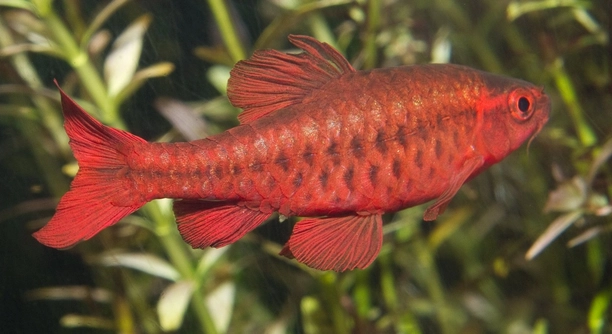
Cherry barbs are popular freshwater fish, known for their vibrant colors and peaceful nature. Many fish owners wonder about the best way to house these creatures, particularly whether they can thrive when kept in pairs.
Cherry barbs should not be kept in pairs only, as they are social fish and prefer being in groups. A small school of 4-6 individuals is ideal to reduce stress and promote natural behavior. Keeping them alone or in pairs can lead to aggression or loneliness.
By understanding their social needs, you can create a healthier, more harmonious environment for your cherry barbs. Learning more will help you provide the best care for these beautiful fish.
Why Cherry Barbs Need a Group Environment
Cherry barbs are peaceful, yet active fish. In the wild, they live in schools to feel safe and to thrive. When kept in pairs, the lack of enough company can cause stress. Fish are social creatures, and keeping them alone or in pairs might lead to loneliness or even aggression. Being alone can affect their overall health, as they will feel vulnerable and anxious. The ideal way to keep cherry barbs is in a group, as it allows them to show natural behaviors, like schooling, which in turn keeps them calm and happy.
While you may want to keep a pair, it’s important to understand the social needs of your cherry barbs. A group of four to six fish helps maintain balance in their interactions and keeps aggression low. A small school mimics their natural habitat, where they’re always surrounded by others.
Even if keeping a group might seem like more work, the rewards are clear. A healthy, stress-free fish tank means healthier cherry barbs and a more peaceful tank environment. A group also allows for more vibrant displays of color as these fish are naturally more active in larger groups.
The Behavior of Cherry Barbs in Pairs
When housed in pairs, cherry barbs may show signs of stress or discomfort. Without the company of other fish, they may become skittish, often hiding or swimming aimlessly. These signs indicate that they are not thriving as they would in a school.
A pair of cherry barbs can have limited interaction with one another, but they won’t be as comfortable as they would with more individuals. They may become territorial or aggressive, especially if there is not enough space. A small group gives each fish enough space to feel secure and prevents territorial behavior.
How Many Cherry Barbs Should Be Kept Together?
A group of four to six cherry barbs is best. Keeping fewer than this can lead to stress and behavioral issues. These fish thrive when they have enough company to feel secure. Smaller groups might result in unwanted aggression or shy behavior.
When cherry barbs are kept in a group, they will school together and explore their surroundings. This natural behavior allows them to feel safer, which reduces stress and promotes better health. It also encourages them to display more of their natural colors, making the tank more visually appealing. A group allows each fish to have enough space to swim freely without constant interaction or competition for territory.
Additionally, a group helps cherry barbs interact naturally with each other. They will establish subtle social hierarchies that help reduce aggression. Without enough companions, they may feel stressed, and their immune systems can weaken. So, if you want to keep them happy and healthy, aim for a school of at least four fish.
Maintaining a Stress-Free Environment for Cherry Barbs
Stress in cherry barbs can lead to a weakened immune system, causing illness and poor health. Keeping a proper number of fish helps reduce this stress. A group will help these fish feel secure and calm. In contrast, keeping a single pair or just one can leave them feeling isolated.
A well-maintained environment is crucial for cherry barbs. They need enough swimming space and hiding spots to feel safe. A tank that is overcrowded or lacks proper hiding areas can make them feel exposed. Additionally, keeping the water clean and at a stable temperature is important to ensure their well-being. A properly maintained tank will help minimize stress and encourage healthy behaviors like schooling and playing. Keeping your cherry barbs in a social group and providing a stable environment will help them live longer, healthier lives.
Signs That Your Cherry Barbs Are Stressed
When cherry barbs are stressed, they often swim erratically or hide more than usual. They may also become less active and spend more time near the bottom of the tank. Changes in behavior like this are common signs of discomfort.
Other signs of stress include faded colors and loss of appetite. A stressed cherry barb may appear pale or washed out. If they stop eating or seem lethargic, it’s a clear indicator that they are not happy with their environment. Stress often results from poor water conditions, improper tank mates, or being kept alone or in pairs.
What Happens When Cherry Barbs Are Kept Alone
Keeping cherry barbs alone can lead to anxiety and loneliness. These fish are social, and without the company of others, they may become shy and stressed. It’s important to note that while they are hardy, their mental well-being depends on having tank mates to interact with.
Being isolated can result in cherry barbs hiding frequently, limiting their natural behavior. The absence of a group may make them feel unsafe, causing them to retreat more often. In the long term, this can lead to poor health.
Tank Conditions for Cherry Barbs
The water temperature should be between 74-79°F for optimal health. Keeping the water clean and regularly changing it will help your fish stay happy. It’s also important to monitor the water parameters, like pH and hardness, to keep the environment stable and safe.
FAQ
Can cherry barbs live with other fish?
Yes, cherry barbs are peaceful and get along well with many other species. They do best with other calm, non-aggressive fish. Ideal tank mates include smaller species like tetras, guppies, and rasboras. Avoid aggressive or territorial fish, as they can stress out the cherry barbs. The key is to maintain a balanced tank where all fish can coexist peacefully. Always make sure the fish you add have similar water requirements to keep the environment healthy for everyone.
How many cherry barbs should I get for my tank?
The minimum number of cherry barbs you should keep together is four, but six is ideal. A group of at least four ensures that the fish feel safe and can engage in natural schooling behavior. Keeping them in groups also helps prevent stress and aggression. The more fish you have, the more stable and natural their social behavior will be. A larger group helps prevent one fish from becoming isolated or stressed.
Do cherry barbs need a specific type of tank?
Cherry barbs are adaptable and can live in various types of tanks. However, they do best in a well-planted tank with plenty of hiding spots. Adding plants, rocks, and driftwood will help mimic their natural environment. They appreciate having areas to explore, hide, and swim around in. A tank with a lid is recommended to prevent them from jumping out, as cherry barbs can be a bit jumpy at times.
What size tank do cherry barbs need?
A 20-gallon tank is a good starting point for a small group of cherry barbs. The tank should be long enough to allow them to swim freely. Cherry barbs do not require a tall tank since they swim mostly at mid-level and lower in the water. Larger tanks give them more room to move, which helps reduce stress and aggression. Always account for the additional space needed for any other fish or plants in the tank.
Are cherry barbs easy to care for?
Yes, cherry barbs are generally easy to care for. They are hardy fish that adapt well to various water conditions, as long as the tank is properly maintained. Regular water changes, proper filtration, and feeding a balanced diet will keep them healthy. They are relatively low-maintenance compared to other species, making them a great choice for beginner fishkeepers. However, like all fish, they still require attention to their tank conditions to thrive.
What should I feed cherry barbs?
Cherry barbs are omnivores, so they need a balanced diet that includes both plant and animal matter. You can feed them high-quality flake or pellet food along with occasional treats like frozen or live brine shrimp, bloodworms, or daphnia. It’s also good to offer some vegetables, such as blanched spinach or zucchini, to provide variety and essential nutrients. Be careful not to overfeed, as leftover food can pollute the water.
Do cherry barbs need a filter?
Yes, cherry barbs need a good filtration system to keep the water clean. Since they are sensitive to poor water quality, a filter helps maintain a stable and healthy environment. The filter should be strong enough to keep the water clean but gentle enough to avoid strong currents that could stress the fish. Regular water changes are also necessary to keep ammonia and nitrate levels in check, ensuring a safe environment for your cherry barbs.
Can cherry barbs breed in a tank?
Yes, cherry barbs can breed in a home aquarium if the conditions are right. They are egg layers, and when breeding, males will often show brighter colors to attract females. It’s best to have a separate breeding tank or plenty of plants where the eggs can be safely laid. After mating, the adults should be removed, as they may eat the eggs. The eggs hatch in about 24-48 hours, and the fry will need special care, such as finely crushed food or infusoria, until they grow large enough to eat normal fish food.
Why are my cherry barbs hiding all the time?
If your cherry barbs are constantly hiding, it could be a sign that they are stressed or not feeling safe. This might be due to poor tank conditions, aggressive tank mates, or a lack of hiding spots. Cherry barbs prefer tanks with plenty of plants or decorations where they can take shelter if they feel threatened. Ensure that their water parameters are within the correct range and that the tank has enough space for them to feel secure. If aggression from other fish is the issue, consider rearranging the tank or removing the aggressor.
Are cherry barbs compatible with shrimp?
Yes, cherry barbs are generally compatible with shrimp, especially smaller species like ghost shrimp or cherry shrimp. However, it’s essential to ensure that the shrimp are not too small to be seen as food by the barbs. While cherry barbs are peaceful, they might occasionally nibble on the shrimp if the shrimp are very tiny. Providing plenty of plants and hiding spaces helps create a safe environment for shrimp to thrive alongside your cherry barbs.
Keeping cherry barbs in pairs alone is not ideal. These fish are social by nature and prefer to live in groups. A small school of 4 to 6 cherry barbs promotes better health, reduces stress, and allows them to display natural behaviors. With only a pair, they may become stressed, isolated, or even exhibit aggressive behaviors, especially if they are kept in a small space. This can lead to a weakened immune system and a higher likelihood of illness.
A well-maintained tank, with enough swimming space and hiding spots, is important for the well-being of cherry barbs. Providing a stable and clean environment with proper water conditions will encourage them to thrive. When kept in a group, cherry barbs will feel more secure and less likely to hide or act out of character. They will interact naturally, swim together, and display their vibrant colors. The absence of other fish can negatively affect their mental health, causing them to become reclusive and stressed.
Ultimately, to keep cherry barbs happy, a small group is the best option. Providing a peaceful tank with appropriate tank mates and regular maintenance ensures the health and longevity of these fish. Stress and aggression are minimized in larger schools, and the fish will lead a more natural and fulfilling life. If you follow the basic care guidelines and keep them in groups, cherry barbs can be a beautiful and low-maintenance addition to your aquarium.

Hello,
If you enjoy the content that we create, please consider saying a "Thank You!" by leaving a tip.
Every little bit helps us continue crafting quality advice that supports the health, happiness, and well-being of pets around the world, for pets of all shapes, sizes, and species.
We really appreciate the kindness and support that you show us!